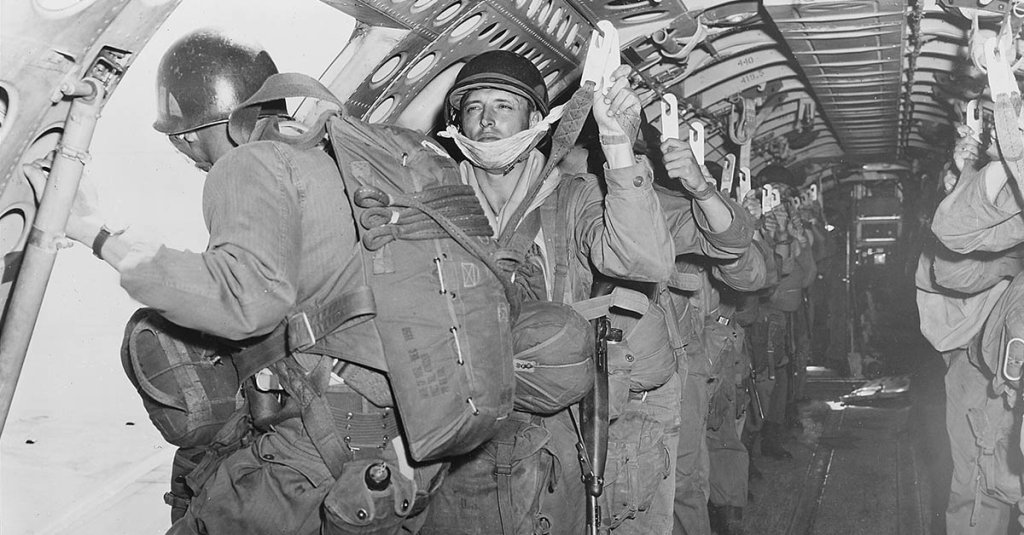
As an educator, historian, and someone who is airborne qualified with five completed parachute jumps, the history of airborne operations has always been deeply meaningful to me.
Over the years, I have had the privilege of speaking with many airborne veterans whose firsthand stories helped shape how I teach military history. Their experiences bring history out of the textbook and into real life.
Related: How 3 paratroopers earned the Medal of Honor in Korea
That connection to airborne service now runs even deeper in my family. My daughter currently serves with the 1st Special Forces Group (Airborne) at Joint Base Lewis-McChord in Washington, carrying forward the tradition of elite airborne warriors who deploy anywhere at a moment’s notice.
Two Daring Jumps During the Korean War
Because of these personal connections, teaching about airborne operations is never just another lesson in the curriculum.
When I teach my students about the Korean War, I often receive questions about whether paratroopers were used during that conflict. Many students are already familiar with the dramatic airborne assaults of World War II, particularly the parachute drops before Operation Overlord in Normandy or the massive airborne effort during Operation Market Garden in the Netherlands.
What they often do not realize is that airborne forces were also deployed in Korea in two major combat operations that demonstrated the continued value of parachute troops in modern warfare.
Those operations were carried out by the legendary 187th Airborne Regimental Combat Team, whose paratroopers would make history in two daring combat jumps. The first took place in October 1950 during the Sukchon-Sunchon Airborne Operation, and the second occurred in March 1951 during Operation Tomahawk.
These missions revealed how airborne forces could be used not only for shock and surprise, but also as a strategic tool for trapping enemy armies, rescuing prisoners of war, and disrupting large-scale troop movements.
The story of these jumps is one of courage, precision, and innovation. It is also part of a legacy of service that continues today among airborne soldiers across the United States military.
As members of the airborne community proudly say, “Airborne All the Way.”
The Evolution of Airborne Warfare

Paratroopers: The Evolution of Airborne Warfare #Paratroopers #FutureWarfare #DroneWarfare
The concept of airborne warfare emerged during the early 20th century but came into its own during World War II.
Military planners realized that aircraft could allow soldiers to bypass traditional front lines entirely by dropping them deep behind enemy positions. This tactic became known as vertical envelopment. Instead of attacking a fortified line head-on, airborne troops could appear suddenly behind it, disrupting supply routes, capturing bridges, and sowing confusion among enemy forces.
During WWII, the United States Army invested heavily in airborne forces, creating elite units such as the 82nd Airborne Division and the 101st Airborne Division. These formations conducted dramatic
combat jumps across Europe. American paratroopers dropped into Normandy on the night before the D-Day invasion in June 1944, securing key causeways and bridges that allowed Allied forces to move inland from the beaches. Later that same year, thousands of airborne troops parachuted into the Netherlands during Operation Market Garden in an ambitious attempt to outflank German defenses.
These missions cemented the reputation of airborne troops as elite soldiers. Yet after the war ended, some military planners began to question whether airborne forces would still be useful in a new era dominated by atomic weapons and jet-powered aircraft.
The outbreak of war in Korea would soon put those doubts to the test.
The Outbreak of War in Korea
The Korean Peninsula became a flashpoint of Cold War tensions following World War II.
Korea had been divided along the 38th parallel. The Soviet Union supported a communist government in the north and the United States backed a democratic government in the south. On June 25, 1950, North Korean forces launched a massive invasion across the border, beginning the Korean War.
United Nations forces, led primarily by the United States, rushed to defend South Korea. Early in the conflict, the situation appeared bleak as North Korean troops pushed UN forces into a defensive perimeter around the port city of Pusan.
The tide of the war changed dramatically in September 1950 when Gen. Douglas MacArthur launched a daring amphibious assault known as the Battle of Inchon. The operation successfully landed UN troops behind enemy lines and forced North Korean forces into a rapid retreat.
As United Nations troops advanced north toward Pyongyang, commanders sought ways to prevent the enemy from escaping and regrouping. This situation created an ideal opportunity to employ airborne forces in a classic vertical envelopment operation.
The Rakkasans Prepare for Combat
The responsibility for this mission fell to the 187th Airborne Regimental Combat Team. The unit was activated during World War II, but had not seen a combat parachute drop before the war ended. The 187th previously fought in the Leyte Campaign in the Philippines and conducted a para-amphibious assault at Nasugbu, Luzon, on Jan. 31, 1945.
After the war, the regiment was stationed in Japan as part of the American occupation forces. While there, the soldiers adopted the nickname “Rakkasans,” derived from the Japanese word for parachute. The name stuck and eventually became a symbol of pride for the unit.
Its formal redesignation to the 187th Airborne Regimental Combat Team came on Aug. 27, 1950, just before its deployment to Korea. When the Korean War began, it was one of the few airborne units immediately available in the region.
Unlike larger divisions, the regimental combat team structure allowed the unit to operate as a self-contained fighting force. It included infantry battalions, artillery batteries, engineers, reconnaissance elements, and medical support units. This organization made the 187th uniquely suited for rapid deployment operations.
By October 1950, the Rakkasans were preparing for their first combat jump.
The Sukchon-Sunchon Airborne Operation
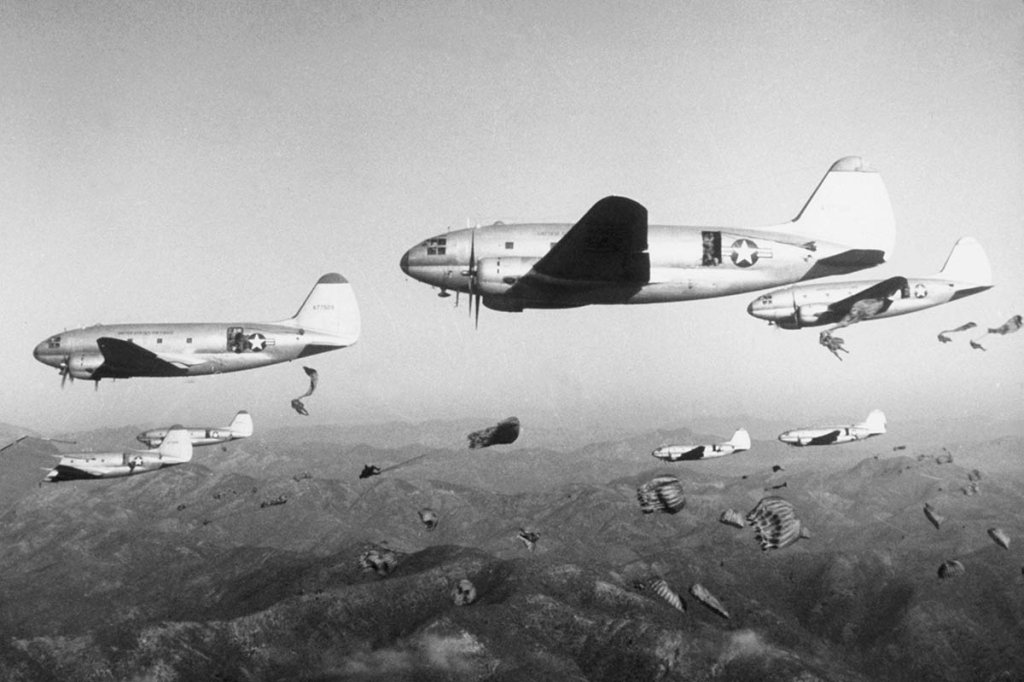
On October 20, 1950, the skies above North Korea filled with transport aircraft carrying more than 4,000 American paratroopers. The aircraft included the rugged C-119 Flying Boxcar and the veteran C-47 Skytrain, both of which had served during the airborne assaults of WWII.
Their destination was a pair of drop zones near the towns of Sukchon and Sunchon. Intelligence reports suggested that large numbers of North Korean troops were retreating through this region following the fall of Pyongyang. By dropping airborne troops behind them, UN commanders hoped to block escape routes and force the enemy into surrender.
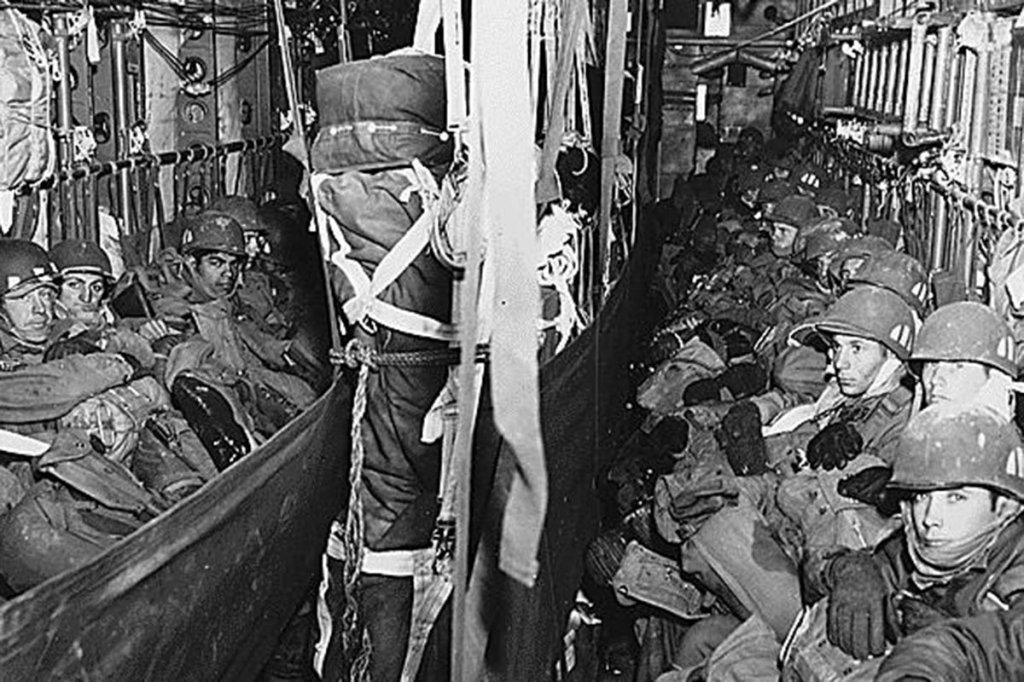
As the aircraft approached the drop zones, green lights flashed inside the cabins. One by one, paratroopers stepped into the open doorways and leapt into the cold Korean air. Within minutes, the sky was dotted with hundreds of white parachutes drifting toward the ground.
Despite scattered enemy fire, the drop was largely successful. The Rakkasans quickly assembled on the ground and began moving toward their objectives. They secured key road intersections, blocked transportation routes, and began searching the surrounding countryside for enemy forces.
The Race to Rescue Prisoners
One of the most urgent objectives of the operation involved rescuing Allied prisoners of war. Intelligence indicated that North Korean units were moving captured American soldiers northward toward remote prison camps. There were fears that these prisoners might be executed or disappear into remote mountain regions if the retreat continued.
Airborne patrols fanned out across the countryside in search of the prisoners. In several cases, they arrived just in time. One group of American POWs had reportedly been lined up for execution when the sudden arrival of paratroopers forced their captors to flee. The rescued soldiers were astonished to see American troops appearing seemingly out of nowhere.
Although not every prisoner could be located, the operation successfully saved many lives and demonstrated the speed with which airborne troops could influence the battlefield.
The Strategic Situation Changes
While the Sukchon-Sunchon operation achieved many of its tactical objectives, the broader strategic situation soon changed dramatically.
In late October 1950, large numbers of troops from the People’s Volunteer Army crossed the Yalu River and entered the conflict on the side of North Korea. Chinese forces launched a powerful counteroffensive that caught UN troops by surprise.
Within weeks, the war shifted from a rapid UN advance to a difficult fighting withdrawal across the peninsula. Battles raged in the mountains and valleys of Korea as both sides struggled for control.
Airborne troops would once again be called upon to play a role in the conflict.
Operation Tomahawk
The second and final airborne combat jump of the Korean War took place on March 23, 1951, during Operation Tomahawk. This mission formed part of a broader UN offensive known as Operation Courageous, which aimed to push Chinese and North Korean forces away from the approaches to Seoul and restore stability along the central front of the Korean Peninsula.
The strategic goal of the operation was ambitious. UN commanders hoped to trap large formations of Chinese and North Korean troops between the Han River and the Imjin River. By inserting
airborne forces deep behind enemy lines, planners intended to block the routes of retreat used by opposing forces that were falling back from positions near Seoul.
If successful, the maneuver would allow advancing UN ground forces to close the gap from the south, effectively surrounding enemy units and preventing their withdrawal northward.
Airborne troops would parachute into drop zones near the small town of Munsan-ni, a strategically important area that controlled road networks leading toward the Imjin River and the approaches to the North Korean frontier. Once on the ground, the paratroopers would establish blocking positions along key roads and terrain features.
Their presence would disrupt enemy logistics, slow the movement of retreating units, and provide UN commanders with valuable intelligence about enemy troop movements.
The responsibility for executing this complex airborne assault once again fell to the legendary 187th Airborne Regimental Combat Team.
Rangers and International Allies Join the Jump
Operation Tomahawk featured a number of historic firsts.
Two elite Ranger units participated in the mission, the 2nd Ranger Company and 4th Ranger Company. The 2nd Ranger Company was an all-Black unit formed during a period when the U.S. military was undergoing the process of integration after President Harry S. Truman issued Executive Order 9981 in 1948.
For many of these Rangers, Operation Tomahawk marked their first combat parachute jump. Their performance during the mission earned them respect from fellow soldiers and commanders alike.
The operation also highlighted the multinational nature of UN forces in Korea. Twelve members of the 60th Indian Parachute Field Ambulance jumped alongside American troops. This highly trained medical unit quickly established treatment stations after landing and provided critical care to wounded soldiers during the operation.
The Jump at Munsan-ni
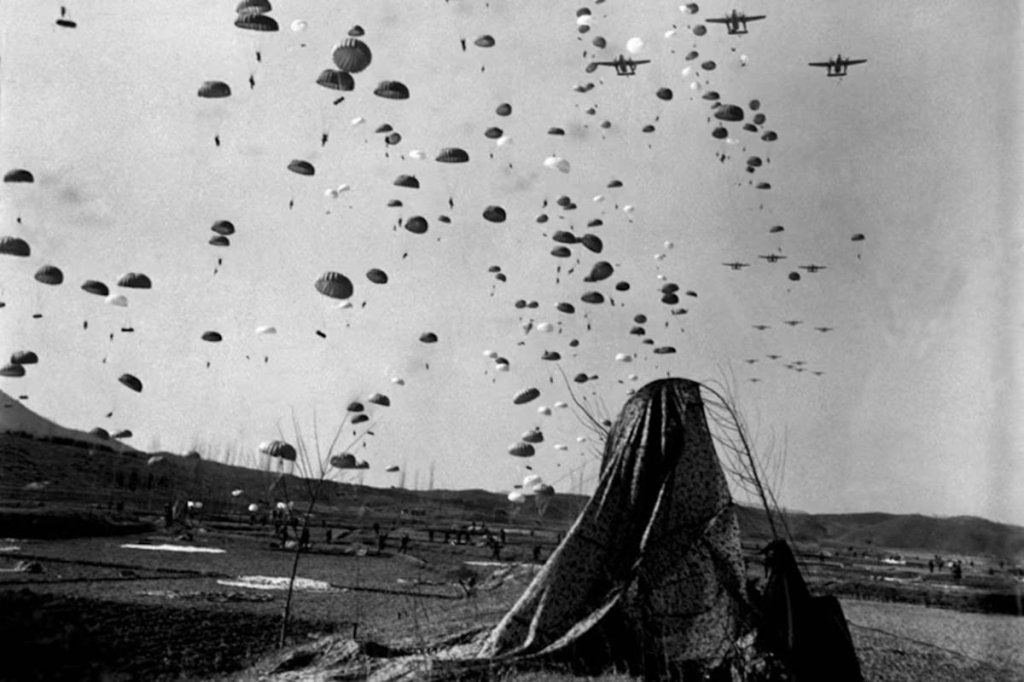
On the morning of March 23, the familiar scene of airborne operations unfolded once again as transport aircraft filled the skies above Korea. More than 3,000 paratroopers prepared to jump into the combat zone. Cargo aircraft also dropped artillery pieces, vehicles, and supplies needed to sustain the airborne force after landing.
As the jump began, hundreds of parachutes opened above the drop zones near Munsan-ni. The landing was executed with impressive precision, allowing the paratroopers to assemble quickly and move toward their assigned objectives.
Enemy resistance in the immediate drop-zone area was relatively light, enabling the airborne force to establish defensive positions and begin patrolling nearby roads and villages.
The Rakkasans successfully blocked several potential escape routes used by enemy forces retreating northward from the Seoul area.
Results and Strategic Impact
Although Operation Tomahawk succeeded tactically, the larger goal of trapping large enemy formations proved more difficult than anticipated. Chinese and North Korean units had already begun withdrawing from the area before the airborne troops landed. Nevertheless, the operation demonstrated the continued effectiveness of airborne forces as a rapid deployment capability.
The Rakkasans captured important terrain, gathered valuable intelligence, and disrupted enemy movements during the operation. Their presence behind enemy lines forced opposing forces to divert attention and resources to counter the airborne threat.
Just as importantly, the mission reinforced the strategic value of airborne units at a time when military planners were debating their future role in modern warfare.
The Last Combat Jump of the War
Operation Tomahawk ultimately became the final airborne combat jump of the Korean War.
As the conflict progressed into 1951 and beyond, the nature of the war itself began to change. The dramatic advances and retreats that characterized the early stages of the conflict gradually gave way to a more static form of warfare along the front lines near the 38th parallel.
This shift toward a stalemate made large-scale airborne assaults increasingly difficult to justify.
Successful parachute operations required very specific conditions, including reliable intelligence, suitable drop zones, and the ability of friendly ground forces to quickly link up with the airborne units after they landed. As the front stabilized and both sides constructed extensive defensive networks of trenches, bunkers, and fortified hills, opportunities for deep airborne insertions became far more limited.
The geography of Korea also played a significant role in shaping military planning. The peninsula’s mountainous terrain and narrow valleys often restricted potential drop zones. Large flat areas suitable for mass parachute landings were relatively rare. Those that existed were frequently well-defended or under constant observation by enemy forces.
These conditions made planners increasingly cautious about committing airborne units to large-scale combat jumps.
Airborne Operations Impacted Future Military Planning
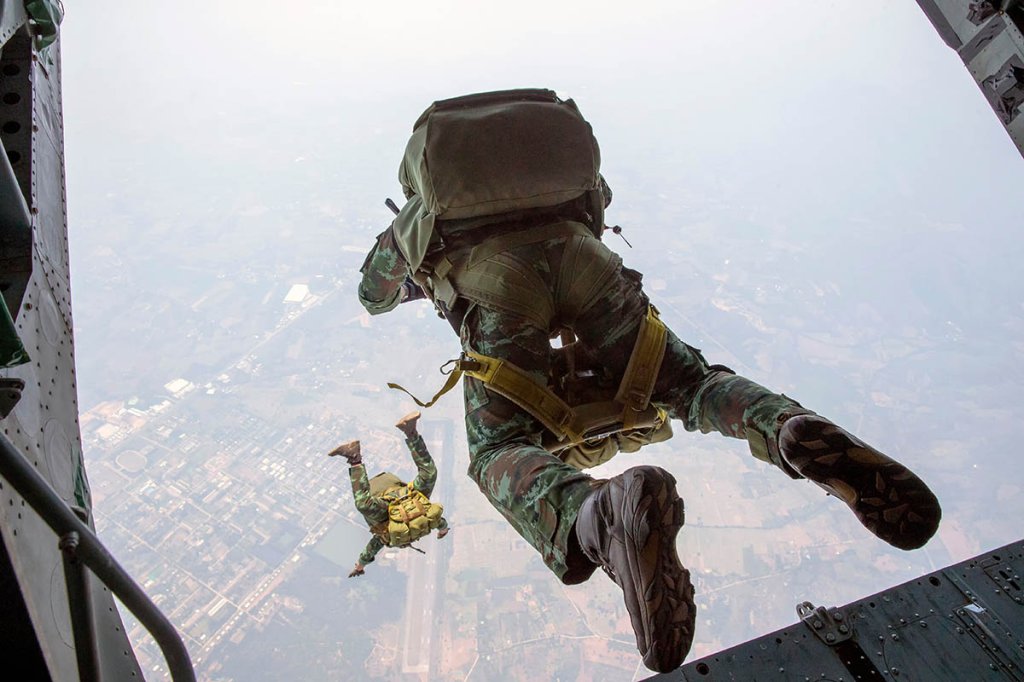
Nevertheless, the experiences gained during the war’s two airborne operations influenced military doctrine for decades. The coordination required between transport aircraft, ground forces, artillery, and logistics units offered important insights into how complex airborne operations should be planned and executed.
Throughout the Cold War, the U.S. military continued to maintain airborne units as part of its rapid response capability. The ability to deploy paratroopers quickly to distant regions remained an important strategic tool, especially in an era when crises could erupt with little warning. Airborne forces trained constantly for missions that ranged from combat jumps to humanitarian operations and strategic deterrence.
In this sense, the airborne operations of the Korean War represented a bridge between the massive parachute assaults of World War II and the more specialized airborne missions that followed in later decades.
Carrying the Legacy Forward
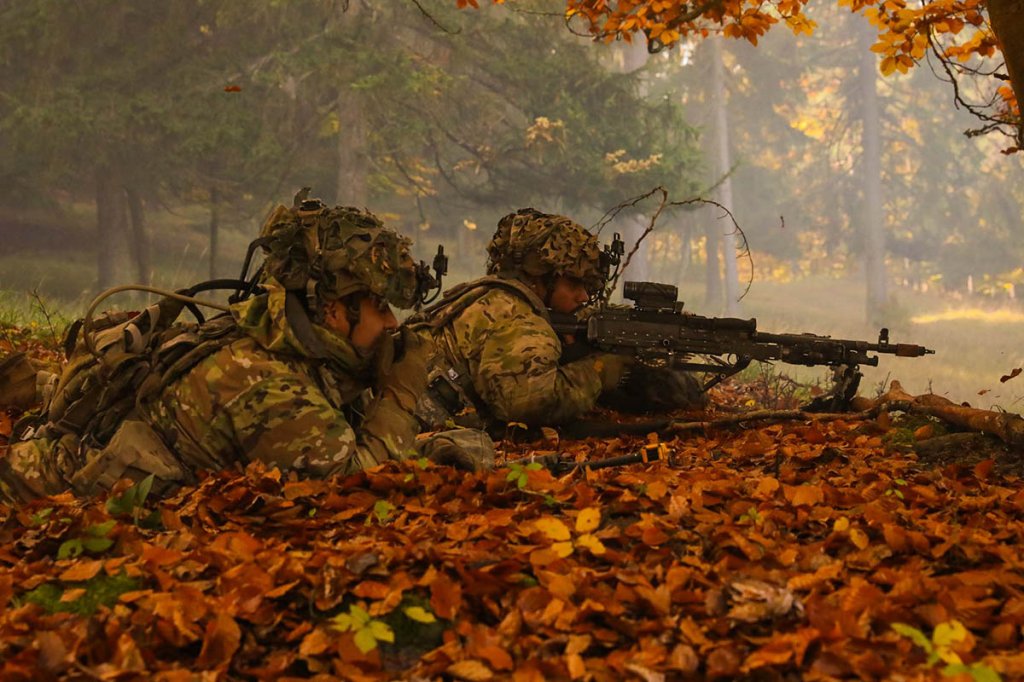
The legacy of the Rakkasans did not end when the guns fell silent in Korea.
The traditions and history of the 187th Infantry Regiment continue today within the ranks of the 101st Airborne Division. Over the decades, soldiers assigned to the regiment have served in conflicts and operations around the world. They carried forward the spirit of those early paratroopers who jumped into the skies over Korea.
For members of the airborne community, that legacy represents more than a historical footnote. It reflects a culture built around discipline, courage, and readiness. Airborne soldiers train constantly to ensure they can deploy anywhere in the world on short notice. Stepping out of an aircraft into open sky requires a level of trust and professionalism that binds paratroopers across generations.
The soldiers of the 187th who conducted the combat jumps at Sukchon, Sunchon, and Munsan-ni helped prove that airborne troops remained a vital component of modern military strategy.
Their missions demonstrated how quickly a well-trained airborne unit could appear in unexpected places and reshape the battlefield.
Today, historians and military professionals alike continue to study these operations for the lessons they provide about mobility, surprise, and coordination in combat. For those who wear airborne wings or share a connection to the airborne community, the story of the Rakkasans carries a special meaning. It is a reminder that every jump, every mission, and every generation of paratroopers builds upon the courage and dedication of those who came before.
Teaching the Next Generation
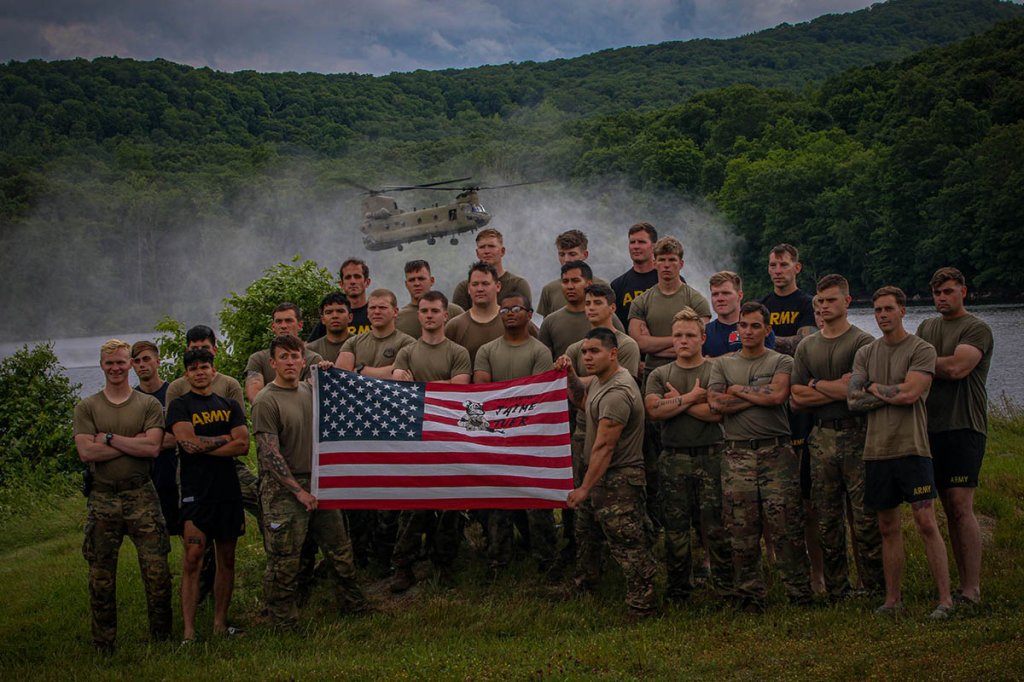
When I share this history with my students, I emphasize that these operations were more than just military maneuvers.
They were moments in which ordinary soldiers were asked to perform extraordinary acts of courage. Standing in the door of an aircraft thousands of feet above hostile territory requires a level of trust and determination that few experiences in life can match.
Having completed five parachute jumps, I understand at least a small piece of that feeling. The moment before stepping out of the aircraft is unforgettable. It is a mixture of focus, anticipation, and commitment to the mission.
The soldiers of the 187th Airborne Regimental Combat Team experienced that moment, not during a training exercise but in the middle of a war.
Their actions helped shape the course of the Korean War and demonstrated the power of airborne forces to influence events on the battlefield.
For those of us who value military history and the sacrifices of those who served, their story remains a powerful reminder of the courage required to defend freedom.
And for anyone who has ever worn airborne wings or stood in the door of an aircraft waiting for the green light, the spirit of those paratroopers can still be summed up in the words proudly spoken across generations of soldiers.
Airborne All the Way.