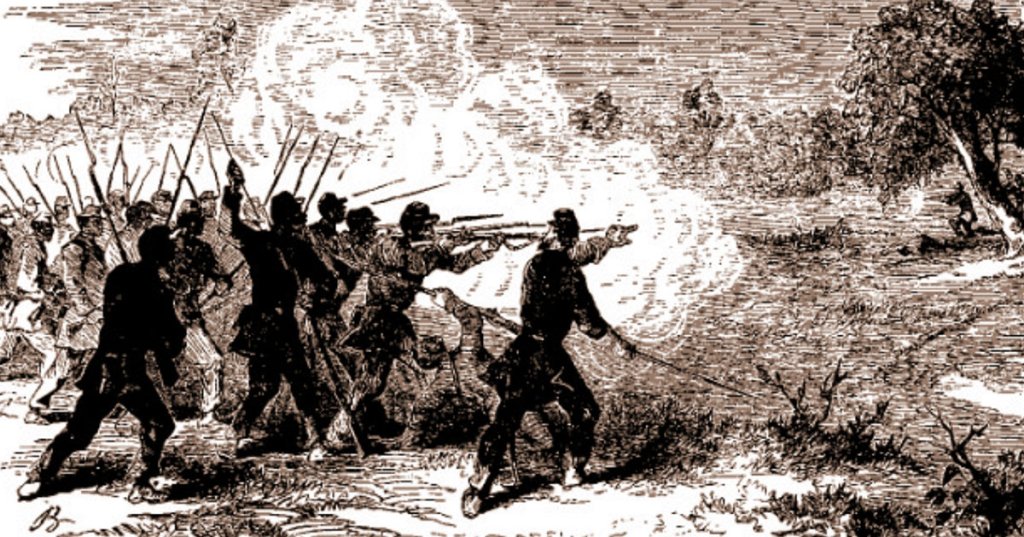
Nothing is a bigger middle finger to racism than an all-Black infantry obliterating a cavalry of Confederates double its size and causing so much embarrassment for the Southern general that he lies about it.
That’s exactly what happened on May 24, 1864, at the Battle of Wilson’s Wharf in Virginia.
While this Civil War battle wasn’t the first time the Confederates underestimated the skill and power of Black soldiers, it was the first time the Army of Northern Virginia faced off with Black infantrymen—and one of the only times the South fought an infantry comprised entirely of Black troops.
The Union initially sent the United States Colored Troops (USCT) to Wilson’s Wharf, later dubbed Fort Pocahontas, to fortify the spot along the James River as part of Lt. Gen Ulysses S. Grant’s Overland Campaign to take Richmond, the Confederate capital.
A coveted location due to its proximity to a steamboat line, Wilson’s Wharf was also nestled near Jamestown, where some of the first slave shipments arrived in the United States in 1619, an ironic fact given that the USCT would later own the Confederates on the battlefield.
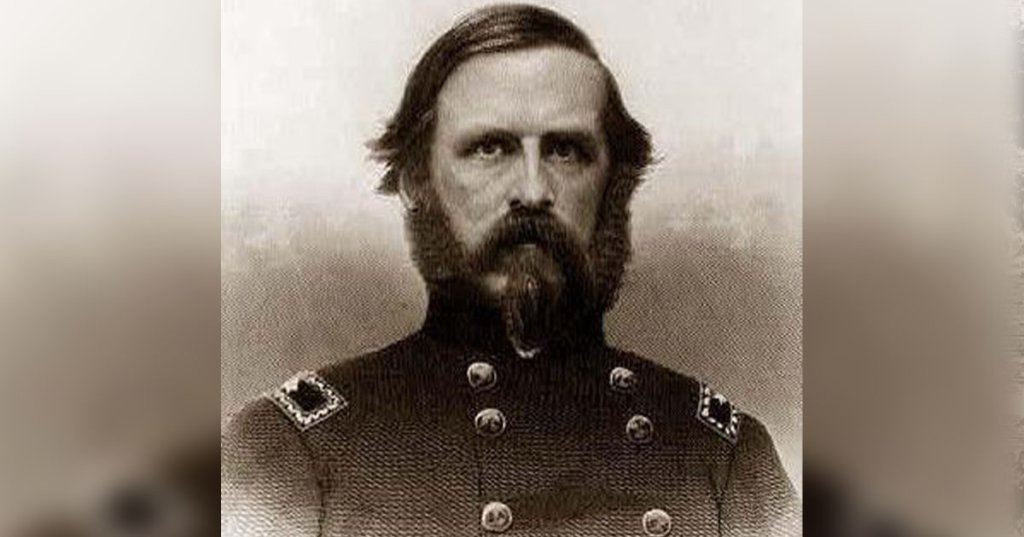
The men stationed at the wharf were led by Brig. Gen. Edward Wild, a white officer, because as on-the-right-side-of-history as the Union was, the federal government still ordered Black soldiers be led by white officers. Old habits—and stereotypes—died hard.
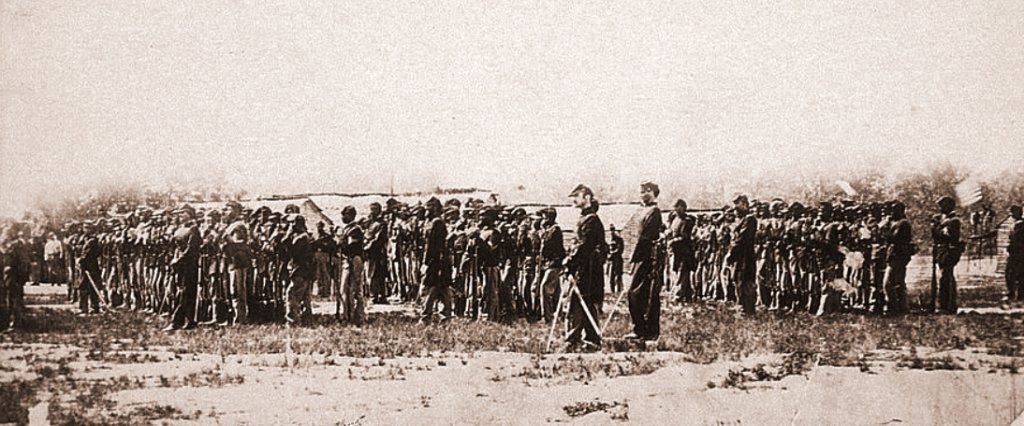
As far as white military men at the height of the Civil War went, though, Wild wasn’t bad. A staunch abolitionist, he believed in the fair treatment of Black people and in their strength and importance as soldiers. Throughout most of May, Wild and his troops guarded, patrolled, and secured the wharf.
Then, on May 23, Confederate Gen. Braxton Bragg ordered Maj. Gen. Fitzhugh Lee, nephew of Robert E. Lee, to “surprise and capture” the garrison of soldiers constructing a stronghold there.
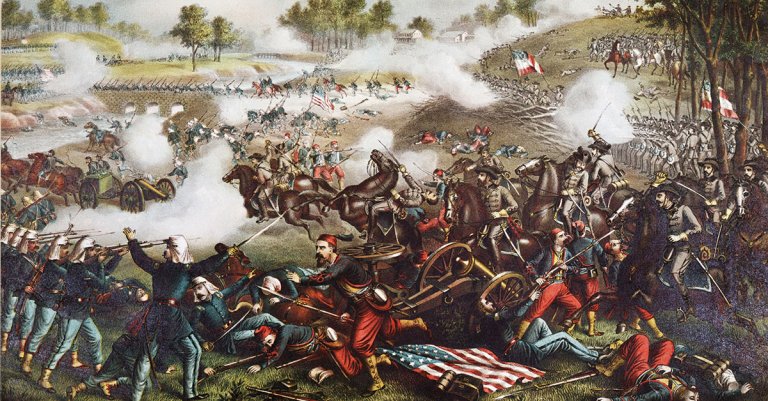
The next morning, Lee arrived with about 2,500 troops to Wild’s 1,100, expecting an easy victory and receiving a humiliating defeat within hours.
With only half the manpower and a fraction of the fortifications finished, the Union troops fended off the Confederates in a skirmish USCT Chap. Henry Turner called “the grandest sight [he] ever beheld.”
Lee and his men retreated, but not for long. Despite the initial loss, the Confederate general’s cockiness got the better of him. He sent a message to Wild saying that if the Union troops surrendered as prisoners of war, he’d treat the Black soldiers the same as the white soldiers.
Coming a month after the Fort Pillow Massacre in Tennessee, during which Confederate troops brutally murdered Union prisoners, mainly Black soldiers, even after surrender, Wild wasn’t having it.
He declined Lee’s terms and simply responded, “We will try it.”
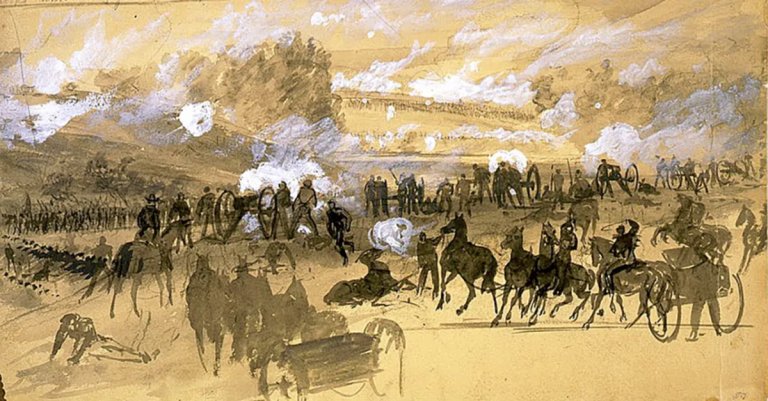
So, Lee renewed his efforts around 2:30 p.m., sending troops to target Union vessels in the James River while advancing the attack on Wilson’s Wharf. One Union gunboat, the USS Dawn, travelled down the river to open fire on the soldiers near the wharf, where the all-Black infantry held their positions and gunned down the advancing cavalry.
A Union officer wrote the Confederate troops had come in “with a yell, but our boys gave a louder yell, and poured so much lead among them, that they broke and ran like sheep.” The all-Black brigade held steady as the rebels continued the attack with a fervor.
After hours of fighting, Lee finally succumbed to defeat, withdrawing around dusk.
Many Confederates criticized the attack on Wilson’s Wharf, including one North Carolina officer, who dubbed it “the most useless sacrifice of time and men and horses made during the war.”
Lee, bearing the battle scar of bruised ego, claimed in his report that the attack involved six Union gunboats and only resulted in 10 Confederate casualties. In reality, the battle, involving only one Union gunboat, resulted in closer to 140 Confederate casualties.
Oh, and on top of that, he failed to mention it was an all-Black Union unit that defeated him.