
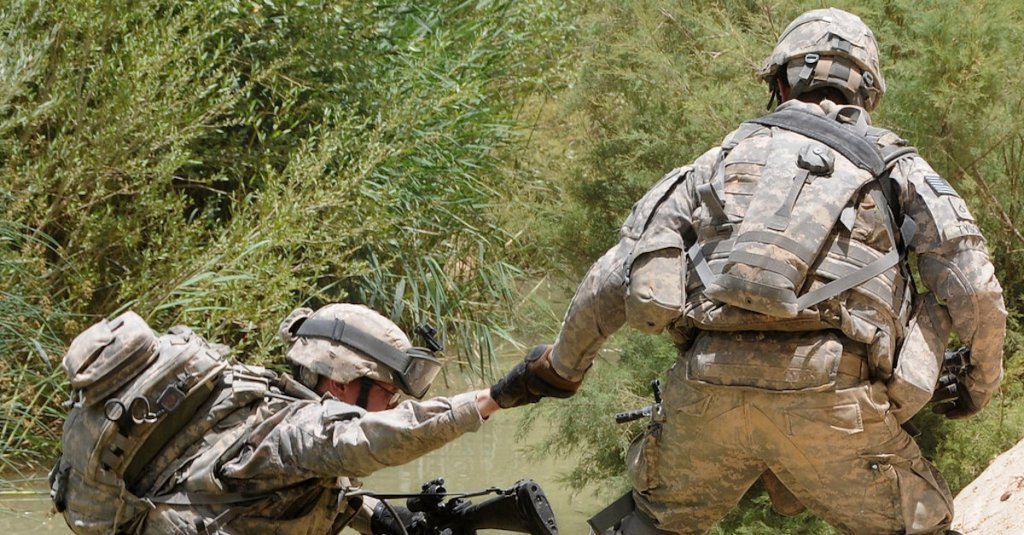
In the military, we had such a strong bond with those we served with. From day one in uniform, we had a battle buddy by our side. The closeness we had with our brothers and sisters is not something that those who didn’t serve can easily understand.
Would your current co-workers pull ticks out for you from near your anus? Yeah, that actually happened to me … Thanks, Mac, that’s what we call close! Do you think the people you work with now would run into gunfire for you?
We leave that family and often, many feel alone. However, it’s a common experience for every veteran as they transition out of their service. We may not talk about it at parties, but it’s as real as anything else in the world. This feeling can’t be ignored, but must be addressed.
It’s no secret that we have a suicide problem in the United States. And it’s even more profound in our veteran community. It’s a sad reality that we’ve lost more to suicide – over 108,000 – than to combat during the Global War on Terror. Most of us know a brother or sister who’s taken their life after losing their personal battle at home.
We can never eliminate the crisis, but we can certainly limit the number of buddies who are overcome by their demons.
According to Stop Soldier Suicide, a nonprofit focused on reducing the number of service members and veterans lost to suicide, veterans are at a 50% higher risk of suicide than those who didn’t serve. By 2030, the number of veteran suicides will be 23 times higher than post 9/11 combat deaths. There has been a 93% increase in the suicide rate of male veterans aged 18 to 34.
I applaud people who bring attention to the issue through various methods. It may involve doing 22 push-ups a day, discussing why they served for 21 days, or sharing other messages and posts on social media that raise awareness about the problem. We know there’s a problem, but I’m more for doing what non-commissioned officers always do: Identify the problem, develop solutions, and implement change.
Let’s be more proactive.
While serving, we saw our teammates every day. We were able to witness signs that they may be struggling. Being around each other so much, we could see if their behaviors changed, if they were down, if they showed the signs of depression, and if they needed help. These checks are more difficult when we’re out of the military.
One of my favorite quotes: “You don’t need to have a patch on your arm to have honor.” – Lt. Kaffee at the end of “A Few Good Men.”
I’m challenging you to do one thing: pick up the phone and call someone you served with. Check on them. Ask them how they’re doing and listen. This is not a time to bullshit around the topic – ask them if they’re doing ok. How are they handling being out of uniform? Bring up the fact that it’s different and you feel the difference, too.
We know how to accomplish tough tasks — this should be easier because of the love we have for those we served with. Have an honest talk, reconnect, and you may help someone suffering silently.
It’s not easy for people to acknowledge they’re having problems; generally, it’s not our veteran way. It’s not a disorder and we’re not broken. If we look out for each other and remove the stigma, we can mitigate the risks. Let’s show our love for our brothers and sisters. If you need help, reach out. And, reach out to others and do a buddy check.
Don’t Miss the Best of Mighty Culture
We Are The Mighty is a celebration of military service, with a mission to entertain, inform, and inspire those who serve and those who support them. We are made by and for current service members, veterans, spouses, family members, and civilians who want to be part of this community. Keep up with the best in military culture and entertainment: subscribe to the We Are The Mighty newsletter.