In November 1911, Italy was engaged in a costly war against the Ottoman Empire in what is today Libya. It worked out for the Italians in the end, who easily defeated the Ottoman Empire, by then a shadow of its former self. The war brought a number of new technologies onto the battlefield—most notably the airplane.
Italian pilots were the first to use heavier-than-air aircraft for reconnaissance and to drop bombs on enemy positions. One pilot was also the first to fly a night sortie. The Ottoman Turks, who had no specially-designed anti-air defenses, became the first to shoot down an aircraft with small arms fire.
Related: 5 Seldom-told tales about Air Force legends
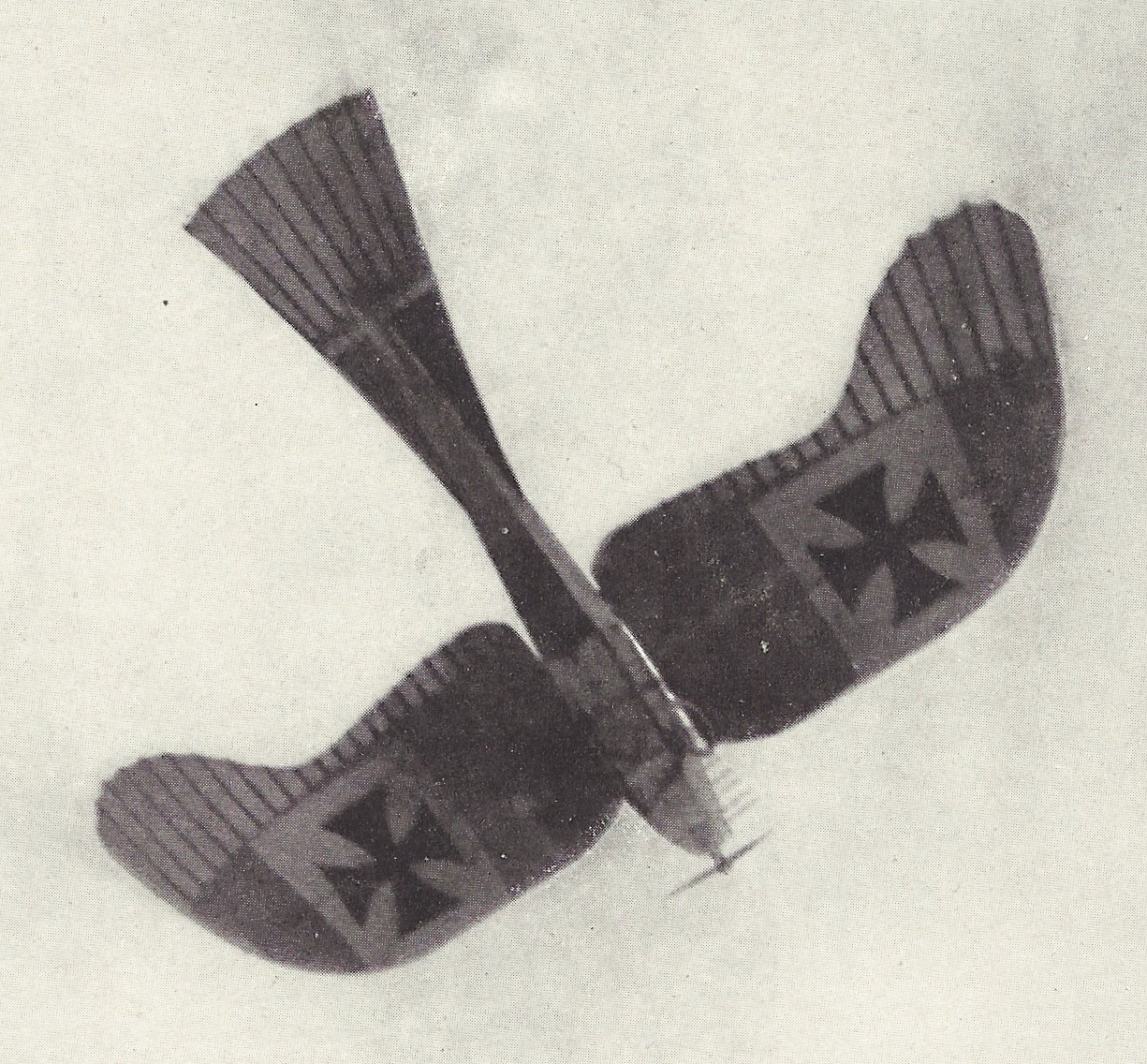
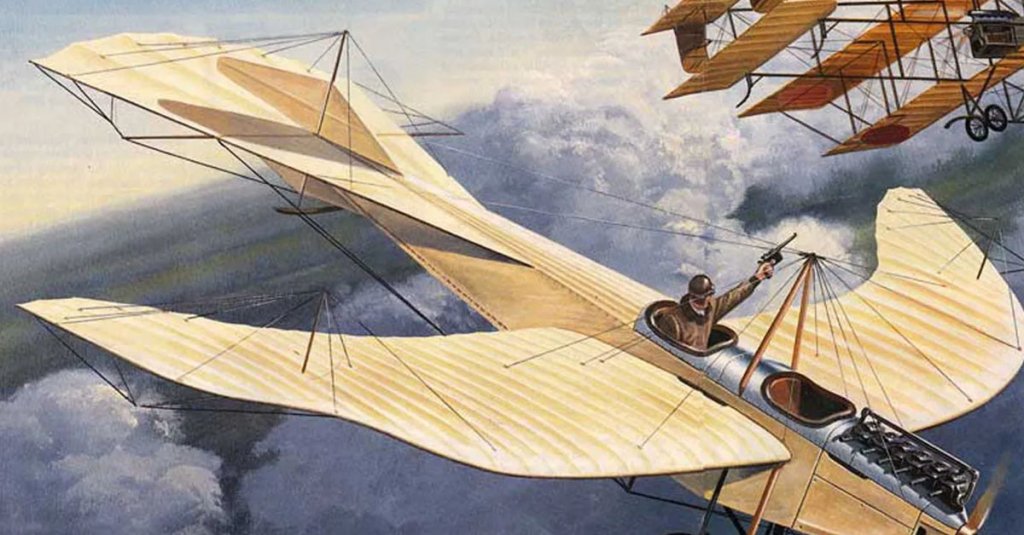
On Nov. 1, 1911, Giulio Gavotti, an Italian combat pilot, climbed into the cockpit of his Etrich Taube monoplane. His mission was to fly over the Ain Zara oasis, occupied by Turkish troops. Instead of just flying over the target, he decided he would throw bombs out of the plane and into the mass of maybe 2,000 enemy soldiers below. The lieutenant would later write to his father that he was really pleased to be the first person to try. His efforts earned him the nickname “the Flying Artilleryman.”
“I notice the dark shape of the oasis. With one hand, I hold the steering wheel, with the other I take out one of the bombs and put it on my lap…. I take the bomb with my right hand, pull off the security tag and throw the bomb out, avoiding the wing. I can see it falling through the sky for couple of seconds and then it disappears. And after a little while, I can see a small dark cloud in the middle of the encampment. I am lucky. I have struck the target.”
And that’s how one pilot ushered in the Air Power age.
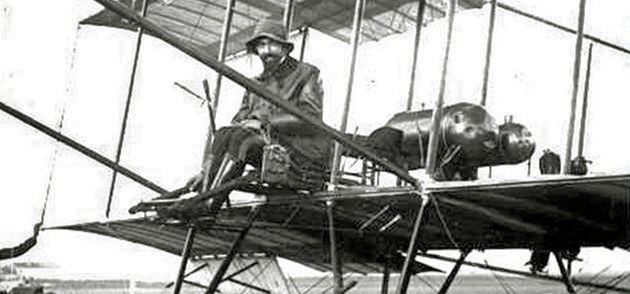
The young lieutenant had strapped a number of grapefruit-sized grenade-like bombs into a leather pouch in the cockpit. As he flew over the target, he would toss them over the side. The official history of the Italian Army in Libya says that Gavotti screwed in the detonators and flew at an altitude of just 600 feet as he made his bombing runs. He tossed three over the side at an oasis at Tagiura and then one over the Ain Zara Oasis. No one is really sure how many (if any) he actually killed on his run.
In response, the Ottoman Empire issued a formal complaint. The Hague Convention of 1899 outlawed dropping bombs from aerial balloons. The Italians countered that airplanes weren’t balloons and that any heavier-than-air craft was legally allowed to drop bombs, as Gavotti had.
“I come back really pleased with the result,” Gavotti wrote. “I go straight to report to General Caneva. Everybody is satisfied.”