History isn’t short on creative ways to ruin other people’s lives. Long before drones or guided munitions, opium addicted inventors across continents were thinking, “But what if our weapons also spun, caught fire, and/or made a horrible noise?”
These five “exotic” weapons prove that humanity’s most dangerous asset isn’t gunpowder or GPS; it’s not having a full football season, mixed with impaired imagination (allegedly).
1. Urumi: a Sword That Could Decapitate Its Owner (if they were lucky)

Urumi Surul Vaal Flexible sword demonstration
A tape measure made of razor blades best sums up the Urumi. This South Indian whip-sword could wrap around the user’s waist like a belt and then unspool into a blur of steel ribbons (was this the inspiration for the Gillette Fusion series?). Mastering it required nerves of titanium and the reflexes of an Olympic hopeful. Used by Kalaripayattu warriors, the Urumi turned defense into a Taylor Swift dance; one wrong move, and you could easily perform your own circumcision.
Modern historians called it “flexible.” Everyone else called it “hell no.”
2. Lantern Shield: When Renaissance Men Possibly Took It Too Far
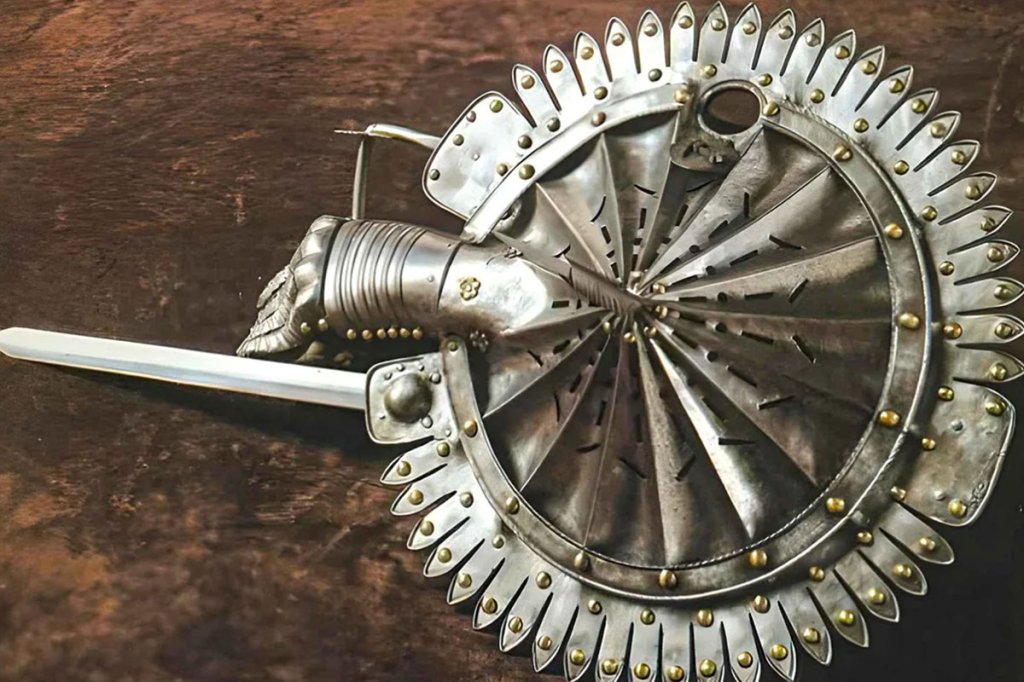
Inventors of the 1500s-1600s were clearly getting paid by the attempt. The Lantern Shield came with a lantern (obviously), a dagger, some spikes, a Thanos infinity gauntlet, and occasionally a blinding flap (a flap that could blind your opponent by raising the shield at an angle to catch the sunlight). Hey, five ideas for the price of one sounds like a steal, right?
Imagine fencing while wearing an entire toolbox. The lantern light could dazzle an opponent or just let them see the vast, cumbersome target being provided; oh, and now they are waving their shield at the sun, great. It’s history’s earliest example of “feature creep,” proving once again that you can’t fake it until you make it in a duel.
3. Kpinga: A Throwing Knife That Didn’t Mess Around
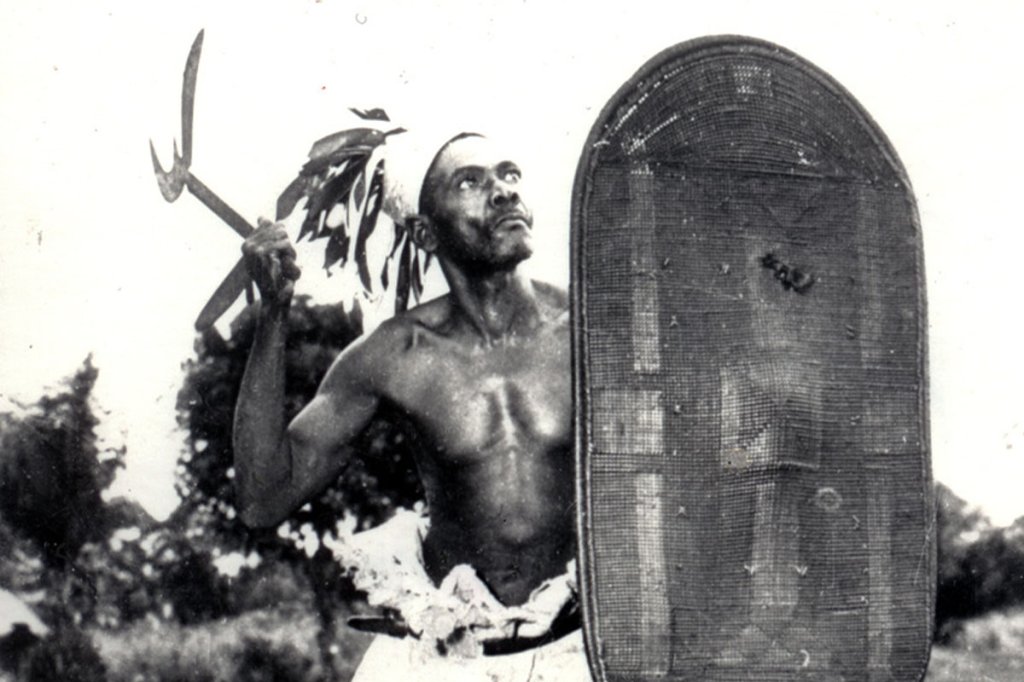
The Azande people of Central Africa didn’t just throw the Kpinga; they made it personal. This three-bladed, almost boomerang-ish weapon was as much a projectile as it was a prestige symbol. Chiefs gifted it to warriors the way colonels hand out challenge coins, only with sharper edges and more meaning behind the gesture.
Each prong had a job: one to hook, one to slash, one to make sure you never attempt to catch it. When Europeans first encountered the Kpinga, they called it amazing. The Azande called it a Tuesday.
4. The Claw of Archimedes: Ancient Greece’s Crazy Arcade Game
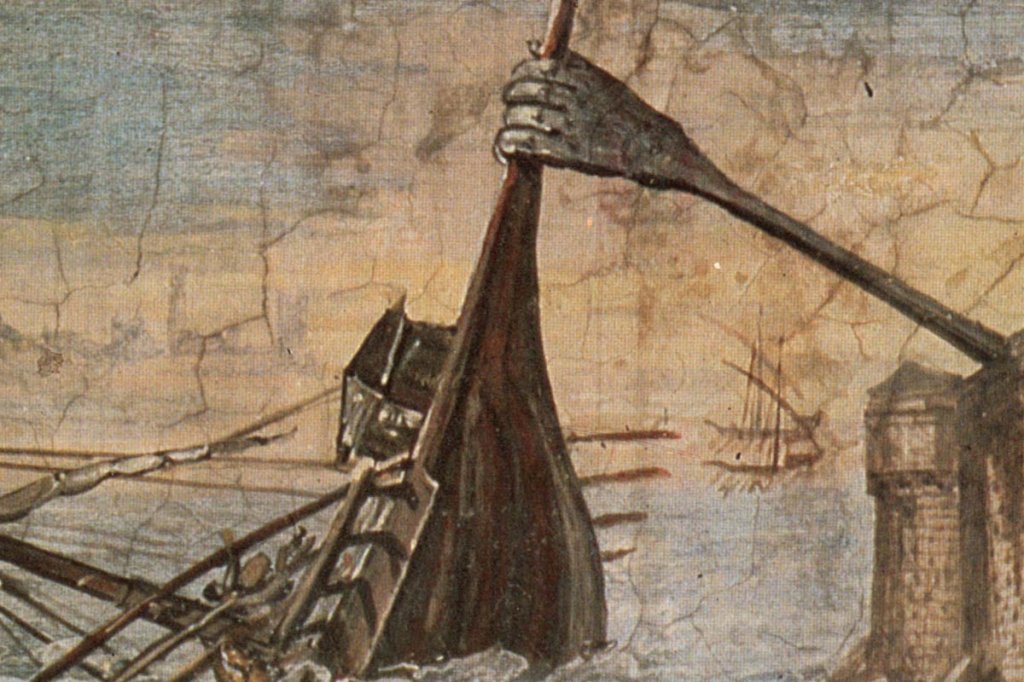
If you have ever heard of the Siege of Syracuse (214 BCE), then you’ve heard about how an inventor named Archimedes decided to turn physics into pure concentrated spite. Using cranes, pulleys, and genius bordering on pettiness, he built huge mechanical claws that reached over the city walls, snatched Roman ships, and flipped them over like pancakes.
Eyewitnesses said vessels were yanked upright before crashing back down in chaos. What were they seeing exactly? Archimedes had invented the world’s first arcade-style claw game; however, he wasn’t going after that genuine Bolex watch at Dave and Busters. Rome eventually took the city, but not before realizing the Greeks had basically developed rage-based engineering.
5. Kiss of Death: Cold War Lipstick with Lethal Intentions
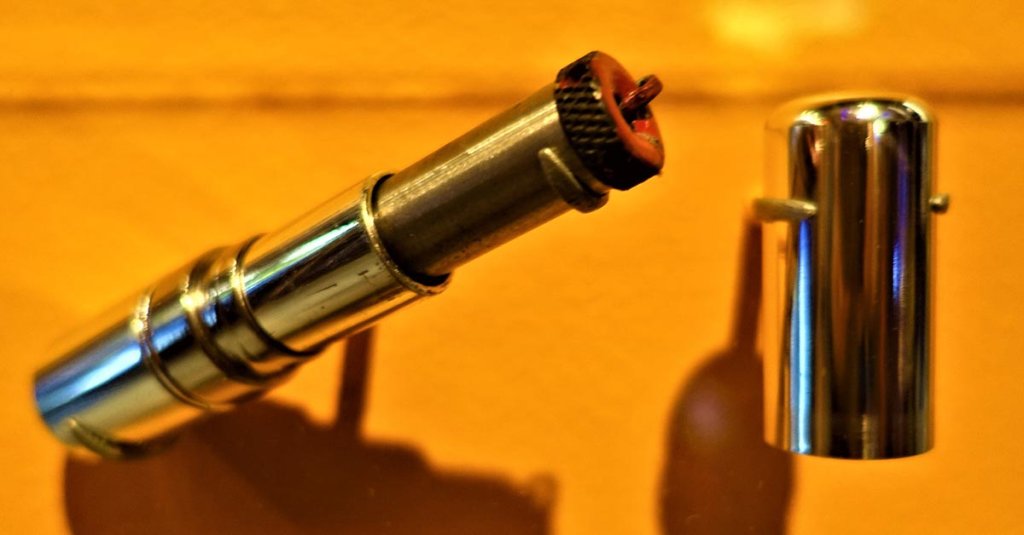
In the 1960s, KGB agents believed style mattered. Their “Kiss of Death” lipstick pistol fired a single 7.65 mm round from what looked like standard Soviet pocket litter. One moment you’re reapplying, the next you’re committing sexy international intrigue. It was ideal for covert operatives and terrible for clumsy ones. Safety lock? None. Muzzle awareness? Whatever.
Only a few examples survive in museums, where curators wisely keep them unloaded and far from the gift shops and K-pop fans. Forget CIA gadgets, this was straight-up Bond villainy. From whip-swords to wearable pistols, these creations remind us that “exotic” doesn’t always mean “effective.” Sometimes it just means someone looked at a standard weapon and said, “Hold my beer, bro.”
History’s weirdest armories prove one universal truth, though: when humanity gets bored, we will start inventing new ways to hit each other.