Russia is getting a lot of attention lately for things like hypersonic missiles and nuclear doomsday weapons, but all that is just old hat to the Pentagon. The United States has been working with doomsday weapons for years; we just never went around bragging about it.
Or blowing up our own nuclear reactors
The Cold War was a pretty good time for America, especially for defense contractors. Even though we may have thought of ourselves as trailing the Soviets with ridiculous things like “missile gaps,” but the truth was we were often further ahead than we thought. Hell, we were going to nuke the moon as a warning, but decided the PR would be better if we landed on it instead. If the Russians wanted to impress us, they could have taken a photo next to our flag up there.
Related: The CIA secretly created an undetectable ‘heart attack gun’
When it came to weapons, the U.S. had no equal. We built horrifying, terrifying, and downright unbelievable devices that were an excellent show of force at best and—at worst—absolutely batsh*t crazy. Project Pluto was one of the latter.
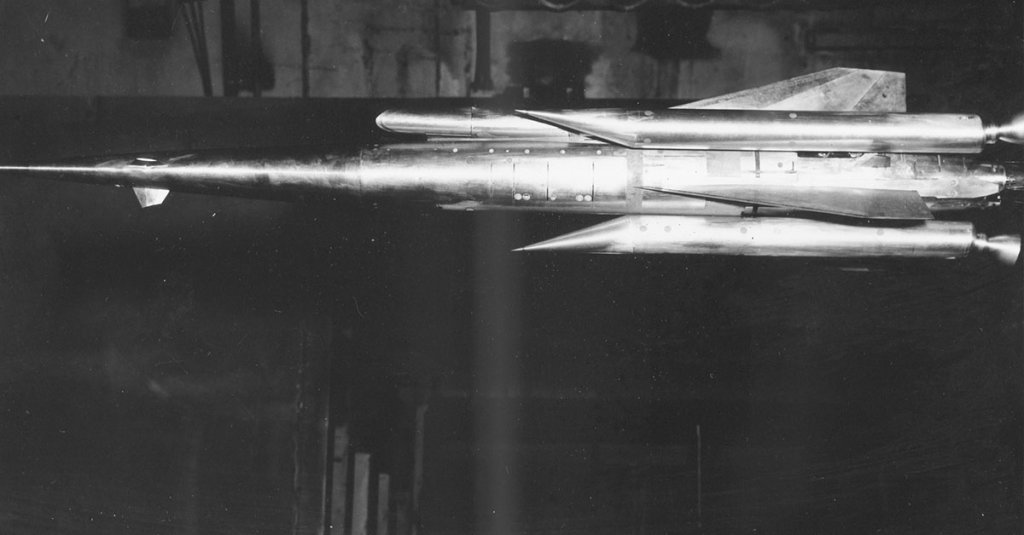
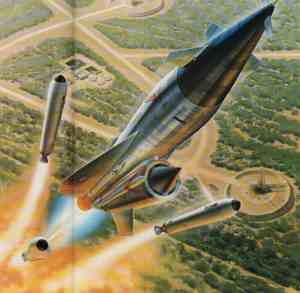
Simply put, Pluto was a cruise missile that flew at a low altitude with a nuclear payload. Sounds pretty Cold War-level simple, right? The devil is in the details. The actual acronym for the weapon was SLAM: supersonic low altitude missile. This meant a giant missile that flew around below radar, around treetop height, faster than the speed of sound, so it could penetrate enemy territory without anyone seeing it or being prepared for what came next.
Which was about 16 hydrogen bombs dropping on Russian cities. But wait, there’s more!
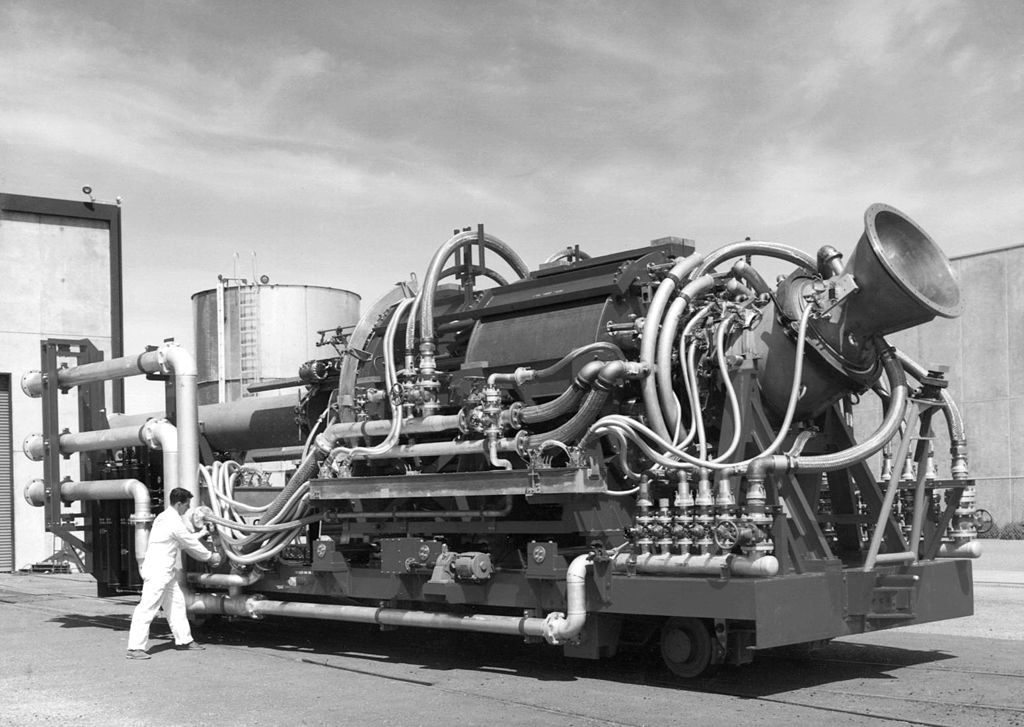
The weapon wasn’t unique because of the number of weapons it carried. Intercontinental ballistic missiles, the weapons that would eventually make SLAM jets obsolete, carried multiple warheads that could be targeted at multiple cities. No, the unique part of the SLAM jet weapon was what made it fly. The missile was designed around a single, nuclear-powered jet engine, which is sent aloft by rocket boosters but soon becomes indefinitely sustainable via the power of the nuclear jet engine’s intake.
Cool air would come into the engine’s intake and pass over a nuclear reactor, heating the air. The heated air would then expand and be shot out the back of the jet, creating thrust. This kind of engine could fly for as long as there was radioactive fuel for the reactor. It was a nuclear ramjet that could fly for weeks on end, even after nuking Russian cities.
So, the weapon could drop its payload and then keep flying at supersonic speeds forever, creating sonic booms above the treetops, murdering anyone on the ground. The fact that the engine is just an unshielded nuclear reactor meant its exhaust would spew radioactive material all over any area unlucky enough to have it pass by overhead.
A 1959 report on the use of a nuclear ramjet dismissed the idea that the radioactive material falling out of the engine would be of concern, believing the material would amount to about 100 grams. For comparison, however, scientists note that the Chernobyl disaster released a few hundred grams of radioactive iodine-131, and look what happened there.
Luckily for everyone on the planet, this project was dumped by the Atomic Energy Commission and the Air Force with the invention of ICBM technology. So the United States and the Soviet Union could kill each other more directly, rather than leave a path of destruction as they went to destroy another country en masse.