

Military spouses have long been masters of adaptation, flexibility, and adjustment on any given challenge brought to our attention, especially the ones that demand action. We adapt to deployments, navigate long separations, build support systems from scratch, and somehow keep moving forward through PCS after PCS.
Yet when it comes to employment, all the tools collected throughout the military spouse journey just seem unable to work.
Also Read: The mental health crisis of military-connected families and the system that doesn’t protect us
According to a recent three-year longitudinal study conducted by Blue Star Families and the Institute for Veterans and Military Families , military spouses continue to face employment barriers that disrupt careers, strain finances, and ultimately impact military readiness.
Its findings reveal what military spouses have known for years. The problem isn’t a lack of education, ambition, or work ethic. The problem is that most career paths weren’t designed for a life defined by constant mobility and unpredictability. In fact, mastering adaptation, flexibility, and adjustment are expected in the military lifestyle but not in the areas that the hiring force is exactly looking for in employee consistency, retention, or continuity.
The Hidden Cost of Military Life
Military spouse unemployment remains above 20%, even as military spouses have become one of the most educated populations in the country. In fact, 43% of military spouses participating in the study held advanced education credentials. Despite those qualifications, many struggled to maintain stable career paths due to repeated relocations, licensing barriers, childcare challenges, and career interruptions.
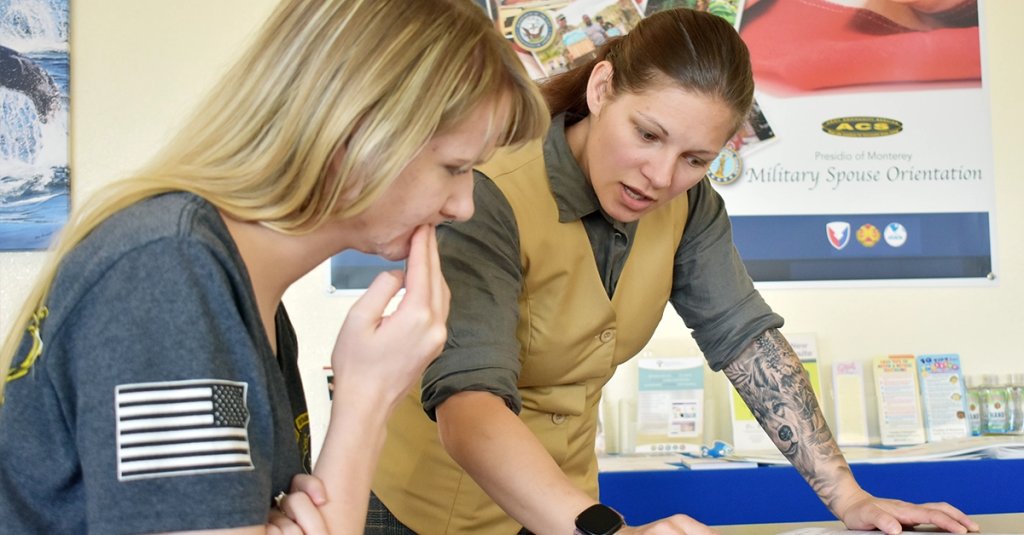
For many spouses, every PCS means starting over. It can also translate to spouses rebuilding a professional network, navigating a new licensing process, explaining employment gaps to employers, and searching for opportunities that fit around the demands of military life.
The result is a workforce filled with highly qualified professionals who are often underemployed, underpaid, or forced out of their chosen careers altogether.
Careers Built to Break
Perhaps one of the most striking findings from the report is that only 22% of participating military spouses maintained full-time employment across all three years of the study.
To put it into perspective, only about 1 in 5 spouses was able to sustain full-time employment over a relatively short period of time. Not because they lacked skills or motivation but because military life repeatedly interrupted their ability to build career momentum and trajectory.
The study also found that many spouses moved in and out of the workforce multiple times due to PCS moves, deployments, childcare challenges, and unpredictable military schedules.
BLUF: These aren’t isolated setbacks. They’re systemic barriers creating a constant cycle of career disruption that can lead to an identity crisis, risks of mental and emotional health issues, and overall health and wellness. This is not okay.
No Two Military Spouse Journeys Are Alike
Another important takeaway from the study is that military spouses experience different challenges depending on where they are in their military journey.
Researchers identified seven distinct military life stages, ranging from entry into military life and family formation to transition and retirement. Each of the seven stages presented unique employment barriers and support needs.
• A young spouse navigating their first duty station may need mentorship and professional networking opportunities.
• A spouse raising children during frequent deployments may need affordable childcare and workplace flexibility.
• A spouse approaching military retirement may need support transitioning into long-term career opportunities.
The takeaway is that there is no one-size-fits-all solution for military spouse employment.
Flexibility Isn’t a Perk; It’s a Lifeline
The report identified one factor that consistently helped military spouses remain employed: flexibility.
Flexible and remote work arrangements emerged as some of the strongest predictors of sustained employment.
For military spouses, flexibility isn’t about convenience. It’s about survival. It’s the ability to attend a last-minute school meeting when a service member is away. It’s having the freedom to manage a household, solo, during a deployment. It’s maintaining employment after a PCS instead of resigning and starting over.
Unfortunately, many traditional workplace structures still operate under assumptions that don’t reflect military family realities. Rigid schedules and location-dependent jobs often force talented spouses to leave positions they would otherwise thrive.
Childcare Challenges Drive Families Out of the Workforce
Another crucial challenge that drives decisions is the fact that childcare remains one of the largest obstacles to employment. The study identified childcare costs and unpredictable schedules as among the top reasons military spouses leave the workforce.
When childcare is unavailable, unaffordable, or unreliable, many spouses are left making impossible choices between career advancement and family care needs. These decisions don’t just affect individual households. They affect family financial security, long-term retirement savings, and overall quality of life.
Employer Opportunity
The encouraging news is that solutions exist. Employers that embrace flexibility, mentorship, remote work opportunities, and career portability are uniquely positioned to tap into an extraordinary talent pool.
Military spouses bring adaptability, leadership, problem-solving skills, and resilience developed through years of navigating uncertainty. Organizations that recognize these strengths are discovering that hiring military spouses isn’t simply the right thing to do—it’s a smart business strategy.
Navy Federal Credit Union, one of the partners supporting the research study, has made military-connected hiring a significant part of its workforce strategy. With more than 25,000 employees and over 170 branches located on or near military installations, nearly 45% of its branch employees have a direct military connection.
“The result is a workforce filled with highly qualified professionals who are often underemployed, underpaid, or forced out of their chosen careers altogether.”
More Than Employment
Military spouse employment isn’t just about jobs, it encompasses financial stability, professional identity, and retaining talented service members whose families can thrive alongside their military careers. Most importantly, it’s about recognizing that military spouses shouldn’t have to choose between supporting the mission and pursuing their own dreams.
How can we work towards a better way? Universal acknowledgement that military life will always require adaptability with workplaces possessing a growth mindset coupled with the willingness to adapt and adjust, as well. Have the hard conversations in your circles, with your leadership, colleagues, and peer groups. While there is no fast route to change, those willing to put in the work pave the path for others to follow. That’s the military spouse way.
Don’t Miss the Best of We Are The Mighty
• 7 hard truths military spouses wish they knew in the beginning
• A 4-step action plan for milspouses to reclaim their own ambitions
• A simple list of military child and family support resources for trying times



Loading comments…
Comments couldn’t be loaded. Please refresh the page.