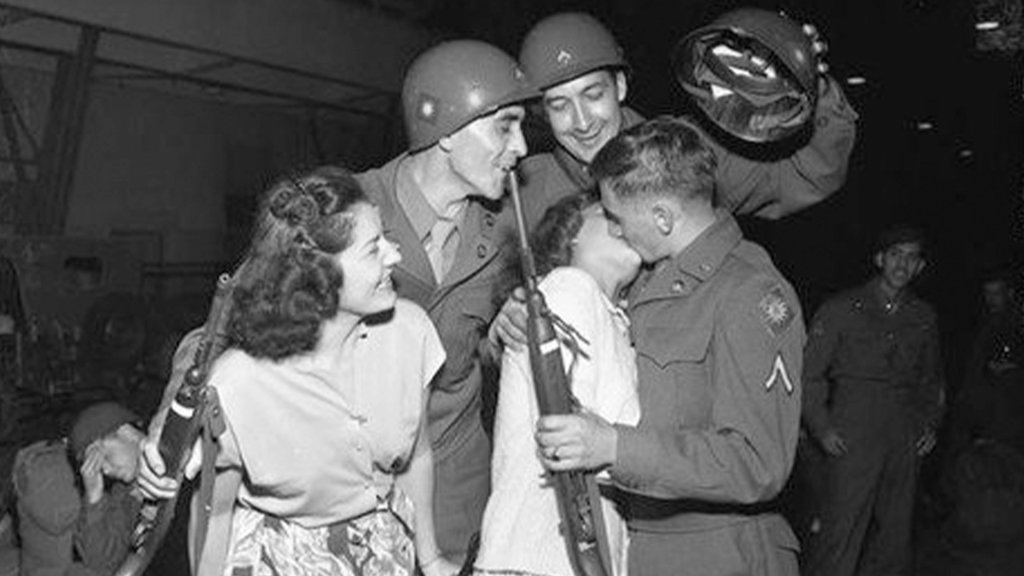
It’s almost commonplace for military members to get married young. Probably too young. But that wasn’t always the case. In fact, there were entire decades where Uncle Sam (and governments in other countries) actively discouraged his troops from getting married or having a family. These days, some of the methods the United States used would be illegal. But at the time, soldiers were highly incentivized to avoid matrimony, holy or otherwise.
Related: A junior enlisted Marine eloped with Bahrain’s Princess Meriam
This notably came to light in the decades following the Civil War, when procedures were put in place to make marriage more difficult for soldiers, rather than easier. The government couldn’t outlaw marriage among its soldiers, but it could make them want to avoid it by placing more and more difficulties.
For instance, “denying the right to separate housing,” which was a policy established in 1883. Or forcing soldiers to live in barracks, and therefore, away from their spouses. Next, the government ensured families could not travel for free with their service member. Militias regularly traveled, so it was difficult for families to remain close to their patriarch when they had to pay for their own travel expenses.
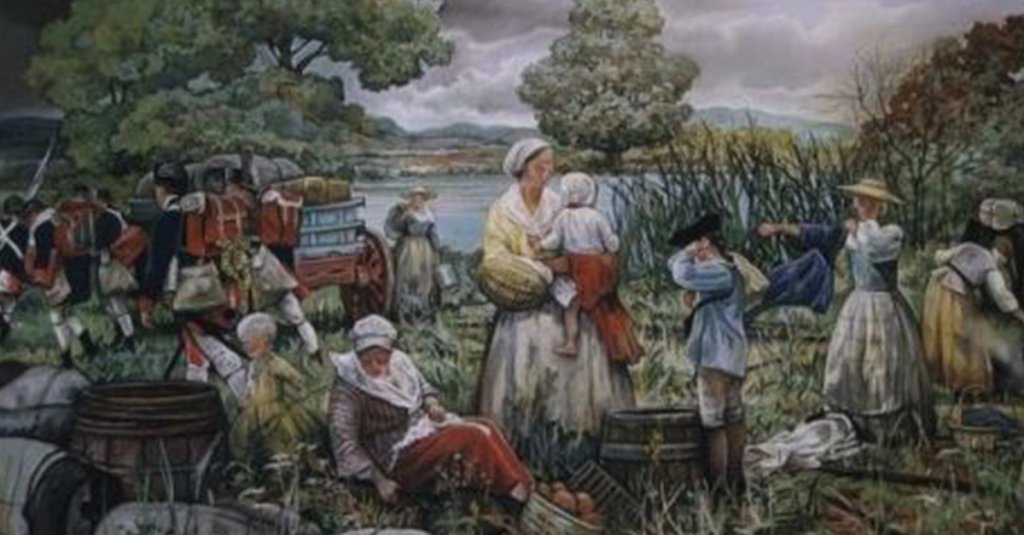
In years prior, the government had also severely limited the amount of luggage one could bring. For context, the Civil War included wives and children traveling along with armies. George Washington notably disliked the practice, as he had to intervene when unmarried women threw themselves at men while rationing food and addressing additional logistical challenges.
Finally, in 1901, Uncle Sam began explicitly discouraging the re-enlistment of married soldiers. However, camp following continued into World War I with one key difference: women could not travel overseas to live alongside their spouses. This drew a clear line in the sand, where military spouses realized they would be left behind. It brought another layer to marrying a soldier with the knowledge that one would be without their husband for months on end. If they had children, she would be raising them alone and tending to household chores without her husband’s help. It was also a gig that came with a few benefits. It wasn’t until the early 19th century that widows received their husband’s pension—and if the pension didn’t have to be paid, that too saved funds.)
A common saying developed during this time, in which soldiers would chant, “If the Army wanted you to have a wife, they would have issued you one.”
By 1925, after World War I, soldiers were allowed to marry in peacetime. However, they had to obtain written permission from their superior officer in order to do so.
How the daring rescue of 3 Army soldiers after a WWII plane crash in ‘Shangri-La’ unfolded
The Army Air Forces had to get creative to retrieve the survivors after 21 people died in the disaster.
The 13 scariest dictators the world has ever known
These ruthless rulers turned fear into policy by using purges, terror, and war to bend entire nations to their will.
Why the Union wore blue and the Confederacy gray during the Civil War
When the war broke out, some Confederate soldiers still wore Union blue. That had to change.
So why the kibosh on marriage? Like everything else, it comes down to money. Uncle Sam knew it was cheaper to enlist soldiers who did not have mouths to feed. In World War I, an American private made $30 per month ($643.66 today, while an incoming private makes just over $2,000 a month in 2025), which didn’t get them very far.
This was true on several levels, especially when camp followers—mainly women and children—ate directly from Army supplies. If they weren’t present, it was more food for the soldiers themselves. It also meant less manpower spent moving luggage and items, as women and children did little to help the workforce. It also meant less time dealing with any antics or issues that came with their presence, which gave more time for training.
All-in-all, without families in tow (or at all), the government can save money. Eventually, this trend fell by the wayside as being a military spouse meant staying at home, and Uncle Sam regulated benefits for all. However, there’s no denying that the logistics behind it likely remain true to this day.