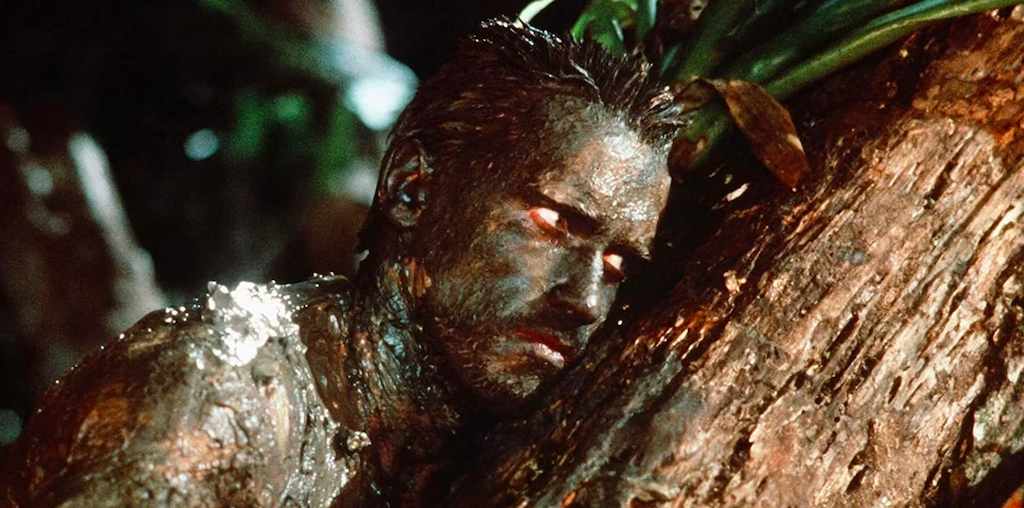
Picture it, Arnold Schwarzenegger, lathered in baby oil and mud, glowering at the jungle. The Predator alien’s vision phases into bright greens and yellows, molten oranges, and reds; always searching for that precious heat blob. Then, silence. The hunter passes over the human standing three feet away because he looks like a clay sculpture with a Planet Fitness membership.

Hiding In Mud Scene | PREDATOR (1987) Arnold Schwarzenegger, Movie CLIP HD
It’s an iconic movie moment and a staple of action-movie lore: outsmart an interplanetary trophy hunter with a handful of wet dirt and fish poop. Legendary scene. Terrible physics.
Related: Yes, World War II soldiers could throw mortar rounds like grenades
The question follows service members into field arguments and smoke area chats: could that trick ever work against modern thermal imaging? Short answer: not unless the plan includes a walk-in freezer and a prayer.
How Thermal Imaging Actually Works
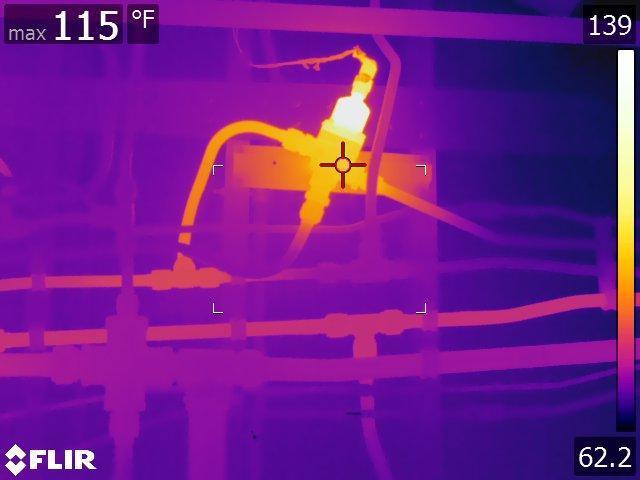
Thermal systems don’t see camouflage; they see temperature differences. Every object emits infrared radiation (IR) based on its surface temperature and material properties (emissivity). Human skin, even at rest, radiates heat like a small space heater. A thermal scope, whether handheld, weapon-mounted, or slung under a drone, maps those differences into a grayscale or false-color image. That’s why a person pops like a chemlight in darkness, smoke, or light brush: this contrast is relentless.
Mud changes the surface for a brief moment, not the physics. A thin, wet layer might feel cooler for seconds because it’s closer to ambient temperature, and evaporative cooling provides a brief respite. Then the body underneath warms the mud, the water evaporates, and the “cloak” glows like everything else. More mud, you say? Congratulations, you’ve built a heavy, conductive blanket that still conforms to your body temperature before the sensor loses interest.
Meanwhile, breathing, blinking, or slightly shifting also produces little waves of heat that betray the whole act. Night vision amplifies light; thermal doesn’t need light at all. Fusion systems combine the two, but the thermal channel is the real snitch. It doesn’t care about paint patterns or if you bathe like a pig. It only cares about heat, edges, and change.
What Troops Know About Thermal Detection
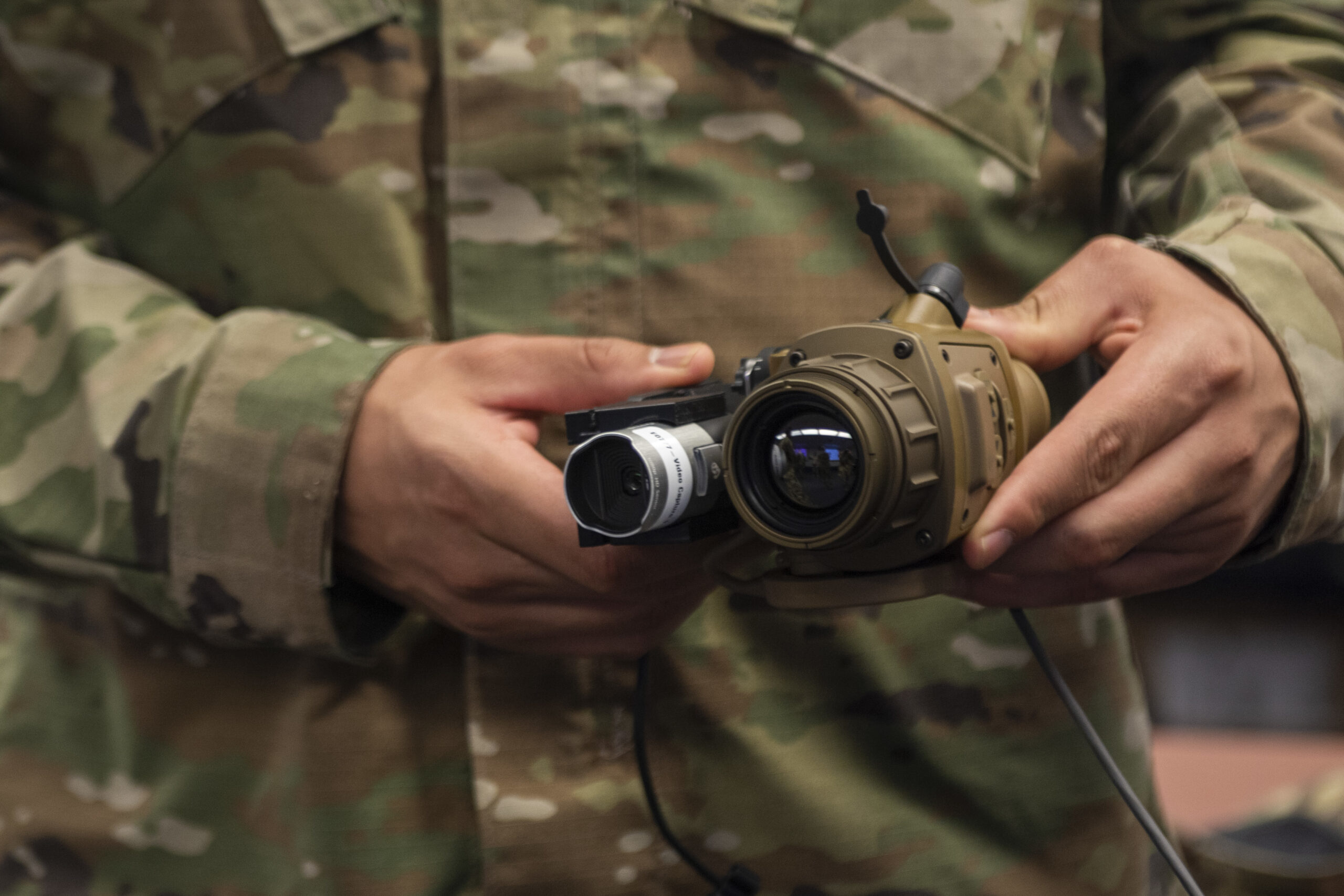
Ask anyone who’s spent real nights behind a thermal optic: people glow brightly. No matter if it’s at range, no matter if it’s in cluttered terrain, a human signature pulls the eye like a four-alarm fire. Foliage and fog can soften the picture. Distance can grain it out. But motion and contrast scream out loud. Older generations of sensors might miss a perfectly still target, emphasis on “might”, for a few beats. Contemporary scopes, stabilized pods, and cooled cores shrink that forgiveness window to almost nothing.
Environment matters. In dense jungle or humid heat, the background rises to body temperature, reducing contrast. However, sweat, respiration, and any exposed skin begin to broadcast signals. In cities, radiant heat from concrete and engines can create hot backgrounds, but people still move differently from infrastructure. Overwatch units learn this rhythm quickly: scan for silhouettes (heads, shoulders, arms), watch for natural sway and step, and remember that anything warm enough to be alive is warm enough to be seen.
Countermeasures exist for vehicles and fixed sites, of course: insulating blankets, IR-suppressant coatings, and active cooling, but they’re heavy, specialized, and designed for platforms with their own power supplies. A mud mask and breathing through your nose won’t replicate a thermal management system.
Hollywood vs. Battlefield
Hollywood’s job is to create drama and have zero shame. The audience needs an identifiable monster’s-eye view, so the “thermal” image gets stylized into funky lava lamp type shapes: bright heroes, dark backgrounds, and a color palette that makes sense from a 1970s fever dream. Authentic thermal imagery is grainier, subtler, and much less forgiving. Directors also bend time. In the film, mud is an instant invisibility cloak; in reality, the clock starts the second it hits warm skin. Imagine if Harry Potter slung his invisibility cloak over himself, but it started glowing like the sun as soon as it enveloped him.
Cloaking, plasma bolts, and movie mud aside, Predator did what good sci-fi does: made a cool idea memorable. But memorable isn’t operational. Story logic favors tension and near-misses; sensor logic favors physics and mathematical probabilities. Simply put, on-screen, the mud trick works because the director wants it to.
What Does Reduce Your Thermal Signature?
Not mud….end of story. But! Smart fieldcraft can make detection harder, if not impossible, to the casual scan. Break up the shape: the human outline is a narc, it’ll betray you, and then steal from your parents. Put barriers between body heat and line of sight: earth berms, thick walls, deep shade with mass behind it. Create confusing backgrounds that compete with your temperature. Control movement like it costs rent money. Time when you expose yourself (NO!), so any view is brief and indirect. None of this renders a person invisible; it makes the sensor operator work harder and longer. That’s the real game here: don’t fight physics, try to force errors, dilute attention, and outlast the scan.

Predator in Under 3 Minutes | Hurry Up and Watch
The mud myth is movie magic, not fieldcraft. Thermal optics follow heat, and human bodies provide it generously. A thin layer of dirt buys seconds; stillness buys a little more; neither buys survival against a competent sensor operator. Unless the camouflage comes with refrigeration, insulation, and an airtight plan for breathing without thermal bloom, a person still shines like a generator in a blackout. Great scene. Terrible tactics.
Predator belongs in the hall of fame for action cinema. The mud moment belongs in the museum of tactical myths, right next to actually silenced revolvers and “shooting locks off” with one round. On a battlefield full of sensors, a human body is a walking heat source. Even a full spa day mudbath, with mani-pedi finisher, won’t help you. The only reliable way to hide from modern thermal is to stop being an easy target, which is to say, get behind mass, manage exposures, and accept that physics, not movie mythology, always sets the rules.