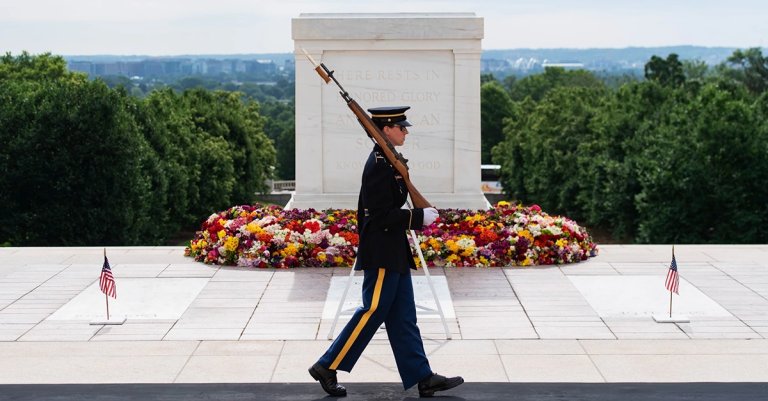
Note that when writing Veterans Day, there is no apostrophe. It’s not a day that belongs to veterans, it’s a day for the country to recognize veterans—all of them.
The United States has a tradition of recognizing those who fight in its wars. Memorial Day began as a way for Union soldiers who fought in the Civil War to decorate the graves of their fallen comrades (Memorial Day was originally called Decoration Day). Eventually, it would come to recognize all American troops killed in action. Veterans Day was born from the trenches of World War I. The horrors of that war spurred not just Americans but most combatants to recognize those who fought in that terrible conflict.
Read Next: This Japanese fusion dish exists only because of the US military
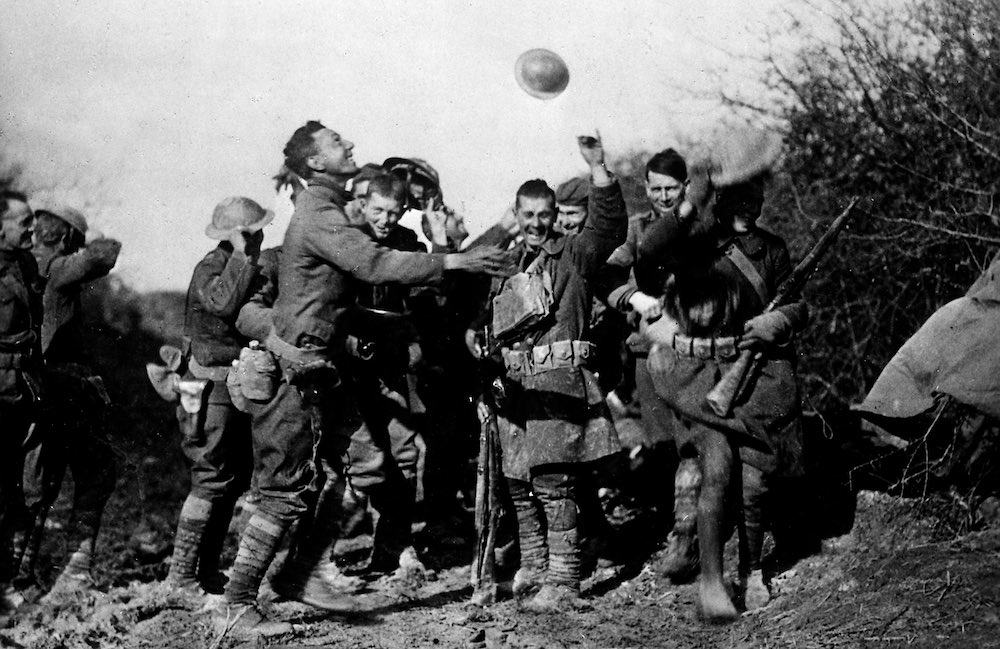
In the United States, the anniversary of the war’s end became known as Armistice Day. After the brutal fighting of World War II and the Korean War, a day to remember only the First World War, while admirable, just didn’t seem like enough. It wasn’t long before Armistice Day became Veterans Day.
The United States certainly isn’t the only country to experience the devastation that war can inflict on its population (especially on those who fight it). A few other countries similarly take a day to recognize the significance of those who served.
1. Australia and New Zealand
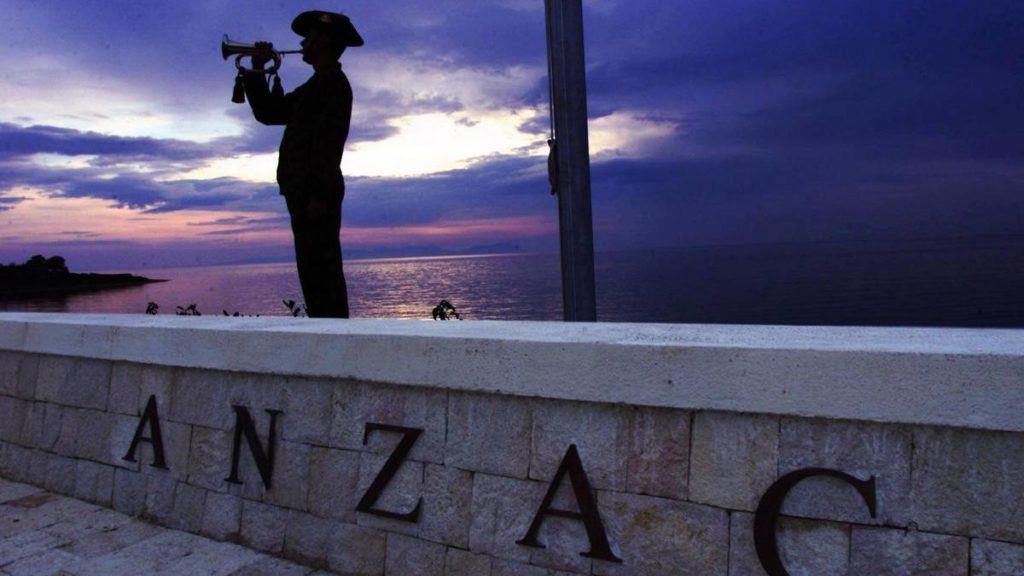
The land down under celebrates its veterans on what is known as ANZAC Day, on April 25. The day marks the anniversary of the first major military action from the Australian and New Zealand Army Corps during World War I. This occurred during the Battle of Gallipoli against the Ottoman Turks. The first ANZAC Day was celebrated in 1926 and was later expanded to include the World War II veterans.
2. Belgium
Since 1928, Belgium has recognized its fallen on Armistice Day with the “Last Post” ceremony. A bugler sounds the “Last Post,” marking the end of the day (a British song, similar in effect to the modern U.S. Army’s “Retreat”). Poppies are spread out from the tops of the Menin Gate in Ypres, Belgium.

RBL2012 – The Last Post – 720p HD
3. France
The French also observe Armistice Day on Nov. 11. The country holds military parades, and French people traditionally wear black or dark clothing.
4. Denmark
Because Denmark was officially a neutral country during World War I, it doesn’t share the Nov. 11 remembrance day with other Western European countries. Instead, Denmark honors living and dead troops from any conflict on its Flag Day, Sept. 5.
5. Germany
Volkstrauertag is a day honoring the nation’s war dead on the Sunday closest to Nov. 16. The German president speaks to the assembled government. Then the national anthem is played just before “Ich hatt’ einen Kameraden” (“I had a comrade”).
6. Israel
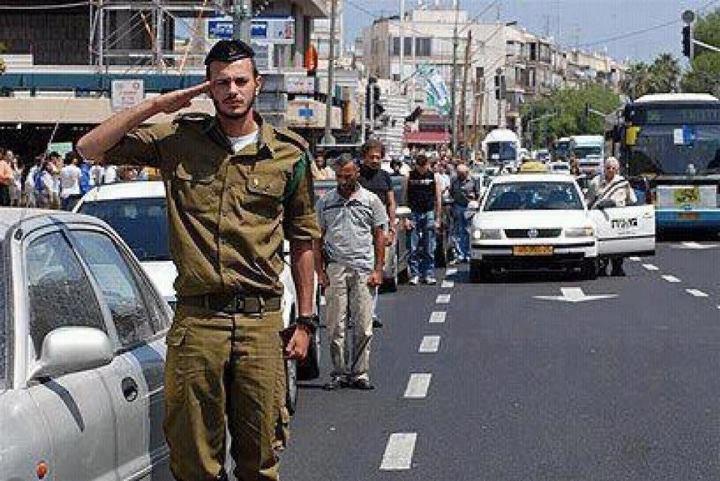
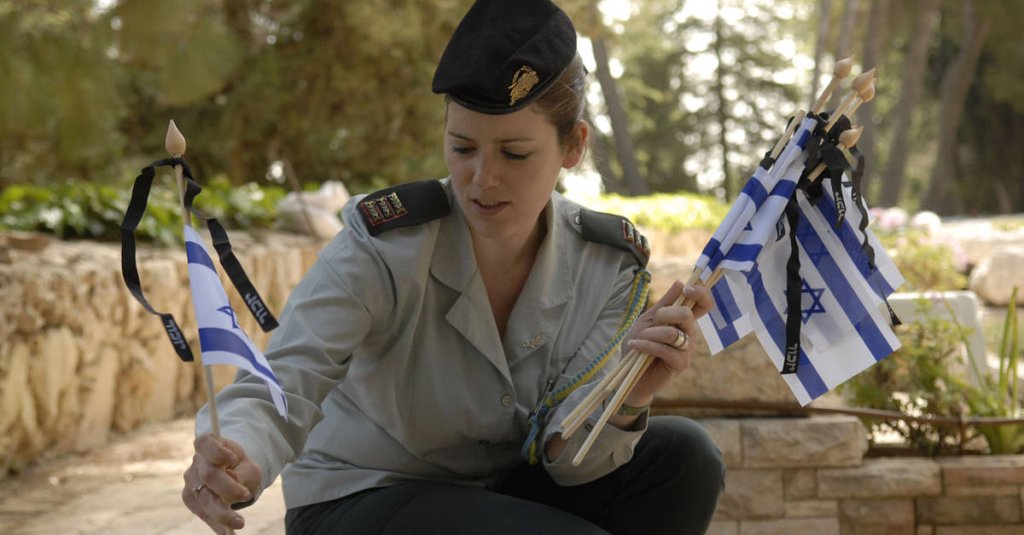
Since 1963, Yom Hazikaron, or “Day of the Memory,” has been Israel’s day for celebrating its fallen troops and for those who died in terrorist attacks and politically-motivated violence. It’s traditionally held on the 5th of Ivar (on the Hebrew calendar) but will be held in the preceding days to avoid falling on Shabbat.
7. Italy
Italy also celebrates its veterans with the marking of the end of World War I. Since Italy spent the bulk of the war fighting the Austro-Hungarian Empire and peace on the Italian Front was separate from the rest of the Western Front, the end of the war—and Italy’s veterans—are celebrated on Nov. 4.
8. The Netherlands
Veteranendag, recognizing everyone who served in the country’s military, is held on the last Saturday in June. The celebration has gained importance since the country began deploying to Afghanistan. Celebrations include a ceremony in front of the King of the Netherlands in the Hall of Knights, a parade in The Hague, and a meeting between veterans and civilians at the Malieveld, a National Mall-type area in The Hague.
9. Nigeria
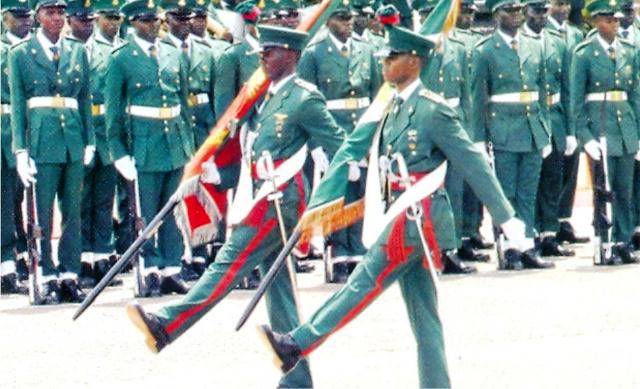
As a member of the Commonwealth, Nigeria originally shared Nov. 11 as Remembrance Day but changed it to January 15 to commemorate the end of the Nigerian Civil War in 1970.
10. Norway
Veterandagen is celebrated every May 8, coinciding with the World War II Victory in Europe Day. Norway’s observation of the day is recent, as they’ve only been celebrating it since 2011.
11. Sweden
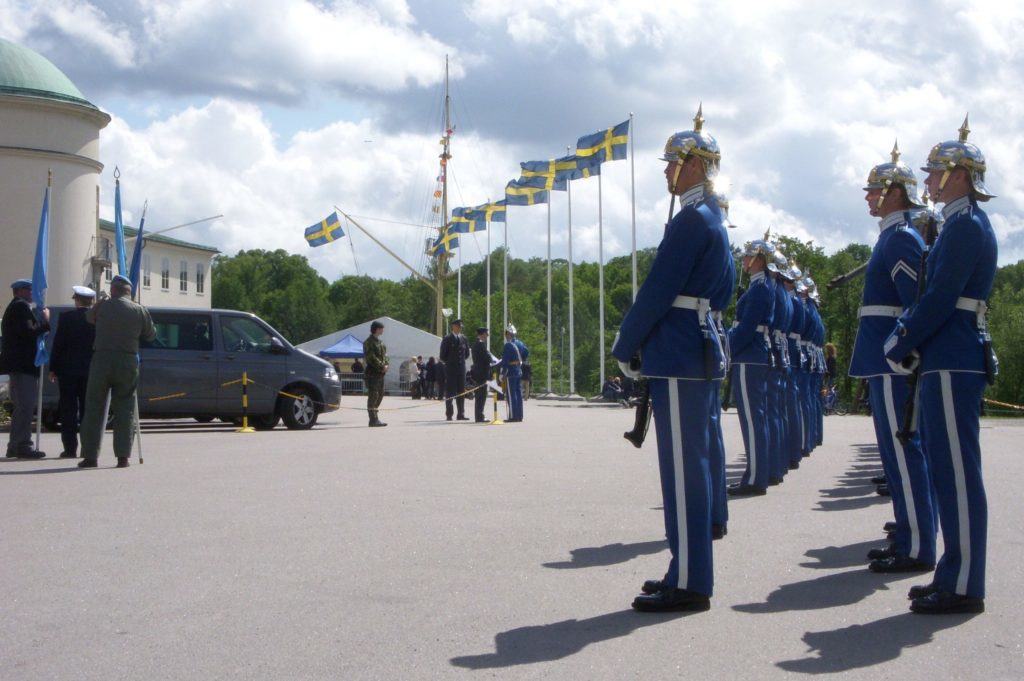
The Swedes celebrate their veterans and those who served as United Nations Peacekeepers every May 29 with a large ceremony in Stockholm, attended by the Swedish Royal Family.
12. The United Kingdom and the Commonwealth
Those watching the news or sporting events on the BBC or CBC may have noticed a red, flower-looking device on the lapels of the announcers. Those are poppies worn for Remembrance Sunday. For the month or so leading up to Nov. 11, Great Britain and Commonwealth countries wear poppies to remember those who died in war, having become a symbol of World War I remembrance because of the poem “In Flanders Fields” by John McCrae.
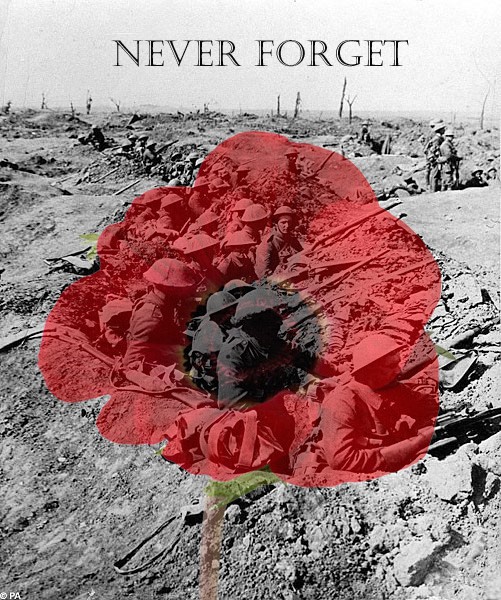
There are actually rules on how to wear a poppy on Remembrance Day. Britain and the Commonwealth observe two minutes of silence at 11 a.m. every Nov. 11 to commemorate the signing of the armistice that ended World War I.