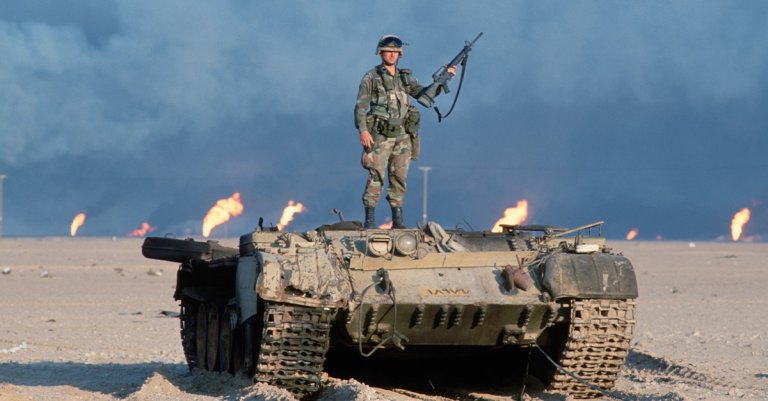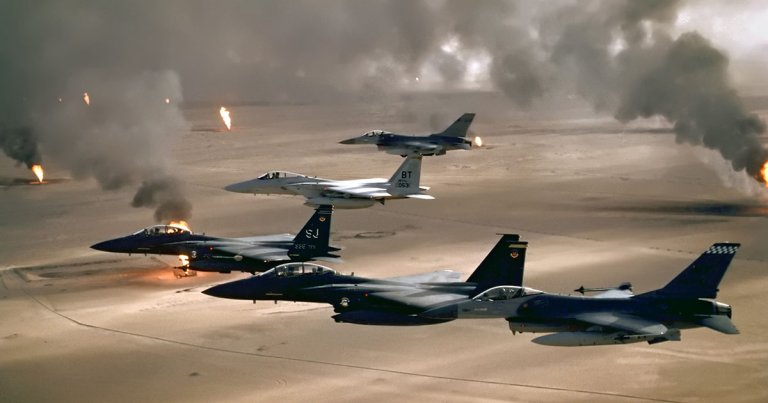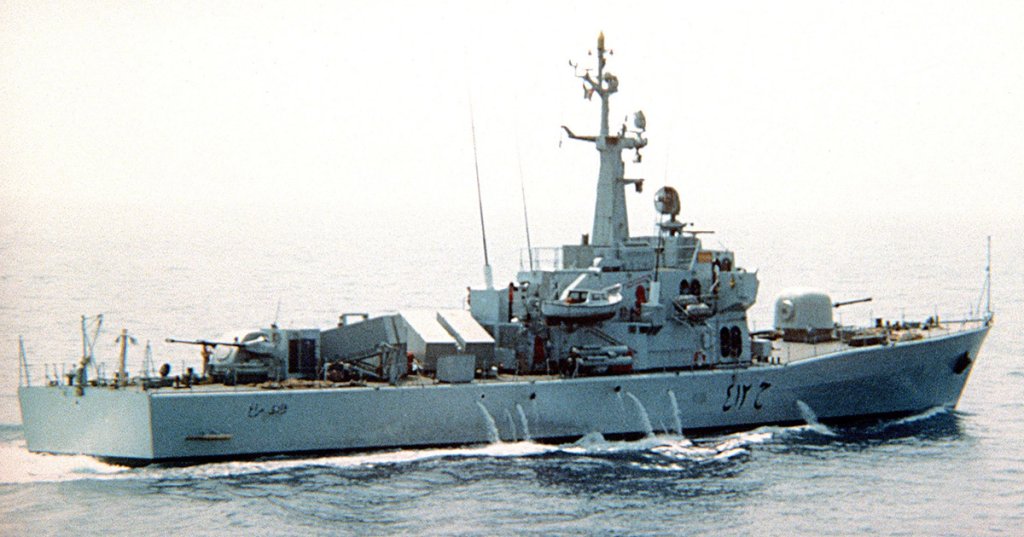
In the opening days of 1991’s Operation Desert Storm, ships and aircraft from the United States, Great Britain, and Canada intercepted the Iraqi Navy as it tried to flee into Iran. The resulting battle in the waters between the Shatt al-Arab waterway and Bubiyan Island was one of the most lopsided naval engagements in history, and the Iraqi Navy essentially ceased to exist.
Operation Desert Storm kicked off in earnest on Jan. 17, 1991, as Saddam Hussein’s Iraqi forces refused to leave Kuwait, the neighbor it had invaded just a few months earlier. When the deadline to leave passed, Coalition forces took action. One of those actions involved the massive naval force in the Persian Gulf that the allies had spent months building up.
In the face of this overwhelming opposition, Iraq’s Navy decided to follow the example of Iraq’s Air Force. They would immediately gear up, head out, and attempt to escape to Iran and away from certain death. Unlike the Air Force, the Navy never quite made it.

Coalition naval forces were actually the first to respond to Iraqi aggression. A joint American-Kuwaiti task force captured Iraqi oil platforms, took prisoners on outlying Iraqi islands, and intercepted an Iraqi attempt to reinforce its amphibious invasion of the Saudi Arabian city of Khafji. Their reinforcements never arrived because the Coalition annihilated the ships they were riding on.
Any remaining Iraqi Navy vessels that weren’t on fire tried to escape to Iranian territorial waters in a mad dash not to die a fiery, terrible death. They were counting on the idea that small, fast, and highly maneuverable missile craft could make littoral waters too dangerous for heavy oceangoing ships.
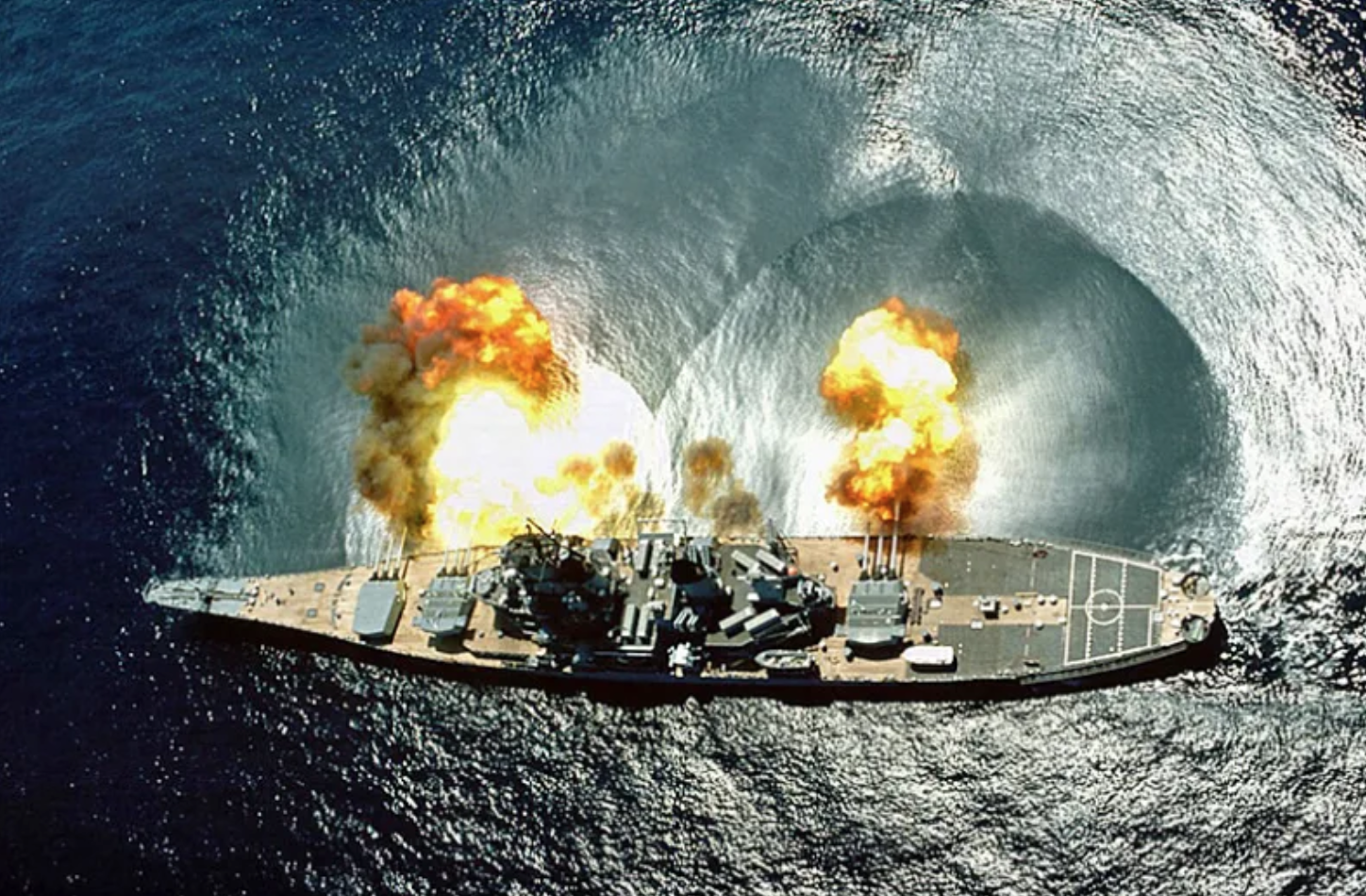
In the end, upwards of 140 Iraqi ships were either destroyed by Coalition forces or fell into the hands of the Iranian Navy. American and British ships, along with British Lynx helicopters and Canadian CF-18 Hornets, made short work of the aging flotilla in what became known as the “Bubiyan Turkey Shoot.”
The only shot Iraq’s navy was able to fire in return was a Silkworm missile battery, from a land-based launcher, at the American battleship USS Missouri. The missile was destroyed by a Sea Dart missile from the UK’s HMS Gloucester, rendering it as effective as the rest of Iraq’s Navy.