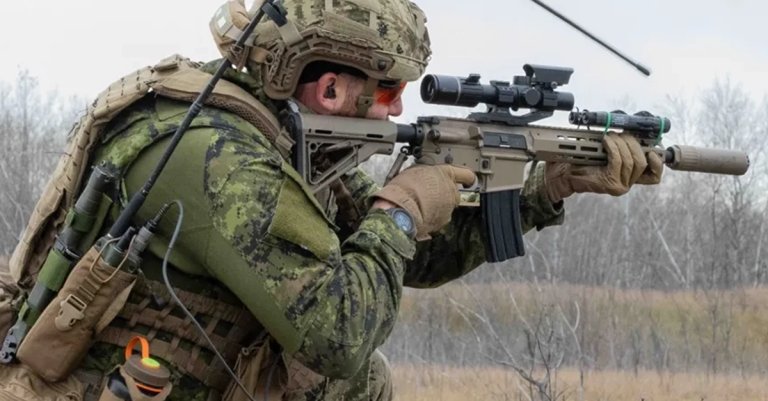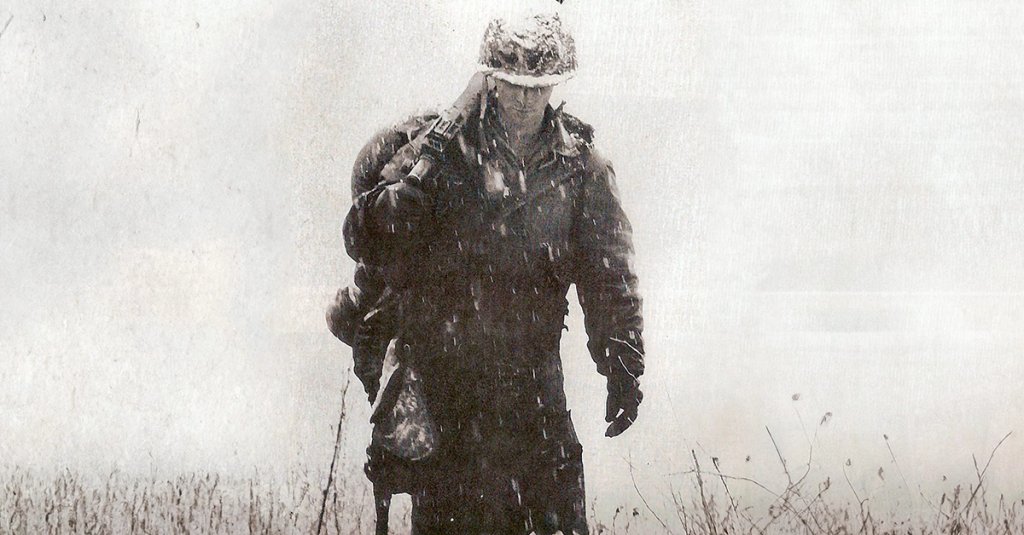
If you ask a civilian to imagine war, they almost always picture the noise. They imagine the deafening crack of outgoing artillery, the scream of low-flying jets, or the chaotic exhilaration of small-arms fire. It is a sensory overload designed for the cinema, an almost-symphony of violence where the danger is loud, visible, and unnervingly human.
But if you ask a veteran about their worst day in the field, there is a good chance the memory is less about the combat and more about the environment.
Read Next: The bittersweet story behind the Christmas Truce of 1914
To the service members stationed in Alaska, it is the memory of a cold so profound, it feels like a physical presence pressing down on your chest, restricting the ability to inhale fully. For those who served in Fort Drum, N.Y., it is the silence of a landscape where the wind chill has dropped to 30 degrees below zero, and the only sound is the crunch of boots on hard-packed snow and of your own chattering teeth.
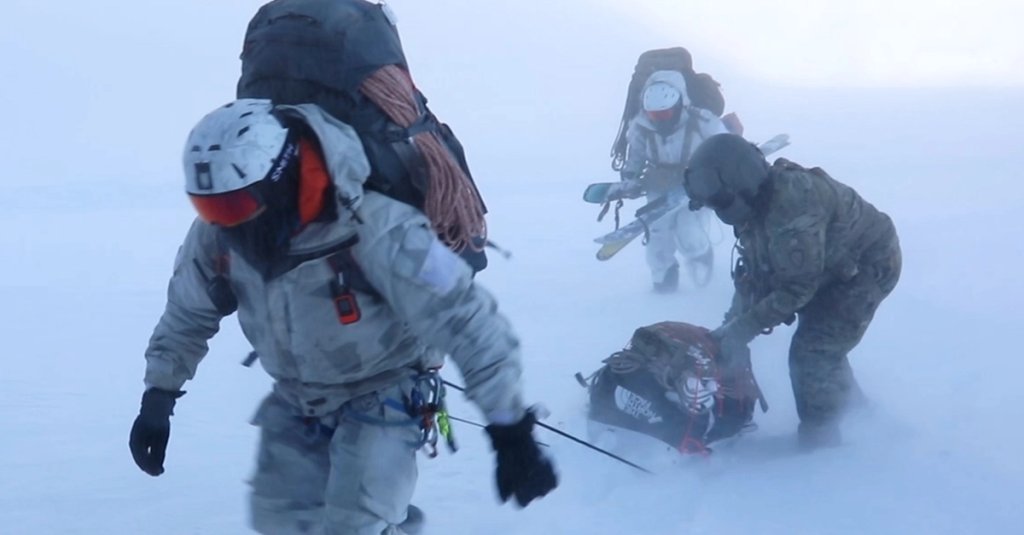
In that environment, the adrenaline that usually sharpens your senses dulls them. You stop worrying about the enemy flanking your position, the mission itself, or the geopolitics that put you there. Your entire universe becomes a single desire: to stop shivering so damn hard.
For those who don’t know, the weather is just something to be looked up in the morning before you venture out of your comfy home. For those who do, it is an active combatant. And unlike the enemy, it never has to play defense.
The Invisible Third Army
In any conflict zone north of the 45th parallel, there are always three armies on the field. There is your unit, there is the enemy, and then there is the Cold.
The first two are subject to human fallibility. The enemy might miss a shot, their supply lines could crumble, and their morale might collapse like a newborn deer. The Cold does not care about morale. It doesn’t need sleep, it does not negotiate, and it has a 100% hit rate against anyone foolish enough to underestimate it.
We spend billions training to fight men with rifles. We drill close-quarters battle (CQB) until we can clear a room in our sleep. Yet we often forget that winter has defeated more superpowers than any coalition in history. It broke Napoleon’s Grande Armée, leaving them as frozen statues on the retreat from Moscow. It stopped the Wehrmacht dead in its tracks when oil froze inside their tank engines. And in 1950, it nearly destroyed the United Nations forces in Korea.
We treat the Cold as an inconvenience, something to be controlled with an extra pair of socks and bulkier boots. History suggests it is actually the primary threat. The enemy can surrender. The elements cannot.
The Misery
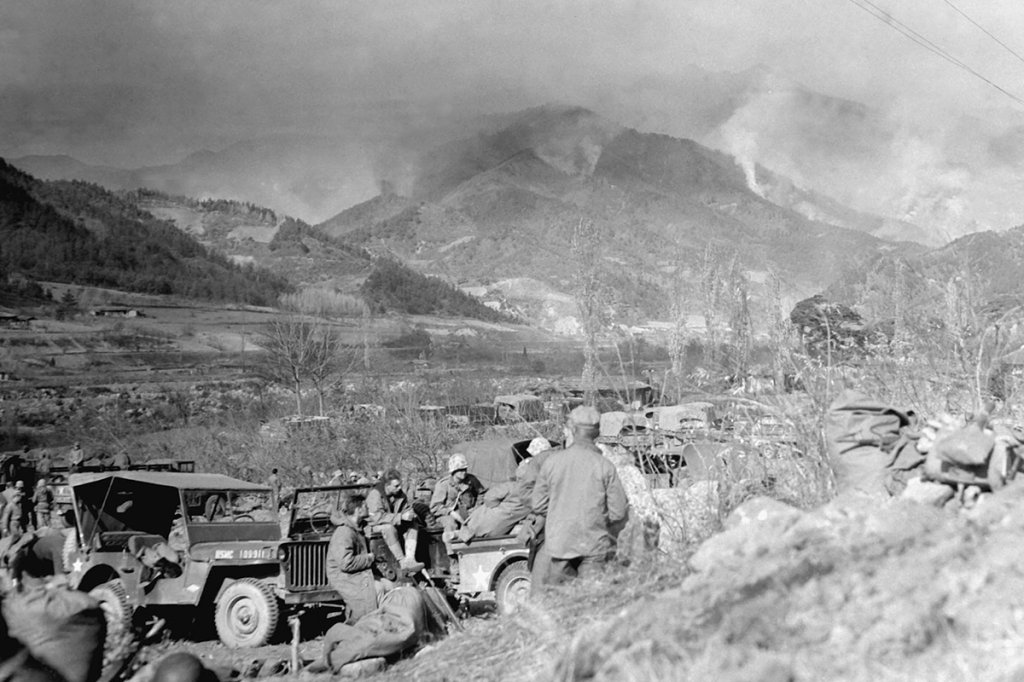
To understand the actual danger of winter warfare, you have to look at the “Frozen Chosin.” The Battle of Chosin Reservoir in 1950 is often taught in leadership courses as a masterclass in Marine Corps grit, attacking in a different direction, and all that. But if you dig into the lore, looking closely at the casualty reports, it is a horror story.
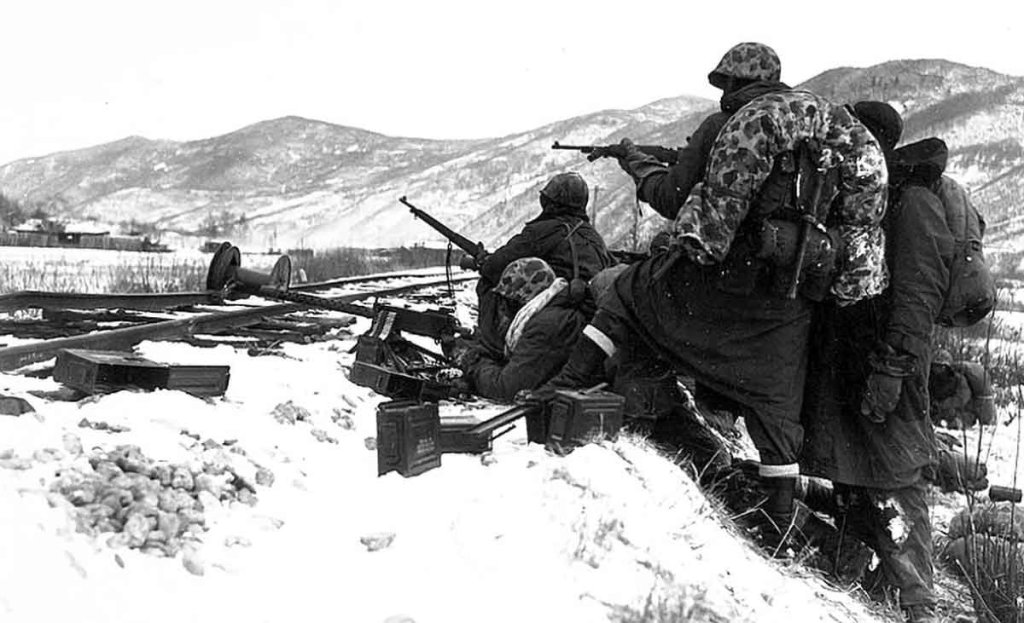
During that brutal campaign, temperatures plummeted to -35°F. At that temperature, the theory of war changes in ways that manuals rarely take into account. Lubricating oil on the M1 Garands turned into a glue-like paste, causing weapons to jam in the heat of a firefight. If a soldier touched bare metal with an ungloved hand, skin tore off instantly, leaving raw wounds that wouldn’t bleed because the capillaries were frozen shut.
The medical reality was even worse. Plasma froze in its tubes before it could reach the wounded. Morphine syrettes had to be kept inside a corpsman’s mouth just to keep them liquid enough to inject.
While exact numbers vary due to the nature of sourcing over time, estimates suggest that for every Marine killed by a Chinese bullet or grenade, almost two were taken out by the cold. We aren’t talking about being pretty chilly, either. We are talking about thousands of men with frostbite, trench foot, and exposure that rendered ranks ineffective or unable to continue.
However, Chinese forces fared even worse despite outnumbering the Marines by approximately 120,000 to 30,000. Lacking proper winter gear and often wearing canvas shoes, thousands of their soldiers didn’t just get frostbite; they actually froze to death in their fighting positions, weapons still in hand, waiting for an ambush order that they would never hear. The Cold didn’t care about their numerical superiority.
The Dark
And by the way, we are far more vulnerable today than the “Old Breed” was in 1950.
The Marines at Chosin relied on mechanical gear. A frozen bolt can be kicked open; a frozen trigger group can be peed on (a gross but historically accurate field expedient). The modern warfighter, however, is a walking battery pack.
We rely on technology. We have optics, night-vision goggles, drones, ATAK devices, and secure comms, all powered by lithium-ion batteries. And here is the rub: Lithium-ion chemistry doesn’t mix well with the Cold.
When the temps drop to -20°F, the chemical reaction happening inside that battery slows to a drip. The result isn’t just a slightly shorter battery life; it is the beginning of the end of the system.
That drone you use for recon doesn’t just lose a few minutes of flight time; it’ll refuse to take off because the voltage drops immediately under load. You can expect your radio time to be cut in half. Your GPS display becomes sluggish, ghosting images until the LCD either shatters or you get the black screen of death.
In a modern conflict in the coldest environments, a high-tech unit instantly becomes a low-tech unit, but with one major disadvantage: They are carrying 80 pounds of dead weight. If you are reliant on a tablet to call for fire, and that tablet is a brick, you are no longer “high speed.” You are just a target with expensive garbage harnessed to your chest.
Russia and China understand this; they have no choice. They build icebreakers and low-tech backups. We build “arctic strategies” that rely on supply chains that might collapse like a newborn giraffe when the diesel jells in the fuel lines.
The Body’s Betrayal
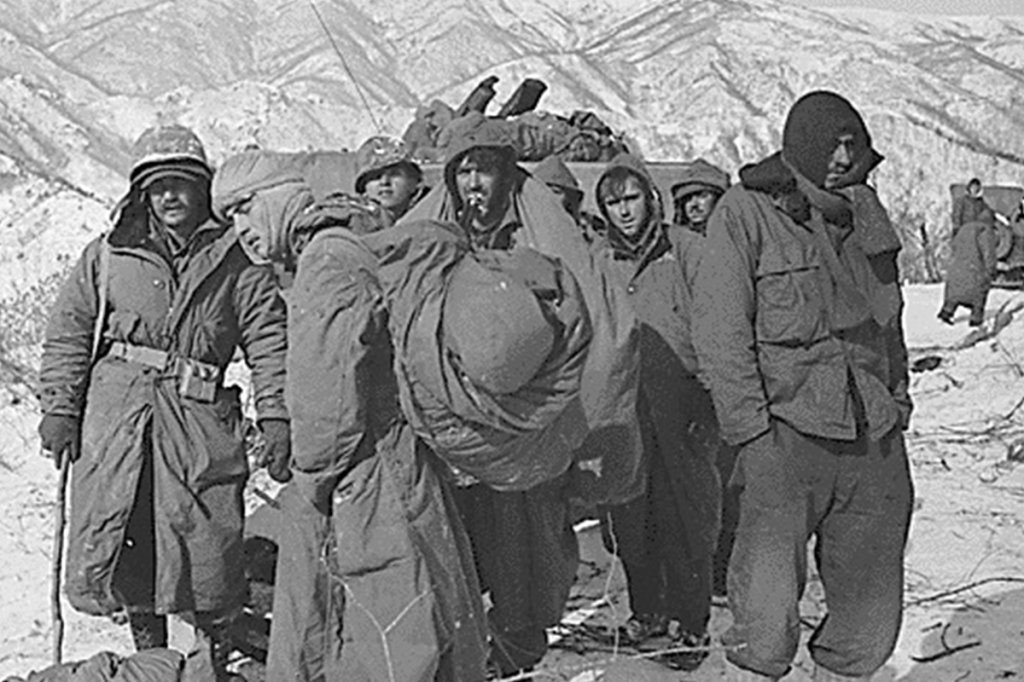
Even if your gear miraculously works, your body will betray you.
When you get cold, your body enters survival mode. It pulls warm, oxygenated blood from your extremities to protect your heart, lungs, and brain. This keeps you alive, but it turns your hands into useless claws.
Try reloading a magazine with thick winter gloves on. Now try it with numb fingers while shaking uncontrollably. Fine motor skills, such as the ability to manipulate a trigger, clear a jam, or tie your boots, are the first things to vanish. You’ll fumble around, dropping ammo; you’ll feel like you do when you have a dream and try to run fast. In a firefight, where split seconds dictate survival, that clumsiness is a death sentence.
Then your brain betrays you. As mild hypothermia sets in, blood flow to the brain restricts. You stop thinking tactically. Soldiers in this state often stop seeking cover; they can be expected to cease maintaining their sectors of fire. Being this uncomfortable becomes so all-consuming that the brain prioritizes “stop shivering” over “don’t get shot.” Commanders will make slower decisions, and grunts will start falling asleep in the snow as they embrace the false warmth right before the end comes.
If “force multipliers” in the military, tech, or tactics allow a small unit do the work of a large one, the cold can be thought of as a “force divider.” It cuts your combat effectiveness in half the moment the sun goes down.
Looking toward potential conflicts in the colder areas of the world, the “winner” won’t necessarily be the side with the most advanced drones or futuristic rifles. It will be the side that has the discipline to keep their socks dry, their batteries warm, and their will to continue intact when the wind chill hits 50 below.
The enemy might miss. The Cold never does.