Transitioning out of the military is the most anxiety-inducing land nav course you will ever attempt. You go from having a clear mission and a chain of command to being a thirty-year-old freshman surrounded by teenagers whose idea of stress is a misplaced iPad charger.
You have the GI Bill, which solves the financial problem, but money cannot buy you peace of mind, and it certainly cannot buy you the sense that you belong.
Related: Everything there is to know about military pay and veteran benefits for 2026
The statistics are pretty brutal, too, no sugarcoating. Student veterans often drop out or “under-match,” attending schools well below their ability because they didn’t know how to navigate the system…or had panic attacks and bounced. You wouldn’t set off out of the wire (leaving base) without intel, water, a map, and a radio, yet thousands of veterans walk onto campuses every year with nothing but a DD-214 and some Tums.
Fortunately, you do not have to do this alone. We’ve been at this for a long time; there is an entire ecosystem of non-profit organizations designed to support you through every step of your return. These aren’t charities serving fresh, hot handouts; they are incredible assets waiting to be utilized.
For some, this will be the first step in a fascinating journey; to you all, we wish nothing but the best. Here are five organizations that will ensure you not only fit seamlessly into college but also dominate your studies.
Warrior-Scholar Project: Academic Basic Training

What is Warrior-Scholar Project?
Your brain is a muscle, and if you have spent the last four years doing nothing but PMCSs and/or 24-hour duty, that muscle has probably atrophied. You might be proficient with a 249 SAW, but you are going to be academically sloppy.
Walking into a rigorous university classroom without preparation is like trying to run a marathon after smoking two packs of cigarettes; you are going to get winded, and you might embarrass yourself, as well as everyone you’ve ever known.
The Warrior-Scholar Project (WSP) is your solution to potential disaster. Think of this as the pre-deployment spin-up for your mind. They run intensive, one- to two-week academic boot camps at the crem de la crem of universities such as Harvard, Yale, and Princeton. They take enlisted veterans and put them through a sort of “hell week” of analytical reading, writing, and even STEM courses.
The goal here isn’t just to teach you how to use a semicolon correctly; it’s to shatter the imposter syndrome that instantly sweeps over you before you sit in your first class. You’ll walk through those ivy-covered halls, you’ll do the work current students do, and you will realize that the same work ethic that got you through the field will get you through school.
By the time you finish WSP, you won’t just think you can be accepted to a top school; you will know you can outwork everyone there from the jump.
The Posse Foundation: Building Your Fire Team
This is the biggest barrier to veteran success in higher education. Difficulty of calculus homework won’t scare you away. It is isolation. In the military, you did everything as a team. You ate, laughed, and suffered together.
In college, you are often going at it solo, drifting through a sea of students who think a 9:00 AM class is a human rights violation. This isolation usually leads to thoughts of dropping out.
The Posse Foundation addresses this by operating on a simple premise: you should never go into a fight alone. Started back in 2012, the Veterans Posse program identifies leaders, then sends them to partner colleges in teams, or “posses.”
This provides you with an instant support network of peers who speak your language. When you are struggling with a paper or dealing with life, you have your people to fall back on. It creates an ecosystem of excellence. If you start slacking, your Posse is there to square you away.
Sentinels of Freedom: Providing Overwatch
For some veterans, the transition involves more than just culture shock. If you are carrying severe physical wounds, the standard GI Bill stipend often isn’t enough to cover the hidden costs of recovering and living. Navigating the VA medical system while trying to maintain a 3.5 GPA is a nightmare that breaks even the toughest individuals.
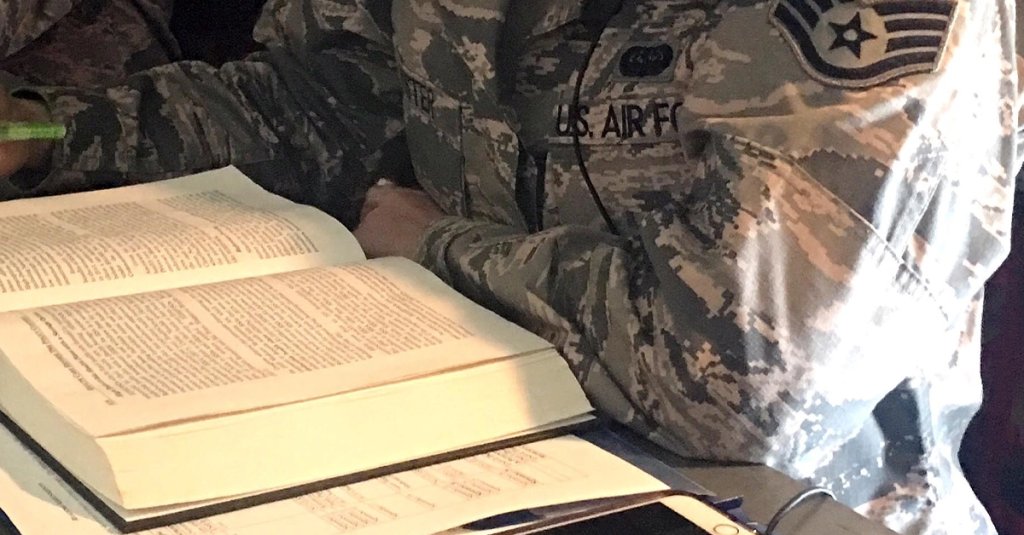
Sentinels of Freedom is a safety net to some, a blessing to others; one that provides overwatch for the severely wounded. They recognize that a disability rating doesn’t capture the full scope of your reality. They provide comprehensive support that goes beyond tuition. We are talking about housing subsidies, financial planning, and career mentoring designed specifically for those with severe injuries.
They act as your personal Quick Reaction Force. If a medical issue threatens to derail your semester, they step in to reduce the strain so you can focus on the mission. They ensure that your injury does not dictate your future.
Pat Tillman Foundation: Special Forces Selection
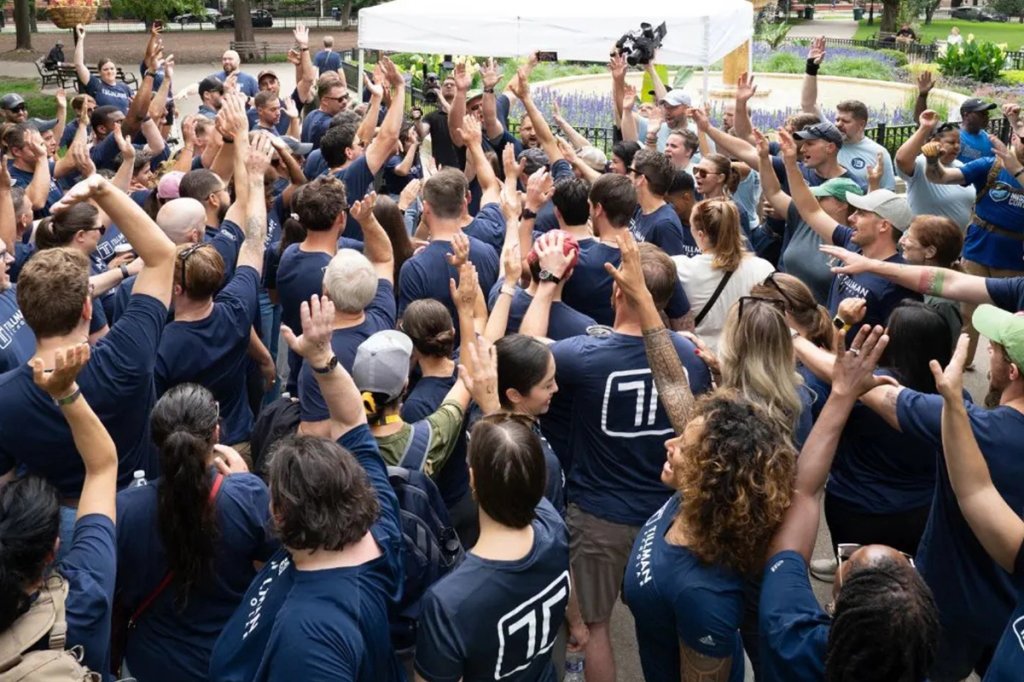
Now, if you are looking for the “average” college experience, keep scrolling. The Pat Tillman Foundation is not for those who just want a degree to hang on the wall. This is the Special Forces selection of the scholarship world. It is reserved for high-octane achievers who wish to continue their service in a different capacity, whether in medicine, law, business, or policy.
Being named a Tillman Scholar carries significant prestige and even greater expectations. The application process is rigorous, and the acceptance rate is low. They are looking for those with a track record of leadership plus a clear vision for how they will impact the world.
If you make the cut, you aren’t just getting scholarship money. You are getting inducted into an elite network of movers and shakers. You gain access to conferences, leadership development, and a beefy rolodex of alums who are captains of industry. It signals to the world that you are an asset.
If you have high-drag, low-speed ambitions, this isn’t for you. But if you want to lead at the highest levels, this is the target.
Service to School: The Admissions Officers
Finally, we arrive at the finishing touch. You might have the brainpower (thank you, WSP), the squad (thank you, Posse), and the ambition (thank you to the Tillmans), but you still need to get past the gatekeepers. You need to get accepted to the school of your choice. Service to School (S2S) is your answer to the admissions process.
We have been asked this many times over the past few months: How can veterans translate their military service into something a civilian can understand? You write an essay about “leading a squad in combat,” and the 24-year-old Admissions Officer reading it gets scared. You talk about “managing property books,” and they fall asleep into their lunch.
Usually, this can be a motivational kick in the head, S2S assists by partnering you with a mentor, typically another vet who has already successfully navigated the process, who will be there from the start of your application until after you graduate. They’ll get to know you, then help you tell your true story.
You were not only a “Section Leader” but also an “Ops Manager.” Your combat experience isn’t to be feared; it’s a story about resilience, determination, and adaptability. S2S has built partnerships with the best schools in the country, from the Ivy League to top liberal arts colleges. Their mere existence debunks any myth that these schools are out of reach. No need to doomscroll Reddit threads from the past four years; your service is an asset, not a liability, but only if you know how to sell it.

In the military, if you tried to execute a mission without using your supporting assets, you would be relieved of command. Yet, we veterans do it every day in the civilian world. We leave these resources untouched because we are too proud to ask for help or too uninformed to know they exist in the first place.
There’s no need to be “that” Veteran. These organizations have taken the initiative, built the networks, and established the way for you. You want to turn a major transition into a successful career. You earned that GI Bill with your blood, sweat, and tears; however, you earn your future by being kind, easy to work with, and thoughtful enough to use all the support available to you. Disregard the voice telling you to forget this one, engage the assets, and get to work: you’ve got this.
Don’t Miss the Best of We Are The Mighty
• 3 Stories from the Battle of the Bulge you won’t see in ‘Band of Brothers’
• 7 of the most realistic military games available
• For-profit VA disability company exposed in NPR investigation

Sponsored Content
The first-time homebuyer’s reality checklist