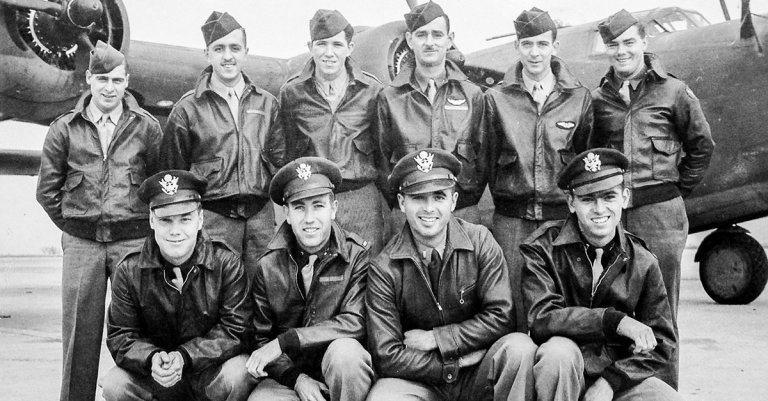
Carl Spaatz would one day become the first top officer of the independent U.S. Air Force, a job he earned in part by leading the Allied air forces against Germany and Japan.
During World War I, however, Spaatz was just a captain in charge of America’s aerodrome (an old-timey way of saying “airfield”) in France. When his bosses tried to order him home near the end of the war, Spatz demurred for a week so he could slip off to the front and shoot down German planes.
A pilot’s gotta fly, after all.
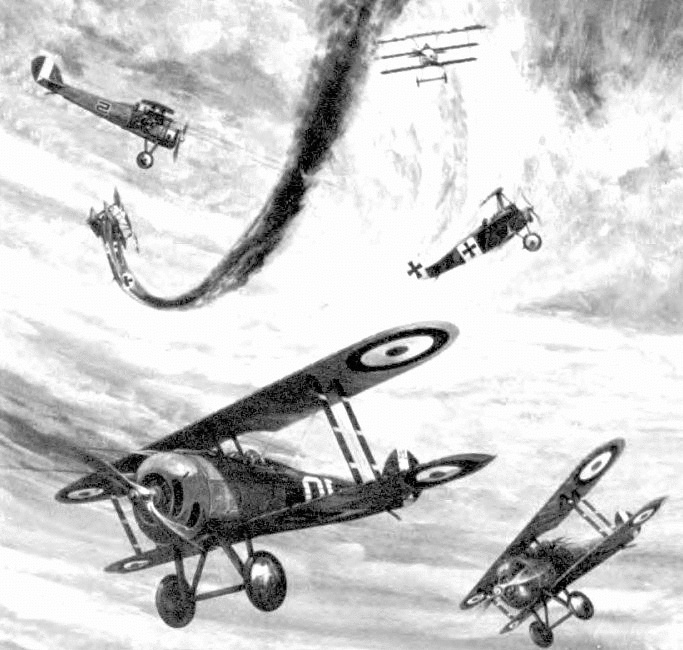
While a captain in World War I, Carl Spaatz’s name was actually “Spatz.” He would change his name to Spaatz in 1937 at the request of his family to hide the name’s German origin and to help more people pronounce it correctly, which sounds like “spots.”
Spaatz’s main job in the Great War was commander of the 31st Aero Squadron, and building up the aerodrome at Issoudun, where American flyers trained on their way to the front. This was also where large amounts of repair and logistics were handled for the small but growing American air service.
The job was important and indicated a large amount of trust in Spaatz, but he hadn’t gone to West Point and commissioned as an infantry officer just so he could watch everyone else fight wars while he rode a desk.
For most of the war, he did his job dutifully. He led the improvements at Issoudun Aerodrome, transforming it from a mass of hilly, rocky mud pits that broke plane after plane to a functioning air installation. But that meant he facilitated the training of units like the 94th and 95th Aero Squadrons and then had to watch them fly off to combat without him.
Future U.S. aces like Capt. Eddie Rickenbacker, Lt. Douglas Campbell, and Capt. Hamilton Coolidge passed under Spaatz.
American pilots spent most of 1917 traveling to France and training, but the 94th Aero Squadron launched its first hostile mission in March 1918, and U.S. pilots were off to the races. Over the following six months, American pilots were lost in a single day of fighting, while others became ace-in-a-day or slowly racked up kills.
All the while, Carl Spaatz stayed at Issoudun, doing work.
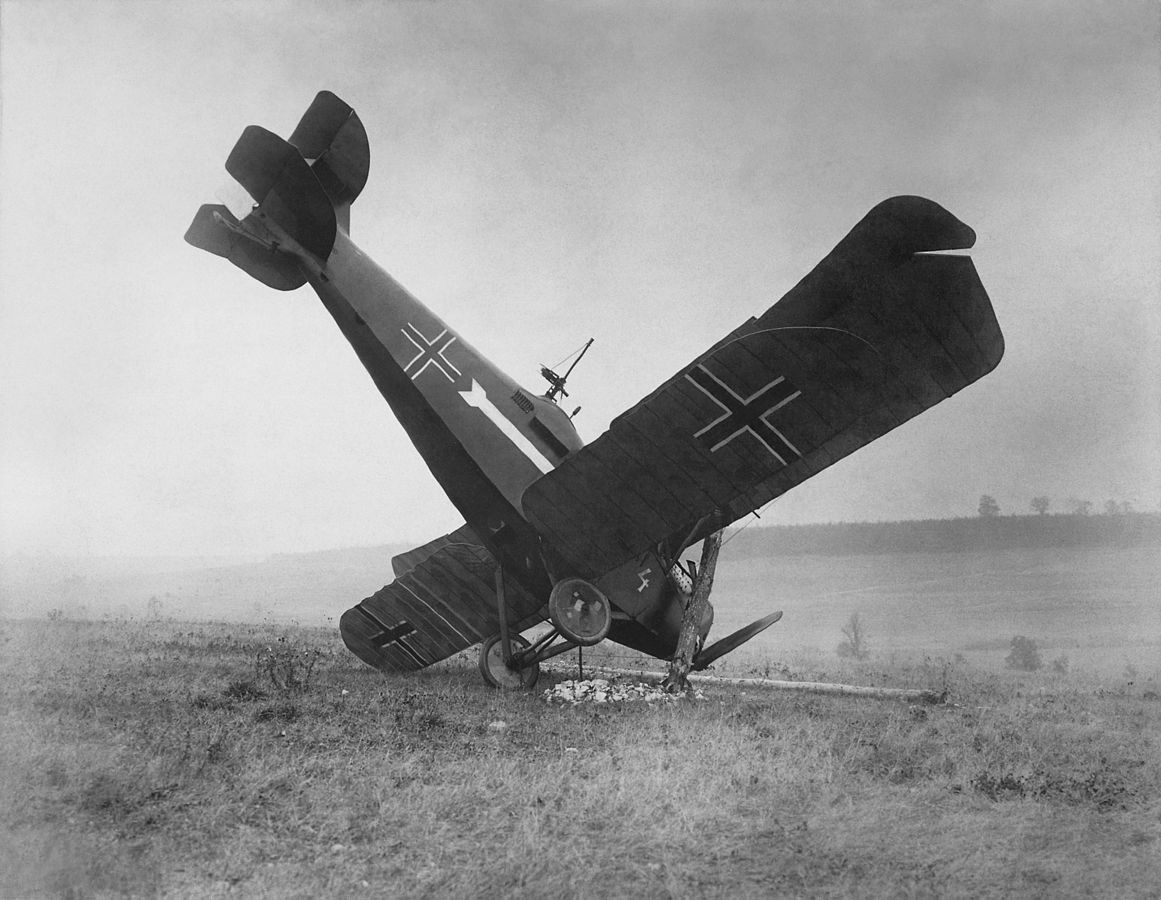
So when Spaatz was ordered back to the U.S. around late August 1918, he begged for a week on the front in France in order to get a little combat experience under his belt before returning home. That request was granted, and he went to the front in early September as a recently promoted major.
But in the first week, Spaatz saw little combat and achieved no aerial victories, so he stuck around. He stuck around for three weeks, volunteering for missions but failing to bag any enemy pilots. But then, on September 26, he knew that an aerial attack was going down at Verdun, and he asked to stay on duty to fly in it.
He went up on a patrol across enemy lines and took part in an attack on a group of German planes. The fighting was fierce, and Spaatz was able to down three German planes in fairly quick succession. But even that wasn’t enough for the future Air Force leader. Once he had some blood on his teeth, he gave chase to a fourth German plane fleeing east.
This was a mistake. Spaatz flew too far before realizing that the rest of the friendly planes had already turned around because they were at bingo fuel. Spaatz didn’t have enough gas to get home. But, despite his mistake, he was still a disciplined and smart officer, and went to salvage the situation as best he could.
He set himself up to get as far west as possible before his engine ran dry, and then he coasted the plane down to the ground, managing to crash into friendly territory, preventing his capture and allowing his plane to be salvaged.
For his hat trick, Carl Spaatz was awarded the Distinguished Service Cross. He would spend the interwar years advocating for air power while bouncing between the ranks of captain and major as the Army raised and lowered the number of officers who could hold each rank.
But in World War II, he quickly earned temporary promotions to major general and then lieutenant general. After the war, he was promoted to general and then appointed the first Chief of Staff of the U.S. Air Force in September 1947.