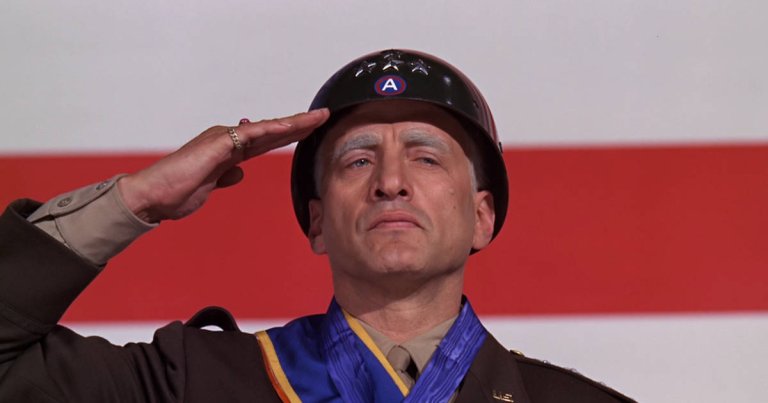
Entering the military requires an oath to obey the lawful orders of those in the higher chain of command. Commanding officers can order troops into a suicide mission if it serves the greater purpose. When obeying orders, those troops must believe that a commander wouldn’t order them into harm’s way unless it were absolutely necessary, that the order serves a greater good, and that it’s not an illegal order.
Most of the nine men listed here (in no order) did not disobey orders because they were illegal. They disobeyed them because lives were at stake, and they felt saving those lives was worth the risk. Others pushed the envelope to keep the enemy on its heels.
People make mistakes, even when the stakes are life and death. It can mean the difference in the course of the entire war (as seen with Gen. Sickles) or to a few men who are alive because someone took a chance on them (in the case of Benaya Rein). Here are nine examples of those intrepid souls who became heroes after they disobeyed orders
1. Dakota Meyer – U.S. Marine Corps, Afghanistan
In 2009, Meyer was at the Battle of Ganjgal, where ambushed Afghan and American troops, four of them friends, were pinned down by possibly hundreds of enemy fighters. He repeatedly asked permission to drive his truck to help relieve his outnumbered and surrounded friends and allies, but was denied. He and another Marine eventually disregarded the denial and hopped in a Humvee. Meyer manned the gun while the other drove the vehicle.

They drove right into the firestorm, loading the beleaguered Afghans, mostly wounded, onto their vehicle, drove them out, and went back into the kill zone to exfiltrate more of the ambushed men. As weapons jammed, Meyer would grab another, and another. They drove into the melee five times, until they came across Meyer’s friends, now fallen, and pulled them out too. Meyer received the Medal of Honor for his actions.
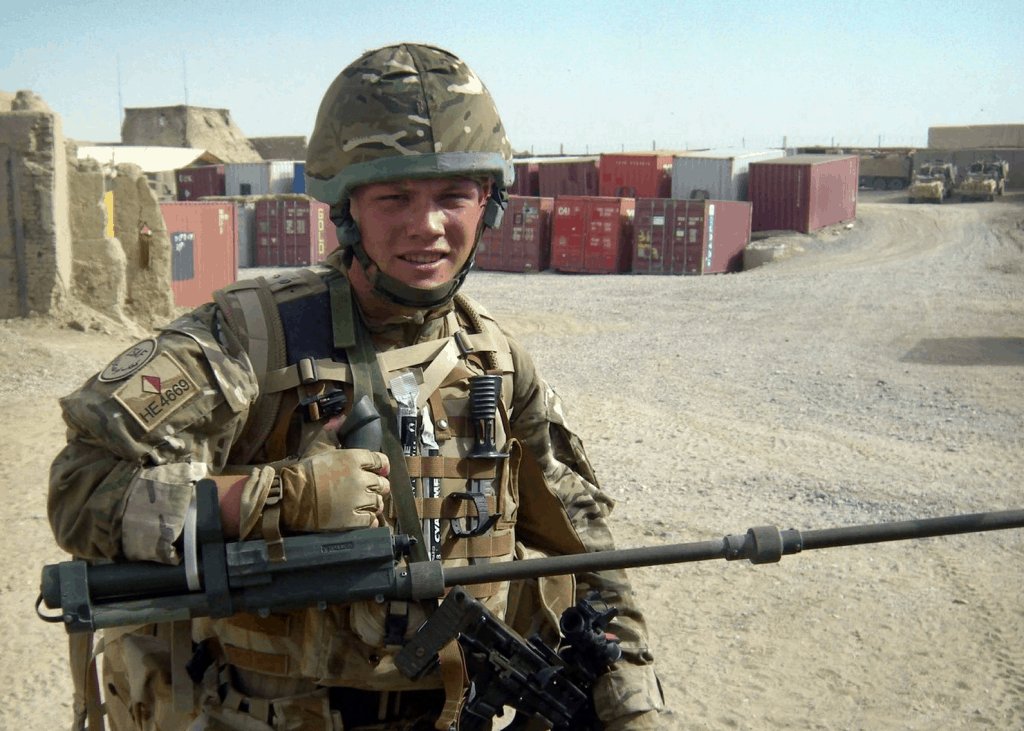
2. Daniel Hellings – British Army, Afghanistan
Hellings was on a joint patrol in Helmand Province with Afghan allies when an explosion hit his patrol. An improvised explosive device (IED) was detonated in an alleyway, injuring two of the patrollers. Then another went off, injuring a third man. Hellings’ commander ordered an immediate withdrawal. Instead, Hellings got down on the ground and started a fingertip search for more bombs — and found four more. He was on the ground, poking around in the dirt until he found all of the IEDs. For his bravery and quick thinking, he was awarded the Queen’s Gallantry Medal.
3. Lt. Col. Stanislav Petrov – Soviet Army, Cold War
Petrov was in command of the Oko Nuclear Early Warning System on the morning of September 26, 1983, when it detected a probable launch of American nuclear missiles. Suspecting it was a false alarm, he disobeyed the standing order of reporting it to his commanding officers, who likely would have “retaliated” with their nuclear arsenal.
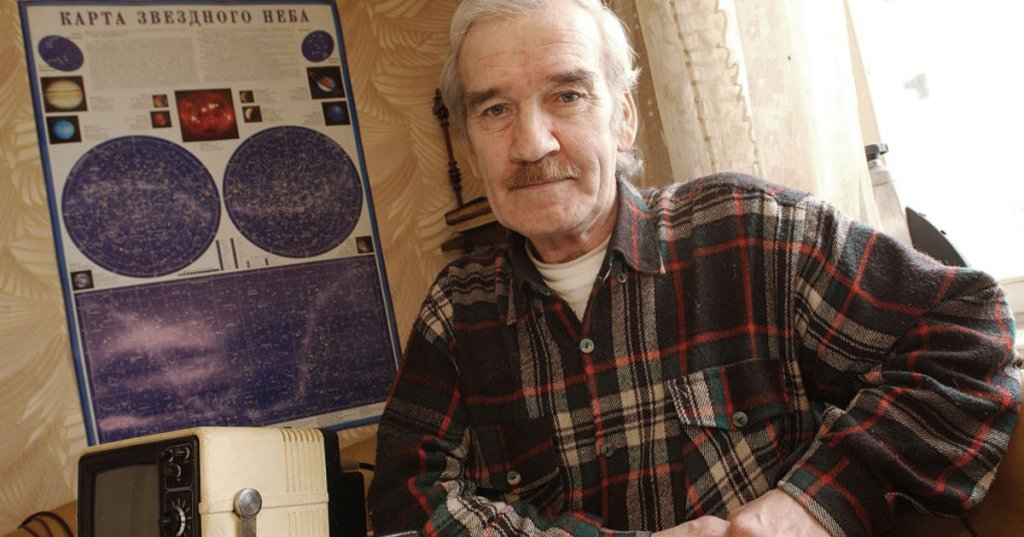
In this case, doing nothing was doing something big, as in completely averting World War III and mutually assured destruction. It also showed a flaw in the USSR’s early warning system and helped to avert further misunderstandings.
4. Benaya Rein – Israel Defence Forces, Second Lebanon War
Several Israeli soldiers, lacking accurate maps, became lost in 2006 while downrange in Southern Lebanon. As they attempted to get their bearings, about 20 men appeared in the distance, and the commander — thinking they were Hezbollah fighters — ordered Benaya Rein to open fire.
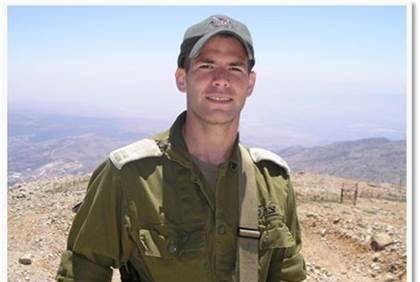
Rein wasn’t so sure. Instead, he took a tank out to the location to investigate. When he arrived, he found 20 of his fellow IDF soldiers. “Because he refused to follow his commander’s order, the lives of these soldiers were saved,” his mother told an Israeli paper.
Rein would later be killed after the tank he was commanding was hit by a Hezbollah missile. He was one of the last Israelis killed during the war.
5. Lt. David Teich – U.S. Army, Korean War
Teich was in a tank company near the 38th parallel in 1951 when a radio distress call came in from the 8th Ranger Company. Wounded, outnumbered, and under heavy fire, the Rangers were near Teich’s tanks, and facing 300,000 communist troops, moving steadily toward their position.
Teich wanted to help, but was ordered to withdraw instead, his captain saying, “We’ve got orders to move out. Screw them. Let them fight their own battles.”
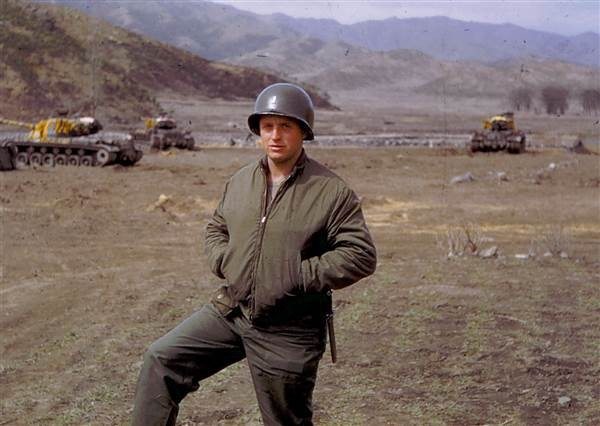
Teich went anyway. He led four tanks over to the Rangers’ position and took out so many Rangers on each tank that they covered up the tank’s turrets. He still gets letters from the 65 troops he saved that day, thanking him for disobeying his order to move out.
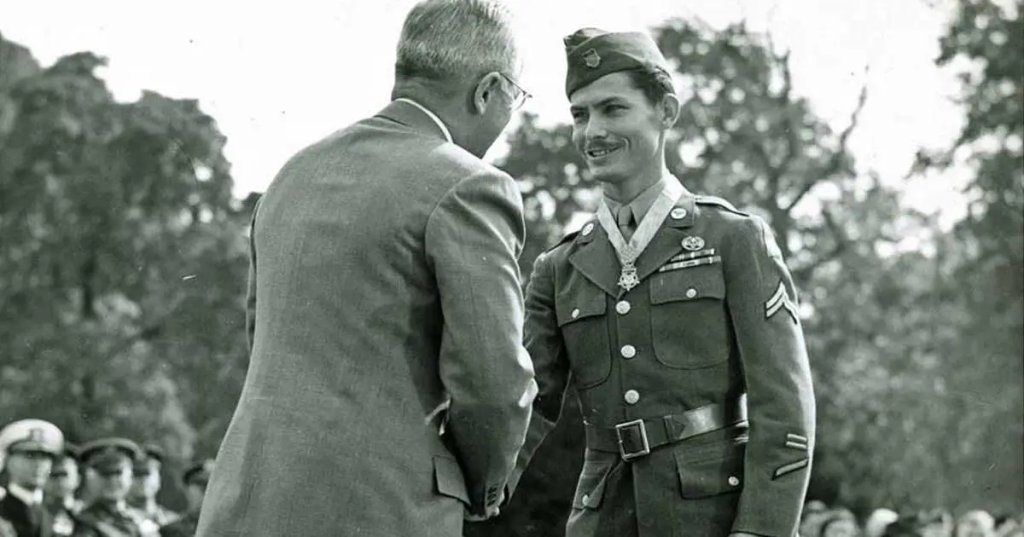
6. Cpl. Desmond Doss – U.S. Army, World War II
Doss wanted to serve, he just wasn’t willing to kill to do it and refused every order to carry a weapon or fire one. However, Doss would do anything to save his men, repeatedly braving Japanese fire to pull the injured to the rear. As his unit climbed a vertical cliffside at Okinawa, the Japanese opened up with artillery, mortars, and machine guns, turning his unit back and killing or wounding 75 men. Doss retrieved them one by one, loading them onto a litter and down the cliff.
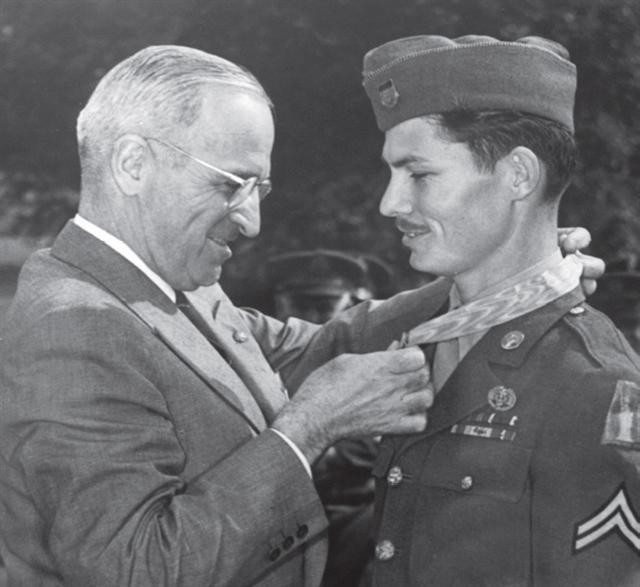
A few days later, in the mouth of a cave, he braved a shower of grenades thrown from eight yards away, dressed wounds, and made four trips to pull his soldiers out. He treated his own wounds and waited five hours for a litter to carry him off.
On the way back, the three men carrying him had to take cover from a tank attack. While waiting, Doss crawled off his litter, treated a more injured man, and told the litter bearers to take the other man. While waiting for them to come back, he was hit in the arm by a sniper and crawled 300 yards to an aid station. He was the first conscientious objector to receive the Medal of Honor.
7. Lt. Thomas Currie ‘Diver’ Derrick – Australian Imperial Force, WWII
The Battle of Sattelberg on the island of New Guinea was as hard-fought as any in the Pacific Theater. It took the Australians a grudgingly slow eight days to push the Japanese out of the town, and they paid dearly for it. On November 24, 1943, Lt. Derrick was ordered to withdraw his platoon because the CO didn’t think he could capture the heights around Sattelberg.
Derrick’s response: “Bugger the CO. Just give me twenty more minutes and we’ll have this place.”

Derrick climbed a vertical cliff by himself, holding on with one hand and throwing grenades with the other, stopping only to fire his rifle. He cleared out 10 machine gun nests that night and forced the Japanese to withdraw. The Aussies captured Sattelberg, and Derrick was awarded the Victoria Cross.
8. 1st. Lt. Frank Luke, Jr. – U.S. Army Air Corps, WWI
In September 1918, Luke was grounded by his commanding officer and told that if he disobeyed his grounding order, he would be charged with being AWOL. Luke, an ace with 15 aerial victories, flew anyway, going out to find military reconnaissance balloons. Balloons sound like an easy target, but they were heavily defended by anti-aircraft weapons.
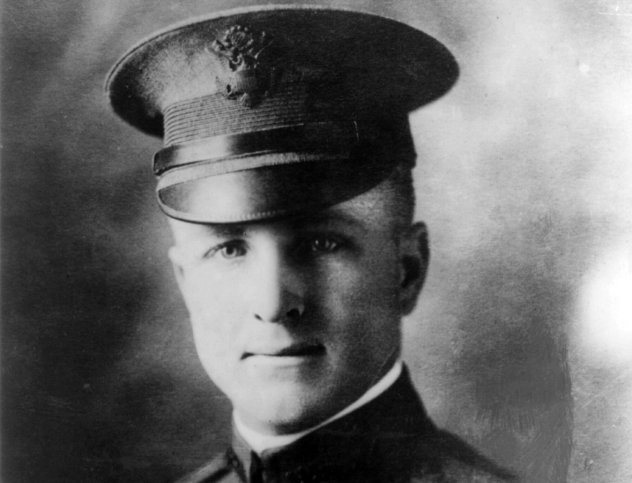
He knocked out three balloons that day before he was forced down by machine gun fire. Once out of his plane (which he landed; he wasn’t shot down), he kept fighting the Germans with his sidearm until a bullet wound killed him. Luke was the first pilot to receive the Medal of Honor.
9. Maj. Gen. Daniel Sickles – Union Army, Civil War
Sickles’ slight disobedience to orders during the Battle of Gettysburg nearly altered the war’s momentum and almost changed the entire course of United States history.
In a move historians haven’t stopped talking about for 150 years, Sickles moved his men to Peach Orchard instead of Little Round Top, as Gen. George G. Meade ordered him. This move prompted Confederate Gen. James Longstreet to attack the Union troops in the orchard and the wheat field, nearly destroying the Union forces there. Which, admittedly, is terrible.
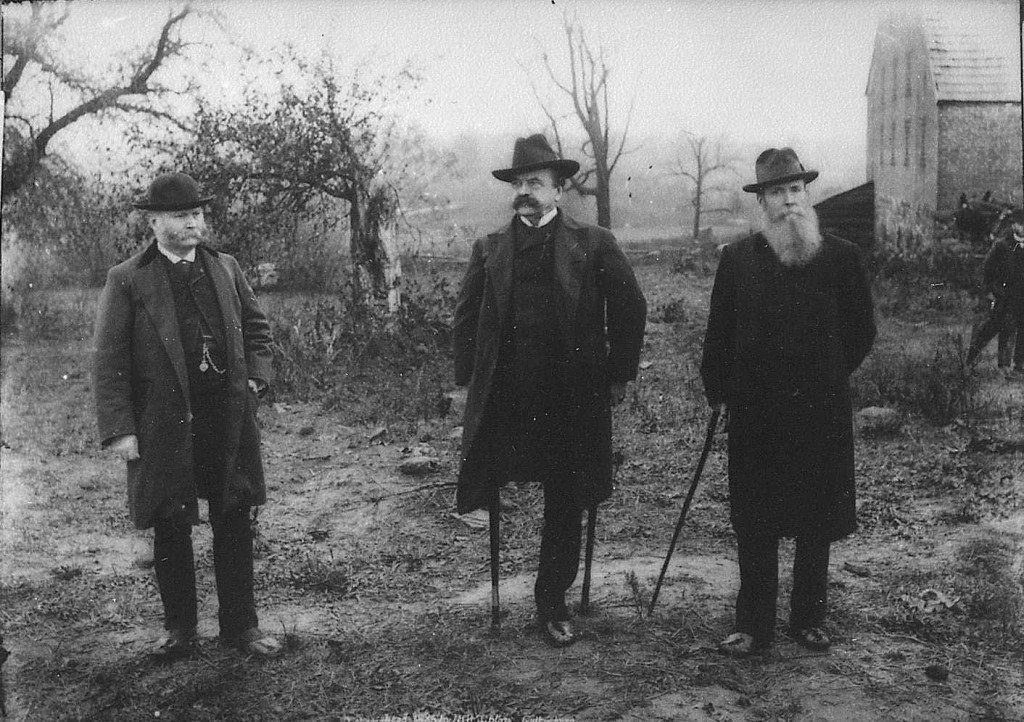
Sickles lost his entire corps in the fighting, while he personally lost a leg. The fighting in the Peach Orchard cost the Confederates a lot of lives, much more than they would have if Longstreet had moved in unabated. The next day, Pickett’s disastrous charge ended the Battle of Gettysburg. Sickles received the Medal of Honor for his bravery in the peach orchard, despite his reckless leadership, and helped preserve Gettysburg as a national historic site after the war.