
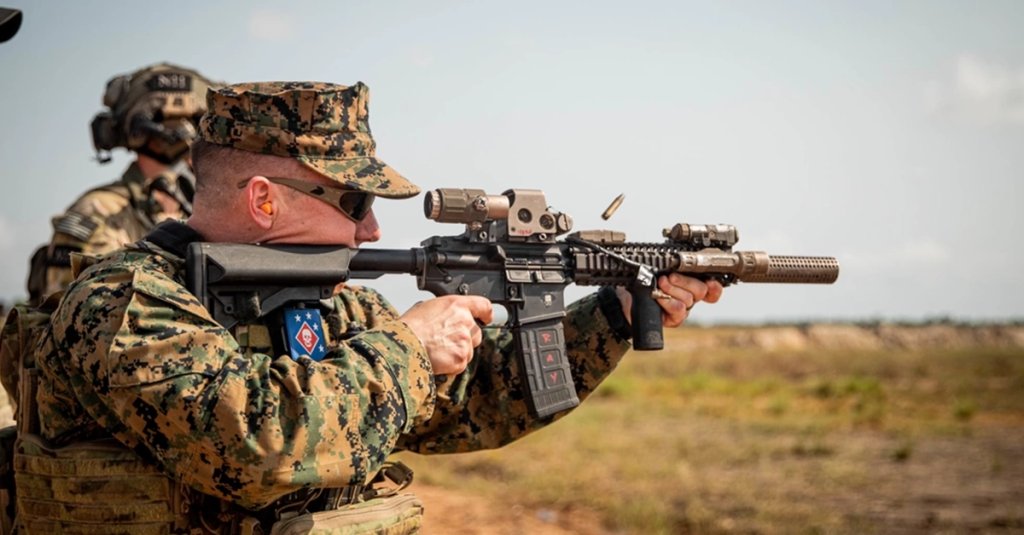
On Aug. 5, 2026, a federal court ruled that aspects of the 1934 National Firearms Act, including the registration of short-barreled rifles, shotguns, and silencers, was unconstitutional. The government was given a seven-day stay on the ruling to appeal, but the Department of Justice took no action.
Also Read: TSA is adding dedicated security lines for military, veterans, and their families
Just after midnight on Aug. 13, Brandon Herrera purchased two silencers and received them without registration or a tax stamp, the first American to do so in over 90 years, but still had to complete a Firearms Transaction Record and pass a background check.
Why did this have to happen for something that isn’t a firearm and why is this news to begin with? Buckle up, because this is going to take some explaining.
Let’s start with the National Firearms Act.
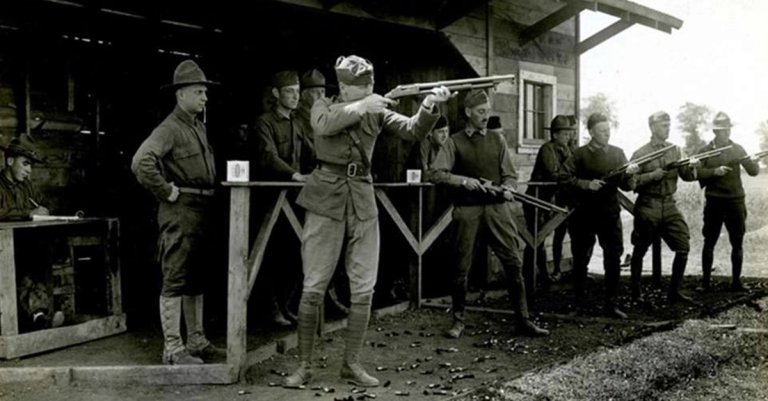
In response to Prohibition-era crime and violence, Congress drafted the National Firearms Act to ban pistols and revolvers which were easily concealable and responsible for the majority of violent crimes (and still are). However, legislators feared that criminals would simply cut down rifles and shotguns to make them more concealable.
To close this legal loophole, short-barreled rifles (SBR) and shotguns (SBS) with a barrel length of less than 18″ (later changed to 16″ for rifles) would require a $200 tax (nearly $5,000 adjusted for inflation in 2026). Silencers were also declared firearms in the eyes of the law and slapped with this same tax.
That’s like calling a muffler a motor vehicle and requiring separate DMV registration.

And yes, silencer is the legal term found in both the patent and NFA.
Ultimately, the handgun ban was removed from the legislation before passage, but the tax on short barreled rifles, short barreled shotguns, and silencers remained. To ensure compliance, registration was required with additional paperwork and a tax stamp to prove that the tax had been paid. This was challenged in court, but upheld on the grounds that a tax is not a ban and within Congress’ constitutional authority.
Over the decades, the prohibitively expensive tax was not updated, and some gun owners decided that $200 was worth it to own an NFA item. To assist in the NFA tax and registration process, Silencer Shop set up electronic kiosks in partner gun stores to help purchasers submit their passport-style photo and fingerprints digitally.
All of this was done in addition to a background check through the FBI’s National Instant Criminal Background Check System (NICS).
On Jan. 1, 2026, following the passage of the One Big Beautiful Bill, the tax on the short barreled weapons and silencers was reduced from $200 to $0.
Yup, a $0 tax that still required registration and a tax stamp to prove payment of $0. This was immediately challenged in court by several firearms groups, companies, and other plaintiffs including Gun Owners of America (GOA), Silencer Shop, Palmetto State Armory (PSA), and Brandon Herrera.
What does mean for you? It depends.
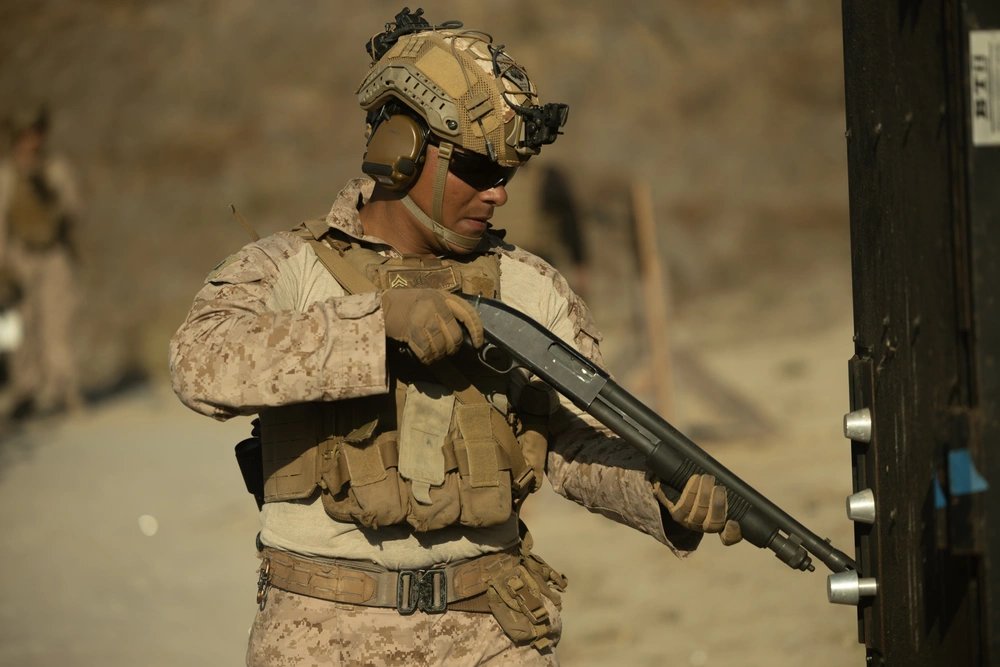
First, this is not a nationwide ruling. Georgia Rep. Andrew Clyde, who championed the OBBB and urged the DOJ to not appeal the court’s ruling, is now leading a coalition to urge the DOJ to adopt the ruling nationwide. Until then, the ruling applies depending on who you are, where you live, and who you do business with.
I’m not a lawyer and this isn’t legal advice. Consult with a firearms attorney before taking action. That said, here are some examples from people who have their own lawyers.
GOA members are covered, but there’s more to it than the $25 annual membership.
Silencer Central in South Dakota was a plaintiff in the case. As a company, they enjoy the protection of the ruling. That means that GOA members can purchase from them without registration. Moreover, the company’s home state of South Dakota does not apply any additional restrictions on silencers.
As a result, South Dakota citizens who are GOA members and can pass a NICS check have been able to go to the Silencer Central HQ in Sioux Falls to purchase a silencer and walk out with it the same day.
Again, this is still after passing a background check.
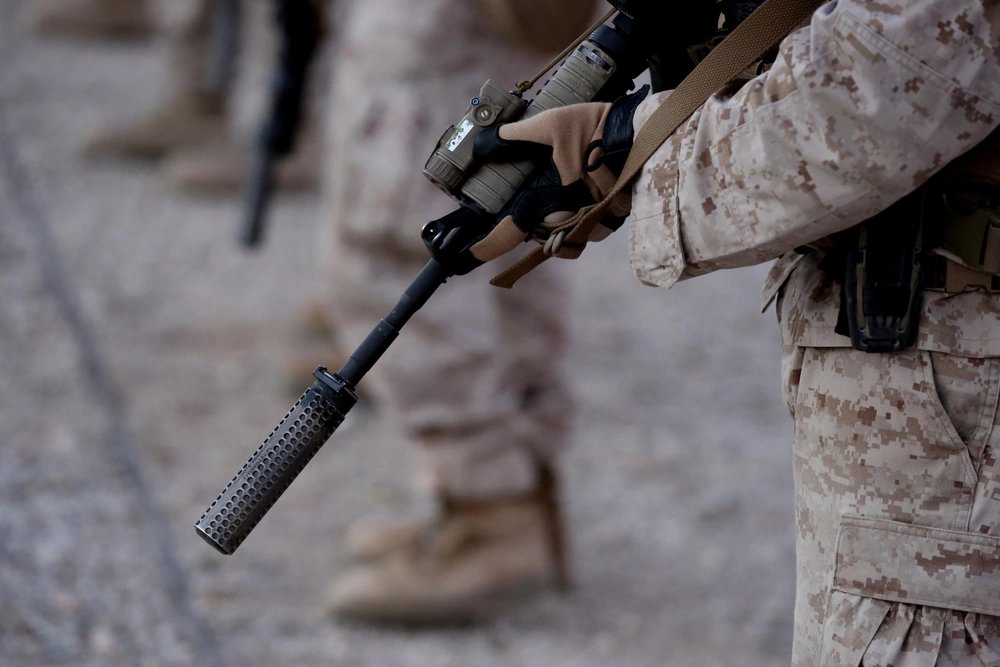
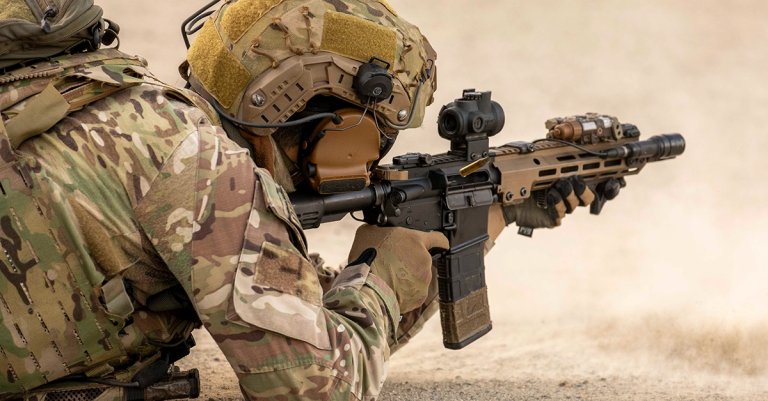
Similarly, Palmetto State Armory is covered by the ruling. If you are a GOA member and purchased a PSA firearm or other firearm from PSA, that firearm can be converted into an SBR or SBS without the registration and tax previously required. However, purchasing PSA parts or other parts from PSA does not provide the same protection.
The firearm itself, bearing the serial number, must be a PSA firearm or other firearm purchased from PSA. Local and state laws still apply.
That’s where things get (more) complicated. Some states like North Dakota and North Carolina have laws that tie the legality of SBRs, SBSs, and silencers to federal registration via the ATF’s Form 1 to build/manufacture an NFA item or a Form 4 to transfer an NFA item. Without these, an otherwise protected company and customer would still be in violation of state law.
Another issue is the Gun Control Act of 1968. Under the GCA, a separate federal approval for dealer transfers of SBRs and SBSs is required. This is normally handled on the Form 4. Because of that, PSA is holding off on selling/transferring new SBRs and SBSs to customers without a Form 4.
That was a lot and there’s likely more to come. For supporters of these new changes, it’s important to understand how federal, state, and local laws affect you. Those opposed to these changes, calm down. There’s still a background check in place and these items shouldn’t have been regulated in the first place.
Everyone chill and understand what you’re talking about first.
Don’t Miss the Best of We Are The Mighty
• ‘Maverick’ stars return for ‘Battlefield 6 x Top Gun: Carrier Strike’ crossover
• The President’s Hundred tab is more rare than Sapper, Ranger, or even Special Forces
• Meta is giving AI glasses to every blind veteran in America for free
Loading comments…
Comments couldn’t be loaded. Please refresh the page.