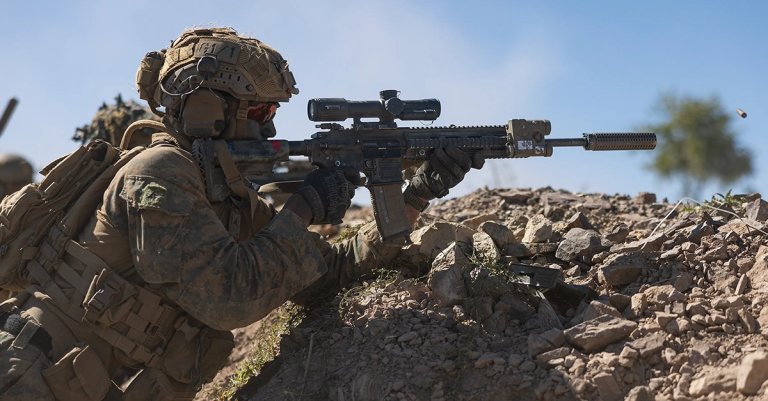
The AR-15, first adopted by the Air Force in 1962, served from the Vietnam War (as the M16 rifle) to the Middle East (as the M4 carbine). Although the weapon had teething issues (through no fault of its own), it proved itself to be a lightweight, reliable, and effective tool for the U.S. military. The modular platform was able to adapt to new technologies like rails, electronic sights, and infrared lasers.
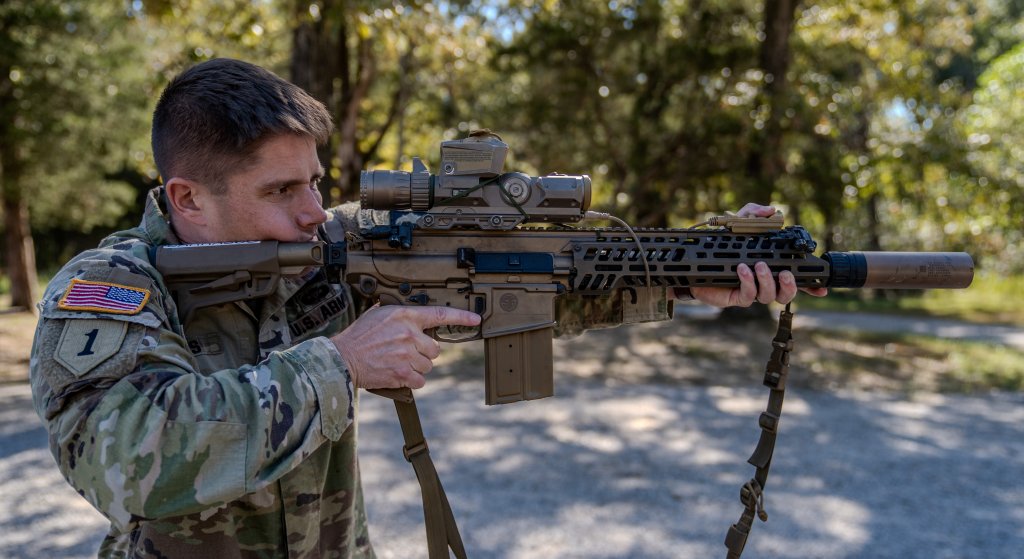
On April 19, 2022, the Army announced that Sig Sauer had been selected as the winner of the Next Generation Squad Weapon (NGSW) contract for the XM5, which will replace the M4. Redesignated the XM7, the rifle dropped its experimental designation and was adopted by the Army as the M7.
But the feasibility and necessity of the M7 are still in question.
Starting within the Army, troops testing and evaluating the XM7 reported malfunctions with the rifle, suppressor, ammo, and optic. Everything but the ergonomics was criticized, and those are based on the AR-15, like most modern military rifles. Moreover, quality control issues were reported, including misaligned rails. It’s all par for the course with a Sig product.
But maybe this was an isolated experience?
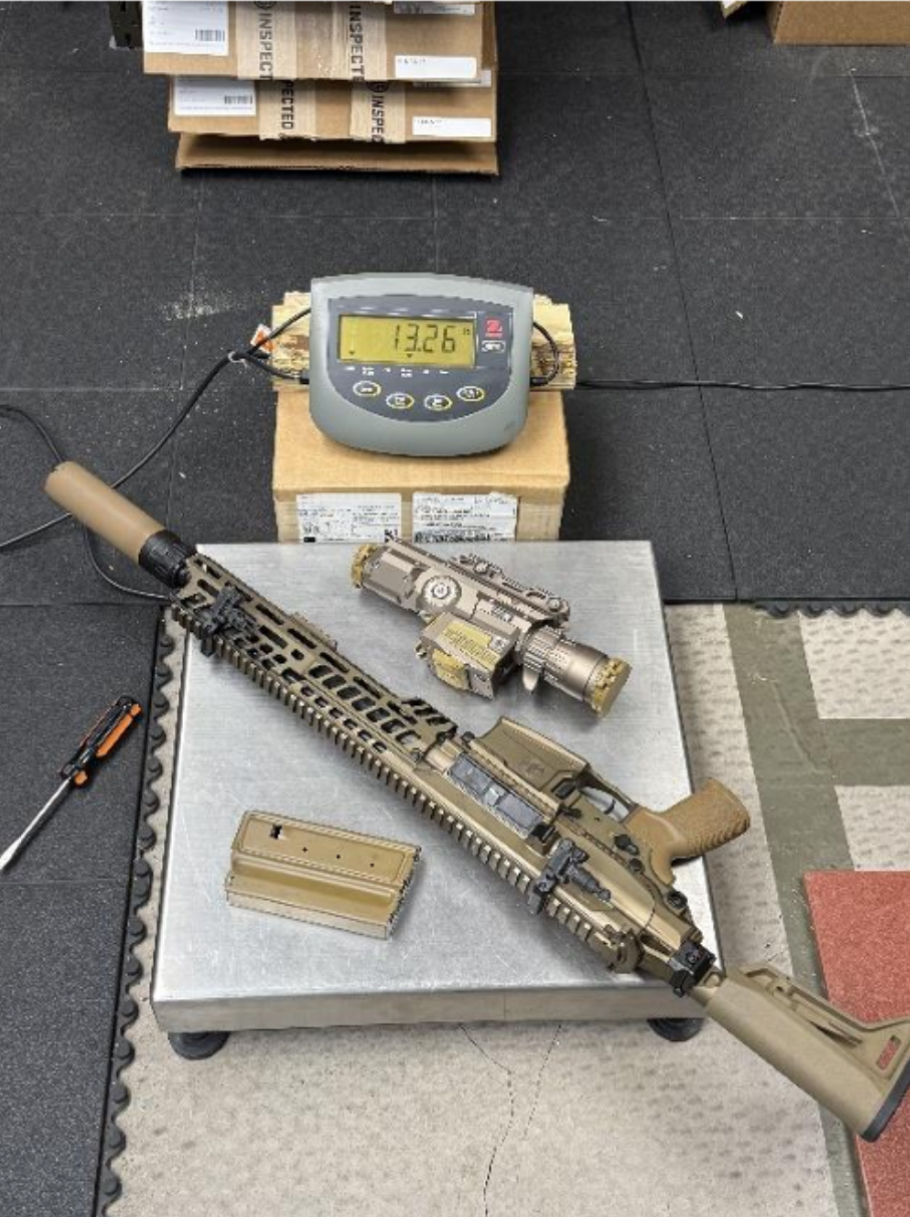
In April 2025, Army Infantry Officer Capt. Braden Trent presented a report on the XM7 in Washington, D.C. While observing a live-fire exercise with the XM7, Trent noted that the soldiers ran out of ammo after just 15 minutes and had to scrounge magazines from radio operators, medics, and even platoon leaders. Where the M4 uses a standard 30-round magazine with a basic combat load of seven mags, the M7’s larger 6.8x51mm bullet only allows for a standard magazine of 20 rounds; even with seven much heavier mags, the M7 reduces a soldier’s fighting loadout by 33%.
Speaking of weight, Capt. Trent recorded the unloaded weight of an issued XM7 as 13.26 pounds. This is even heavier than the M14 rifle, infamous as the shortest-lived American service rifle, which the M16 replaced. He also observed unusually high wear on barrels, bolts, and suppressors. He wasn’t alone in his skepticism of the XM7.
“The XM7 with mounted XM157 demonstrated a low probability of completing one 72-hour wartime mission without incurring a critical failure,” said a Department of Defense FY24 report by the Director, Operational Test and Evaluation.
Interestingly, the Army dropped the XM7’s experimental designation after (and in spite of) that DOT&E report. While Capt. Trent’s study was conducted as a student of the Marine Corps Expeditionary Warfare School and not as an official DoD or Army study, his findings are echoed by other subject matter experts.
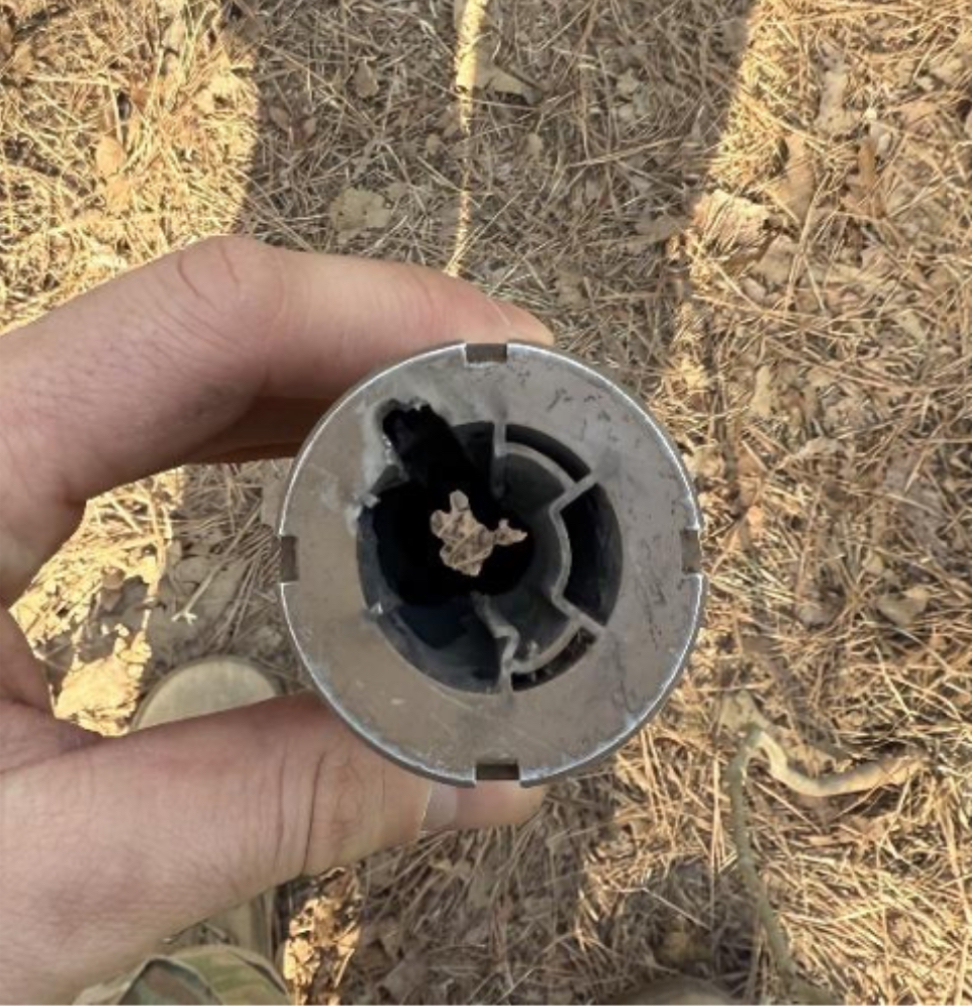
Henry Chan of 9-Hole Reviews is an Iraq War veteran and former Army Ordnance Officer. Remember: amateurs talk tactics, professionals talk logistics. A skilled shooter, Chan praised the civilian XM7’s performance on the static range. But, from an acquisitions perspective, he sees problems.
“The Army went on this boondoggle to do a weapons program for something that could penetrate 600-meter body armor and, I think, down the road, they’re going to run into ammunition supply issues,” Chan said. He does note that the XM7’s caliber can be easily converted to 7.62x51mm, which is standardized by NATO and used by allied militaries, unlike the proprietary 6.8x51mm cartridge of the M7.
Don’t want to listen to a former officer? Fine.
Master Sgt. (ret.) Jeff Gurwitch of Modern Tactical Shooting served 26 years in the Army, 19 in Special Forces, and did nine combat deployments (three to Iraq and three to Afghanistan). Drawing from his experience as a senior NCO – someone in the Army that you should probably listen to – Gurwitch criticized the weight and reduced ammunition capacity of the M7.
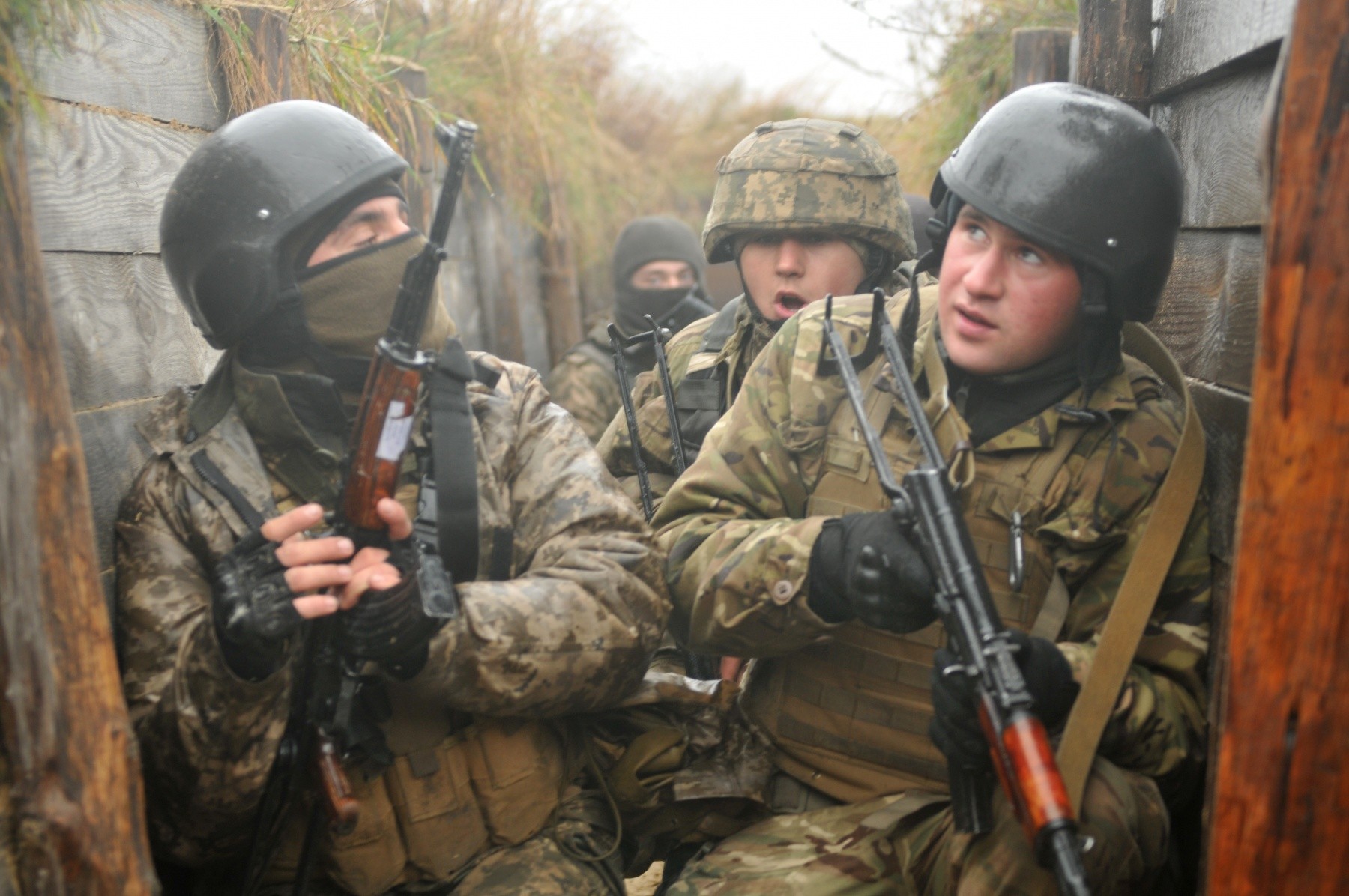
While the Taliban PKM machine guns outranged U.S. M4 carbines in Afghanistan, Gurwitch highlights that matching machine gun performance with a standard-issue rifle is illogical. Moreover, 7.62x51mm weapons, such as the M240 machine gun and the M110 Semi-Automatic Sniper System, can match the range of the PKM.
Looking at modern gunfights outside of Afghanistan like the Marines in Fallujah, the French in Mali, the Filipinos in Marawi, and even the Ukraine War, Gurwitch notes that modern combat generally takes place within 300 meters. When engagements happen beyond the range of small arms, other weapons like mortars, rockets, artillery, and drones are used. As Capt. Trent’s report shows, fire superiority wins gunfights – and the M7 struggles with that.
So, what about this requirement to penetrate body armor? The NGSW contract called for the weapon to be able to penetrate modern, near-peer body armor. But whose? Russia? China? North Korea? Iran? Why haven’t we seen this body armor on any of the battlefields around the world?
A defense small arms industry insider, who spoke on the condition of anonymity, noted that the report of this advanced body armor was exaggerated and unsubstantiated. It’s typical military acquisitions: buy a solution to a problem that doesn’t exist.
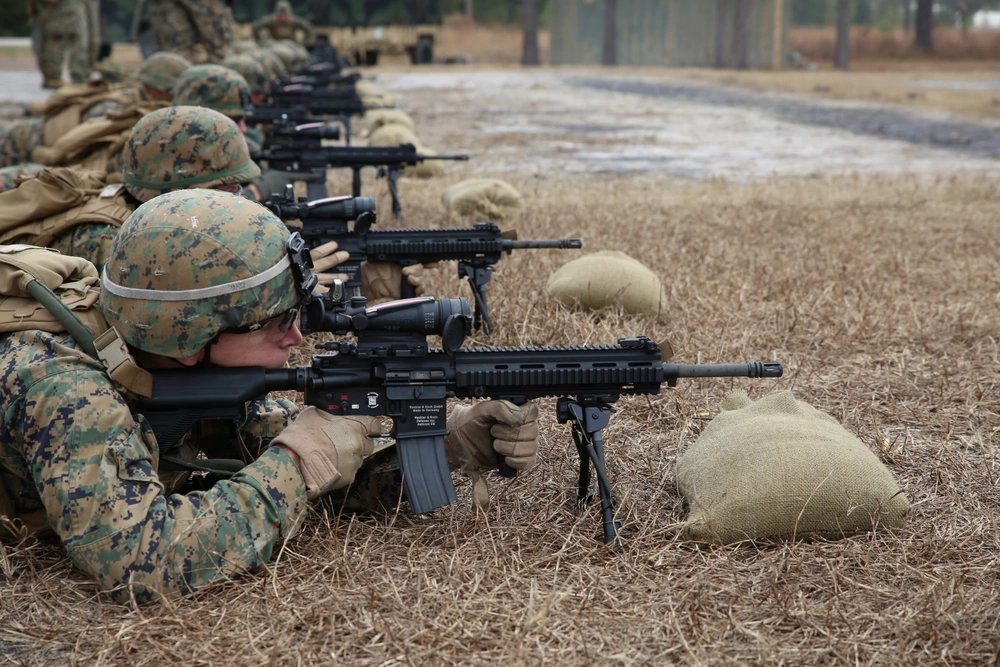
What, then, should the Army do? The Marines put down their crayons long enough to pull a sneaky on the DoD and replace the M4 with the Heckler & Koch HK416 as the M27 IAR for the infantry. While the Army could follow suit, it’s unlikely and unnecessary. Despite early issues, the modern M4 is a lightweight, reliable, and effective weapon. A 2006 survey of soldiers returning from Iraq and Afghanistan showed that 89% felt that the M4 was reliable in combat, with only 19% reporting any stoppage in battle.
“But the M4 shits where it eats!” This line has been spouted by AR-haters since Eugene Stoner introduced the internal-piston system. Commonly, but inaccurately, referred to as a direct impingement system, the M4 siphons gas from the barrel behind the bullet and channels it back into the receiver of the weapon to cycle the bolt. This allows for a light gas system with light recoil.
What about the carbon and dirt getting shot into the receiver? First, a good NCO is going to smoke you into nonexistence for having a dirty rifle. Second, Marine veteran Tim Harmsen fired 10,000 rounds through an AR-15 without cleaning it. While the rifle used in the test is more akin to the M4A1 SOPMOD Block II used by Special Operations Command than a standard issue Army M4A1, it demonstrates that the M4 can handle high round counts.
The Army has tried and failed to replace the M16 and the M4 before. While the M7 is certainly more powerful, it’s also heavier, appears to be less reliable, complicates logistics and interoperability with allies, and arguably reduces lethality in a modern gunfight. Maybe the M4 isn’t the best weapon for the job anymore, but the M7 doesn’t seem to be, either.