
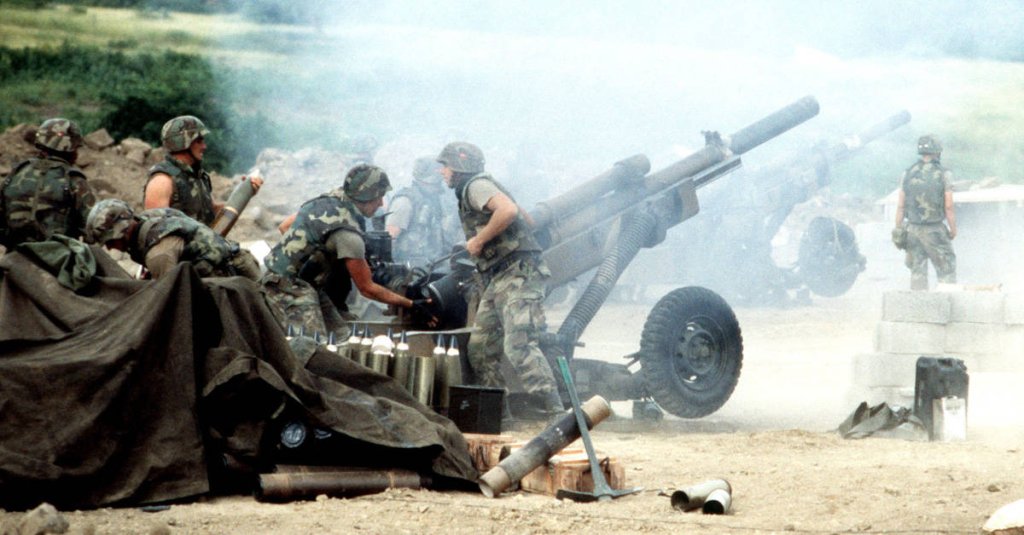
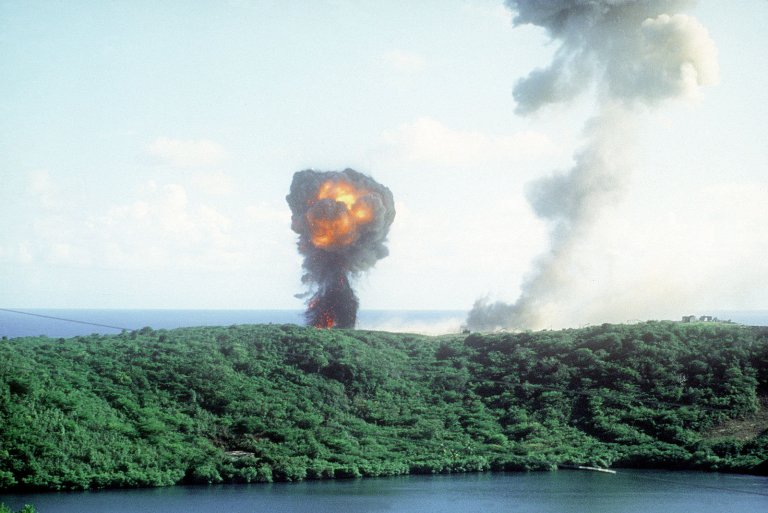
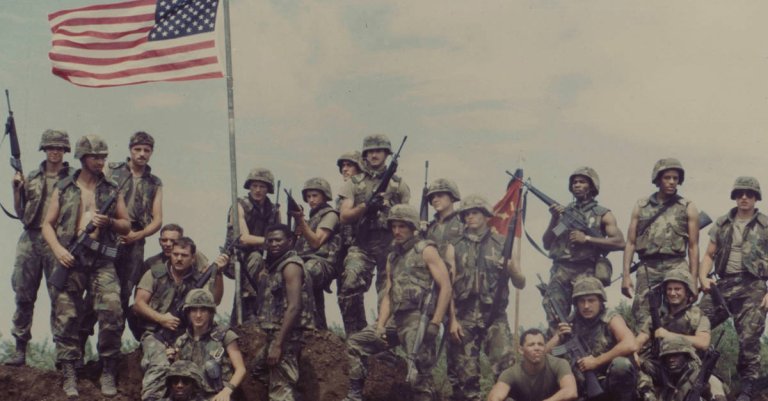
In October 1983, the Caribbean nation of Grenada experienced a series of bloody coups, which threatened American interests as well as U.S. citizens on the island. In a controversial move, President Ronald Reagan decided to launch Operation Urgent Fury, an invasion of the island nation (and the first real-world test of the all-volunteer force in combat).

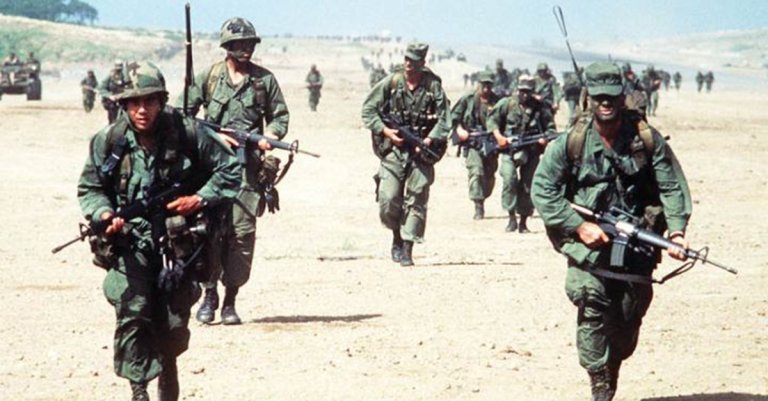
The U.S. rapid deployment force was essentially an all-star team comprising the 1st and 2nd Ranger Battalions, the 82nd Airborne, U.S. Marines, Delta Force, and Navy SEALs. But it was still a far cry from the joint capabilities we have today, and they were going into a situation where the Grenadian forces were bolstered by communist troops from the Soviet Union, North Korea, Cuba, and Bulgaria.
While the strength of the invasion force was formidable, a series of planning, intelligence, communication, and coordination issues plagued their interoperability (and led to Congress reorganizing the entire Department of Defense). Army helicopters couldn’t refuel on Navy ships. There was zero intelligence information coming from the CIA. Then, Army Rangers landed on the island in the middle of the day.
The list of Urgent Fury mistakes is a long one, but one snafu was so huge it became legend. The basic story is that communist troops pinned down a unit on the island. Interoperability and communication were so poor that they were unable to call for support from anywhere using their radios.
A member of the unit pulled out his credit card and made a long-distance call by commercial phone lines to their home base, which patched it through to the Urgent Fury command, who passed the order down to the requested support. Everyone knows it happened, but who actually did it has been lost to history, it seems.
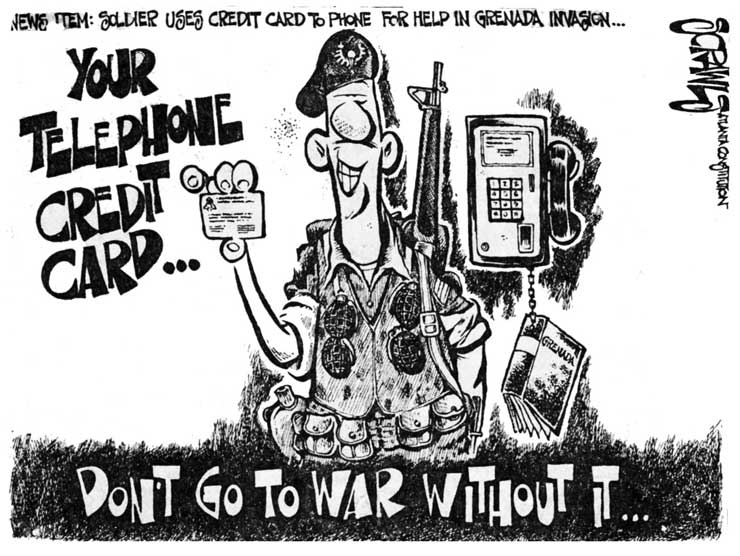
The devil is in the details. The Navy SEALs Museum says the caller was from a group of Navy SEALs in the governor’s mansion. He called Fort Bragg for support from an AC-130 gunship overhead. The gunship’s support enabled the SEALs to remain in position until relieved by a force of Recon Marines the following day. Some on the ground with the SEALs in Grenada said it was for naval fire support from nearby ships.
The story is recounted in Mark Adkins’ Urgent Fury: The Battle for Grenada. Another report says it was a U.S. Army “trooper” (presumably meaning “paratrooper”) who called his wife to request air support from the Navy. Screenwriter and Vietnam veteran James Carabatsos incorporated the event into his script for “Heartbreak Ridge” after reading about an account from members of the 82nd Airborne. In the version he heard, paratroopers used a payphone and a calling card to call Fort Bragg to request fire support.
In his 2011 memoir, “In My Time: A Personal and Political Memoir,” former Vice President Dick Cheney recalls visiting the island as a congressman and listening to an Army officer tell the story.
“An army officer who had needed artillery support… could look out to sea and see naval vessels on the horizon, but he had no way to talk to them. So he used his personal credit card in a payphone, placed a call to Fort Bragg, asked Bragg to contact the Pentagon, had the Pentagon contact the Navy, who in turn told the commander off the coast to get this poor guy some artillery support. Clearly a new system was needed.”
The story has a happy ending (from the American point of view, anyway). These days, the U.S. invasion is remembered by the Grenadian people as an overwhelmingly good thing, as a series of bloody communist revolutions ended with the elections following the invasion. Grenada marks the anniversary of the U.S. intervention with a national holiday, its own Thanksgiving Day.

That time a special operator in Grenada used a payphone to get artillery support
Loading comments…
Comments couldn’t be loaded. Please refresh the page.