In the winter of 1777-1778, the American Revolution faced one of its most perilous internal crises. While British forces occupied Philadelphia and the Continental Army struggled to survive at Valley Forge, a quiet but dangerous effort unfolded within the leadership of the revolutionary cause.
An anonymous letter sent to the Continental Congress attacked Gen. George Washington’s leadership, questioned his competence, and urged his removal as commander-in-chief. The letter did not stand alone. It represented the most explicit expression of a broader movement of dissatisfaction now known as the Conway Cabal.
Also Read: The Battle of Stony Point shows how good von Steuben’s training was
This episode is critical to understanding both the fragility of the American Revolution and the character of George Washington. Far from being universally revered, Washington faced pointed criticism from fellow officers, politicians, and intellectuals. The anonymous letter accused him of military weakness, excessive caution, and misplaced hero worship.
But the failure of this conspiracy ultimately strengthened Washington’s position and helped define the standards of leadership and civilian control that would shape the new republic.
A Nation on the Brink
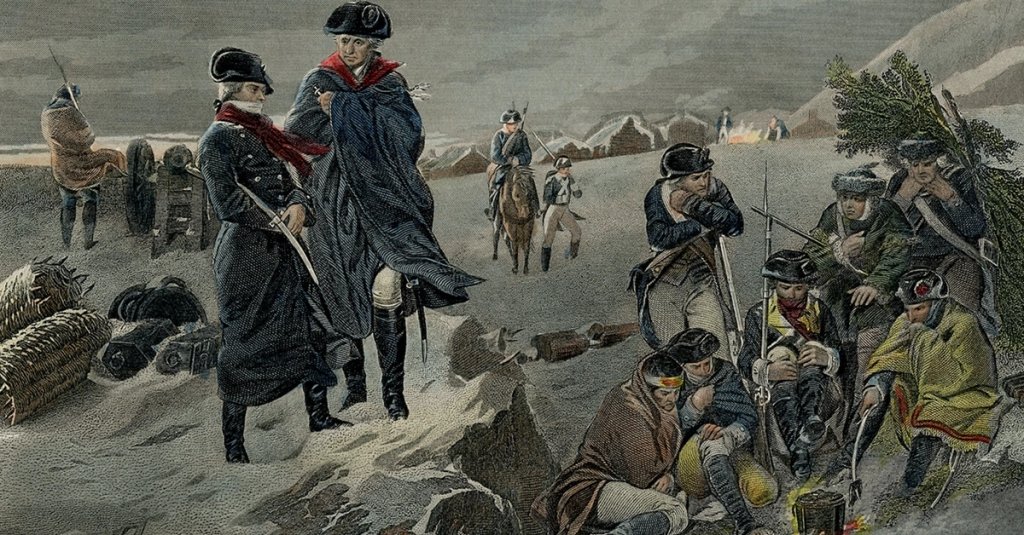
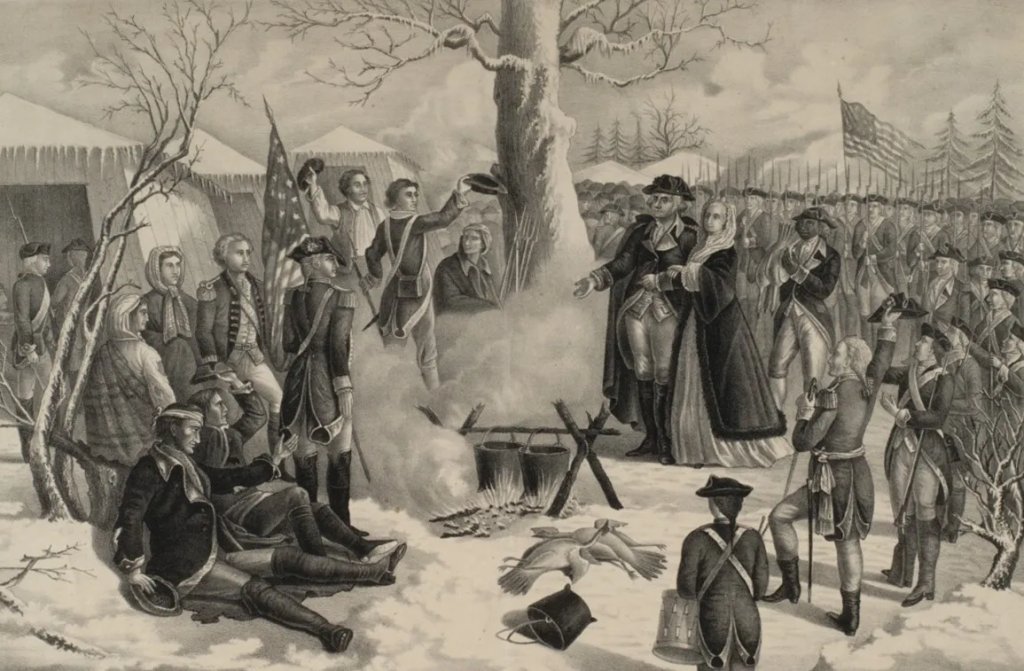
In early 1778, the war entered a grim phase for the Continental Army. Defeats at Brandywine and Germantown in the fall of 1777 allowed the British to seize Philadelphia, the seat of the Continental Congress. Washington’s army withdrew into winter quarters at Valley Forge, Pennsylvania, where conditions were brutal. Soldiers lacked adequate food, clothing, and shelter. Disease spread rapidly. Desertion loomed.
While Washington worked relentlessly to hold the army together, critics focused on his failures rather than his perseverance. Congress itself was divided and often ineffective, failing to provide consistent logistical support. In this climate, frustration hardened into blame.
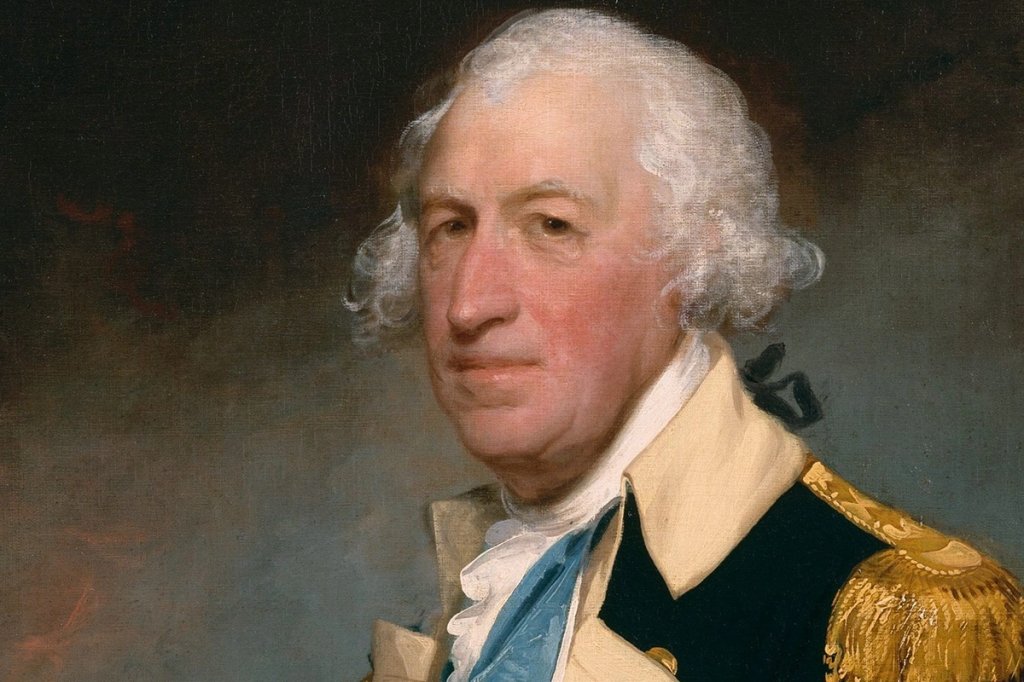
At the same time, Gen. Horatio Gates emerged as a celebrated figure following the American victory at Saratoga. Gates accepted the surrender of British Gen. John Burgoyne in October 1777, an event that secured the French alliance and transformed the war.
To many members of Congress, Gates appeared decisive, successful, and untainted by defeat. Comparisons between Gates and Washington became inevitable and increasingly political.
The Anonymous Letter
It was during this period of doubt and division that an anonymous letter reached members of Congress, often described as having been sent to Henry Laurens, the President of the Continental Congress. Though unsigned, the letter was direct, forceful, and unapologetic in its attack on Washington.
One of the most frequently cited passages read:
“The people of America have been guilty of idolatry by making a man their god and the God of Heaven and Earth will convince them by woeful experience that he is only a man.”
This statement framed loyalty to Washington as not merely misguided but dangerous. By invoking divine judgment, the author suggested that continued faith in the general would bring suffering upon the nation. The language was moralistic and accusatory, casting Washington’s supporters as blind followers rather than rational patriots.
Top Stories
The letter went further, questioning his competence and attributing American survival to divine intervention rather than to leadership. Another passage argued:
“Had not the goodness of God interposed the cause must have been ruined by a weak general and bad counsellors.”
Here, Washington was described not simply as flawed but as fundamentally incapable of leading the war. The implication was that victory at Saratoga and the survival of the revolution occurred despite Washington rather than because of him.
Elsewhere, the letter lamented what it described as a pattern of repeated failure
“Our affairs have been continually going backward under the same direction and it is time that Congress should consider whether a change may not be productive of better consequences.”
This line directly urged Congress to reconsider Washington’s command. While the letter did not explicitly name Gates, the implication was unmistakable. Gates’ success was contrasted with Washington’s defeats and stagnation.
Another often overlooked element of the letter was its emphasis on public opinion and legitimacy. The author warned that continued allegiance to Washington would alienate the people and undermine the war effort, suggesting that confidence in leadership was already eroding.
The “Conway Cabal” Takes Shape
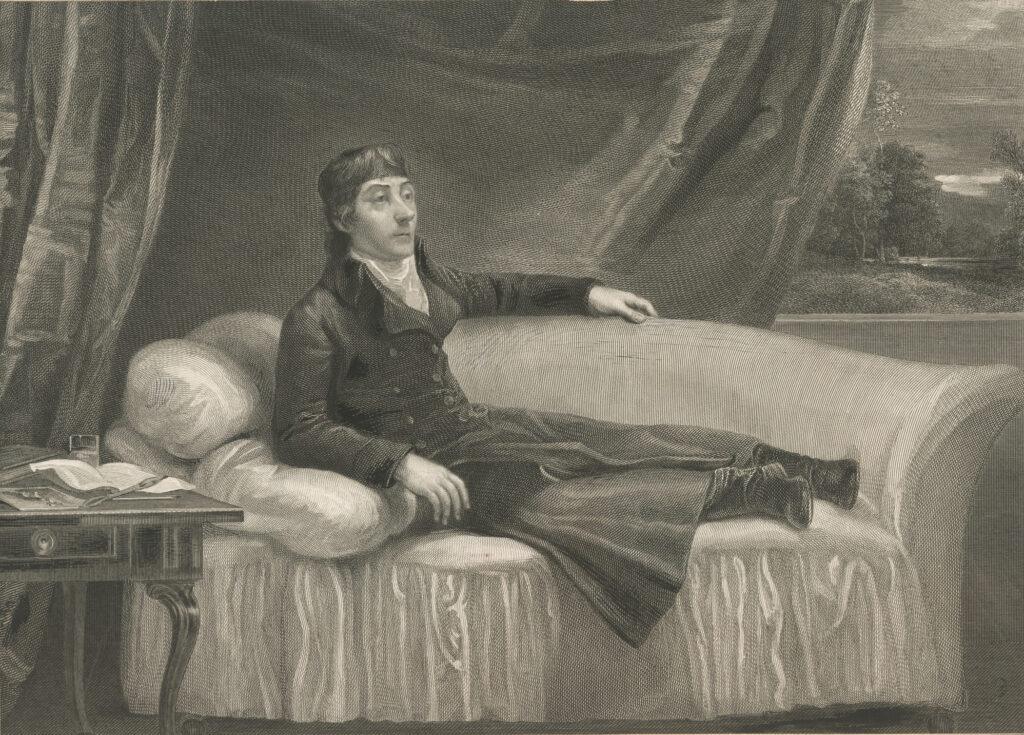
The anonymous letter was only one piece of a larger pattern of correspondence and intrigue. Brigadier General Thomas Conway was at the center of the effort. Conway, a European-trained officer, was openly critical of Washington and privately ambitious. In letters to Gates, Conway echoed many of the same criticisms found in the anonymous letter.
One such letter included the now infamous remark that:
“Heaven has been determined to save your country or a weak general and bad counsellors would have ruined it.”
This phrase, nearly identical in sentiment to the anonymous letter, circulated widely once revealed. When Washington learned of it he confronted Conway directly writing with calm but unmistakable precision and exposing the duplicity behind the criticism.
Gates, while careful to avoid open confrontation, was deeply involved. He received Conway’s letters, shared them selectively, and failed to inform Washington of criticisms that directly concerned him. Gates supporters in Congress quietly worked to elevate his authority including his appointment as president of the Board of War a move that diminished Washington’s influence.
Dr. Benjamin Rush, a prominent physician and signer of the Declaration of Independence, is often cited as the likely author or intellectual source of the anonymous letter. Rush believed Washington lacked strategic vision and privately advocated for Gates. In letters to fellow leaders, Rush described Washington as overly cautious and suggested that the revolution required a commander with greater decisiveness and energy.
Exposure and Reaction
The conspiracy unraveled not through secrecy but through exposure. As the letters circulated, their tone and intent became impossible to ignore. Rather than weakening Washington, the revelations galvanized his supporters.
Officers who endured Valley Forge alongside Washington, including Nathanael Greene, Henry Knox, and the Marquis de Lafayette, defended him fiercely. Lafayette, in particular, viewed the attacks as a betrayal of both Washington and the cause. He wrote to Congress affirming Washington’s character and leadership and worked behind the scenes to counter Gates’ influence.
When Congress and the public learned of the anonymous letter and Conway’s remarks, the reaction turned against the conspirators. Conway’s credibility collapsed. After being wounded in a duel and facing widespread condemnation, he resigned his commission and later issued an apology to Washington.
Gates’ political standing declined sharply. His role in the intrigue damaged his reputation, and he never again enjoyed the same level of trust or influence. The Board of War experiment faltered, and Washington’s authority was quietly restored.
In January 1778, Congress reaffirmed its confidence in Washington as commander-in-chief. The army remained intact and soon benefited from the professional training reforms introduced by Baron von Steuben.
Newburgh vs. Conway
It is essential not to confuse the Conway Cabal with the Newburgh Conspiracy of 1783. While both involved anonymous letters and criticism of Washington, the contexts were entirely different. In the Newburgh Conspiracy, officers protested unpaid wages and pensions after years of service. In 1778, the anonymous letter sought to remove Washington during wartime and replace him with a rival commander.
In both cases, Washington responded with restraint, moral authority, and a deep understanding of republican values. His ability to defuse internal threats without force or retaliation remains one of his greatest contributions to American political culture.
Tested and Proven
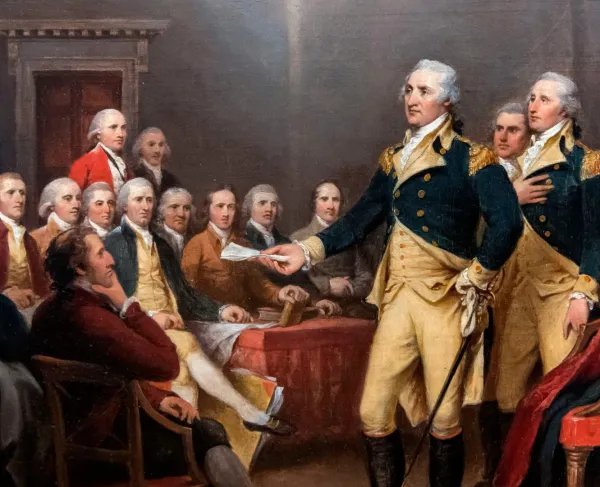
The anonymous letter of 1778 stands as one of the most revealing documents of the American Revolution. Its language was harsh, its intent unmistakable, and its timing perilous. It accused George Washington of weakness, idolatry, and failure at a moment when the revolution could least afford division.
Yet the letter failed. It failed to remove Washington, failed to divide the army, and failed to persuade Congress that the cause required a new leader. Instead, it exposed the dangers of ambition, factionalism, and impatience.
Washington emerged from the crisis not as an untouchable hero but as a leader tested by betrayal and strengthened by loyalty. His survival of the Conway Cabal demonstrated that the revolution was sustained not by blind devotion but by trust earned through endurance, integrity, and sacrifice.
In the frozen winter of Valley Forge and the heated politics of Congress, Washington won one of his most important victories without firing a shot. The anonymous letter meant to end his command instead helped secure his place in history as the indispensable leader of the American Revolution.
Teaching this episode of American history is vital as the nation prepares to mark 250 years since its founding. Too often, the story of the revolution is simplified into a tale of unanimous support and inevitable triumph. The anonymous letter of 1778 and the Conway Cabal remind us that even the greatest leaders, and in this case, the nation’s founder, faced intense internal political battles alongside the external war for independence.
Washington was not universally admired nor unquestioned. He had to earn trust, navigate rivalry, and withstand personal attacks while remaining committed to the ideals of republican leadership. By teaching students that the American Revolution was shaped by disagreement, ambition, and uncertainty, we offer a more honest and more powerful understanding of our past.
It shows that democracy has always been contested, that leadership is forged through resilience and restraint, and that the United States was built not by perfection but by perseverance.
Don’t Miss the Best of We Are The Mighty
• The original US Navy was an armada of American rebels and privateers
• The Revolutionary War battle that forced Americans to choose sides
• The Raid on Richmond was Benedict Arnold’s best battle as a British general