When most people picture the American Revolution, they imagine the thunder of cannon fire, the smoke of musket volleys, and the drama of decisive engagements like Saratoga or Yorktown.
Yet beneath the visible conflict ran a quieter war fought not with weapons but with information. Intelligence determined whether armies marched into traps or toward opportunity. Messages carried across occupied cities and contested countryside could alter the course of campaigns.
Related: The anonymous plot to oust George Washington as commander-in-chief
Spies, couriers, and informants formed networks that connected distant outposts to Gen. George Washington’s headquarters. Their work depended on trust, discipline, and the ability to communicate without detection. Among the most ingenious tools they used was invisible ink, known in the 18th century as “sympathetic stain.”
Invisible ink allowed American agents to send sensitive information across enemy lines while maintaining the appearance of ordinary correspondence. Letters could be intercepted, read, and even scrutinized without revealing the hidden message. This ability to communicate secretly became one of the most important advantages for Washington and his intelligence network.
The Intelligence Crisis of the Early War
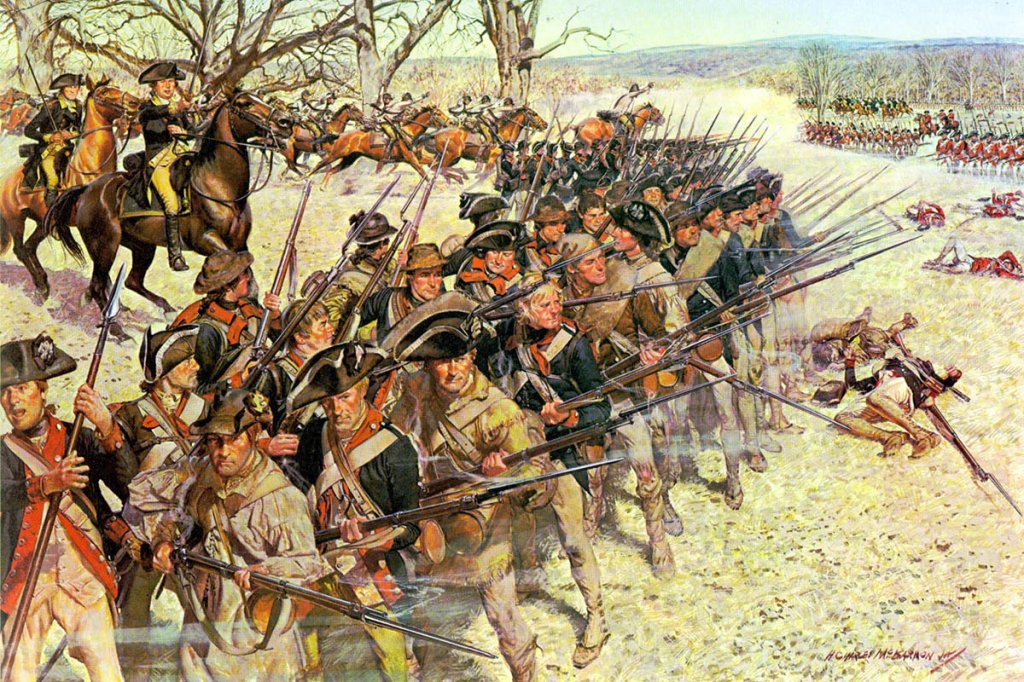
At the start of the revolution, the Continental Army faced a serious intelligence problem.
British forces controlled major cities and had access to established networks of communication. American forces, by contrast, were often scattered and under-resourced. Washington quickly realized that information about British troop movements and plans would be critical. Without reliable intelligence, he risked leading his army into ambushes or missing opportunities to strike.
The challenge was to gather information and transmit it safely. Couriers could be captured, letters could be intercepted, and codes could be broken. Washington needed a method that would allow messages to pass unnoticed even if they fell into enemy hands.
Early attempts at secure communication relied on codes and ciphers, which could be effective but were not foolproof. If a codebook were captured or deciphered, an entire network could be compromised. Some agents used simple forms of invisible ink made from lemon juice or milk, but these methods had significant limitations.
Heat could reveal the hidden writing, and a suspicious officer might discover a message simply by holding a letter near a candle. The need for a more reliable solution became clear. This need led to one of the most fascinating scientific contributions to the American cause.
Dr. James Jay and the Birth of Sympathetic Stain

America's First Spymaster
The development of advanced invisible ink for the American Revolution is closely associated with Dr. James Jay. The physician was the brother of John Jay, one of the nation’s leading patriots and later its first chief justice. James Jay applied his knowledge of chemistry to the problem of secure communication. He created a two-part system that allowed messages to remain completely invisible until treated with a specific chemical reagent. This system was far more sophisticated than earlier methods and represented a significant advancement in the science of espionage.
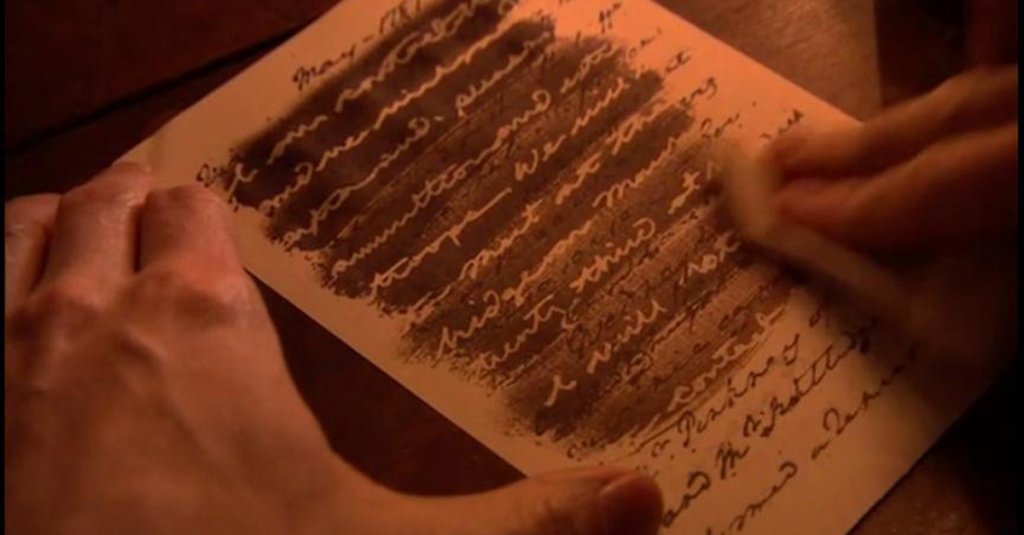
Jay’s invisible ink consisted of a “stain” that could be used to write a message and a separate developer that later revealed the writing. The stain left no visible trace once it dried, making it nearly impossible to detect through casual inspection. The developer, when applied to the paper, would react with the invisible writing and cause it to appear in a faint brown or reddish color.
Without access to the correct developer, the message remained hidden. This two-part system provided a level of security that simple organic inks could not match. It also required coordination between the writer and the recipient, ensuring that only trusted individuals could reveal the message.
Writing Between the Lines
The process of using sympathetic stain required careful planning and attention to detail.
A spy would begin by composing an ordinary letter, often filled with mundane information about daily life, trade, or family matters. Between the lines of this visible text, the writer would use the invisible ink to add a secret message. The letter would then be sent through normal channels, passing through British checkpoints and postal routes. If intercepted, it would appear harmless. Only the intended recipient, equipped with the proper developer, could reveal the hidden writing.
This method allowed American agents to communicate across great distances without exposing themselves. It also provided a degree of plausible deniability. If questioned, a writer could point to the visible text and claim that the letter contained nothing more than personal correspondence.
The true message remained concealed until the developer was applied. Watching the hidden writing appear must have felt almost magical, yet it was the result of careful scientific experimentation and disciplined practice.
The Culper Ring and the New York Network
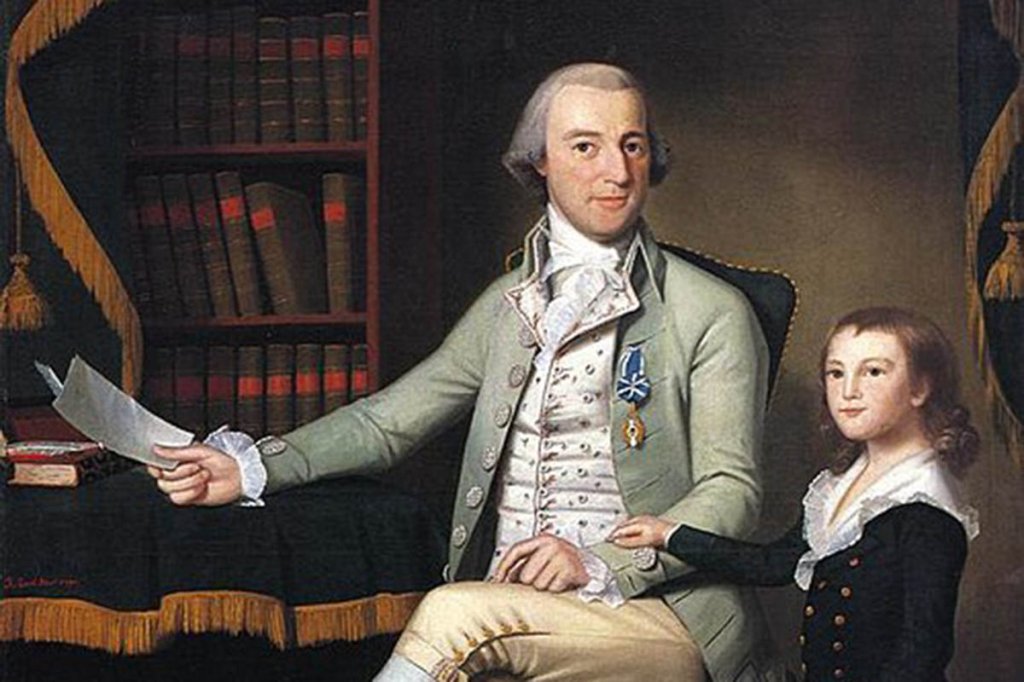
Invisible ink played a central role in one of the most effective intelligence networks of the American Revolution, known as the Culper Ring. Organized under the direction of Maj. Benjamin Tallmadge, the network operated primarily in British-occupied New York. Members of the ring included Abraham Woodhull, Robert Townsend, and several others who gathered information about British troop movements, naval activity, and military plans. They relied on sympathetic stain to transmit their findings to Washington.
The Culper Ring’s operations demonstrate how invisible ink could transform ordinary letters into powerful intelligence tools. A merchant’s correspondence or a family letter might contain detailed information about British activities. Because the hidden writing could not be revealed by simple heating, it remained secure even under close inspection. This allowed the network to function in an environment where suspicion and surveillance were constant.
The information gathered by the Culper Ring helped Washington anticipate British actions and make informed strategic decisions.
Washington as Agent 711
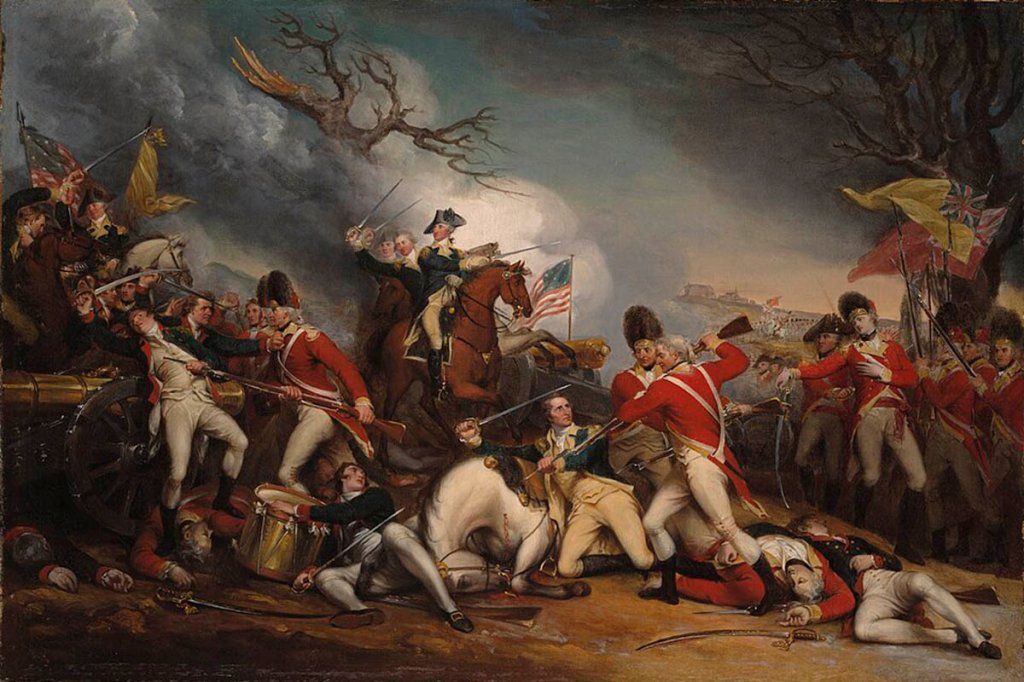
George Washington’s involvement in the intelligence network went beyond receiving reports.
He actively supported the development and use of secure communication methods. Within the network, he was assigned the code name Agent 711. In his correspondence, Washington often referred to the invisible ink as “medicine” to disguise its true purpose. He requested supplies of the chemical solution and emphasized secrecy. His letters reveal a leader deeply engaged in the details of intelligence work.
Washington understood that information could determine the outcome of the war. The intelligence he received through hidden messages allowed him to avoid traps, prepare defenses, and coordinate movements. He recognized that the success of his army depended on the reliability of its communication.
By supporting the use of sympathetic stain, Washington demonstrated his willingness to embrace innovation. His leadership in this area reflects a broader understanding that the revolution required creativity as well as courage.
British Countermeasures
The British were not unaware of invisible ink.
They experimented with their own methods and suspected that hidden messages might exist in intercepted letters. However, the American system that James Jay developed proved difficult to detect. Because it required a specific developer, it could not be revealed by simple heating. Even when British officers suspected that a letter contained hidden writing, they often lacked the means to expose it. This uncertainty worked in favor of American agents, allowing them to continue their communications with relative confidence.
British efforts to detect invisible ink sometimes involved chemical testing or careful inspection, but these methods were not always effective. The difficulty of revealing sympathetic stain without damaging the letter or alerting the sender posed a significant challenge.
As a result, many hidden messages likely passed through British hands without being discovered. This advantage helped sustain the American intelligence network and contributed to its success.
Science and Innovation in Revolutionary Cause
The story of invisible ink highlights the role of science and innovation in the American Revolution.
The war was not fought solely with weapons but also with ideas and experiments. James Jay’s work demonstrates how scientific knowledge could be applied to practical problems in times of crisis. The development of sympathetic stain required an understanding of chemical reactions and a willingness to experiment. Its successful implementation reflects the creativity and resourcefulness of those who supported the revolutionary cause.
This blending of science and strategy underscores the collaborative nature of the revolution. Physicians, merchants, farmers, and soldiers all contributed in different ways. The intelligence network depended on tools like invisible ink, as well as on the courage of those who used them. Each hidden message represented a small but significant act of resistance. Together, these messages formed a web of information that helped sustain the revolutionary effort.
Risk, Courage, and Human Stories

The Culper Ring: Spying for the Revolution
Behind every hidden message stood individuals who risked their lives to share information.
Spies who used sympathetic stain operated under constant threat. If discovered, they could face imprisonment or execution. Writing between the lines of a letter required not only technical skill but also nerve. Couriers who carried these letters had to navigate checkpoints and patrols, often under the watchful eyes of British soldiers. The secrecy afforded by invisible ink provided some protection, but it was never absolute.
The success of the intelligence network depended on trust and discipline. Participants had to follow strict protocols and maintain composure under pressure. Their work often went unrecognized, yet it played a crucial role in sustaining the revolution. These individuals operated in the shadows, contributing to a cause that reshaped the world.
Legacy and Modern Parallels
The use of invisible ink during the American Revolution foreshadows modern methods of secure communication.
Today, encryption protects digital information in much the same way that sympathetic stain protected written messages. Although the technology has evolved, the underlying principle remains the same. In any conflict, the ability to communicate securely can be decisive. The innovations of the Revolutionary era demonstrate how creativity and determination can overcome significant challenges.
The legacy of sympathetic stain extends beyond its immediate impact on the war. It represents an early example of how science can influence the course of history. It also highlights the importance of intelligence in shaping military strategy. By allowing hidden messages to travel safely across enemy lines, invisible ink helped sustain the revolutionary cause and contributed to the eventual victory of the United States.
Recreating History: A Safe At-Home Demonstration
For those interested in connecting with this aspect of history, it is possible to recreate a simple form of invisible ink using common household materials.
While these demonstrations are not identical to the sophisticated chemistry used during the revolution, they illustrate the basic principles. One method involves using lemon juice as invisible ink. By writing a message with lemon juice on paper and allowing it to dry, the writing becomes nearly invisible. When the paper is gently warmed, the message darkens and becomes visible. This reflects the early forms of hidden writing that existed before the development of sympathetic stain.
A more advanced demonstration can be achieved using a two-part process. A mixture of baking soda and water can serve as the invisible ink. Once the writing dries, it disappears. To reveal the message, a dark fruit juice such as grape juice can be brushed over the paper. The acidic juice reacts with the baking soda residue, causing the hidden writing to appear.
This mirrors, in principle, James Jay’s two-part system. Such activities provide a hands-on way to explore the ingenuity of revolutionary spies and to appreciate the challenges they faced.
Messages that Changed a Nation
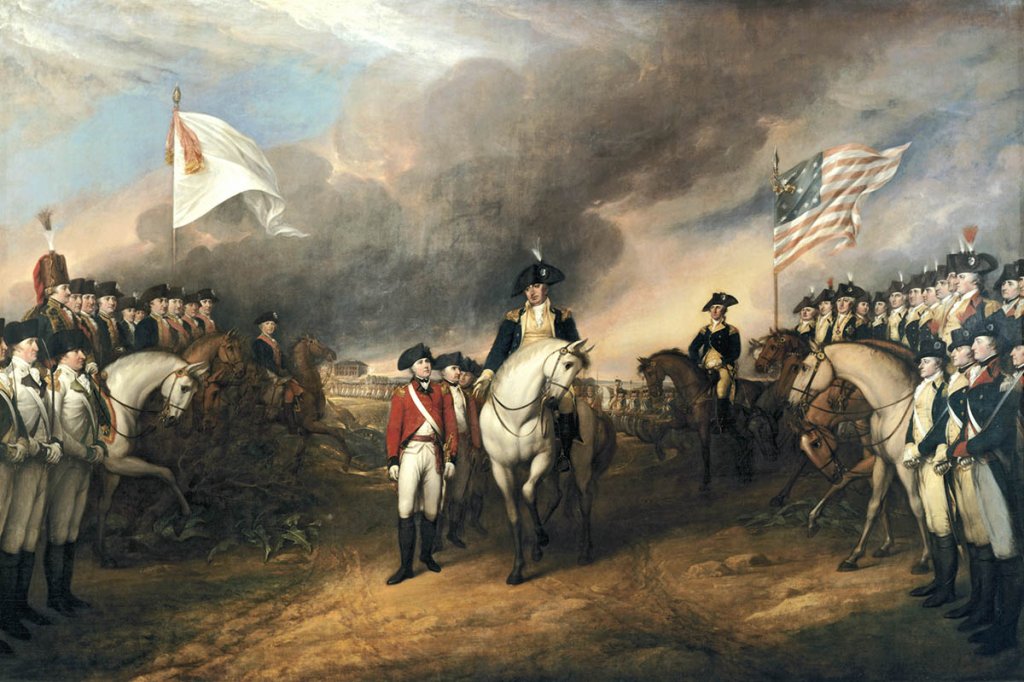
The story of invisible ink during the American Revolution reveals a hidden dimension of the struggle for independence.
Through the development and use of sympathetic stain, American agents found a way to communicate securely in a dangerous and uncertain world. Their hidden messages carried vital intelligence that helped Washington make informed decisions and sustain his army. The success of their efforts demonstrates that innovation and secrecy can be as powerful as weapons on the battlefield.
In the faint lines that emerged from seemingly blank paper, one can see the determination of a generation fighting for liberty. Each message represented a risk and a hope. The legacy of invisible ink reminds us that revolutions are not only fought in open conflict, but also in quiet acts of ingenuity. Between the lines of ordinary letters, the future of a nation was written, revealed only to those who knew how to see it.