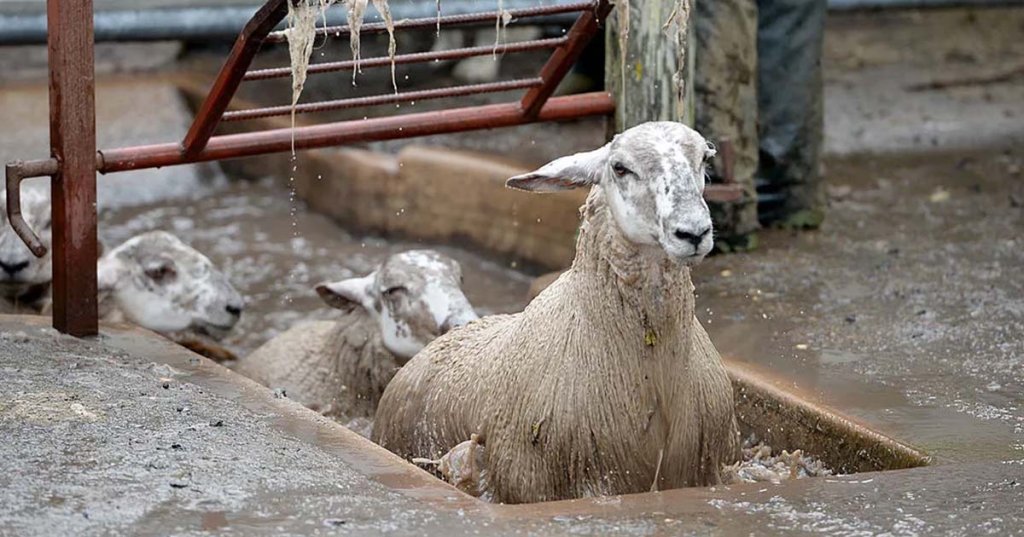
If you’re a sheep farmer, sheep dipping means you’re literally dipping sheep in a bath made to kill insects and fungus. It’s a good way to keep your flock healthy. If you’re in the military and about to be sheep dipped, it means your life is about to get a whole lot more interesting. “Sheep Dipping” is a term intelligence agencies use when they pretend to boot someone out of the military but secretly turn them into a covert operative.
Don’t worry, you will still receive your military retirement time and benefits. You just can’t tell anyone about it. Intelligence work can be weird work.
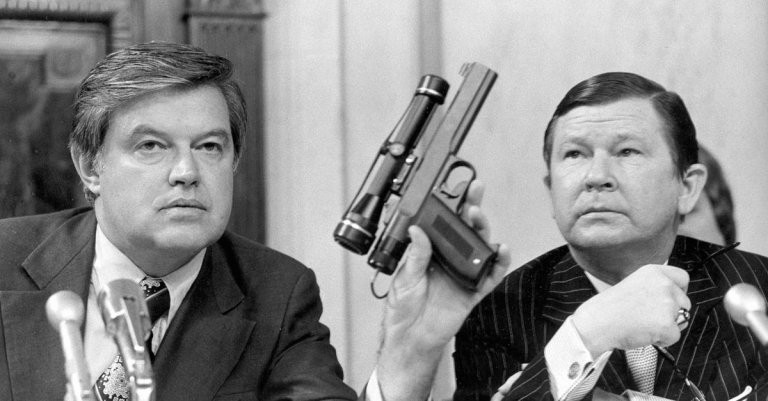
Also: A reminder that the CIA has a heart attack gun:
Episode 73: The CIA’s Top-Secret “Heart Attack Gun”
While “sheep dipping” isn’t the official term for transitioning a troop from military service to the clandestine service, it’s the term the Agency uses to describe the process of removing a career soldier, sailor, airman, or Marine from their branch of service on the surface.
Instead of actually removing the subject, the intelligence agency will just pull the troop’s official records, leaving behind the intelligence agency’s official record. You know, the one that says the troop is retired, separated, or otherwise not in the military anymore—and certainly not working for a secret intelligence agency.
The agency will take care of your real official record from there, but there’s still work to be done on the service member’s part. They will need to set about establishing an entirely new identity for themselves, one that distances them from the military, intelligence, and basically the whole government.
The objective here is to make their move plausible on the surface, which might even include writing to friends and family to explain why they got out of the military, what they’re going to do after leaving the military, and whatnot.

According to L. Fletcher Prouty, a retired Air Force Colonel who served as the chief of special operations in the Kennedy Administration, this practice began during the Vietnam War, following the 1962 Geneva Accords on the neutrality of Laos. This agreement prevented foreign combat troops from entering Laos.
American troops, engaged in combat in neighboring Vietnam, were subsequently forced out of the country. The Nixon Administration, not exactly known for honoring international borders when it came to prosecuting the war in Vietnam (or for honoring any kind of boundaries, really), decided it would need military support for intelligence agencies in Laos and opted to use “sheep dipping” as a means to get military members into the country.
If this seems implausible to you, remember we’re talking about the guy who decided to bug the Democratic National Committee to get a leg up during the 1972 election, and then cover it up, even though he was about to win in the country’s biggest landslide anyway.

The North Vietnamese were secretly supporting Laotian communists in their effort to topple the government there, so why shouldn’t the United States do the same thing in order to support the Laotians in power? Besides, the North Vietnamese were still using Laos as a staging point for attacking allied troops in South Vietnam.
The United States military decided to sheep dip a number of specially-trained U.S. troops in order to conduct a clandestine war in Laos. Nixon even allowed the Air Force to provide air support for the Secret War there.
The sheep-dipped soldiers of Vietnam were all provided with their full pay and benefits, not to mention regular promotions and their retirement in their confidential, official military records.
If a sheep-dipped troop were to be killed in the line of fire, that would pose more of a problem. Their family would struggle to get the benefits befitting a military widow. The agency handled each case separately, but its doubtful we’ll ever know what kind of outcomes those families saw.
More of We Are The Mighty:
Today’s Springfield Armory isn’t your grandpa’s Springfield Armory
How Apple TV+ followed ‘Band of Brothers’ and ‘The Pacific’ with ‘Masters of the Air’
The 5 most legendary snipers of all time