After the Japanese captured U.S. Army Pvt. Joseph “Jose” Quintero in 1942, he began plotting his revenge.
Being imprisoned was bad enough. His mind filled with memories of Japanese bombers destroying American flag poles during World War II, Quintero devised a form of payback.
Related: 7 POWs who were total badasses after being taken captive
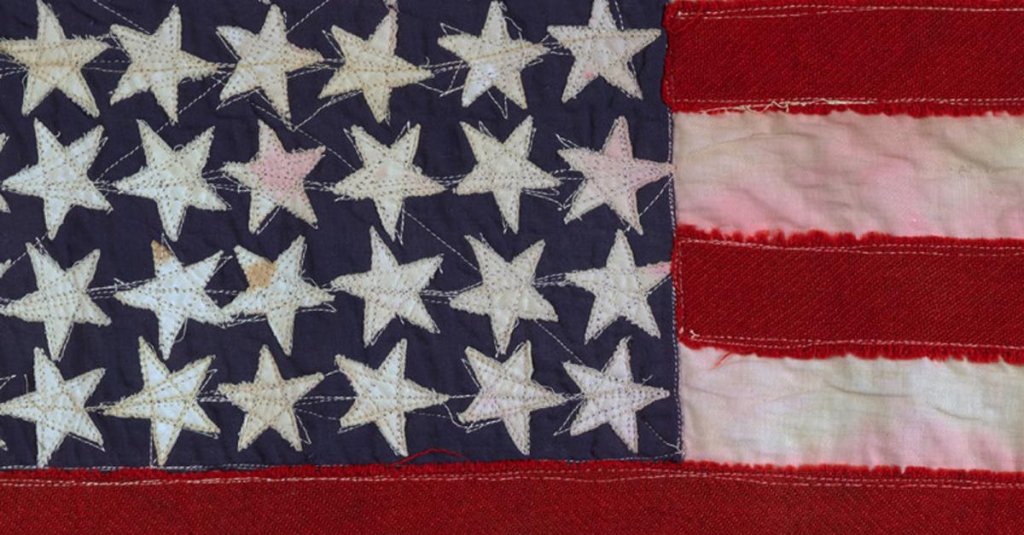
Along with the help of another prisoner of war in their camp in Niigata, Japan, Quintero secretly began making his own flag. They would have been tortured or possibly killed if either one was discovered.
The Japanese guards, though, never caught on.
“I so dearly loved watching Old Glory reach for the sky,” Quintero told authors Ezequiel L. Ortiz and James A. McClure for their book “Don Jose: An American Soldier’s Courage and Faith in Japanese Captivity.” “When our flagpole was destroyed on Bataan, I made a pledge to myself that I would someday wave the Stars of Stripes in the faces of the Japanese.”
Captured in the Philippines
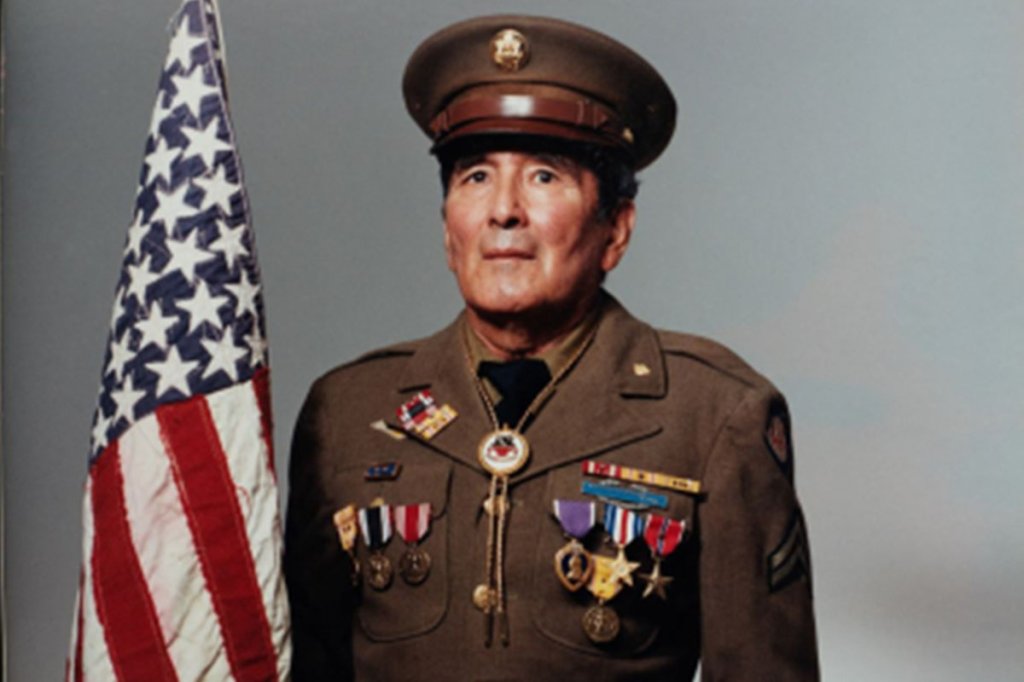
Quintero loved America because it had given him so much.
The son of Mexican immigrants, Quintero grew up in poverty as the oldest of nine children in Fort Worth, Texas. He enlisted in the military in January 1941 partly because he could be assured of his next meal, no small consideration after his upbringing.
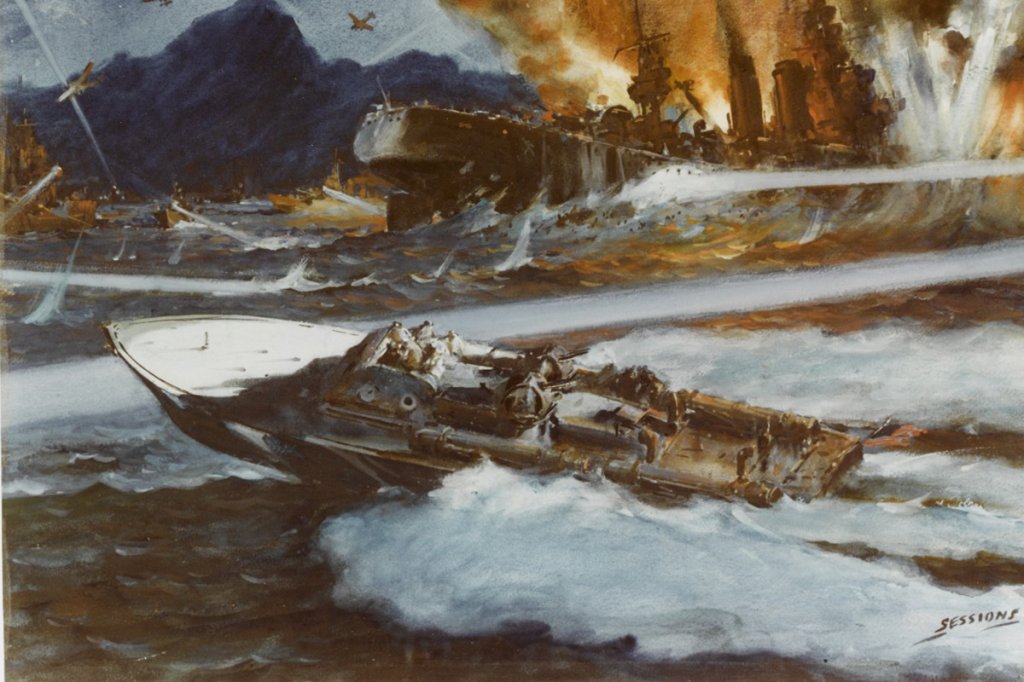
Assigned to an air defense battery, Quintero was serving in the Philippines when the Japanese caught and imprisoned him. Originally detained at a POW camp on the island of Corregidor, his captors transported Quintero and other Allied prisoners on one of their myriad “hell ships.”
On that ship, Quintero survived an emergency appendectomy that other POWs performed with a razor blade and two spoons.
At the POW camp in Japan, Quintero worked shifts in the hospital area and mess hall. His main focus, though, was on his top-secret project.
A Flag that Took a Year to Make
In cahoots with a Canadian POW who had access to a sewing room, Quintero worked on the flag for a year. Whenever they were not crafting their flag, Quintero kept it hidden from their Japanese captors by stashing it beneath the floorboards under his bed.
Quintero relied on a hodgepodge of materials, including cut-up white bedsheets, a red wool blanket and blue dungarees. The flag pole was repurposed from a bamboo stick with which the Japanese guards beat prisoners.
The end result was not technically perfect, but the patriotic symbolism could not be denied. Now, all Quintero needed was the right time to deploy it.
Proudly Waving the Flag
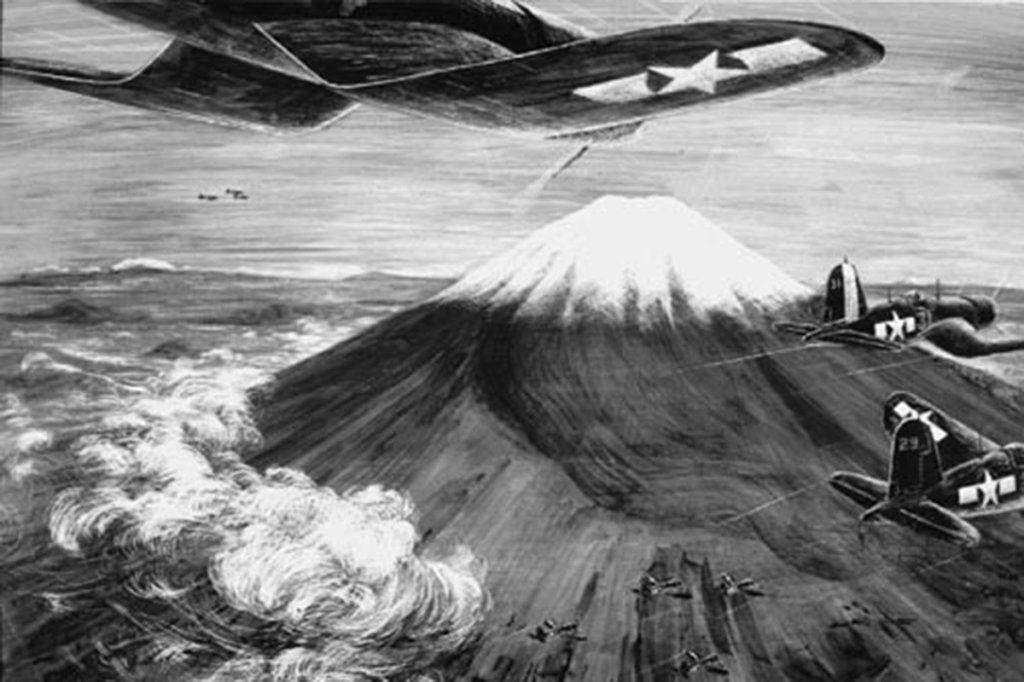
That time came shortly after Japanese Emperor Hirohito conceded defeat on August 14, 1945.
When the POWs learned of that announcement, Quintero didn’t hesitate. He grabbed the flag and ran outside. Hearing American planes overhead, he raced to the top of a building and waved the Stars and Stripes with as much energy as he could muster.
One of the pilots spotted Quintero and tipped his wings as a sign of recognition. Quintero’s quick actions helped save his life, along with those of the other POWs.
“Jose so loved his country that he looked for a way to express that love,” Lt. Gen. Edward Baca said, according to a 2022 story from the Smithsonian. “He wanted to honor his friends and to make a symbol for himself to prove that he had not been ‘broken’ in spirit. Most of all, he wanted to honor what he calls ‘the real heroes of the war,’ those who made the ultimate sacrifice, those dying all around him.”
A Well-Traveled Story
A former chief of the National Guard Bureau, Baca met Quintero in the 1990s while presenting him with a military medal. In return, Quintero, who died in 2000 at the age of 82, told Baca of his makeshift flag and presented it to him with one request.
He wanted Baca to spread the word about its creation and the patriotic message it conveyed. Baca accepted the challenge, perhaps not realizing at the time how time-consuming this new mission would become.
A longtime marathon runner, Baca never tired of telling the flag’s story, though. Accompanied by his prized possession, he traveled to every U.S. state and territory, as well as all seven continents, to do just that.
Along the way, Baca agreed to give the flag to the Smithsonian Institution when he was done.
Within a year after Baca’s death in 2020, Quintero’s flag resided in the Smithsonian’s National Museum of American History, ensuring that his story will be told for generations to come.