
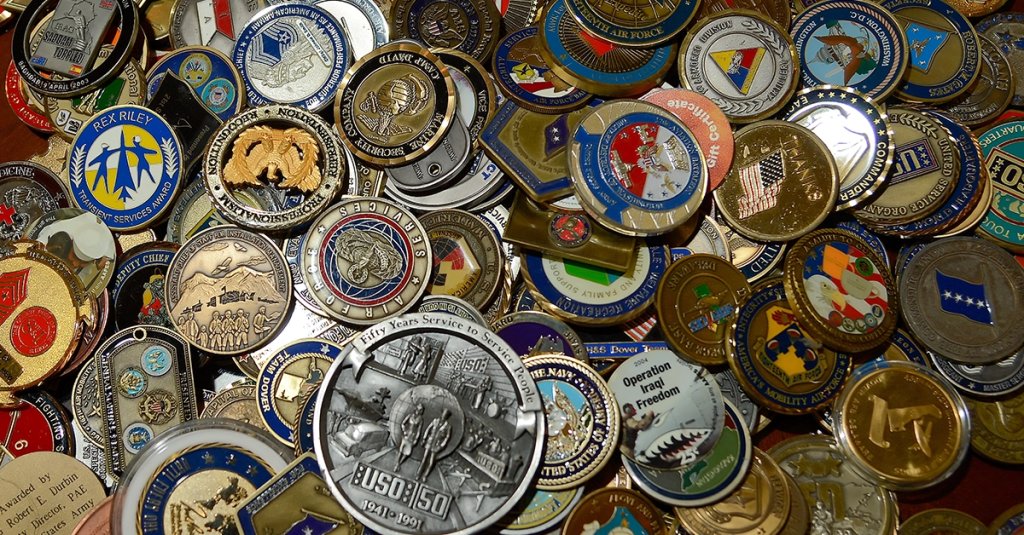
On its face, a challenge coin is a small, custom-designed medallion that bears an organization’s insignia or emblem. They’re carried by the unit members to signify membership, honor achievements, support team building, or commemorate special events.
But that definition barely scratches the surface, because it might mean more to them than most people will ever understand.
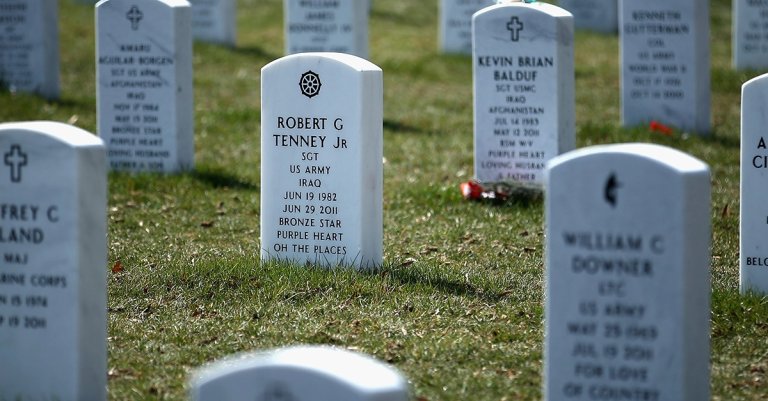
Also Read: What happens to coins on military headstones
These coins are about a connection to something bigger than oneself. What started as a way to build esprit de corps has become one of the most enduring traditions in military and first-responder culture—and a legitimate collectible market worth real money.
From Rome to the War on Terror
The military gets most of the credit for the challenge coin, but the tradition’s roots are genuinely murky, and that’s part of what makes it interesting.
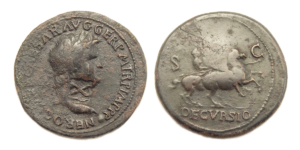
Some historians trace coin culture all the way back to ancient Rome. Roman soldiers who distinguished themselves in combat were sometimes given an extra coin stamped with the mark of their legion on top of their normal wages, as recognition of their prowess. These coins were kept rather than spent: proof, even then, that some currency is worth more than what it can buy.
The more widely told origin story lands in World War I. Volunteer soldiers poured into the war from every background imaginable. A lot of the early pilots came from wealthy families, many of them Ivy League men.
One story, popularized by the U.S. Air Force, holds that a wealthy young lieutenant had bronze medallions bearing his squadron’s emblem struck and gave one to each man in his unit. During a mission over enemy territory, his aircraft was shot down, and he was taken prisoner. His German captors stripped him of everything—everything except a small leather pouch around his neck that held his medallion.
He escaped during a bombardment, made it to a French outpost, and nearly got shot as a spy before he produced the coin. The French recognized the American military insignia and let him go. When he got back to his unit, he made sure every pilot was carrying one.
Whether that story is literally true in every detail is debated, but the coin culture that came out of it isn’t. The tradition stuck.
The Coin Check Was Born in a Bar
Nobody’s surprised that the formalized ritual around challenge coins, the coin check, was born from alcohol (shocking, I know). During the Vietnam War era, coin checks developed partly as a way to separate combat veterans from rear-echelon personnel trying to drink in forward base clubs.
The modern coin check has its clearest documented roots with the 10th Special Forces Group, when a former commander of the unit became the first to mint a formal coin for the U.S. military. Challenge coins were reportedly used to authenticate the identity of genuine Green Berets after impostors started claiming membership. A unit coin was something a fraud couldn’t easily produce. The practice spread, and eventually it formalized into what soldiers know today.
The 10th Group remained the only Army unit with its own coin until the mid-1980s, when, as Roxanne Merritt, curator of the John F. Kennedy Special Warfare Museum at Fort Bragg, described it, “an explosion took place, and everybody started minting coins.”
The rules of a coin check are simple: anyone in the bar can initiate one at any time by holding their coin in the air or slamming it on the table. Everyone else has to produce theirs. Caught without your coin? You’re buying the next round. If everyone’s got theirs? The person who called the check is paying.
It’s part social contract, part accountability, and entirely military.
The tradition has since spread internationally. Allies who train alongside American forces, like NATO partners, special operations units from Australia, the UK, and elsewhere, have adopted a coin culture of their own.
Not Just Round Anymore
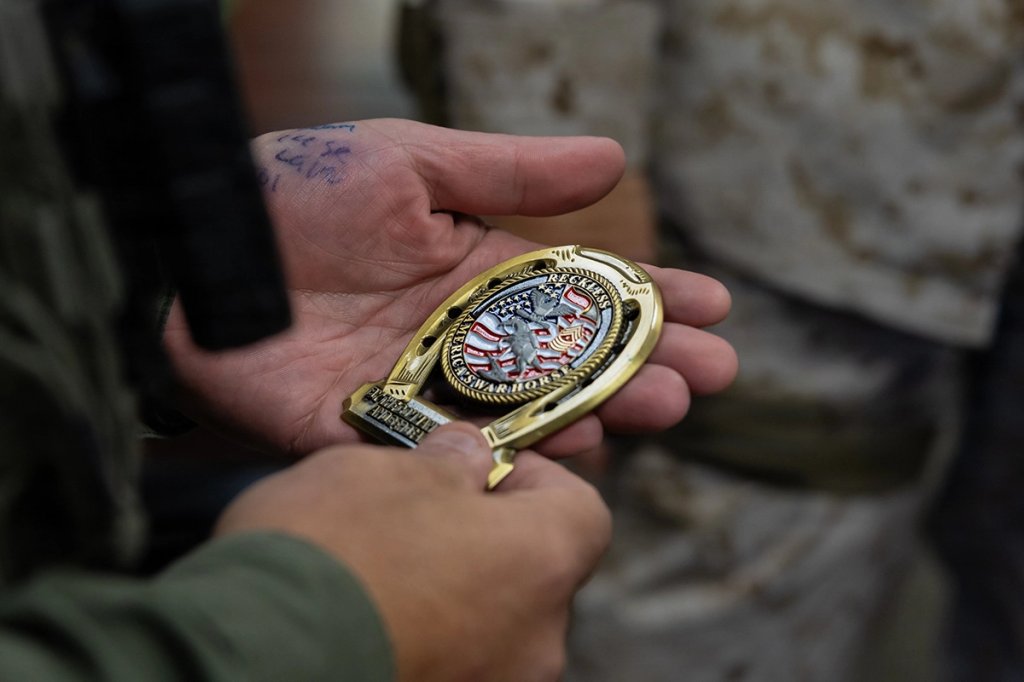
Early challenge coins were exactly that: coins. Round, metal, simple. As the tradition grew, so did the creativity. Today they come in every conceivable shape: states, dog tags, shields, animals, bottle openers, multi-tool configurations.
They’re made in different sizes and thicknesses, with cutouts, colored enamel fills, 3D relief, glow-in-the-dark finishes, and serialized numbering for limited runs. What started as a functional unit identifier has become genuine folk art.
Beyond the Military
Law enforcement wasn’t going to let the military have all the fun. Most departments now have their own coins. The NYPD, with its tens of thousands of officers spread across countless bureaus and specialized units, arguably has more distinct challenge coins in circulation than any other organization in the country.
From there, the tradition jumped the fence entirely. Defense contractors, federal agencies, the White House, Congress, museums, hose draggers, motorcycle clubs, and even film and television productions have struck their own coins. The Presidential challenge coin, given by a Commander-in-Chief to service members, dignitaries, and others, has become one of the most sought-after for any collection.
Sometimes coins commemorate things that probably shouldn’t be commemorated. In 2020, Connecticut State Trooper Matthew Spina was caught on dashcam telling a driver, “You’re f#&ked, how’s that sound” and a coin was reportedly made referencing the incident. Other coins have marked police “Blue Flu” walkouts and riot responses, including the Freddie Gray and George Floyd protests, with Hats and Bats themes referencing riot helmets and batons.
How You Get One and How You Keep It
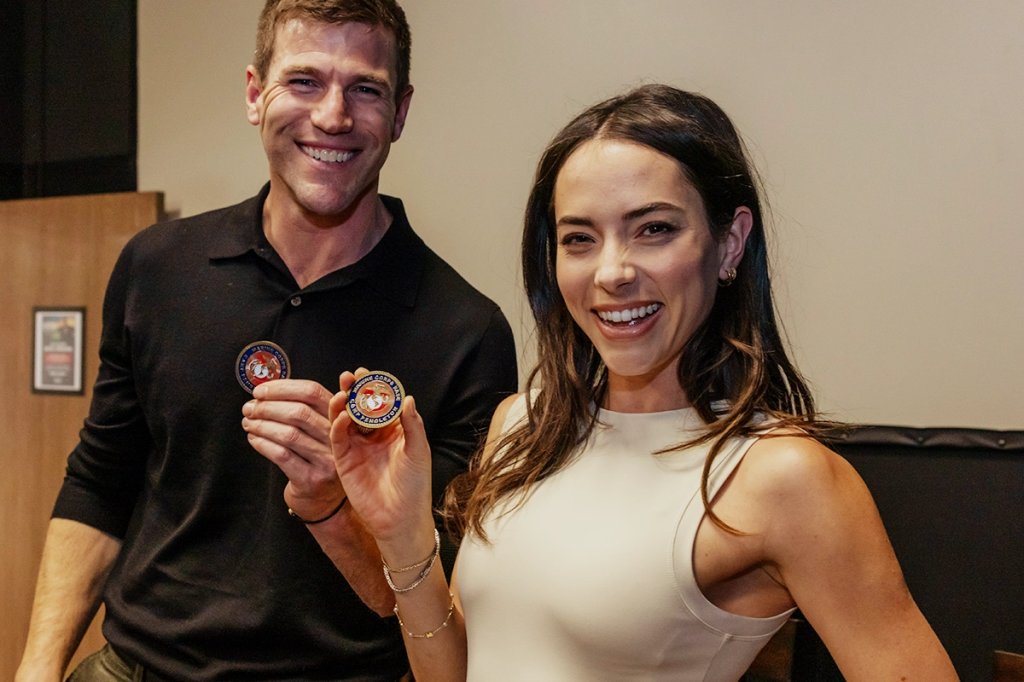
Often, the presentation of a coin is accomplished through the common handshake. Many recipients have met with commanders and, after shaking hands, found themselves with a cool present.
There are other ways of collecting coins that don’t involve service, like buying them. Today, collecting challenge coins is a big business. With one look, you can find thousands of coins for sale, as well as stands for displaying collections.
Challenge coins are rooted in history and tradition, and most are presented as expressions of appreciation, usually for a job well done. Those receiving them are proud of the acknowledgment. And they should be: it’s symbolic and a source of pride, a way to show people that they are valued team members.
Don’t Miss the Best of We Are The Mighty
• Tokens of remembrance: The things we leave behind
• How pocket change saved one soldier’s life in WWI
• The new dime design has no olive branch and people are up in arms over it
Loading comments…
Comments couldn’t be loaded. Please refresh the page.