
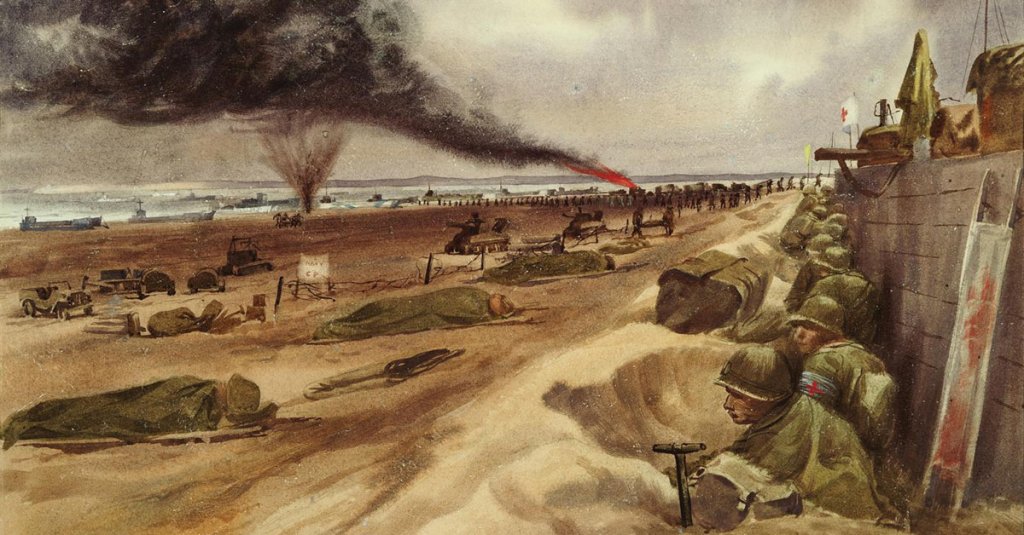
In Florida, specific academic standards guide classroom instruction.
For World War II, the primary benchmark is standard SS.912.A.6.1. It requires students to examine the causes, course, and consequences of World War II on the United States and the world. This includes understanding the origins and progression of the conflict, the character of the war at home and abroad, and how it ultimately reshaped America’s role in the postwar world.
Also Read: This plane survived Pearl Harbor and struck back at Midway
Teaching World War II within those expectations presents a unique paradox. It is one of the most expansive, complex, and transformative events in human history, yet in the structure of a modern classroom, it is often condensed into three 90-minute class periods per day over a three-day window.
In my own experience, that means 270 minutes to guide students through the origins of the conflict, its global scope, the major campaigns and battles, and ultimately how it reshaped the modern world.
That constraint forces a shift in mindset. The goal cannot simply be to “cover” World War II. Instead, it is to create impact by helping students understand not only what happened, but why it still matters and how our understanding of it continues to evolve.
Beyond the Hollywood Version of War
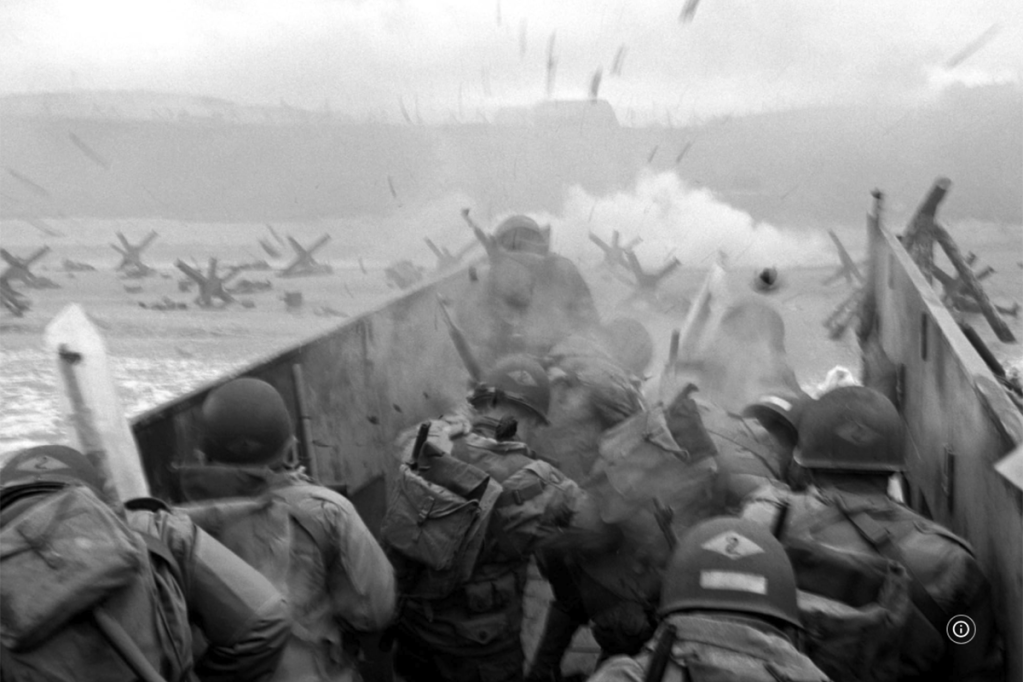
For many students, their first exposure to World War II does not come from a textbook but from film and television. Productions such as “Saving Private Ryan” and the HBO miniseries “Band of Brothers” have shaped popular memories of the war, particularly the brutal realities of D-Day.
These portrayals are powerful, immersive, and often deeply emotional. They succeed in humanizing the conflict in ways that resonate across generations.
However, they also present a challenge in the classroom. These narratives tend to focus on specific units, perspectives, or moments in time. They create a vivid but narrow lens through which students view the war.
In contrast, teaching World War II requires pulling back to reveal a global conflict that spanned continents, from the Eastern Front and the Pacific Theater to North Africa and Western Europe, while still preserving the human element that makes the history meaningful.
With classes of 30 to 45 students and limited instructional time, simply retelling events in chronological order is not enough. Students need something more engaging, something that disrupts the idea that history is fixed and fully known.
Teaching History as an Ongoing Discovery
One of the most important ideas I emphasize is that history is not a finished story locked into textbooks. Instead, it is continually being revised, refined, and sometimes fundamentally changed as new evidence emerges or old evidence is reexamined.
This approach transforms how students interact with the past. Rather than memorizing information for a test, they begin to see themselves as participants in an ongoing process of discovery. They start asking questions, challenging assumptions, and recognizing that even well-known events can hold untold stories.
Few examples capture this idea more effectively than the rediscovery of Maisy Battery.
The Changing Story of D-Day
For decades after World War II, the narrative of D-Day focused on well-documented German defensive positions along the Normandy coast. These sites were heavily studied, mapped, and memorialized.
Yet hidden beneath the landscape near Grandcamp-Maisy lay a vast and largely forgotten complex that once played a significant role in the battle.
In 2004, British historian Gary Sterne uncovered one of the most remarkable rediscoveries connected to the Normandy invasion. Using a map originally obtained from a U.S. Army veteran, Sterne located and began excavating the Maisy Battery. He revealed a sprawling German defensive network buried for nearly 60 years.
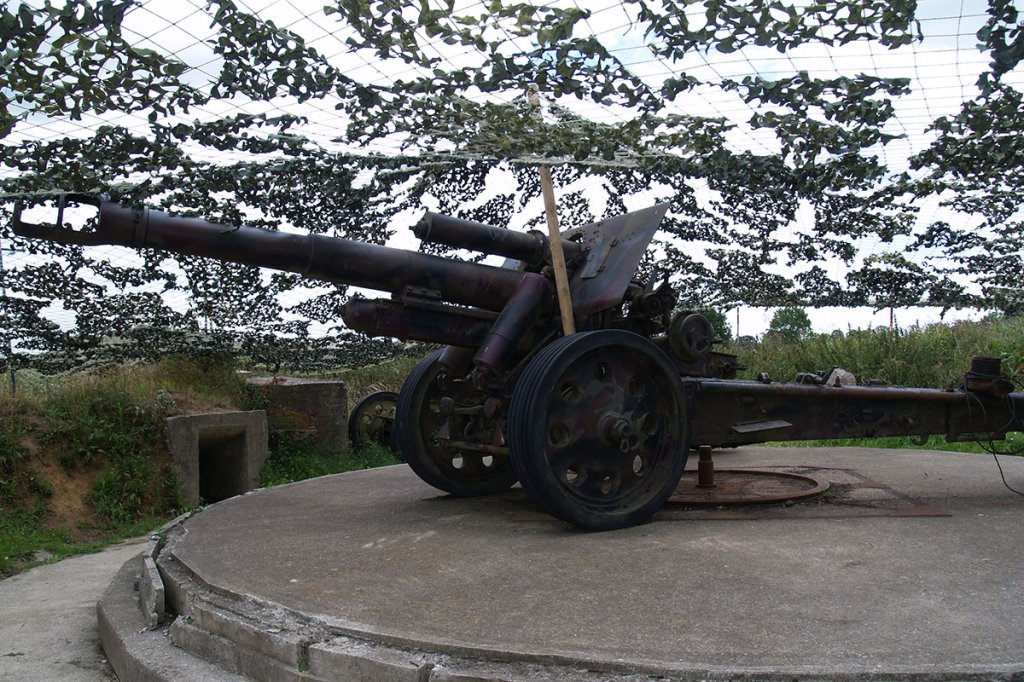
The site covered approximately 44 hectares and included an intricate system of more than three kilometers of interconnected trenches. These trenches linked reinforced bunkers, artillery positions, ammunition storage areas, and even medical facilities designed to support sustained combat operations. The complex itself comprised multiple positions, including Les Perruques and La Martinière, which functioned together as a coordinated defensive hub within Hitler’s Atlantic Wall.
The artillery stationed there was formidable. German forces operated 155mm French-made howitzers that were captured and repurposed, along with 105mm guns capable of delivering sustained fire across the invasion beaches. From this position, they targeted Allied forces landing on Utah Beach and Omaha Beach during the opening hours of D-Day.
The significance of this rediscovery lies not only in the scale of the site, but in its absence from mainstream historical narratives for so long. Despite its size and strategic importance, Maisy Battery was not fully documented in many postwar accounts. Its rediscovery forced historians to reconsider aspects of the German defensive network and the challenges faced by Allied forces during the invasion.
Bringing Rediscovery Into the Classroom
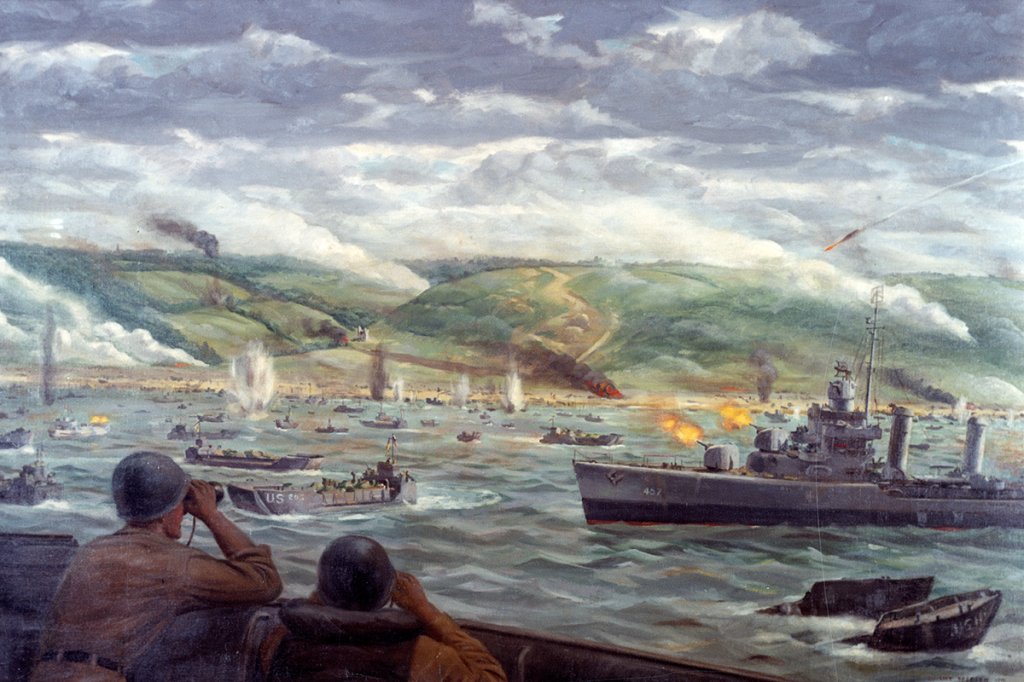
When students encounter the story of the Maisy Battery, their perception of history shifts.
D-Day is no longer just a dramatic scene from a film or a fixed moment described in a textbook. Instead, it becomes part of a larger, evolving narrative that new findings and fresh perspectives continually shape.
This realization creates a deeper level of engagement. Students start to see historians not as passive recorders of the past, but as active investigators piecing together evidence to construct a more complete picture.
In a limited time frame, these moments of realization are invaluable. They allow me to move beyond surface-level coverage and instead foster critical thinking, curiosity, and a genuine interest in the subject. Which leads to a much more important question that sits at the center of everything I do in the classroom:
What would you leave out if you had to teach World War II in 270 minutes?
When students wrestle with that question, they begin to understand the challenge of historical interpretation itself. They realize that teaching history involves a series of choices about emphasis, perspective, and narrative. And in that realization, they see why stories like the rediscovery of the Maisy Battery matter so much. They remind us that history is constantly written, even about events we think we already understand.
The Lasting Lesson
With only three class periods to teach World War II, an unavoidable tradeoff between breadth and depth exists. It is impossible to examine every campaign, leader, or battle in detail. Instead, the focus must shift toward helping students understand the broader themes of the war, its causes, its global nature, its human cost, and its lasting consequences.
Ultimately, the goal is not to produce encyclopedic knowledge. It is to instill an appreciation for the complexity of history and an understanding that the past is not as settled as it may seem.
Because sometimes, all it takes is a single discovery like a map preserved by a veteran to transform how we understand a defining moment like D-Day.
And when students grasp that idea, those 270 minutes become far more powerful than the time suggests.
Don’t Miss the Best of We Are The Mighty
• The highest ranking US military officer in World War II isn’t who you think
• This WWII aviation program was more expensive than the Manhattan Project
• The WWII bombardier whose family spent 12 years bringing him home from the ocean floor
Featured

Sponsored Content
Automated vs. self-directed investing: A guide for military families
Loading comments…
Comments couldn’t be loaded. Please refresh the page.