
This article originally appeared on Radio Free Asia.
The founder of one of China’s most prominent underground churches and dozens of its pastors and members have been arrested, the founder’s family and a church spokesperson said, part of a multi-city crackdown in recent days.
Related: ‘The Grunt Padre’ was a chaplain who gave his life for his Marines’ souls
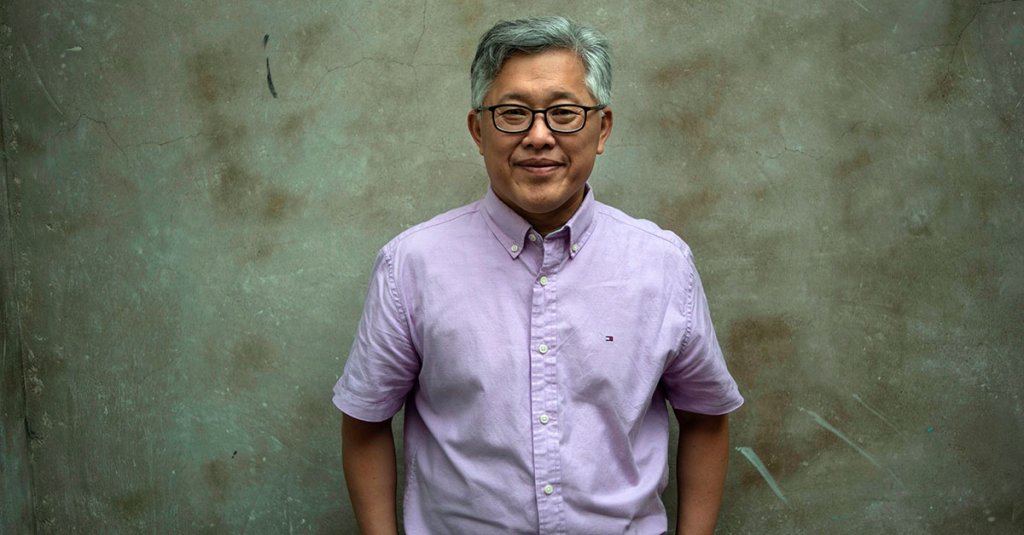
Jin Mingri, who founded Zion Church, a house of worship not sanctioned by the Chinese government, was arrested at his home in the city of Beihai in the southern region of Guangxi on Friday evening, his daughter, Grace Jin, and a church spokesperson, Sean Long, told reporters. Grace Jin said she was concerned for her 56-year-old father’s health and his access to legal representation.
“He’s been hospitalized in the past for diabetes. We’re worried since he requires medication,” she told Reuters. “I’ve also been notified that lawyers are not allowed to meet the pastors, so that is very concerning to us.”
Jin was detained on “suspicion of the illegal use of information networks,” according to a detention notice viewed by Agence France-Presse. Since Thursday, police have arrested church leaders and members in Shanghai, Beijing, Zhejiang, Guangxi, Shandong, Sichuan and Henan, according to a list compiled by church members that was seen by AFP.
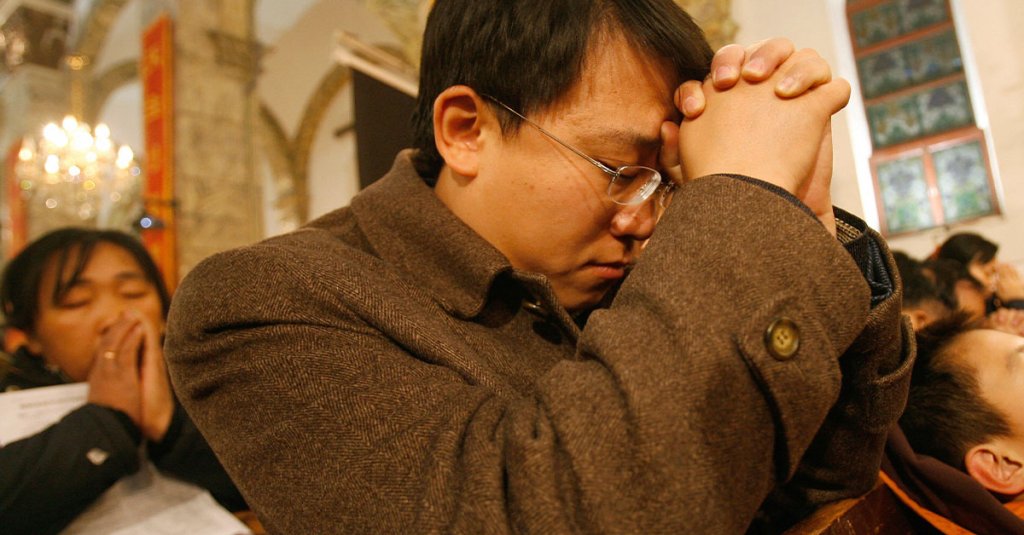
“House” churches like Zion Church generally operate without official registration documents and without the involvement of local religious affairs bureaus. Zion Church has about 5,000 regular worshippers across nearly 50 cities who attend sermons on Zoom and in small in-person gatherings, Long told Reuters.
The arrests come a month after Beijing’s top religion regulator issued new rules banning unauthorized online preaching, as well as a broader crackdown on online content that expresses views contrary to the Chinese Communist Party’s goals. Supporters fear the pastors could soon be indicted under these new rules. In a statement released Sunday, U.S. Secretary of State Marco Rubio condemned the arrests and called on Beijing to release the pastors.
“This crackdown further demonstrates how the CCP exercises hostility towards Christians who reject Party interference in their faith and choose to worship at unregistered house churches,” Rubio said.
House churches have long drawn Beijing’s scrutiny. In 2009, RFA spoke with pastors including Jin Mingri about signs then that the government was looking to better understand the role of underground houses of worship. In the years since, Beijing has cracked down on house churches and has put pastors at some Protestant churches through intensive training sessions as part of a “sinicization” campaign. According to the U.S. State Department, China continues to arrest thousands of people per year for worshipping in ways not approved by the CCP.
Includes reporting by Agence France-Presse and Reuters.
Used with the permission of Radio Free Asia, 2025 M St. NW, Suite 300, Washington, DC 20036.
Due to uncertain funding, Radio Free Asia is not delivering news to audiences for the first time in its history. For RFA journalists who sacrificed so much in defying powerful and malignant forces, it’s an excruciating moment. And make no mistake, authoritarian regimes are already celebrating RFA’s potential demise.




Loading comments…
Comments couldn’t be loaded. Please refresh the page.