
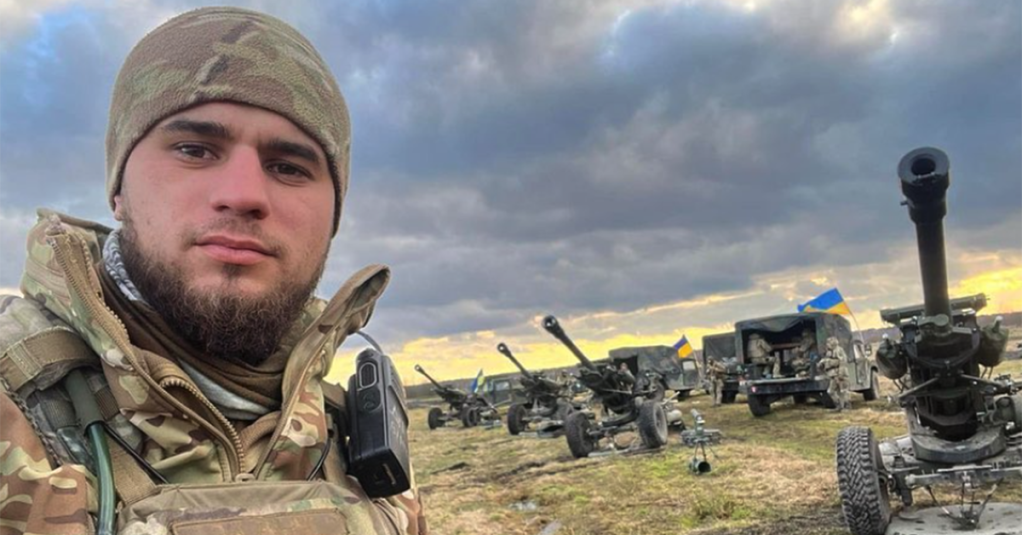
Hamlet Avagyan left his native Armenia for Ukraine in 2015 to fight against Russian military and pro-Russian separatists.
Avagyan committed for three months, yet he never left. He told Ukrainska Pravda, an independent news outlet, that a chance meeting with a Ukrainian soldier changed his outlook forever.
Related: Ukraine is using a World War I ‘creeping barrage’ tactic to turn the tide of the war
“In Avdiivka, I met Da Vinci,” said Avagyan, now a major in the Ukrainian military. “Up until then, it had been like working in any other country, but I became friends with him and began to feel what he felt, to think the way he thought. Ukraine is home. Russia is the enemy. So when everyone else left, I stayed. I decided I wouldn’t abandon my friends.”
A Rising Star in the Ukrainian Military
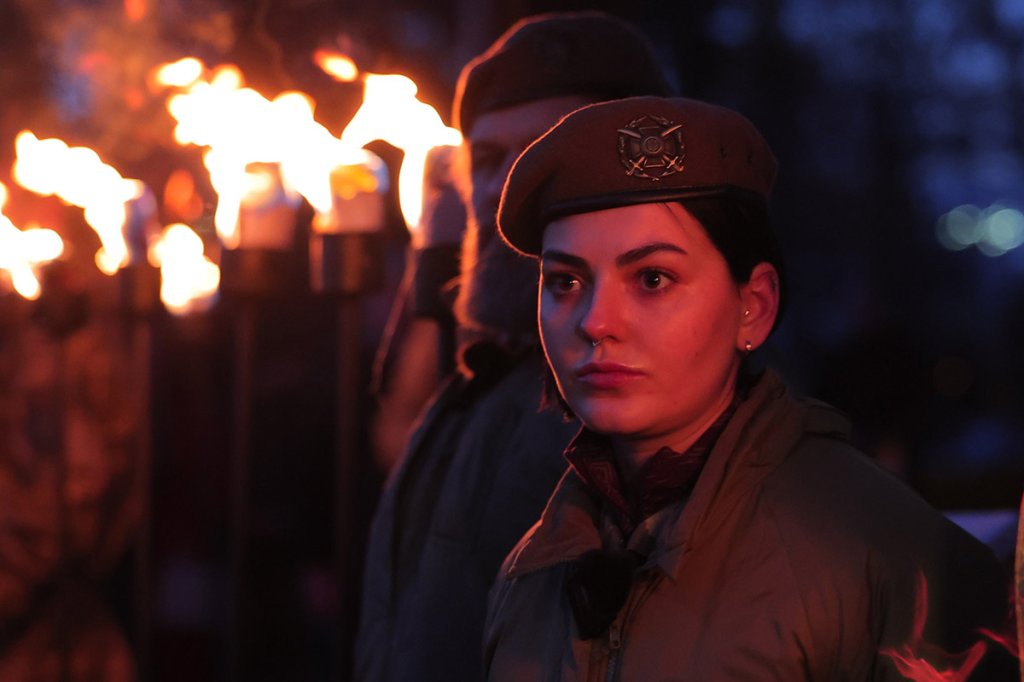
Da Vinci was the callsign for Dmytro Kotsiubailo, who died on March 7, 2023. Since Russia invaded their country on February 24, 2022, several hundreds of thousands of Ukrainians have fought valiantly defending their homeland. In a nation of heroes, few rose to Kotsiubailo’s level.
Born in western Ukraine in 1995, Kotsiubailo participated in anti-government demonstrations in 2013 and 2014. During the Revolution of Dignity, the actions of Kotsiubailo and other protesters successfully led to the ouster of pro-Russia President Viktor Yanukovych.
During that period, Russia invaded Ukraine’s Donbas region and annexed Crimea. Fighting for his country, Kotsiubailo sustained a wound that sidelined him for a few months. While he recovered, he eagerly awaited the day he returned to the battlefield.
Kotsiubailo rose through the First Assault Company within the Ukrainian Volunteer Corps (DUK). In 2016, he ascended to become commander of the company, which became known as the Da Vinci Wolves after Kotsiubailo’s callsign.
Kotsiubailo’s fiancée, Alina Mykhailova, served as a combat medic with the Da Vinci Wolves. Like Avagyan, Pavlo isn’t originally from Ukraine. The Belarusian fought with the Da Vinci Wolves in Donbas, the Kyiv Independent reported.
Da Vinci’s leadership style motivated his troops in very difficult circumstances, said Pavlo, who declined to give his last name to the online publication.
“What surprised me was that every single one of Da Vinci’s positions were fully equipped for a full-scale battle—there were all weapons imaginable,” Pavlo recalled. “Every person who came to Da Vinci was given everything they needed to work comfortably, from bulletproof vests and helmets to personal hygiene products….
“Da Vinci always said that you have to prepare for the worst.”
Hero of Ukraine
The worst possible outcome happened to Da Vinci barely a year into Ukraine’s war with Russia. Fighting with the Da Vinci Wolves near Bakhmut, Kotsiubailo absorbed a fatal shrapnel wound to his neck.
When President Volodymyr Zelensky bestowed the title of Hero of Ukraine on Da Vinci in late 2021, he became the first volunteer fighter to receive that honorific while he was alive. Now the very embodiment of the Ukrainian fighting spirit was dead.
“There was never anything more important for him than his personnel,” Ukrainian activist Melaniya Podolyak told the Kyiv Independent. “… They were his family. The execution of combat tasks wasn’t as prioritized as the saving of human life, the lives of his men.”
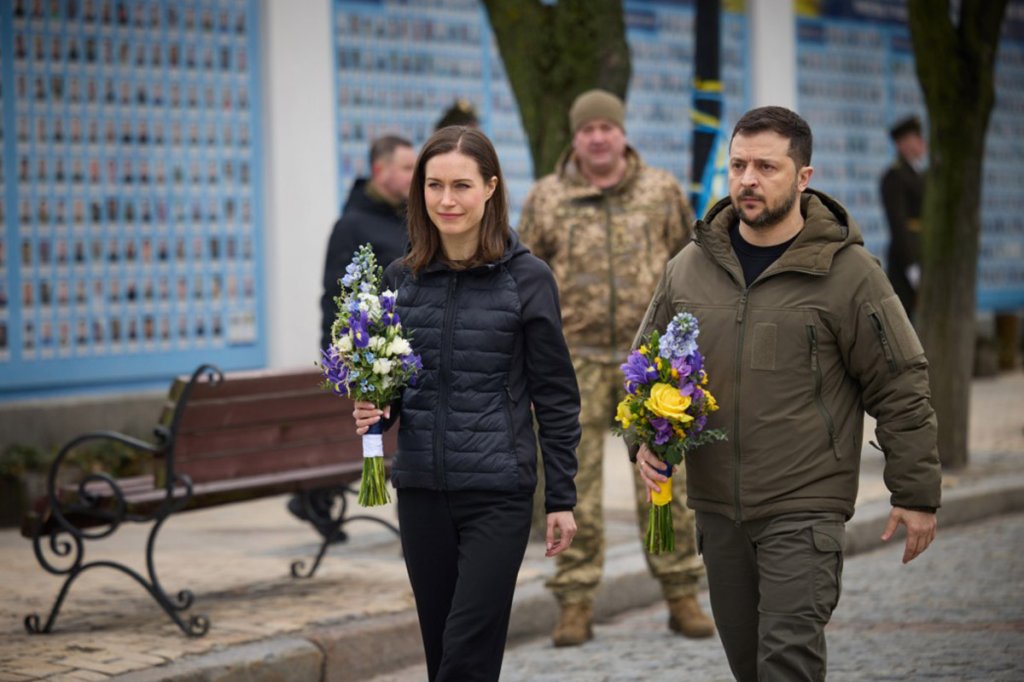
Three days after Da Vinci’s death, mourners—including Zelensky and Sanna Marin, then the prime minister of Finland—attended his memorial service. Thousands more later marched in Kyiv’s Independence Square to remember Da Vinci.
A Hope for Ukraine’s Future
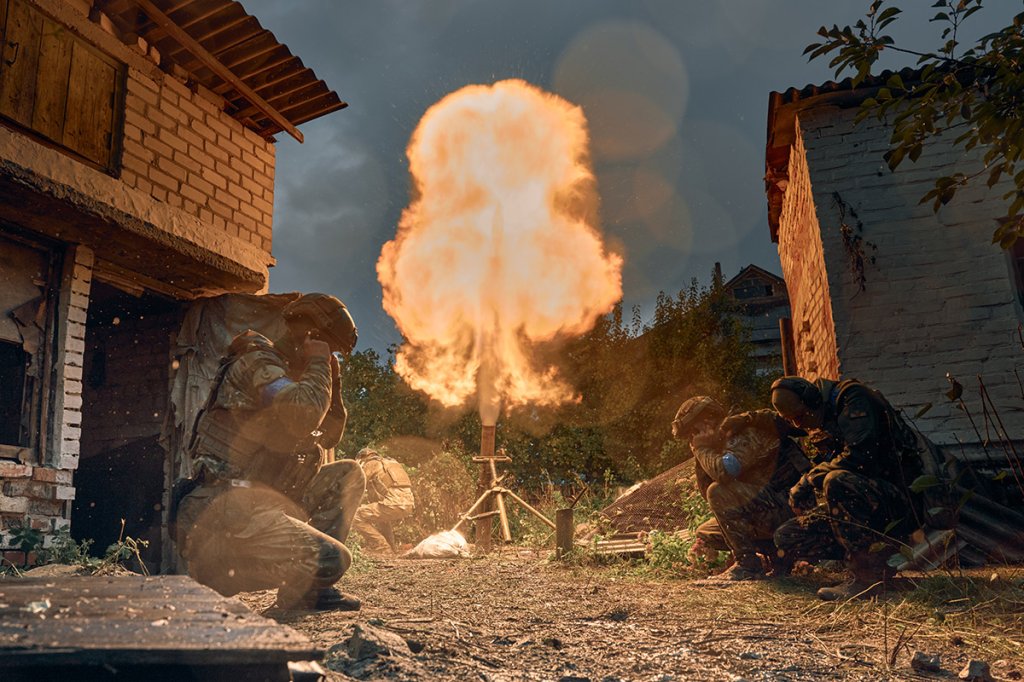
While Ukraine’s military fights on in Da Vinci’s memory, it appears the conflict with Russia will go on indefinitely. Earlier this week, at least 22 people died when Russia targeted Kyiv with airstrikes. The attack came as Zelensky prepared to attend the NATO summit in Turkey.
Since the war began 4½ years ago, the Center for Strategic and International Studies recently estimated the Ukrainian military has sustained up to 625,000 casualties. Anywhere from 125,000 to 150,000 service members have died defending their homeland, the bipartisan think tank projected.
Before his death, Kotsiubailo longed for a day when his fellow Ukrainians wouldn’t have to fight for their freedom.
“Let’s take care of the most precious thing we have—children!” the twentysomething Da Vinci said. “For our children to live in [a] flourishing Ukraine and not know what war is! In the protection of every soul small and big.”
Don’t Miss the Best of We Are The Mighty
• No Boots, No Problem: Ukraine captured a Russian position using only robots and drones
• The enduring mystery of a Navy ship that sank in the Bermuda Triangle
• The fascinating history of the military duffel bags we know and love
Featured
Loading comments…
Comments couldn’t be loaded. Please refresh the page.