
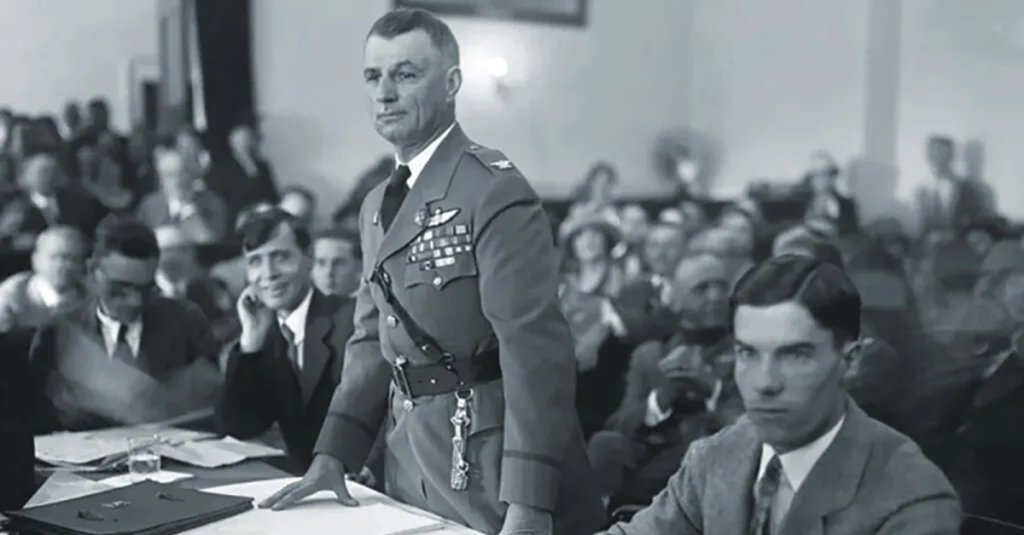
The son of a politician, William “Billy” Mitchell grew up in Wisconsin as the oldest of 10 children. In such a crowded household, Mitchell learned early on to speak up for himself and his beliefs.
After enlisting in the United States Army in 1898, Mitchell came to believe, most of all, that developing America’s airpower was essential to its defense. Not everyone shared Mitchell’s view, not that he minded much. With a fervor normally seen in evangelists and overzealous salespeople, Mitchell vehemently advocated for an air force during the early 20th century without restraint.
Also Read: The story behind the World War II that started Air Force One
Mitchell didn’t consider anything or anyone off-limits, even top military and government officials. In December 1919, he criticized their lack of perceived initiative after World War I.
“The United States had produced practically no aerial war equipment since the armistice and consequently, is not capable of meeting any first class power in the air today, as foreign countries had continued development of wartime equipment,” Mitchell said.
By Mitchell’s later poking-the-bear standards, that remark was tame. What he went on to say caused the military to try “the father of the Air Force” for insubordination.
An Advocate for Military Airpower
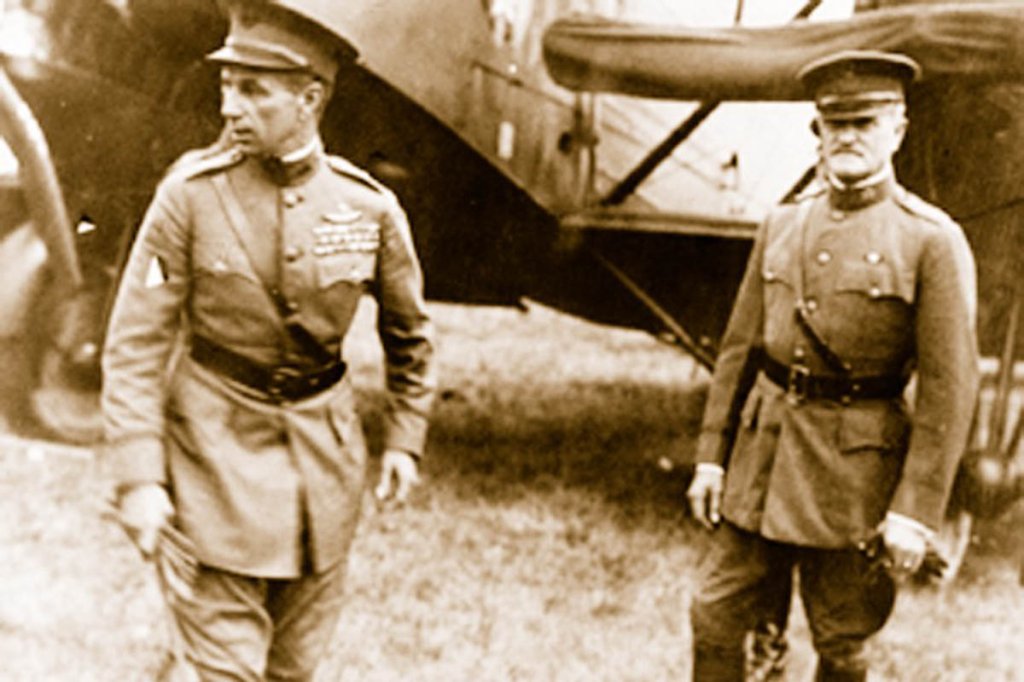
Mitchell first became a highly vocal advocate of airpower when he joined the hierarchy at Army Aviation, then a division of the Army Signal Corps. Mitchell didn’t know how to fly himself, but he was eager to become a pilot. The Army considered him too old for that role, however, so Mitchell pivoted to paying for his own civilian lessons.
During World War I, Mitchell acquitted himself well at the Battle of St. Mihiel. Overseeing nearly 1,500 American and Allied aircraft, Mitchell helped wipe out German troops on the ground. Returning stateside after the war, Mitchell yearned to command the Army Air Service—a position for which he was bypassed.
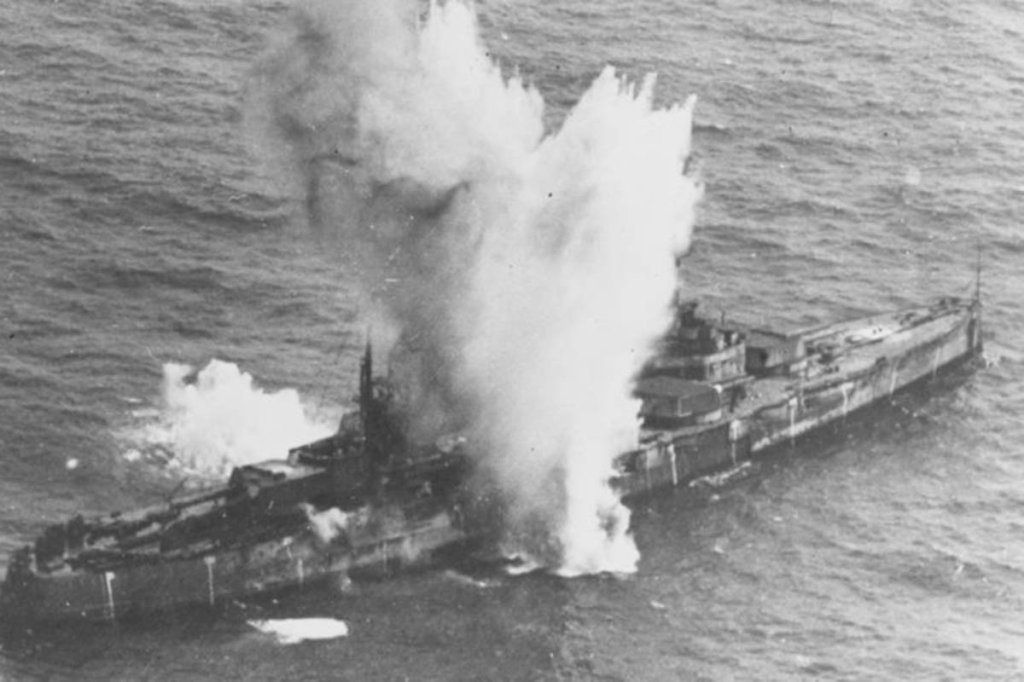
Mitchell overcame that disappointment and kept on promoting the country’s need for enhanced military airpower. Mitchell, who predicted that Japan would bomb the U.S. two decades before Pearl Harbor, was unafraid of bold pronouncements. After proclaiming the Air Service’s ability to destroy any battleship, he got the opportunity with the Ostfriesland—a captured German vessel generally regarded as unsinkable.
When the First Provisional Air Brigade indeed sank the Ostfriesland on July 21, 1921, Mitchell rejoiced at witnessing “a very serious and awesome sight.” The demonstration didn’t have its desired effect, however, with Congress trimming the Air Service’s budget in its aftermath.
That decision chipped away even more at Mitchell’s perception of key decision-makers.
“Official Stupidity”
By mid- to late 1925, Mitchell didn’t have any internal filter left.
Before the release of his book “Winged Defense: The Development and Possibilities of Modern Air Power—Economic and Military,” his publishers advised him to tone down some of its more controversial parts. Mitchell refused.
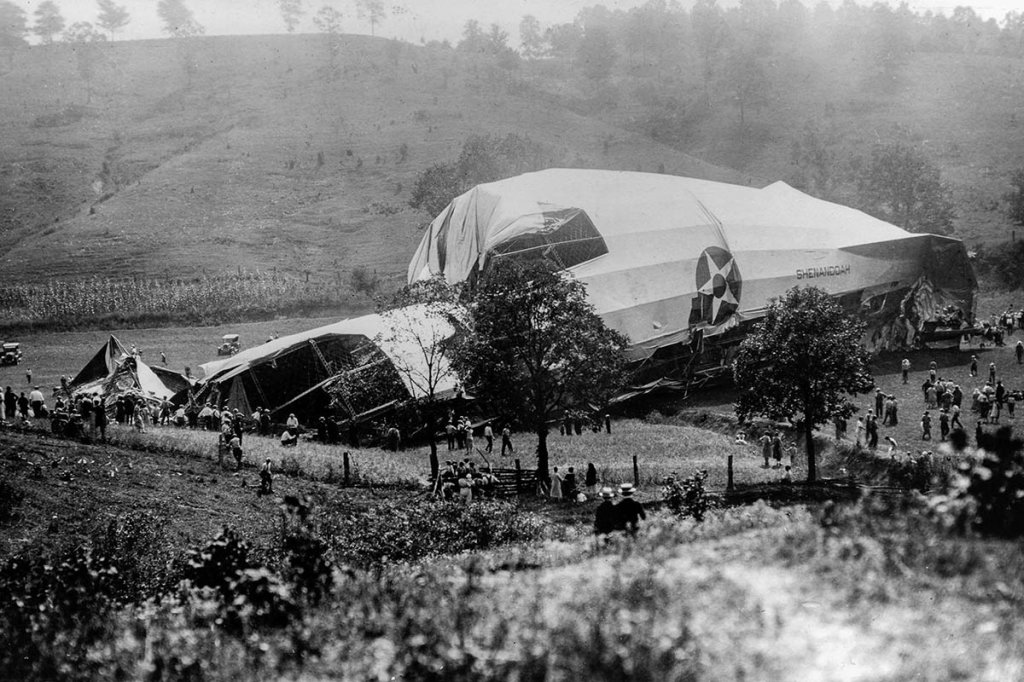
Around the same time as the book’s publication, Mitchell was apoplectic after two Navy seaplanes failed to make it from California to Hawaii nonstop. He became even more unrestrained after a Navy airship, the USS Shenandoah, crashed in Ohio.
“These incidents are the direct result of the incompetency, criminal negligence, and almost treasonable administration of the national defense by the Navy and War Departments,” Mitchell stated. “… The bodies of my former companions in the air moulder under the soil in America and Asia and Europe and Africa, many, yes a great many, sent there directly by official stupidity.”
The Army had heard enough. It court-martialed Mitchell after those comments, and the trial began in late October 1925 in Washington, D.C. For the next seven weeks, the proceedings drew widespread media attention.
A 5-Year Suspension with Pay
The two sides called a combined 99 witnesses. Mitchell’s defense team argued his comments were constitutionally protected under free speech. The military countered that upholding its chain of command, which it said Mitchell often ignored, took precedence.
Mitchell welcomed the chance to present his case in a public forum and overruled his attorneys to make his own closing argument. Maj. Allen Gullion, the judge advocate, countered by questioning Mitchell’s worthiness to continue wearing an Army uniform.
“Is such a man a safe guide?” Gullion argued. “Is he a constructive person or is he a loose-talking imaginative megalomaniac?”
A military panel convicted Mitchell of insubordination and handed down a five-year suspension without pay. Mitchell resigned his commission before his penalty began, but he kept on trumpeting the value of more military airpower until his death in 1936.
A decade later, Mitchell and his public outcries were viewed more favorably. In 1946, Congress awarded him posthumously a special Medal of Honor for “his outstanding pioneer service and foresight in the field of American military aviation.”
A year later, President Harry Truman promoted him to major general—the same year the National Security Act created the Air Force.
Don’t Miss the Best of We Are The Mighty
• The Chief of Staff’s Bible is one of the least-known Air Force traditions
• These crusader knights answered the call to fight World War I
• Retired Marine colonel to lead NASA’s Artemis III mission
Featured

Sponsored Content
Fuel to Serve: The mission starts at the meal


Loading comments…
Comments couldn’t be loaded. Please refresh the page.