
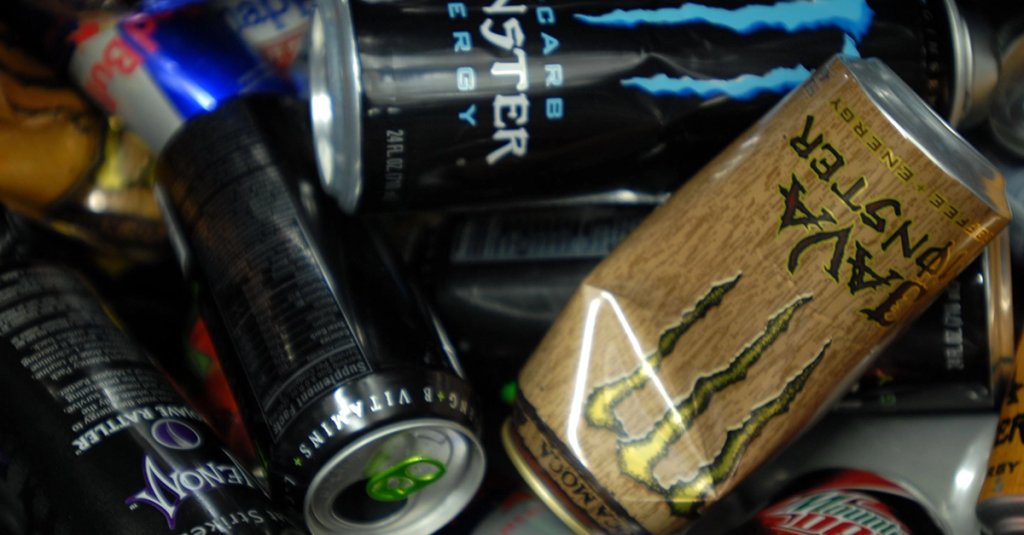
An army might run on its stomach, but let’s be real: what’s actually going in its stomach is equally important. Armies don’t run on bread alone. When Napoleon said that famous line, his army was running on wine, brandy, and vinegar. Luckily (or unluckily, for those who love a good pickleback) military food and beverage has evolved.
Also Read: The history of Rip It, the beverage that fueled the War on Terror
The U.S. military, one of the finest armed forces ever created by man, fuels its deployed forces with food that can best be described as digestible, but its beverages are where the real magic happens. Nowhere is that more apparent than Operation Epic Fury, where American troops fought for 38 days running on a diet of caffeine, nicotine, and probably actual food somewhere in between.
The Pentagon says the caffeine tally came to an unbelievable 950,000 gallons of coffee alongside two million energy drinks. The internet went crazy over the statistics.
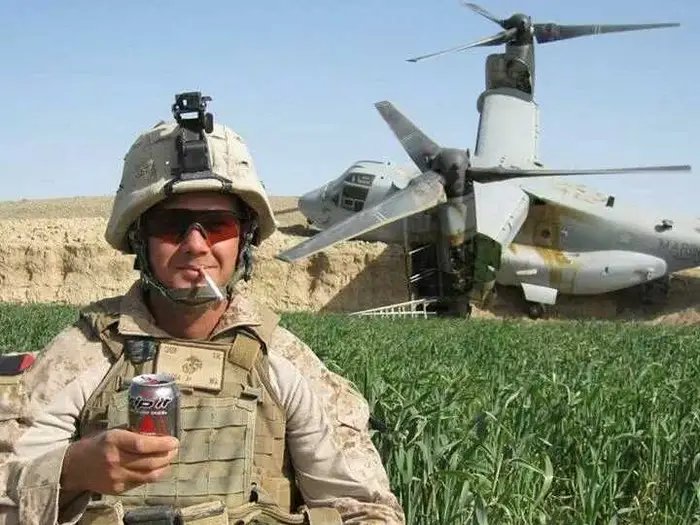
Say what you want about Operation Epic Fury. Is there an objective? Did we already meet the objectives? What does the UN think? None of that matters when your uniform involves wearing stripes (or any symbol below an oak leaf, really). In 38 days, 50,000 American troops across the U.S. Central Command launched 10,000 sorties to strike 13,000 targets and intercept hundreds of missiles and drones.
Being a Democrat or a Republican kinda becomes irrelevant when there’s an unmanned explosive lawnmower the size of a Mini Cooper flying at your head. What really matters is if are you awake and coherent enough to help CIWS that thing out of existence. The answer for U.S. troops was “yes.” The reason for that yes appears to be copious amounts of government-provided caffeine.
“Along the way, we consumed more than six million meals, and by my estimate, more than 950,000 gallons of coffee, two million energy drinks, and a lot of nicotine, but I am not saying that we have a problem,” chairman of the Joint Chiefs of Staff Gen. Dan Caine told reporters on April 8, 2026.
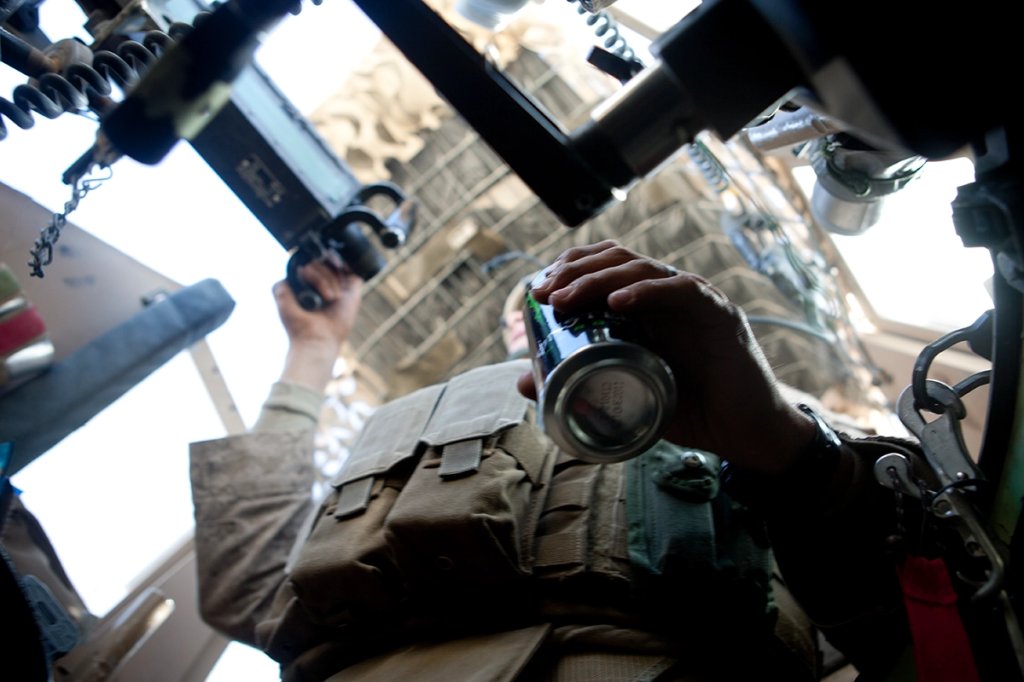
Caine’s announcement came in early April, just before an agreed-upon ceasefire took effect. American forces are still deployed in support of the operation, with another 10,000 reportedly mobilized to support the 50,000 that launched Epic Fury. A full 75% of U.S. aircraft carriers are committed, along with 66% of available littoral combat ships, 33% of destroyers, 75% of AWACS and aerial refueling aircraft, according to the Atlantic Council.
Epic Fury does have stated objectives, according to the chairman of the Joint Chiefs of Staff. Those are destroying Iran’s ballistic missile and drone capabilities, sinking the Iranian navy and dismantling its defense industrial base. The White House and the Pentagon say those objectives have been achieved. The Council on Foreign Relations, Long War Journal, and the New York Times say those achievements are mixed at best.
What’s not in question is that U.S. troops did everything asked of them, even if it meant little sleep and (allegations of) bad food. But there’s nothing really new about that. Americans have always depended on a strong flow of legal stimulants (and sometimes illegal ones) to stay in fighting shape.
The Civil War was won by a steady flow of hardtack and coffee (the losers ran on ground-up acorns). Cigarettes and amphetamines supplemented the C-rations of World War II. And then, of course, there was the beloved eight-ounce Rip It energy drink cans that dominated the chow halls of the Global War on Terror.
Defense Department doctors tried to tell us that energy drinks and nicotine weren’t the best idea, but water alone isn’t going to keep us alert forever—and certainly not during the forever wars.
Don’t Miss the Best of We Are The Mighty
• Aviation nerds are mourning Iran’s F-14 Tomcats
• How Iran was able to bruise the US Navy’s 5th Fleet
• The 4 ways Iran got its chokehold on the Strait of Hormuz
Featured



Loading comments…
Comments couldn’t be loaded. Please refresh the page.