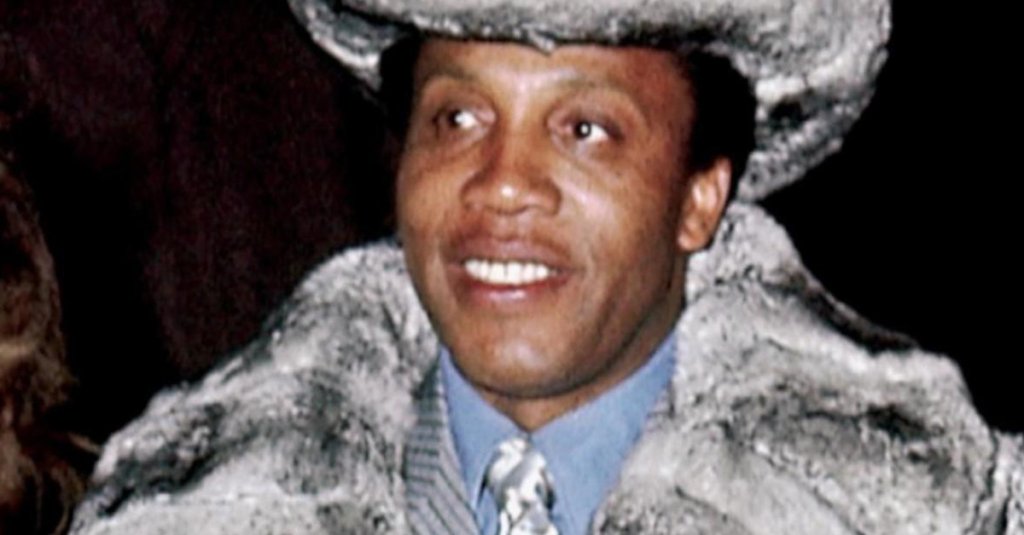
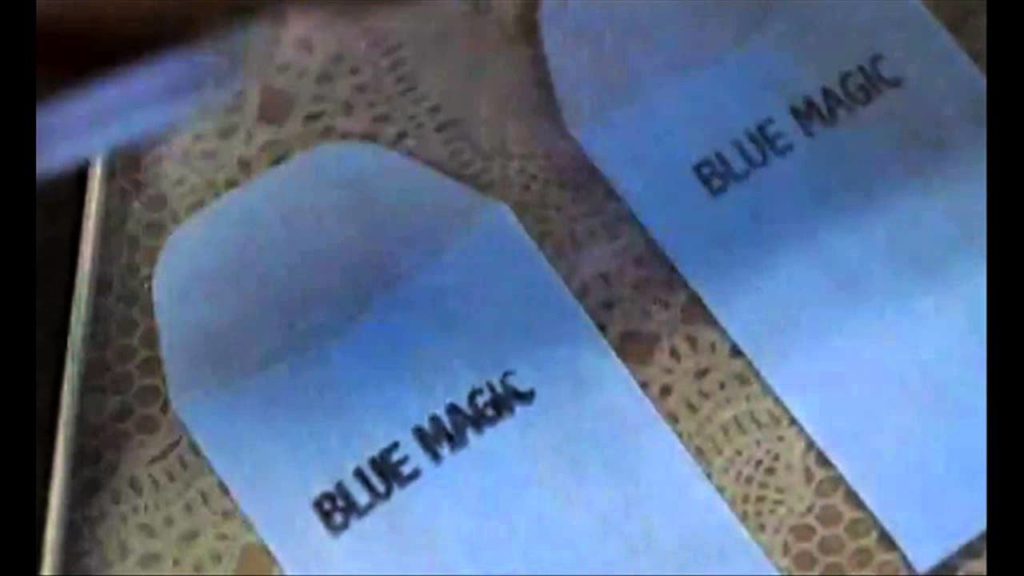
In the early 1970s, Harlem-based drug kingpin Frank Lucas was slinging his signature brand of heroin all over New York and the East Coast. “Blue Magic,” as it was called, was the best-selling, closest-to-pure heroin you could get.
New York City’s special narcotics prosecutor said Lucas and his operation were “one of the most outrageous international dope-smuggling gangs ever… an innovator who got his own connection outside the U.S. and then sold the stuff himself in the street.”
That connection was in Vietnam, where the United States was embroiled in a years-long conflict. It presented Lucas with an easy opportunity to move his product.
No, it was not in the coffins of dead service members as Lucas originally claimed, nor was it in specially-made coffins or false-bottomed coffins. These are all claims made by Lucas, who is now 87 years old, at various times. The heroin was moved by U.S. military members on military planes, however.
Charles Lutz, who served in Vietnam with the 525th Military Intelligence Group and spent 32 years as a federal narcotics agent, was part of the team that toppled Frank Lucas’ Asia-based heroin supply chain. He detailed how, exactly, military investigators and drug enforcement agent cracked the scheme for History Net.
Two Army NCOs, Leslie “Ike” Atkinson and William “Jack” Jackson, met at Fort Bragg early in their careers. While in Vietnam, they made money buying Military Payment Certificates on the cheap and trading them in for cash on the border. When they got tired of that, they started smuggling heroin from a bar they purchased in Bangkok.
Staff Sgt. Jasper Myrick, Atkinson, and Jackson would cheat soldiers at cards and forgive their debt if they moved a shipment of heroin in their personal luggage back to the States. Even though he was caught trying to mail heroin through false-bottomed AWOL bags and thrown in prison in 1975, he continued to move product. After all, he was Frank Lucas’ chief supplier.

Army Criminal Investigators were connected through a DEA informant in Bangkok, who in turn linked them to Atkinson’s supplier. Posing as street thugs, they set up a fake buy. After they had evidence against Atkinson’s buyer, they convinced him to come to the U.S. for some fun in Las Vegas. Not only did he come, he brought a kilo of heroin with him.
Even though the buyer was eventually busted and sentenced to 30 years, he wouldn’t give up the former Master Sgt. Atkinson. Luckily, there were two other recently retired military members in Bangkok. One of them informed the DEA and Army CID that Atkinson was planning to move a large shipment to the U.S. soon.
That’s when luck blew the case wide open.
Staff Sgt. Jasper Myrick was having his household items inspected for an upcoming move to Fort Benning, Georgia. The Army inspector found 100 pounds of “China White” heroin hidden in Myrick’s furniture. But the DEA still needed to trace it back to Atkinson.
Thai police traced the furniture back to its manufacturer, where they identified an associate of Atkinson’s, Jimmy Smedley, a retired Army NCO who also ran Atkinson’s nightclub in Bangkok. They also found orders for Myrick’s move and those of another soldier who had recently relocated to Augusta, Georgia.
However, that soldier’s furniture had already been emptied. One of Atkinson’s known associates, an Air Force NCO named Freddie Thornton, had stayed at a motel in the area recently. Agents picked him up, and everyone associated with the heroin move. It really was the largest heroin smuggling operation in American history.
Thornton turned on Atkinson, and everyone involved was convicted. The heroin was never recovered and was valued at $5 million on the streets.
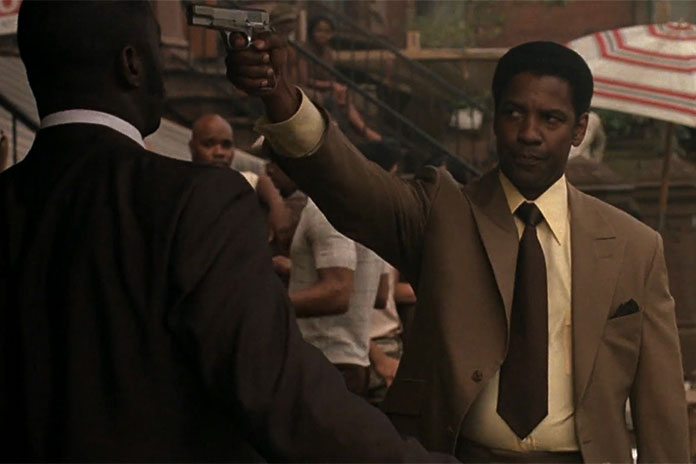
Frank Lucas, the drug dealer who took credit for smuggling heroin in the coffins of dead servicemen, was arrested before Atkinson in 1975. Originally sentenced to 70 years, he turned against everyone and had his sentence significantly reduced. Atkinson called Lucas’ claim of using coffins “the biggest hoax ever perpetrated.”