History’s worst tyrants didn’t just rule; they engineered nightmares.
From Qin Shi Huang’s iron-fisted unification and Julius Caesar’s precedent-setting power grab to Attila’s scorched-earth raids and Genghis Khan’s empire built on terror, these figures bent whole civilizations to their will. They stacked skulls into monuments, turned cruelty into policy, and burned heretics to make a point.
Related: German intelligence was working against Adolf Hitler for all of World War II
The 20th century only served to industrialize the horror. Revolutionary ruthlessness, engineered famines and purges, fascist theater, and social experiments kept kleptocrats in power.
This list isn’t about body counts alone; it’s about leaders who fused ambition, ideology, and fear into systems that outlived them. Meet the 13 scariest dictators in history and the methods they used to make terror the backbone of their rule.
1. Qin Shi Huang
Reign: 247-210 B.C.
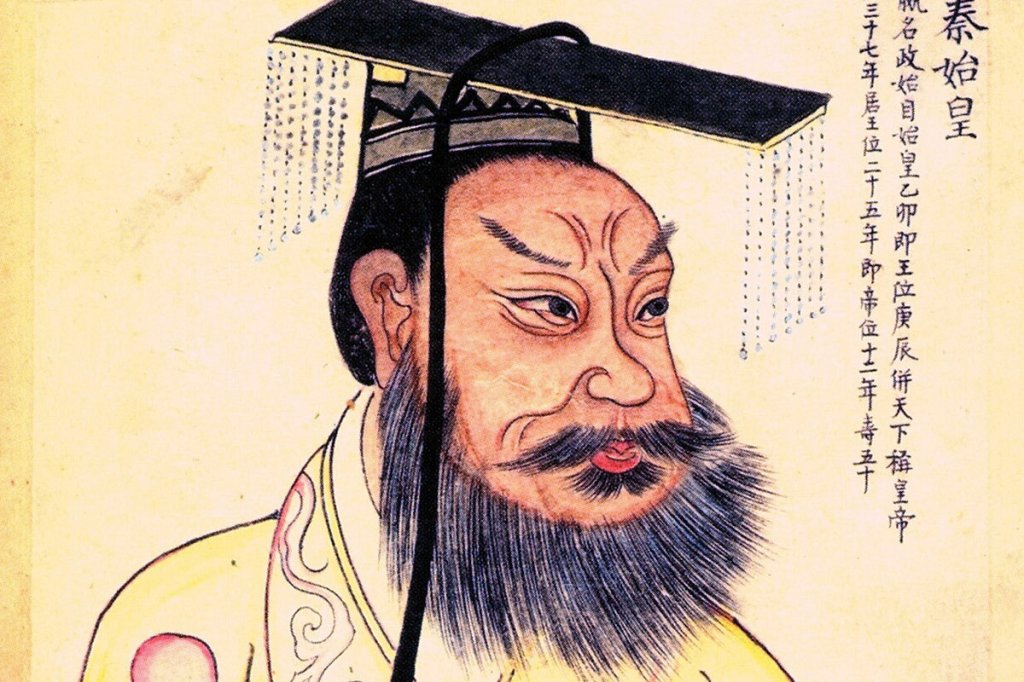
Qin Shi Huang turned unification into a machine of control. After conquering the Warring States in 221 BCE, he abolished hereditary fiefdoms, divided the realm into centrally run commanderies, and enforced Legalist doctrine. Harsh laws, collective punishment, and forced labor made obedience the safest choice.
He crushed dissent with book burnings and executions of scholars. He standardized writing, weights, measures, and coinage to tighten administrative grip and drove millions into projects that projected state power, including the early Great Wall network, imperial roads, and his vast underground mausoleum guarded by the Terracotta Army.
Assassination attempts only deepened his surveillance and purges. Even allowing for later embellishments, the core reality is stark: Qin’s regime welded ideology to bureaucracy so thoroughly that resistance felt futile and survival depended on compliance.
2. Julius Caesar

Julius Caesar's Life, in 4 Minutes
Reign: 49-44 B.C.
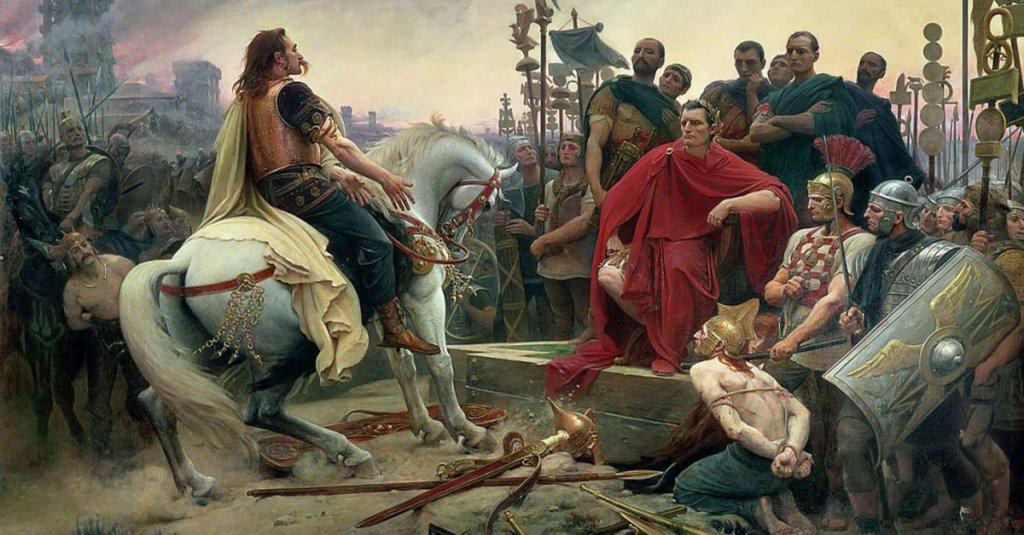
Julius Caesar was feared because he fused unstoppable military force with a methodical dismantling of the Roman Republic’s safety rails. He crossed the Rubicon River in open defiance of the Senate, crushed rivals in a brutal civil war, and paraded defeated enemies—culminating in the public strangling of Vercingetorix—so everyone understood the price of resistance.
Once victorious, Caesar packed the Senate with loyalists, seized unmatched control of money, law, and provincial command, and took the title dictator perpetuo (dictator for life), signaling that “temporary emergency power” was now a permanent reality. Even his famous clemency was strategic, keeping opponents alive as cautionary billboards for his inevitability.
The combination of lightning-fast campaigns, spectacle of terror, and a political order rebuilt around one man made opposing Caesar feel less like politics and more like a death wish.
3. Attila the Hun
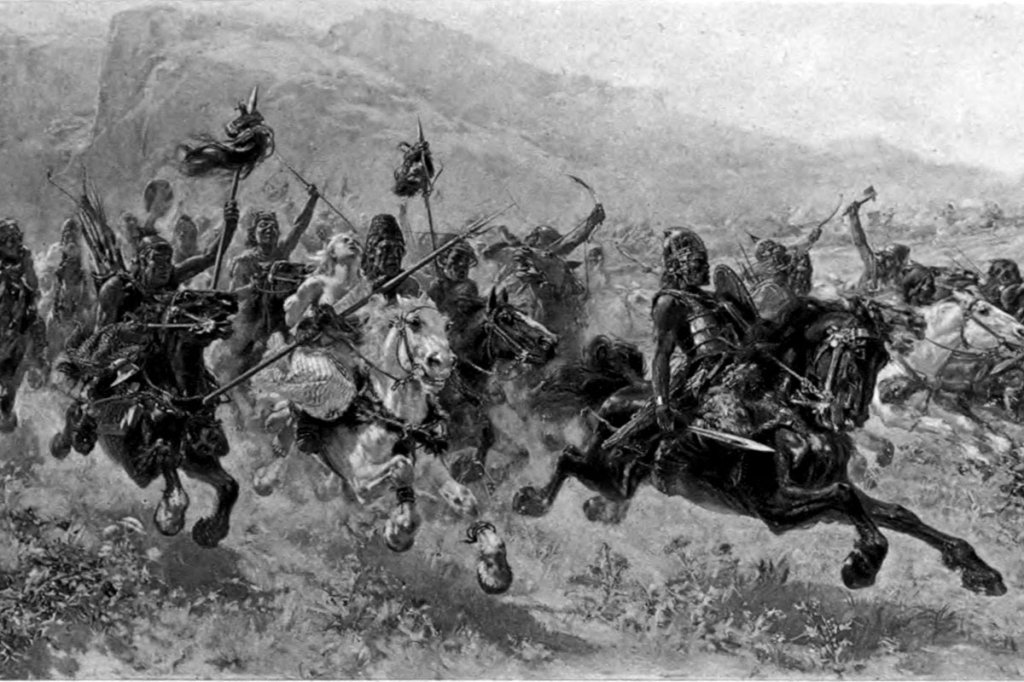
Reign: AD 434-453
Attila the Hun terrified his enemies, because he turned a mobile steppe confederation into a precision instrument of coercion. From 434 to 453 CE, he hammered Eastern and Western Rome with lightning raids, composite-bow volleys, and scorched-earth marches that emptied frontiers and burned Balkan cities to ash. He made fear pay. Crippling tribute treaties, hostage diplomacy, and threats of renewed invasion kept emperors bargaining from weakness.
Even setbacks like the stalemate at the Catalaunian Plains in 451 didn’t blunt his leverage; the next year, he was in northern Italy, forcing evacuations and famine as cities bought survival. Roman writers later branded him the “Scourge of God,” but the brand stuck because the strategy worked. Speed, unpredictability, and ruthless negotiation made resistance look suicidal and submission look cheap.
4. Genghis Khan
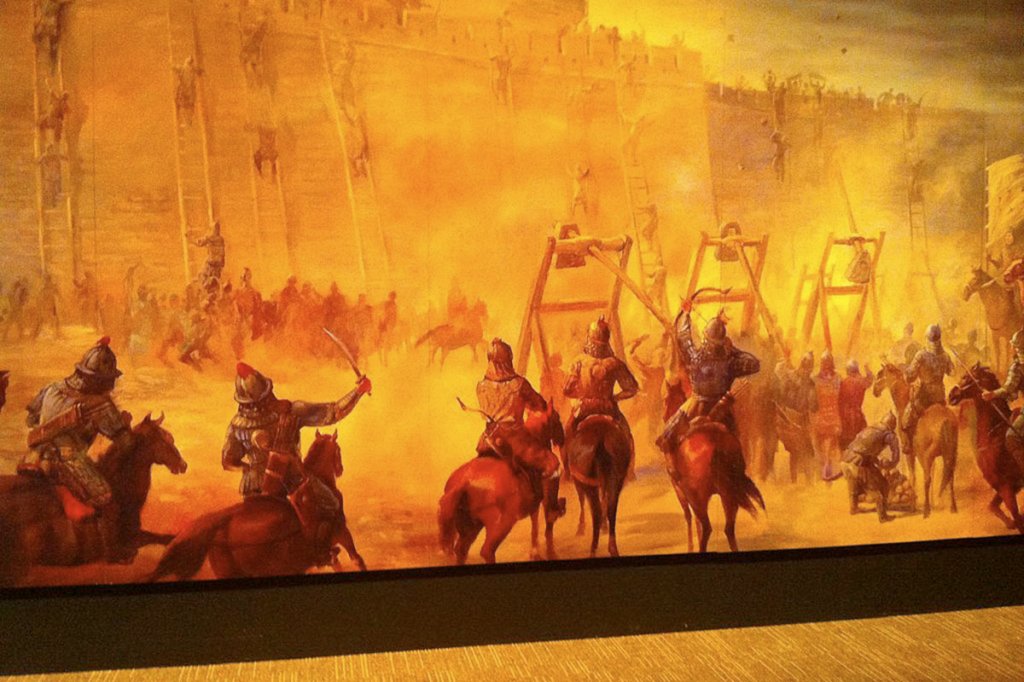
Reign: 1206-1227
Related: Genghis Khan killed so many people it was good for the environment
Genghis Khan fused relentless mobility with systematized terror. He built a merit-based army of superb horse archers organized in decimal units, coordinated by signal flags and couriers, and guided by an intelligence network that scouted targets weeks in advance.
Rapidly assembled siege trains encircled cities that resisted, and engineers borrowed and improved techniques from conquered peoples. At the same time, survivors of massacres were driven ahead as warnings to the next garrison.
His blunt ultimatum: Submit and be integrated, or resist and be destroyed. It was enforced with clockwork speed across thousands of miles, collapsing empires that assumed distance or walls would save them. Under his legal code (Yassa), discipline was absolute. Psychology did as much work as arrows. The result was a reputation so frightening that towns surrendered at the rumor of his approach.
5. Timur
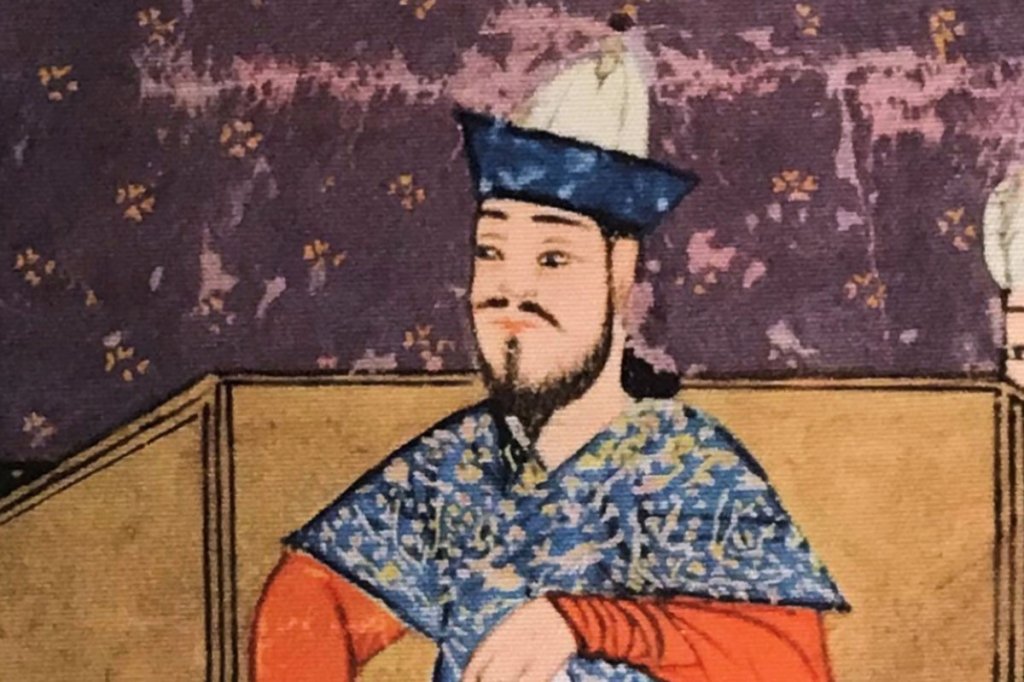
Reign: 1370-1405
Timur, Timur the Lame, or Tamerlane, whatever you call him, made terror a deliberate technology of rule. From 1370 to 1405, he smashed rival powers such as the Golden Horde, the Delhi Sultanate, Mamluk Syria, and even the Ottomans at Ankara. He accomplished this by moving a highly disciplined cavalry army with reconnaissance networks and feigning retreats that unraveled larger foes.
His signature was exemplary violence. The sack of Delhi (1398), the massacre at Isfahan with pyramids of skulls, and the butchery of Baghdad (1401) broadcast the cost of resistance so the next city would open its gates. He deported artisans en masse to glorify Samarkand, starved enemies with scorched earth, and used hostage diplomacy to keep vassals obedient.
Claiming Mongol legitimacy through marriage and propaganda, Timur didn’t just win battles. He engineered dread across continents, proving defiance could mean extinction.
6. Vlad III
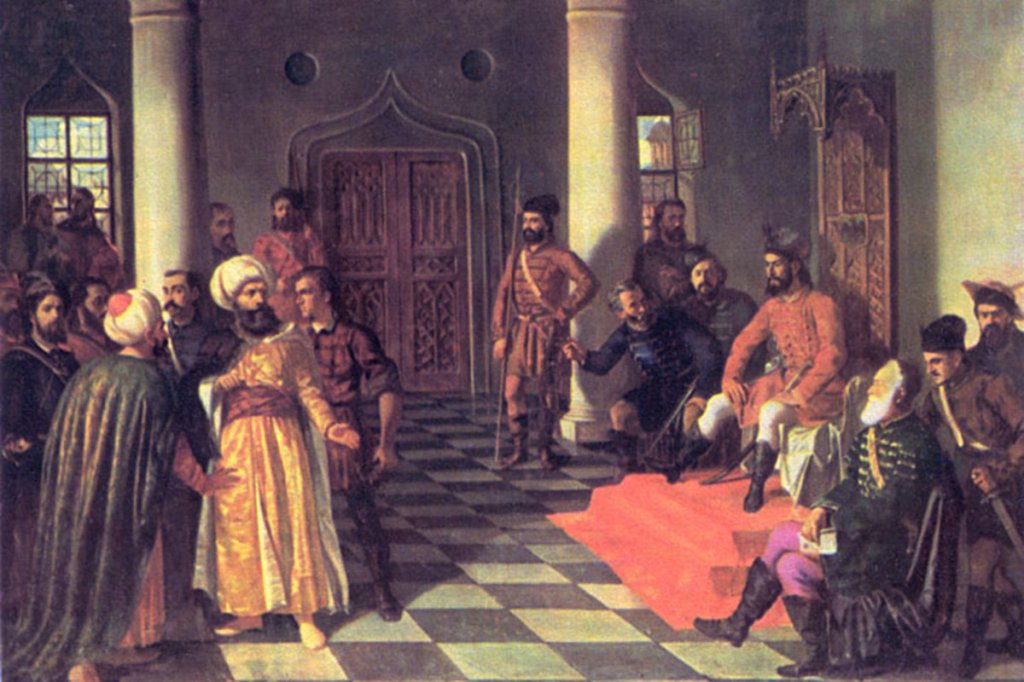
Reign: 1448; 1456-1462; 1476
Related: The insane way Vlad the Impaler turned back an enemy army
Vlad III of Wallachia terrified contemporaries because he turned punishment into theater and policy. Facing Ottoman pressure, treacherous boyars, and hostile Saxon towns, he ruled through exemplary brutality, notably mass impalements arranged in grotesque “forests” along roads and outside captured cities so the lesson traveled farther than his troops.
He paired that spectacle with ruthless internal control. Vlad III purged rival nobles, enforced draconian laws on theft and corruption, and raided enemy settlements with scorched-earth tactics that left refugees and famine in his wake. The 1462 campaign, which culminated in his night attack on the Ottoman camp, showed he could blend guerrilla nerve with psychological warfare to rattle a far larger empire.
German and Slavic pamphlets amplified the horror, but the core strategy was real: make defiance unimaginably costly and obedience the only safe bet.
7. Queen Mary I (also known as Bloody Mary)
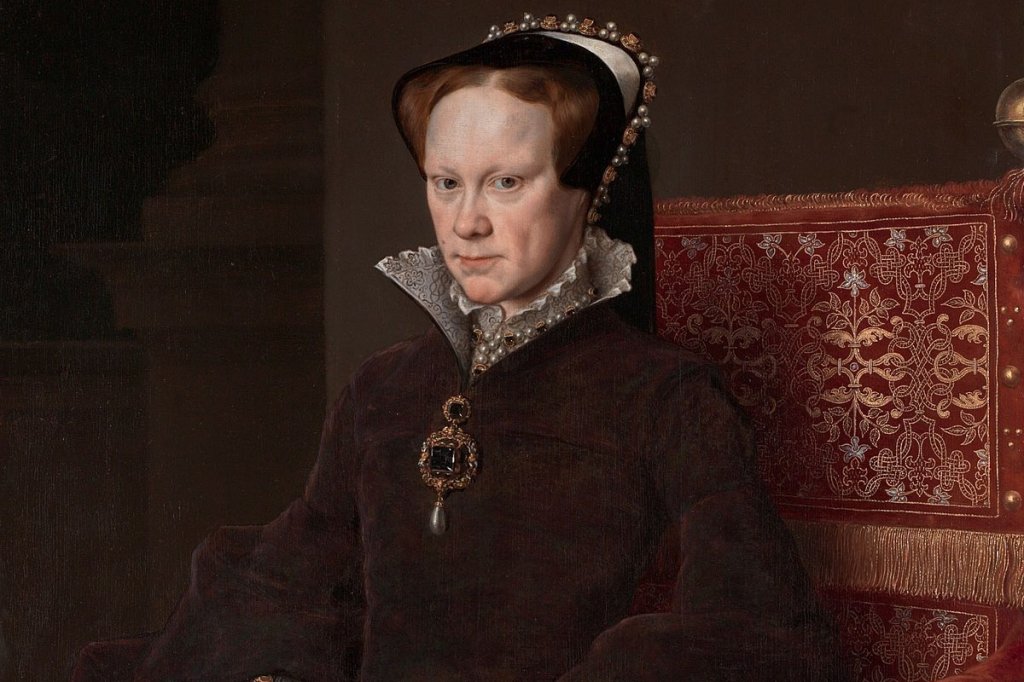
Reign: 1553-1558
Queen Mary I terrified her realm by turning religious policy into public spectacle and punishment. Determined to reverse her father’s break with Rome, she restored papal authority and revived the heresy laws, unleashing the Marian persecutions that burned around 280 Protestants, including bishops Hugh Latimer, Nicholas Ridley, and Archbishop Thomas Cranmer, at the stake.
These executions were staged in marketplaces and cathedral squares to brand dissent as treason against both the crown and God. Coupled with crackdowns after Wyatt’s Rebellion, the imprisonment of her half-sister Elizabeth, and an unpopular marriage alliance with Spain, Mary’s regime made conscience dangerous and conformity compulsory—fear doing the daily work of royal power.
8. Vladimir Lenin
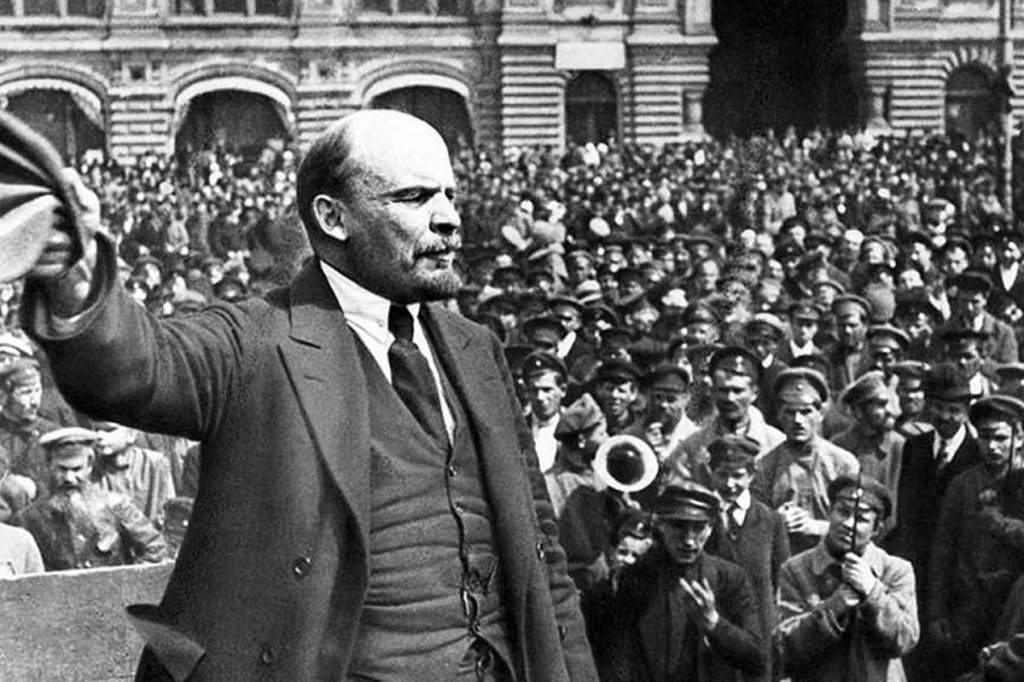
Reign: 1917-1924
Vladimir Lenin inspired fear because he turned revolutionary victory into a machinery of coercion.
After seizing power in 1917, he dissolved the Constituent Assembly and outlawed rival parties. He built a one-party state enforced by the Cheka, secret police empowered for summary arrest, execution, and hostage-taking. Under the Red Terror, grain requisitions, show trials, and concentration camps crushed “class enemies” while uprisings from Tambov peasants to the sailors of Kronstadt were annihilated as warnings to the rest.
Ideology justified everything. Terror was not a glitch but a tool to remake society, with censorship, internal passports, and party courts standardizing obedience. Even the partial retreat of the New Economic Policy didn’t soften the system that Lenin forged, Instead, it normalized rule by fear and left a template for future dictators to expand.
“During this period of revolution, war and famine, Lenin demonstrated a chilling disregard for the sufferings of his fellow countrymen and mercilessly crushed any opposition,” according to the BBC.
9. Joseph Stalin
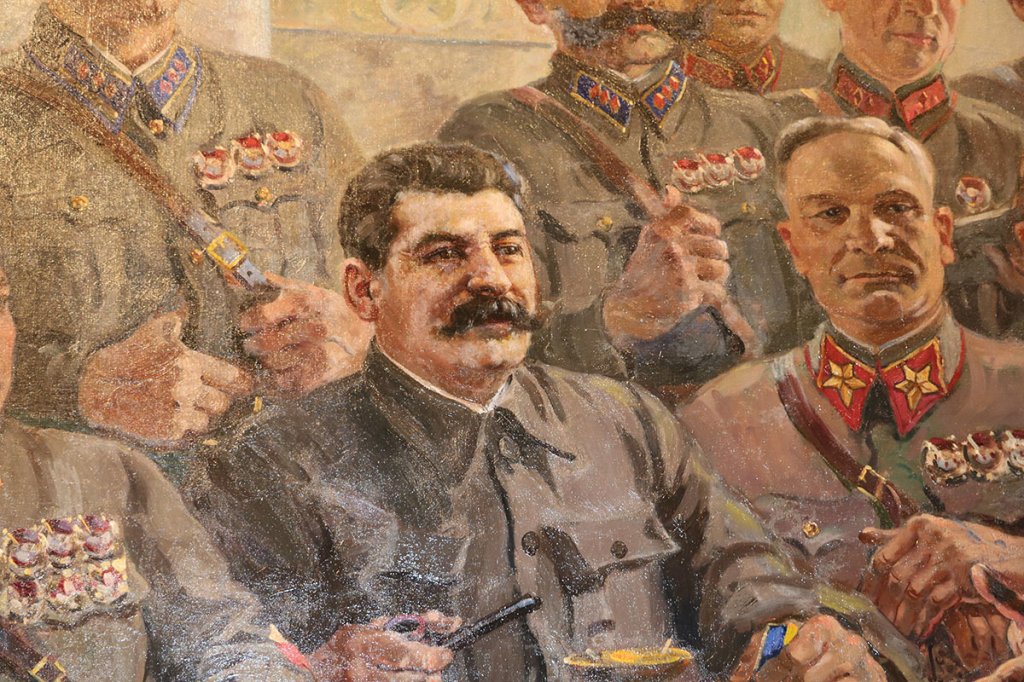
Reign: 1929-1953
Joseph Stalin merged an omnipresent security state with lethal social engineering. Through the NKVD, he orchestrated the Great Terror—show trials, denunciations, and midnight arrests that sent millions to execution pits or the Gulag—while purges decapitated the military, party, and intelligentsia so no rival power center could survive. Collectivization enforced by quotas and coercion produced a man-made famine in Ukraine and beyond, demonstrating that policy failure could become mass punishment.
People were deported east in sealed trains; informants and internal passports made everyday life surveilled and precarious. Even in war, fear was policy: Order No. 227 (“Not one step back”), blocking detachments, and reprisals against returning POWs turned victory into another arena for control.
Wrapped in a cult of personality and total censorship, Stalin’s system taught citizens that safety depended on silence and that yesterday’s loyalty was no protection from tomorrow’s knock at the door.
10. Benito Mussolini
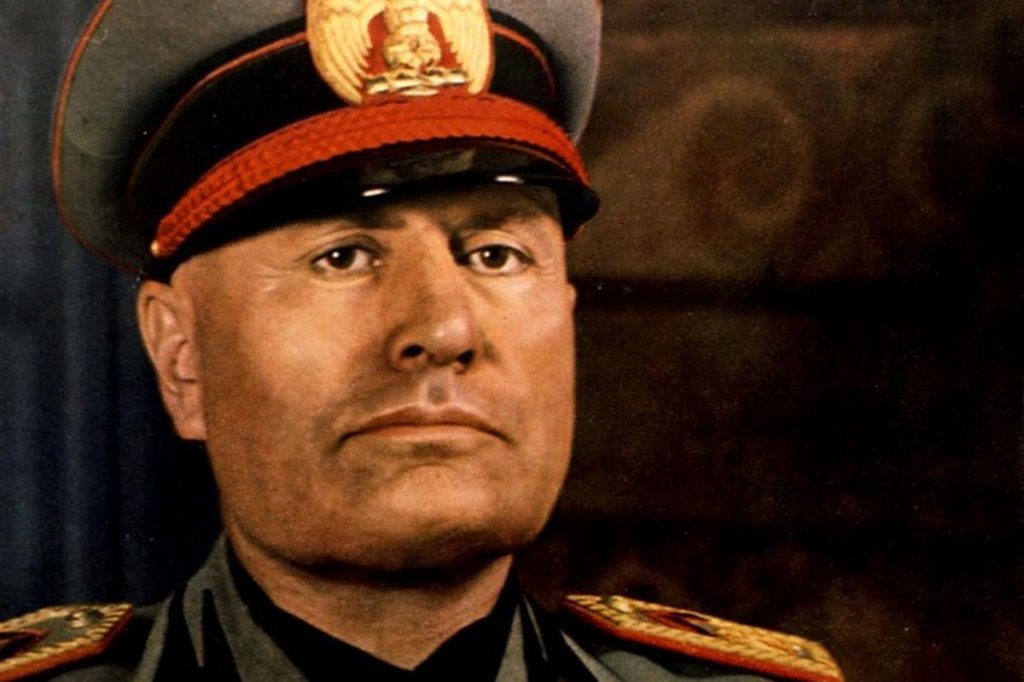
Reign: 1922-1943
Benito Mussolini normalized political violence and built a police state around it. He rode the Blackshirts’ squadristi terror into power with the 1922 March on Rome, then made intimidation permanent: the Acerbo Law rigged elections, the OVRA secret police and Special Tribunal crushed opponents, and “confino” internal exile silenced dissent while a censored press turned his image into doctrine.
Corporatism bound unions and industry to the regime, and independent civic life withered. Abroad, Mussolini showed how far he’d go. He pacified Libya with brutal repression and invaded Ethiopia with banned chemical weapons and mass reprisals.
Meanwhile, at home, the 1938 racial laws and alliance with Adolf Hitler tied fascist spectacle to racist persecution and war. The message was simple and credible: Resist fascism and face beatings, prison, exile, or death; or submit and live under the boot.
11. Adolf Hitler
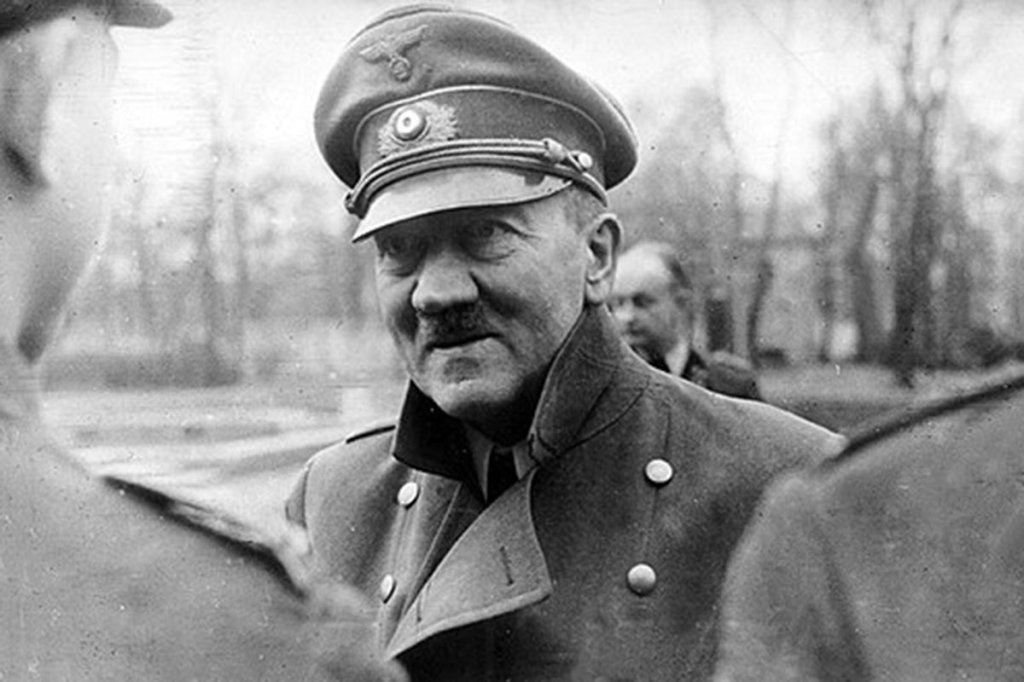
Reign: 1933-1945
Adolf Hitler turned a modern state into a totalizing engine of violence.
He dismantled Germany’s democracy through emergency decrees and the Enabling Act, fused party and police power under the SS and Gestapo, and criminalized whole populations with the Nuremberg Laws before industrializing mass murder in ghettos, camps, and extermination centers. Propaganda made hatred feel like duty, while denunciations, show trials, and preventive detention taught citizens that law served terror.
Abroad, blitzkrieg campaigns crushed states with speed, and occupation regimes paired famine, reprisals, and hostage shootings with systematic genocide. By uniting ideology, bureaucracy, and war into one project, Hitler created a world where resistance meant death and survival demanded complicity.
12. Mao Zedong
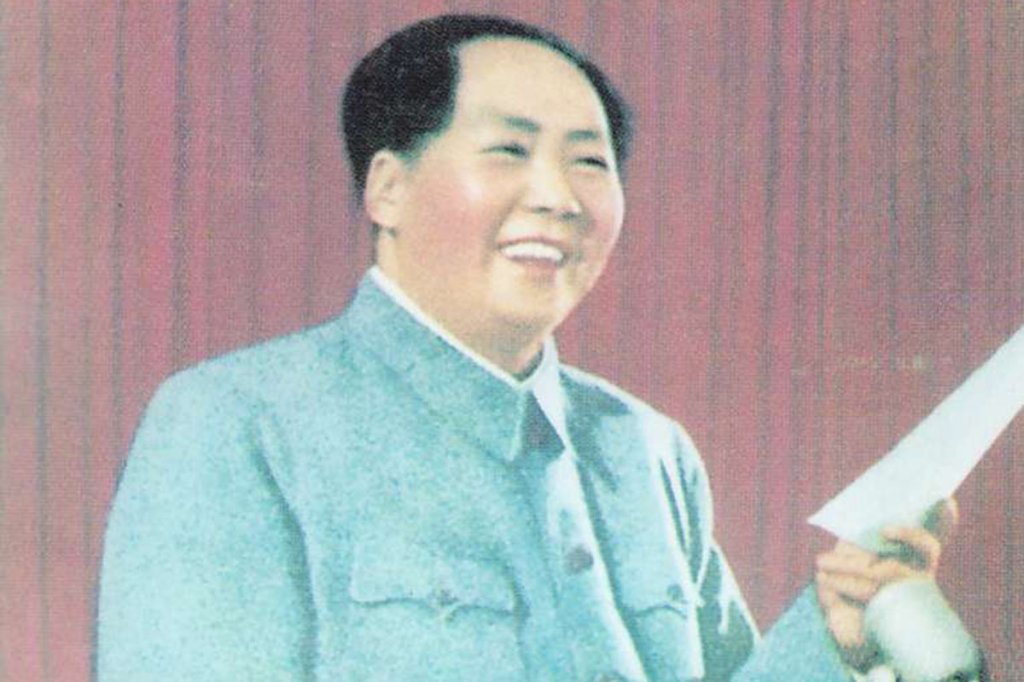
Reign: 1949-1976
Mao Zedong paired utopian ambition with mass coercion and made the Chinese Communist Party omnipresent in daily life. After World War II and his victory over the Nationalists, Mao built a one-party state that criminalized dissent, then launched campaigns that turned ideology into punishment. The Anti-Rightist purges silenced critics. The Great Leap Forward forced collectivization and harebrained production schemes that helped trigger a catastrophe of famine. The Cultural Revolution weaponized Red Guards, struggle sessions, and informant networks to destroy “class enemies,” teachers, and even veteran communists.
A cult of personality sanctified Mao’s whims, while the security apparatus, the laogai labor-camp system, and tight control over movement, media, and work units ensured compliance. Under Mao, survival often meant performative loyalty, because politics wasn’t just in the square. It was in your factory, school, and home.
13. Idi Amin
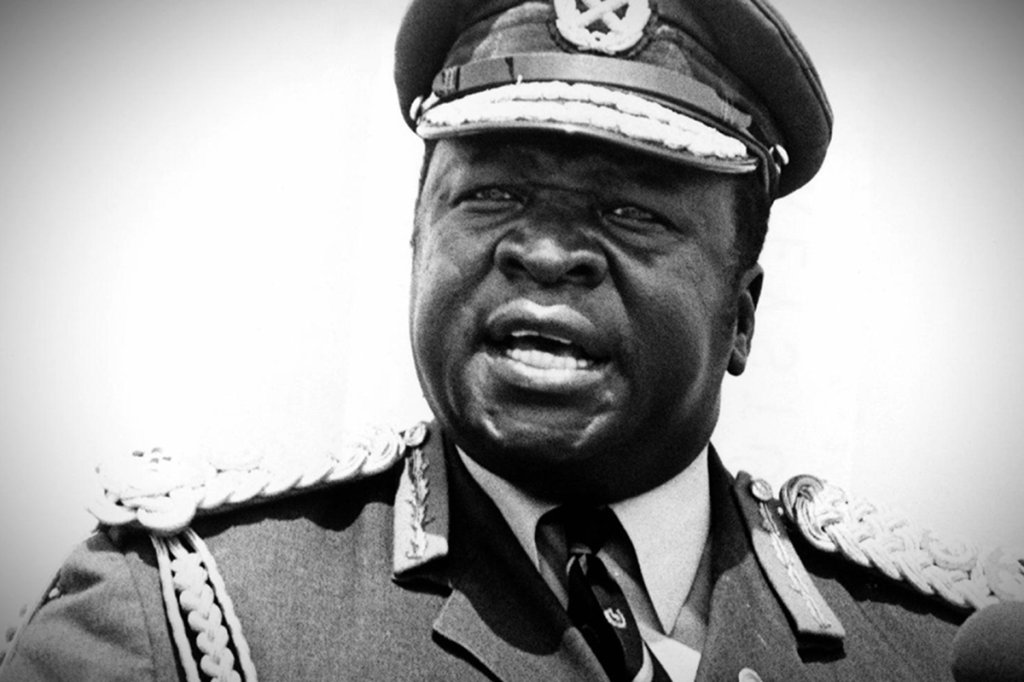
Reign: 1971-1979
Idi Amin terrified Uganda because he ran the state like a predatory militia with legal cover. After seizing power in 1971, he purged the army—especially Acholi and Langi officers—then let the State Research Bureau and Public Safety Unit rule by abduction, torture, and roadside execution.
He expelled roughly 50,000–70,000 Asians in 1972, wrecking the economy and rewarding loyalists with looted businesses. Courts became theater, decrees shifted with his moods, and informers turned neighborhoods into traps.
Regionally, he bullied neighbors and courted terrorists (most infamously during the 1976 Entebbe hijacking), broadcasting that no one was safe and no norm was binding. By the time Tanzanian forces and Ugandan exiles toppled him in 1979, hundreds of thousands were dead, and fear had become the country’s operating system.
Don’t Miss the Best of We Are The Mighty
• That time Russia used children to spy on a US embassy
• The bloody history of the Bloody Mary cocktail
• This is what the Army’s ‘Iron Men of Metz’ and Attila the Hun have in common
Featured