
Writing permeates the American soul and the fabric of our culture.
These writers spent time in service and returned to the civilian world with new stories to tell. Check out the list and you might be surprised with who you find on it.
Also Read: History Channel doc revisits boxing’s most politically charged rivalry
1. Jack Kerouac
Jack Kerouac is known for his poetry, books (“On the Road” and “Big Sur”), and influence on the Beat Generation. Before influencing the culture, he served in the Merchant Marine Corps in World War II and wrote his first novel, “The Sea Is My Brother,” which was published 40-plus years after his death. Kerouac also briefly served in the Navy. Post-war, he spent his time writing and later influenced such artists as Bob Dylan, the Beatles, and The Doors.
2. Louisa May Alcott
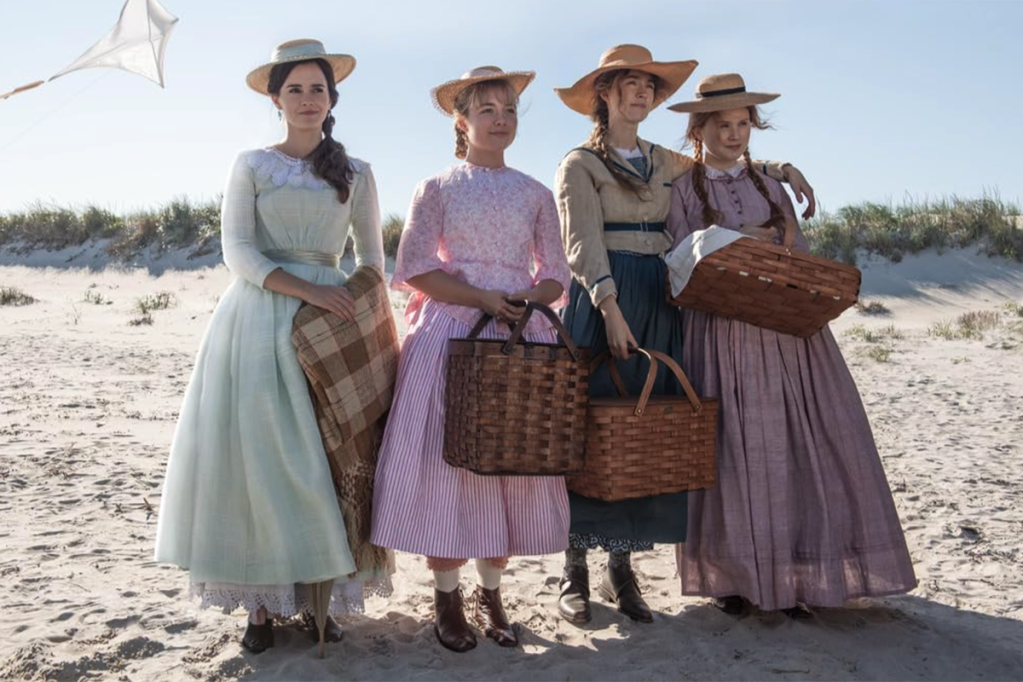
Louisa May Alcott wrote “Little Women’’ and its sequels, “Good Wives,” “Little Men,” and “Jo’s Boys.” “Little Women” has been adapted into successful stage plays and feature films.
Alcott had a difficult upbringing and used writing as an outlet for her creativity. She based “Little Women” on much of her own life with her sisters. Alcott served for six weeks as a nurse during the Civil War. She wanted to serve longer, but she contracted typhoid and resigned her duties.
She created sketches of scenes with patients during her time as a nurse, which were made into a book titled “Hospital Sketches.” Post-service, she wrote gothic thriller stories for magazines and newspapers, and passionate novels such as “A Long Fatal Love Chase.”
3. Kurt Vonnegut
Kurt Vonnegut wrote the highly successful novel “Slaughterhouse-Five,” which was influenced by his own experience during World War II. He enlisted in the Army in 1943 and was sent to Europe with the 106th Infantry Division. While there, the Nazis overran his unit and he was captured.
Vonnegut was sent to a POW camp and lived through the Dresden bombing, which strongly influenced “Slaughterhouse-Five.” He experienced the horrors of war and took nearly 20 years to process it and share what he experienced through the novel. His seminal work is considered “one of the most enduring anti-war novels of all time.”
4. Dr. Seuss

Theodore Seuss Geisel, aka Dr. Seuss, illustrated more than 60 children’s books. They sold in excess of 222 million copies and were translated into 15 languages. Geisel’s books such as “The Cat in the Hat,” “Green Eggs and Ham,””How the Grinch Stole Christmas!” and “The Lorax.” Many of them were made into successful feature films and cartoons.
Dr. Seuss joined the Army in World War II as a captain and commanded the animation department of the First Motion Picture Unit in the U.S. Army Air Forces. During that time, he created such films as “Your Job in Germany,” “Our Job in Japan,” and the “Private Snafu” training films. After the war, he continued authoring children’s books while living with his wife in San Diego.
5. Robert Heinlein
Robert Heinlein’s name may not be recognized by some, but the “Starship Troopers” franchise stands out in science fiction. We can be grateful to Heinlein not only for “Starship Troopers,” but also “Stranger in a Strange Land” and “The Moon is a Harsh Mistress.”
“Starship Troopers” has influenced science fiction greatly, especially the use of powered exoskeletons, which appear in films such as “Halo,” “District 9,” “Edge of Tomorrow,” and “Iron Man.” For the feature film “Aliens,” director James Cameron had the authors who portrayed space marines read “Starship Troopers” to understand their role in the movie. Cameron credited Heinlein’s book for inspiring his use of the space drop, “bug hunt,” and the exoskeleton power loader used by the marines and Ripley (Sigourney Weaver).
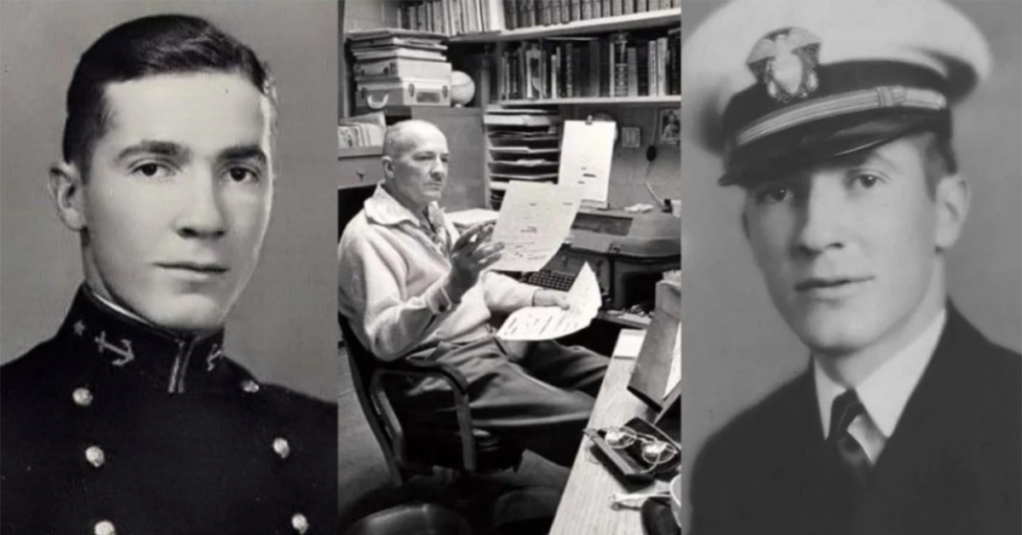
Heinlein served in the Navy and was a graduate of the U.S. Naval Academy in 1929. He served as a communications officer aboard the USS Lexington, an early aircraft carrier, and as a gunnery officer aboard the USS Roper.
Don’t Miss the Best of We Are The Mighty
• An Army airborne veteran could win an Oscar for his wildly popular short film
• It’s time to revisit ‘World of Warships’ and its slew of new updates for 2026
• The A-10 training guide from the 1970s was a hilarious coloring book
Featured
-
Sponsored Content
Fuel to Serve: The mission starts at the meal


Loading comments…
Comments couldn’t be loaded. Please refresh the page.