
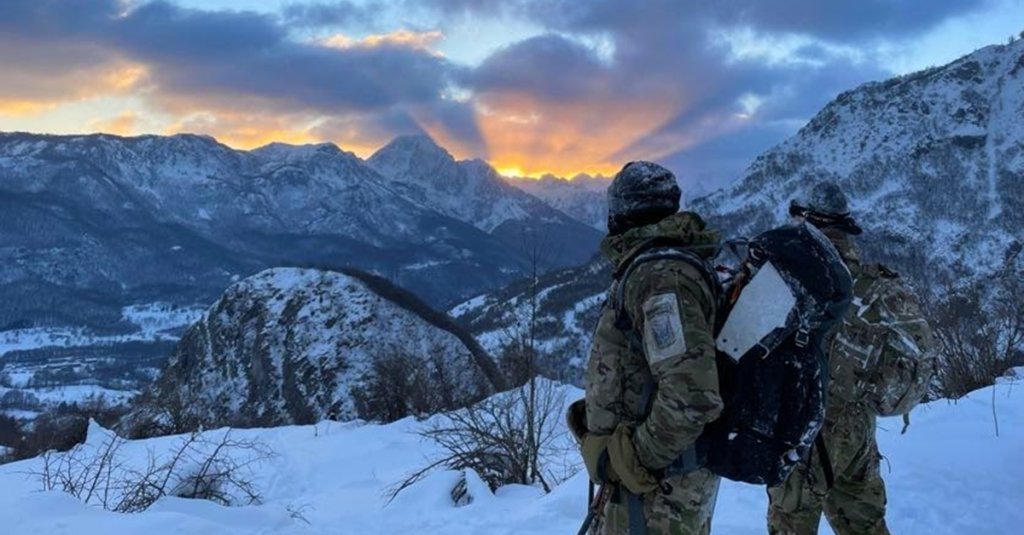
“Green Mountain Boys” may sound a bit silly in the modern day, but the moniker is attached to one of the OG American warfighting units: the Vermont National Guard.
Originating from colonial Vermont militias, the Green Mountain Boys repeatedly earned their place in history. When America met times of great conflict or friction, Vermont stood ready and answered the call.
Also Read: Why the National Guard should embrace its illustrious history
Unfortunately, this may not be what people think when you mix the National Guard into the conversation.
One major shortfall we have is not recognizing the National Guard’s contributions throughout history despite its existence since before the Declaration of Independence was signed. While its reputation isn’t exactly unearned, the National Guard still shows up and puts in the work.
It’s time we turned this around and recognize the service and sacrifices of the National Guard. One way we can do that is by talking about groups such as the Green Mountain Boys.
Battle of Ticonderoga
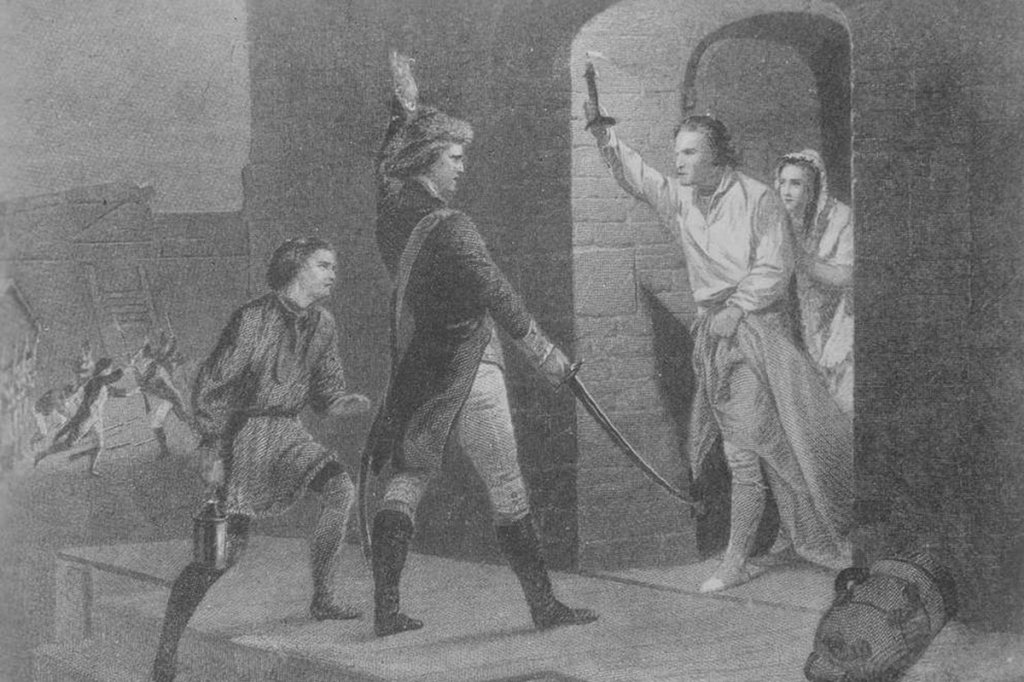
The Vermont National Guard originally formed as a militia in the late 1760s and early 1770s. As it became more organized, Ethan Allen became its first commandant. This didn’t last very long, as Allen lost his role as commander when the Continental Army absorbed the Green Mountain Boys in early 1775. Allen was eventually granted the rank of lieutenant colonel, but only after meeting with then-Major General Philip Schuyler and offering to serve without pay or a commission.
By May 1775, the American Revolution was underway. With the battles of Lexington and Concord having concluded the month prior, the Siege of Boston had begun. One thing the militia needed to help with its siege was a large stockpile of artillery and cannons. The British had a large stockpile of artillery and cannons, which they conveniently kept at Fort Ticonderoga in New York, a few hundred miles northwest of Boston.
The Massachusetts Committee of Safety sent Benedict Arnold to gather 400 troops and take the fort. However, he discovered upon arrival that another force was already there to do the job: the Green Mountain Boys, who refused to follow anyone’s orders except Allen’s. After the necessary preparations, excluding having the expected 400 troops, the force raided the fort. Afterward, the Green Mountain Boys did one of the most American things ever: They plundered the fort of its food, liquor, and weapons. Since none of them recognized Arnold’s authority, he was powerless to stop them.
They sent the captured cannons and artillery to colonial forces outside of Boston, which was crucial in breaking the siege and capturing the city. While Lexington and Concord were victories, the Battle of Ticonderoga represented the first major victory against British forces.
The Green Mountain Boys in the Civil War
Considering Vermont was the first state to abolish slavery, it makes sense that it contributed largely to the Union’s efforts.
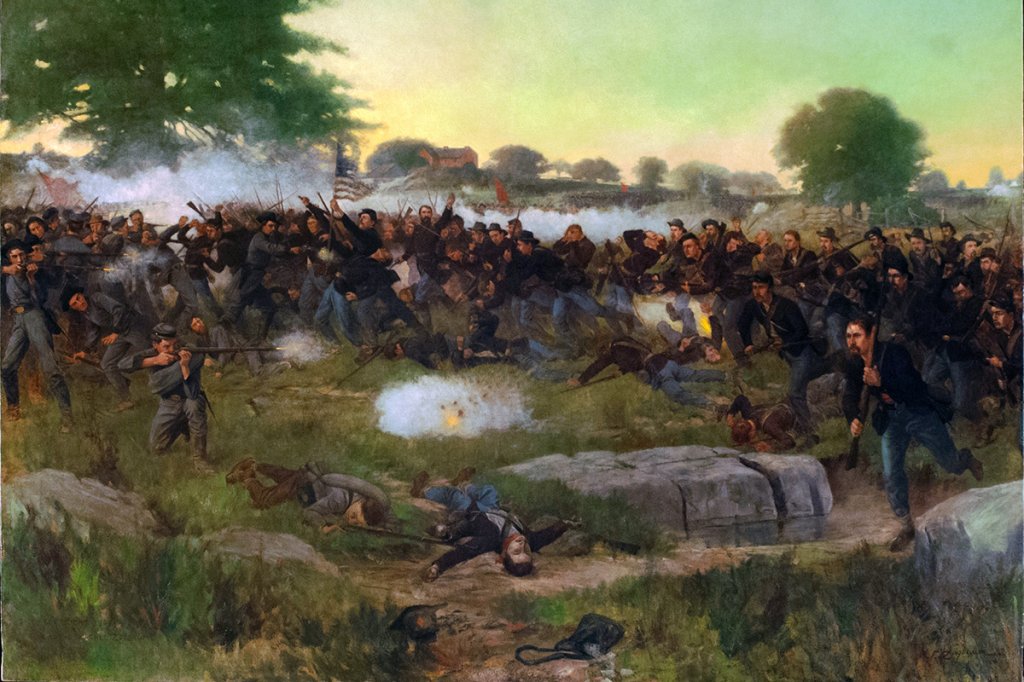
More than 10% of Vermont’s total population at the time fought in the Civil War, including 166 Black Vermonters out of the state’s population of 709 at the time. Most notably, the Green Mountain Boys saw action during the Battle of Gettysburg. In fact, the 2nd Vermont Brigade helped break Pickett’s Charge, which was crucial in ending the battle and turning the tide for a Union victory. Overall, Vermont lost more than 5,000 soldiers during the Civil War, with 1,832 killed in action.
World War II and Onward
The Vermont National Guard later attached to the 43rd Infantry Division during World War II. It served across the Pacific Theater, including the Solomon Islands and the Philippines. Following WWII, they served across the world in many different functions. In addition to helping out in their communities, the Green Mountain Boys deployed overseas for Operation Desert Storm and again for Operation Enduring Freedom in Afghanistan.
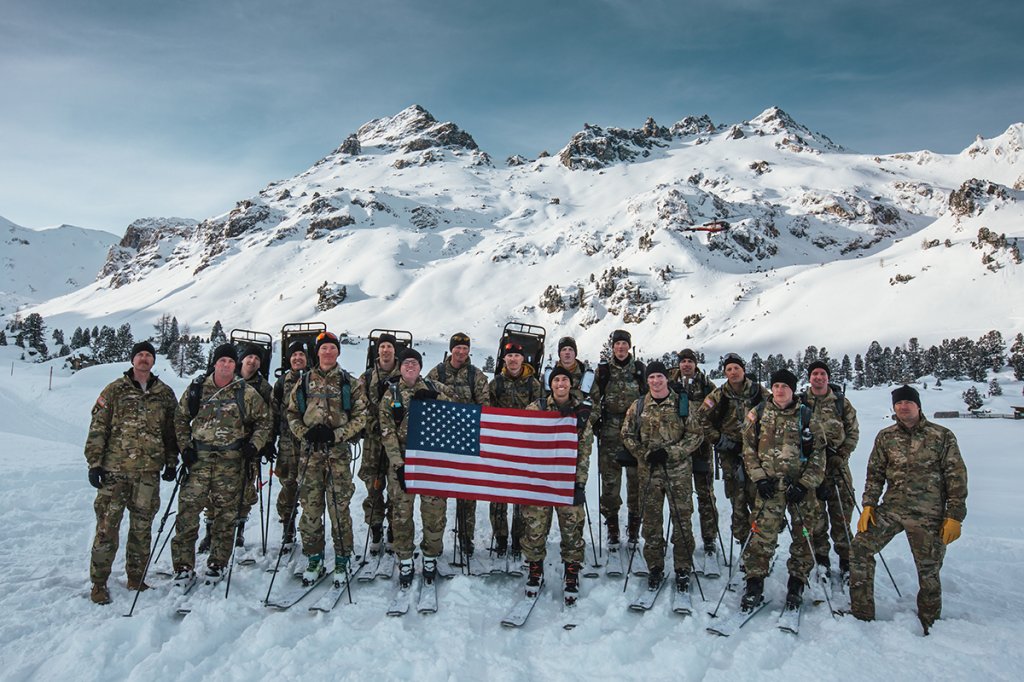
Currently, the Vermont National Guard operates the U.S. Army’s Mountain Warfare School and is home to the 86th Infantry Brigade Combat Team, one of the Army’s few mountain warfare units. The Green Mountain Boys can trace their legacy to one of America’s first major victories, and they continue to serve with distinction around the world and at home.
Don’t Miss the Best of We Are The Mighty
• Here’s why you need a support by fire in Battlefield 6
• The Complete Hater’s Guide to the Army National Guard
• The National Guard unit that stormed Omaha Beach on D-Day
Featured

Sponsored Content
Automated vs. self-directed investing: A guide for military families
Loading comments…
Comments couldn’t be loaded. Please refresh the page.