
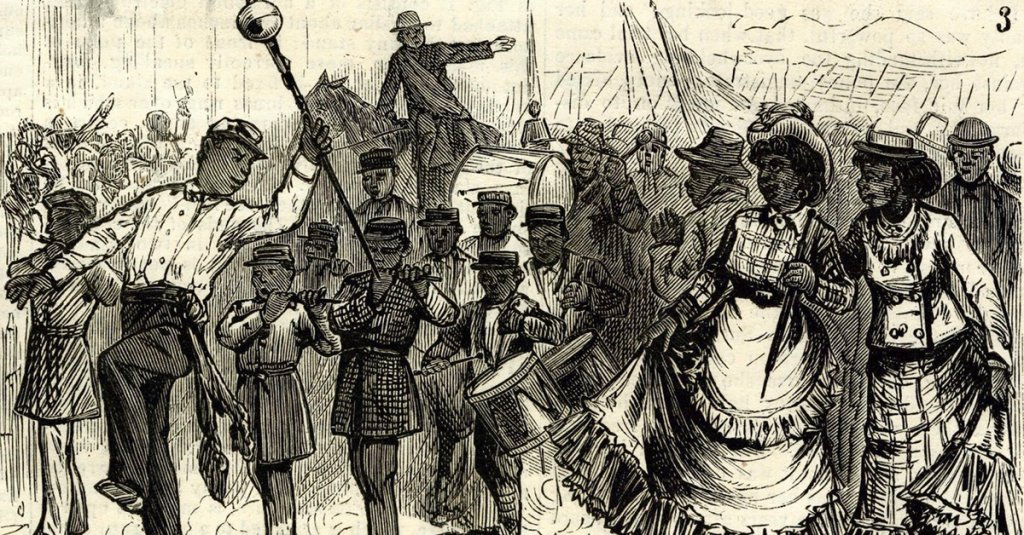
When the Confederacy fired the first shots of the Civil War at Fort Sumter, South Carolina, on April 12, 1861, Gordon Granger was on leave from the Union Army.
Granger took time off because he was ill. But once hostilities broke out, Granger soon returned to uniform and later distinguished himself, both as a soldier and officer, during the Civil War.
Also Read: How John Brown’s raid on the arsenal at Harper’s Ferry made the Civil War inevitable
“To whatever part of the field I might direct my attention, there I would find Captain Granger, hard to work at some important service,” a commanding officer noted of Granger’s value during battle.
Granger’s most important—and history-making—act in service to his country occurred two months after Confederate Gen. Robert E. Lee surrendered at Appomattox Court House. The Army dispatched Granger (then a major general) to Texas, the last holdout among the rebel states, to end hostilities and establish federal authority.
Granger was also there to enforce the Emancipation Proclamation. When he issued General Order No. 3 on June 19, 1865, which finally freed the approximately 250,000 slaves in the state, Black men and women there celebrated the news with expected fervor.
Granger’s act led to what we know as Juneteenth.
The Road to Abolishing Slavery
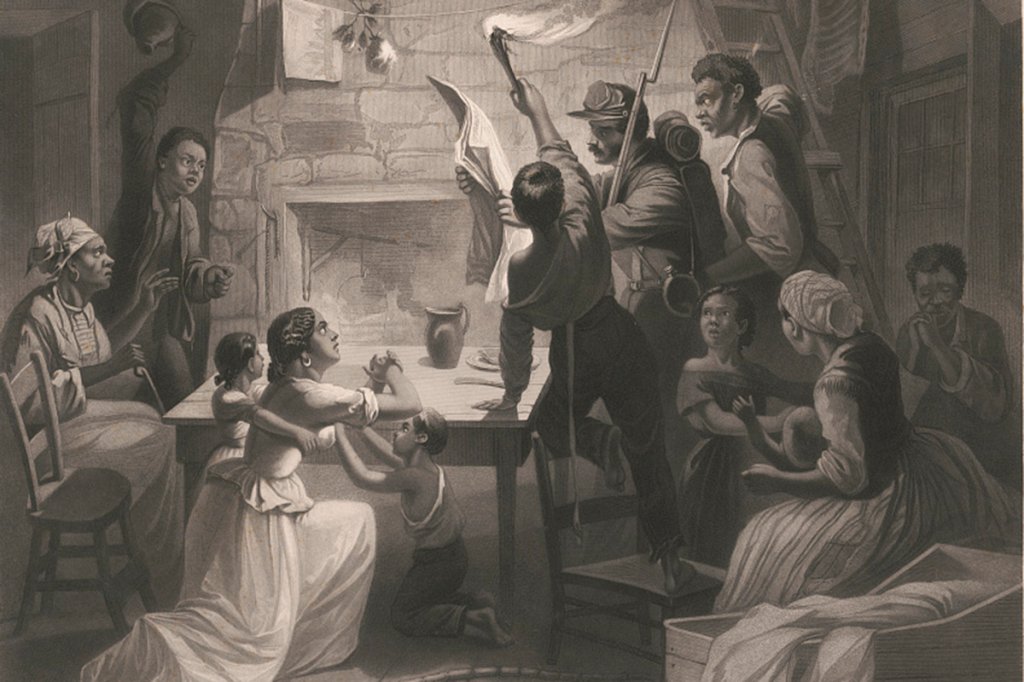
President Abraham Lincoln’s primary objective when the Civil War began was to bring the seceding states back into the Union.
It wasn’t necessary to abolish slavery.
Freeing Black people from bondage became more a part of Lincoln’s political calculus over time. On June 19, 1862—exactly three years before Granger’s historic order—Congress passed the Act to Secure Freedom to All Persons Within the Territories of the United States. The legislation prohibited slavery in any territory under the U.S. control currently or in the future. Slavery continued unabated in those places in the South, though, that the Union had yet to reclaim.
After the Union prevailed at Antietam, Lincoln saw an opening to press the issue further. He gave Confederate states 100 days to come back to the Union, or federal forces intended to free slaves in whatever areas they took back by force. After that deadline passed without the South’s compliance, the Emancipation Proclamation went into effect on January 1, 1863.
Emancipating the slaves proved a long process. Two-and-a-half years after Lincoln’s proclamation, Texas remained the last Confederate state still holding slaves.
Granger and roughly 2,000 Union soldiers, including many belonging to the United States Colored Troops, arrived in the state to change that. By the end of the Civil War, roughly one out of every 10 Union soldiers was Black. They took particular pride in General Order No. 3, which stated:
“The people of Texas are informed that, in accordance with a Proclamation from the Executive of the United States, all slaves are free. This involves an absolute equality of personal rights and rights of property, between former masters and slaves, and the connection heretofore existing between them, becomes that between employer and hired laborer….”
Juneteenth Celebrations
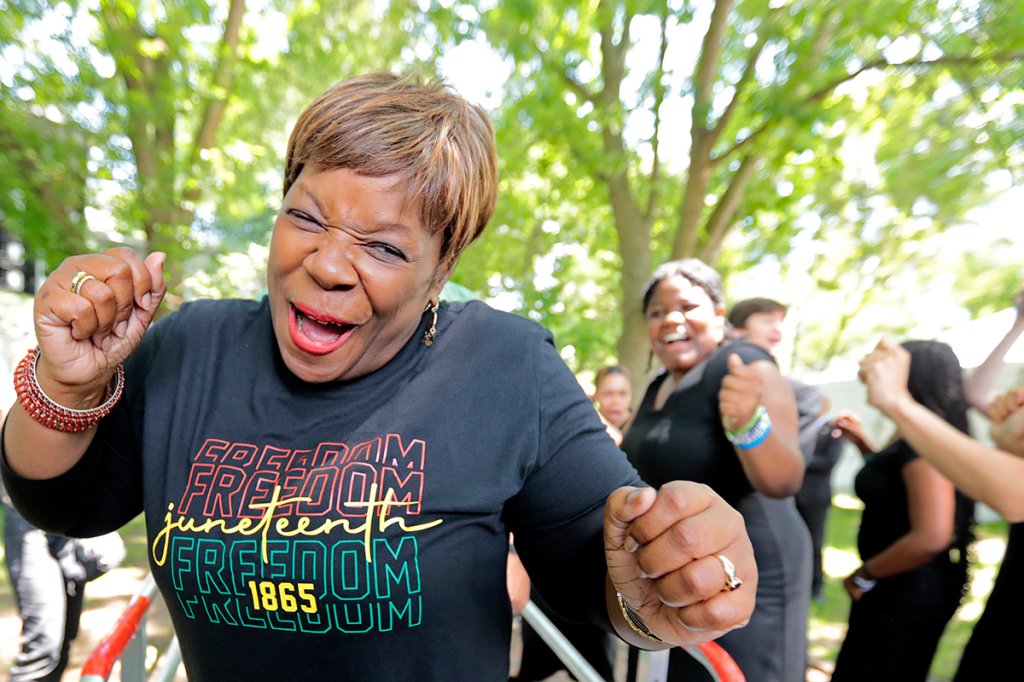
It wasn’t until nearly six months after Granger’s General Order No. 3 that the 13th Amendment to the U.S. Constitution officially abolished slavery. Blacks, though, widely recognized June 19, 1865, as the date that their bondage ended.
Blacks in Texas first celebrated Juneteenth in 1866. As Blacks there moved to other states in the ensuing years, more celebrations popped up. In the early 20th century, Juneteenth observances were not uncommon across the country. They became less prevalent during the Great Depression and because of Jim Crow laws, the National Museum of the United States Army noted, but picked up again during the Civil Rights Movement.
Texas became the first state to recognize Juneteenth as a holiday in 1980. It became a federal holiday on June 17, 2021, when President Joe Biden signed the Juneteenth National Independence Day Act. That signing marked the end of Opal Lee’s long fight to get Juneteenth recognized as a federal holiday.
Now 99 years old, Lee’s great-grandmother was a slave in Louisiana.
“I knew I would see it happen in my lifetime,” Lee told National Public Radio, laughing, after the Juneteenth act became law. “But I have to keep my cool.”
Lee isn’t the only one proud of what Juneteenth represents.
“For the Army, Juneteenth honors Black Soldiers that fought and sacrificed to ensure the Constitution’s promise to all Americans[,] no matter their color, race, or ethnicity…,” Maya Green, an Army veteran and Juneteenth historian, told the National Museum of the U.S. Army. “The Army’s role in liberating enslaved persons throughout the Confederacy as one of its core legacies will never be forgotten.”
Don’t Miss the Best of We Are The Mighty
• 12 strange and surprising facts about the Civil War
• 5 reasons why John Bell Hood was the worst Civil War general
• President Lincoln personally led a recon mission during the Civil War
Featured



Loading comments…
Comments couldn’t be loaded. Please refresh the page.