
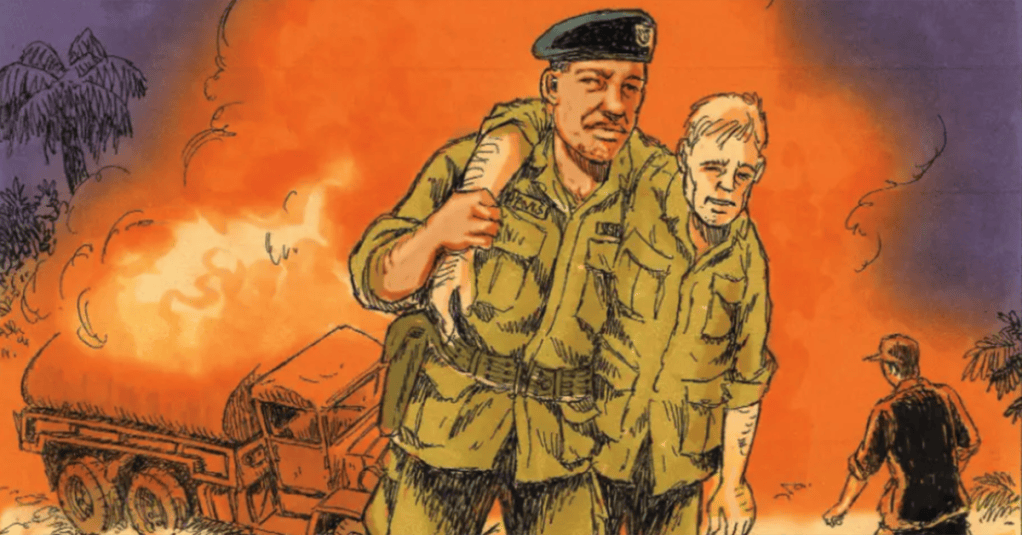
There is nothing easy about joining the United States Army, but Paris Davis wanted something more.
After attending Southern University in Baton Rouge, Louisiana, on an ROTC scholarship, Davis sought a career in Special Forces in the 1960s—a decade of intense racial strife in America. He chose that path primarily, because he wanted to prove that Blacks such as himself had the courage and fortitude to become elite soldiers.
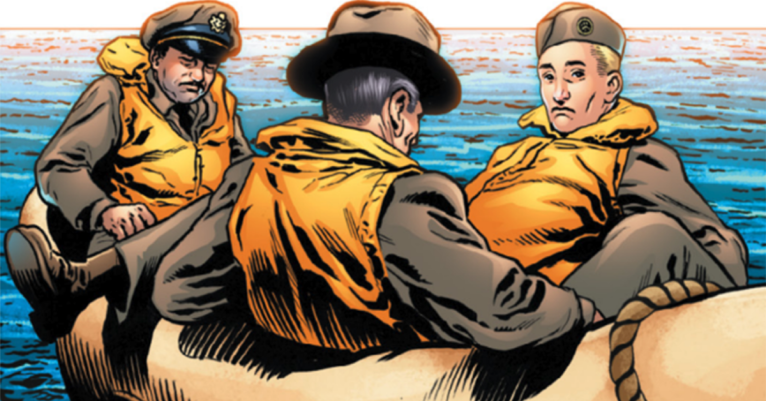
Also Read: How World War I ace Eddie Rickenbacker survived 24 days at sea
Davis did so many exemplary things during his time in the military, which ended in 1985 when he retired at the rank of colonel. He proved his mettle repeatedly, none more so than Davis’ display of heroism on June 17-18, 1965, during the Vietnam War.
In that engagement with North Vietnamese forces, Davis saved the lives of three fellow Green Berets despite sustaining wounds himself. Over a 19-hour period, Davis overcame enemy fire repeatedly to risk his life during an ambush.
The latest graphic novel from the Association of the United States Army, “Medal of Honor: Paris Davis,” details his heroics in Vietnam. The graphic novel is available to read for free at www.ausa.org/davis or www.ausa.org/moh. The latter link also includes the other Medal of Honor graphic novels that the nonprofit organization has produced.
The Victim of an Ambush
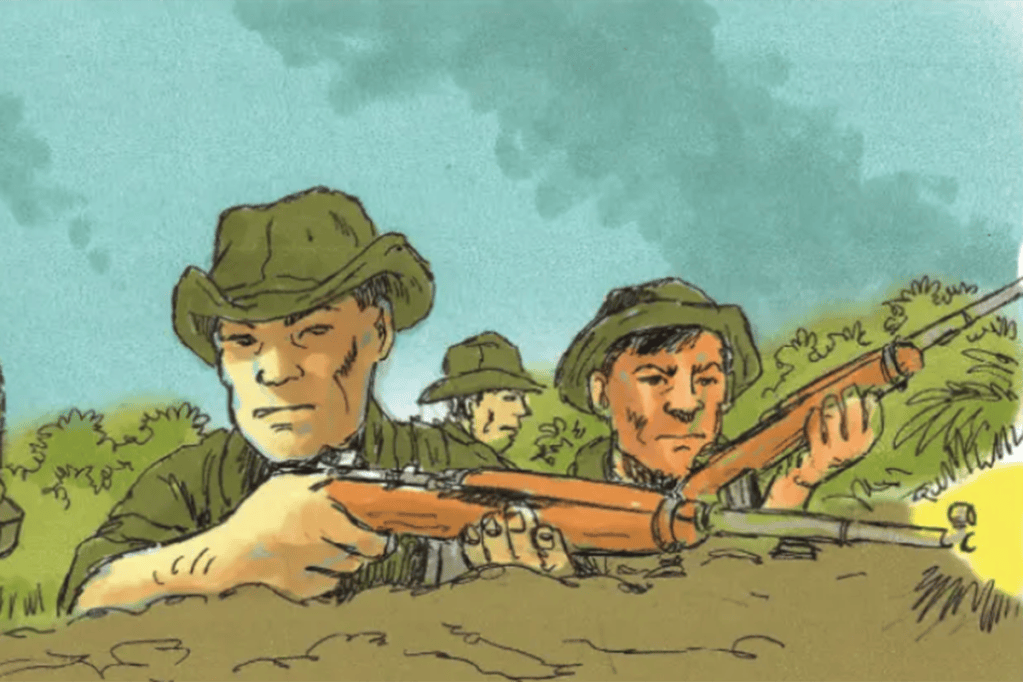
According to his Medal of Honor citation, Davis was advising a group of inexperienced South Vietnamese soldiers as they embarked on their first combat mission. Along with Green Berets Robert Brown, John Reinberg, and Billy Waugh, Davis was there to lead them through a nighttime raid against the Viet Cong. The enemy held the numbers advantage, but with the guidance of U.S. Special Forces, the Vietnamese 883d Regional Force Company completed the raid successfully.
Then they were the victims of an ambush.
“You couldn’t see the ground or anything else, there [were] so many of those guys coming at us,” Davis recounted in a 2023 article for the Army’s official website.
Davis, a captain at the time, remained relatively calm and thought rationally in those frightening moments. He displayed incredible leadership, rallying the South Vietnamese. He directed artillery and small arms fire that allowed elements of the 883d Regional Force Company—part of the Army of the Republic of Vietnam—to reach his position, his citation read.
Davis also continued fighting despite a grenade explosion nearby, which tore off part of his right trigger finger and knocked out several teeth. Davis simply picked up his finger off the ground, stuffing it in his pocket in the hope that doctors could reattach it later.
In the meantime, he focused his attention elsewhere.
Rescuing His Fellow Green Berets
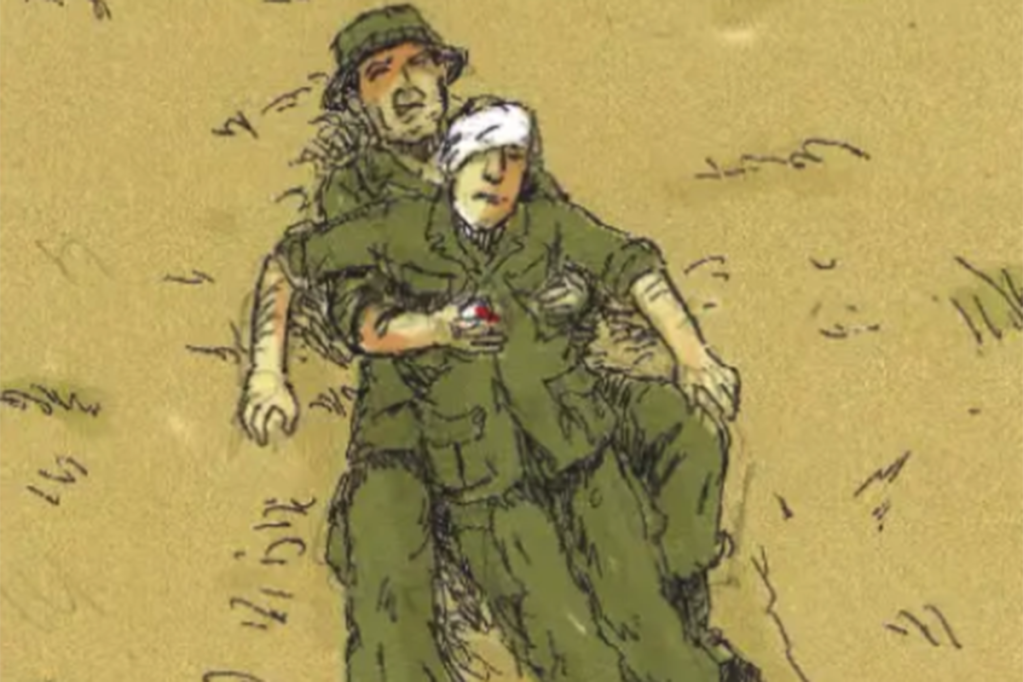
While Davis was injured, he wasn’t immobile and others required his attention, most notably the other Green Berets on this mission. Brown, Reinberg, and Waugh sustained life-threatening injuries, and if they were not extracted, they faced likely imprisonment or, worse, death.
In his Army News Service article, “No man left behind,” author Christopher Hurd recounted the lengths to which Davis went to save each man. Before he did, he had to save himself when a North Vietnamese soldier pointed a gun at the back of Davis’ head. When he pulled the trigger, no bullet discharged, allowing Davis enough time to grab a bayonet from his boot and kill his attacker.
It was a fortunate outcome for Davis, but he was hardly safe yet.
Davis first saved Waugh, who could not walk because of injuries to his legs and feet. As Davis raced toward Waugh—who, Davis later claimed, thought less of him because he was Black—an enemy troop shot him. Davis kept going, killing several soldiers along the path to reaching Waugh. He then grabbed the injured Green Beret and got him out of harm’s way.
Davis went back for the critically wounded Reinburg next. Davis grabbed the injured soldier and carried him up a hill to a medevac helicopter.
And finally, Davis ignored his own well-being for Brown, whose condition was grave after he sustained a gunshot wound to the head.
“They said he was dead, but I wasn’t leaving him behind,” Davis said in Hurd’s article.
In fact, Brown wasn’t dead, and Davis again endured enemy fire to get him out too.
Davis Finally Receives the Medal of Honor
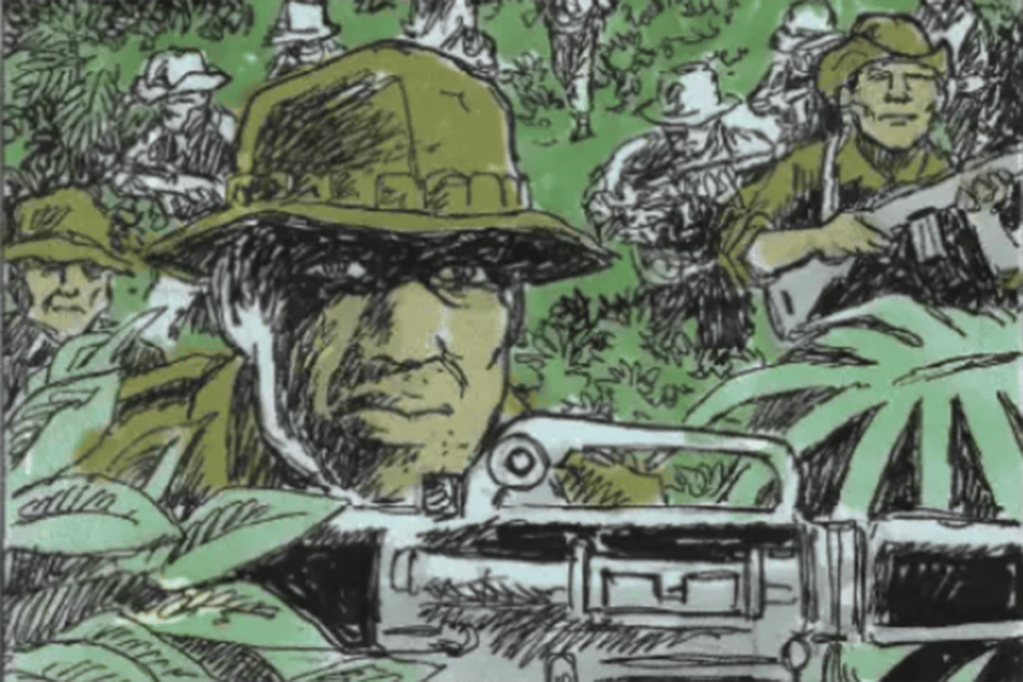
Davis, who sustained multiple gunshot and shrapnel wounds, did not accept medical attention until all of the wounded were evacuated. In the end, he and his vastly outmanned contingent repelled the North Vietnamese attack and were victorious.
Davis’ path to receiving the Medal of Honor was circuitous at best and likely tinged with racism. After his commander recommended him for the military’s highest honor for valor, the paperwork went missing. After the military leadership refiled it, it got lost again.
They made the Medal of Honor case for Davis a third time, and it included testimonials from other Green Berets, including from Waugh. Volunteers worked tirelessly to get Davis his due recognition, and sometimes the results were frustrating.
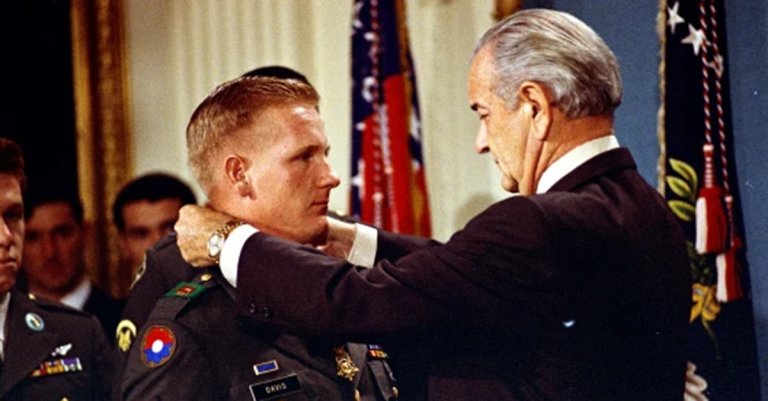
They did not let any obstacles impede their efforts, and they finally were rewarded when Biden presented the Medal of Honor to Davis in a White House ceremony on March 3, 2023.
“I didn’t think about going after Brown to get a medal, or Waugh,” Davis asserted. “For me, it was never ever a reason why I wanted to do something. Saving those lives was a part of what was human. Fighting the enemy was the part that was daring.”
AUSA’s most recent graphic novel, “Medal of Honor: Paris Davis,” is out now at www.ausa.org/davis or www.ausa.org/moh.
Don’t Miss the Best of We Are The Mighty
• James Capers never gave up on his Marines. Marine Corps veterans never gave up on him.
• How this Medal of Honor recipient finally came home from the Korean War
• Graphic novel spotlights the covert dealings that helped win the American Revolution
Loading comments…
Comments couldn’t be loaded. Please refresh the page.