
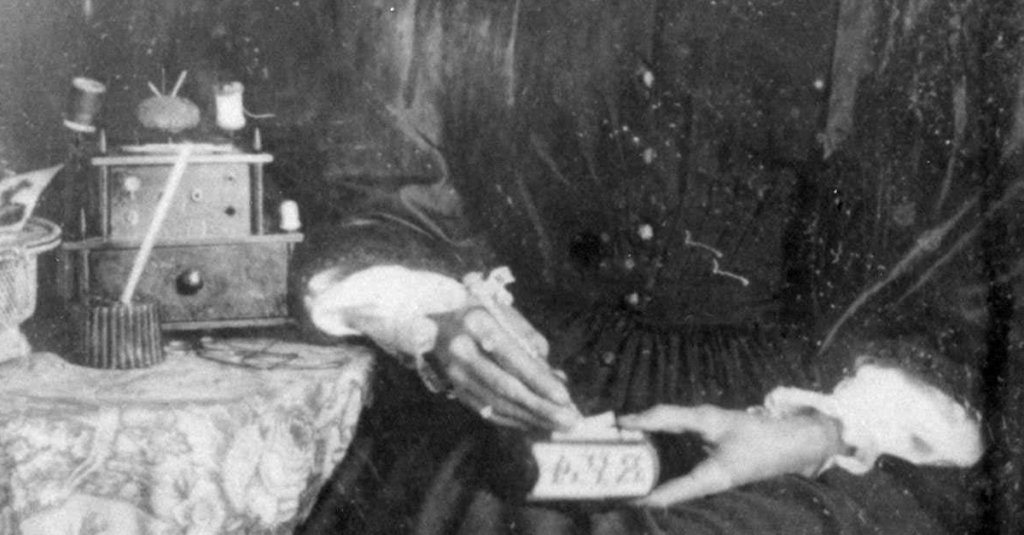
Household items common during the Civil War were (mostly) used for the same purposes as our modern conveniences. Some of the everyday items used in the our era would make no sense to our relatives of years past, or simply appear magical. But the same could be said of their household items: things that have either been made obsolete, replaced over time, or seemed like magic to us—whether that magic worked or not.
Also Read: Modern dishes anyone can make using Civil War foods
Though some of these items might be funny, at the time they were o necessary for running a household. Often, they were used by military spouses while their soldier was away fighting the War Between the States. These days, however, they might be virtually unrecognizable today.
1. Coffee Substitutes
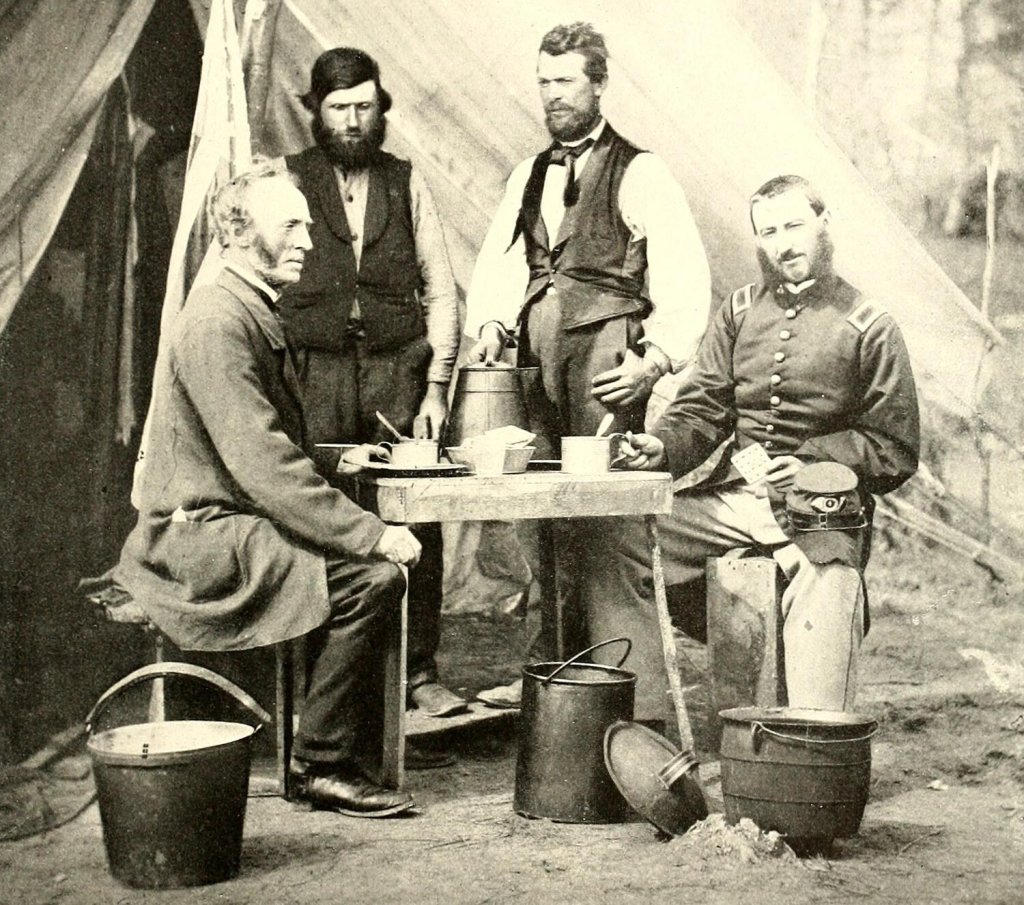
Americans run on coffee, not just Dunkin’ coffee. Trying to secede from the Union didn’t change that for the Confederates—it may even be one more reason the South lost. Blockades prevented key supplies and luxury goods from reaching Confederate states, so Southern milspouses had to get creative with what was available. Coffee was one of the most sought-after, yet hard-to-find commodities in the Civil War South, so people brewed ersatz versions using peanuts, peas, chicory, sweet potatoes, or okra (which could be just as expensive).
Some grains were also dried and brewed to attempt a coffee alternative, but in the most desperate of times, acorns were roasted as a coffee substitute. Interestingly enough, these wild substitutes were apparently better than skipping altogether. We don’t have to guess what the acorn coffee tasted like, because, although it was reviled by many Southerners, it’s currently experiencing a revival by health nuts. Some of the more popular substitutes still survive today, as anyone who’s had the chicory coffee in Louisiana can attest
2. Witch Bottles
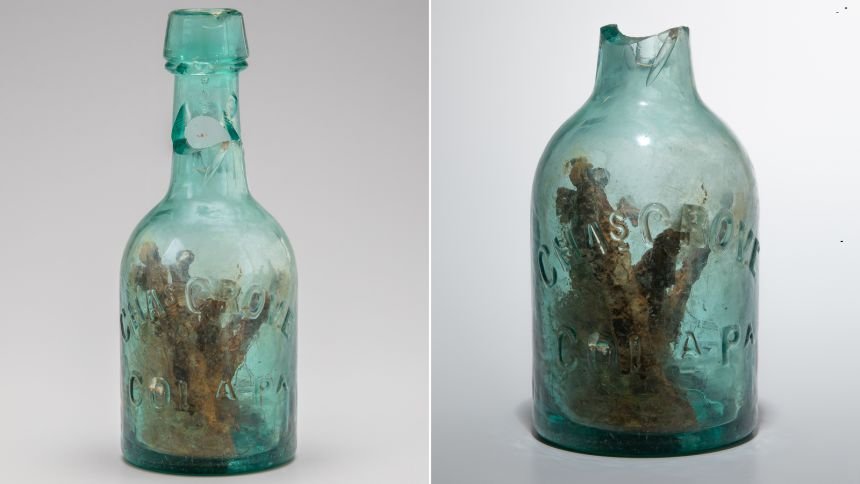
Forget locking the door. Bad luck, evil spirits, and curses were kept at bay with something far easier: witch bottles. Soldiers and their wives took glass bottles and filled them with nails or other sharp objects, then buried them in the ground. Sometimes they would bury these items at points inside the home, usually near the hearth. They were meant to keep danger at bay.
Who needs a locksmith or sturdy doors when there are spare nails laying around?
If you’re ever digging near an old home and find a bottle filled with rusty nails, you may want to leave it where you found it. You never know how much bad luck it’s been warding away throughout the years.
3. Canteens
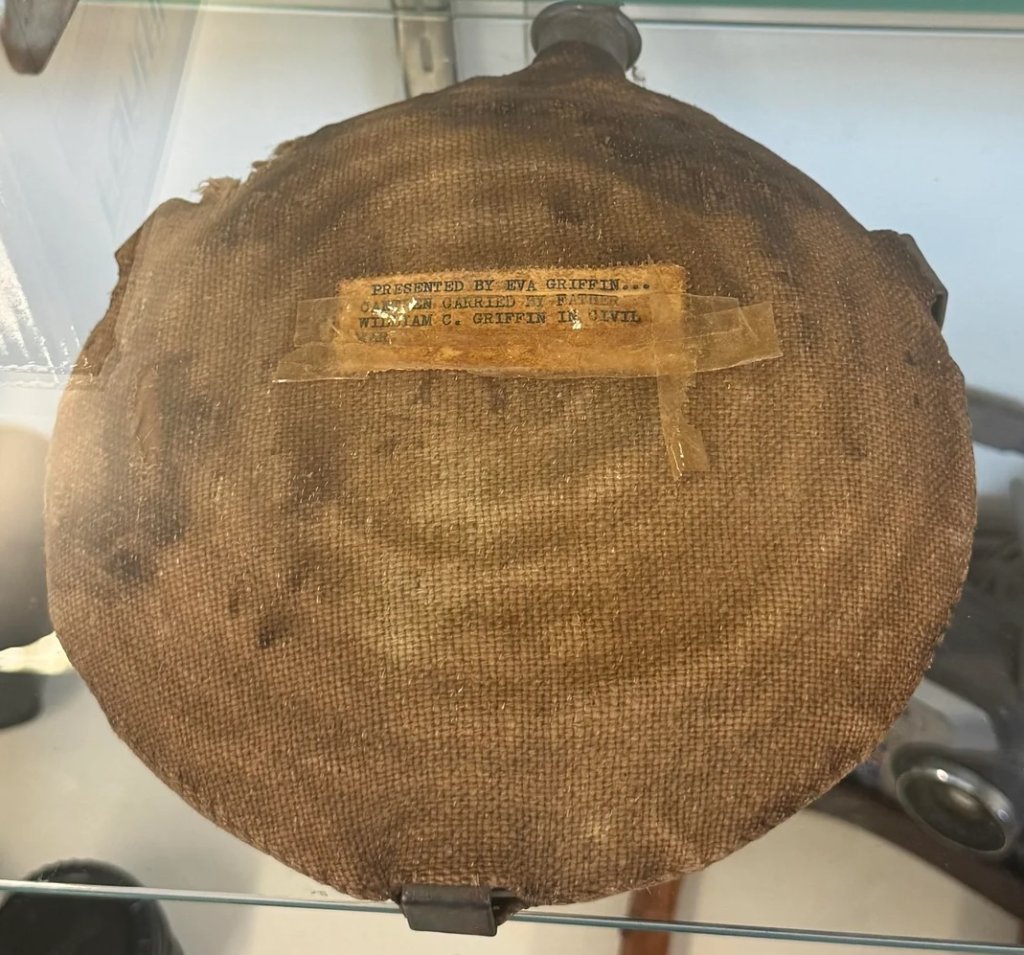
American troops are familiar with the canteen. They were usually issued as metal or plastic versions and snapped to your old web gear. Today, civilians have Stanley cups and Owala bottles, but before the invention of BPA-free plastics, water was kept in a very different container: canteens.
But these weren’t just for soldiers, and they didn’t look the same. Made of wood, tin, or possibly leather, canteens were used both by soldiers and in homes to help stay hydrated, even if the household was far from a well or spring. In most cases, they were closed with a cork or wooden stopper and made in a round shape, which was less than efficient.
4. Loose Foods
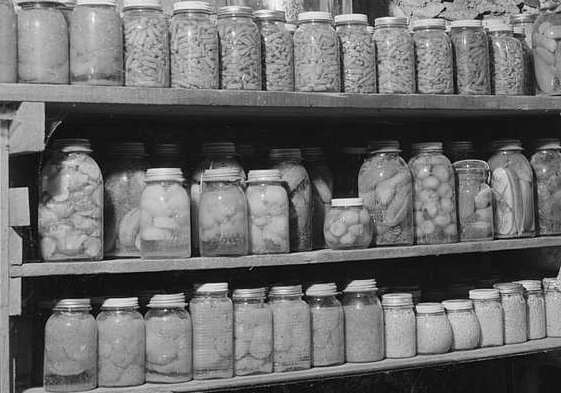
Obviously, Civil War-era households didn’t have refrigerators. Before the fridge, there were iceboxes, but ice for ice boxes was difficult to come by in most places, especially rural areas. But people still needed to preserve their fruits, vegetables, and grain. So instead of keeping them cold, foods were preserved by being dried, canned, salted, or pickled.
This means it was not uncommon for foods to be hung by the fireplace or placed in a bucket or jar for salting and curing. Since most small homes featured what we would call “open concept living” (before houses came with the square footage), it was not uncommon for homes to be filled with preserved foods. These items were both eaten at home, and carried by soldiers so they could have sustenance on the go.
5. The “Housewife”
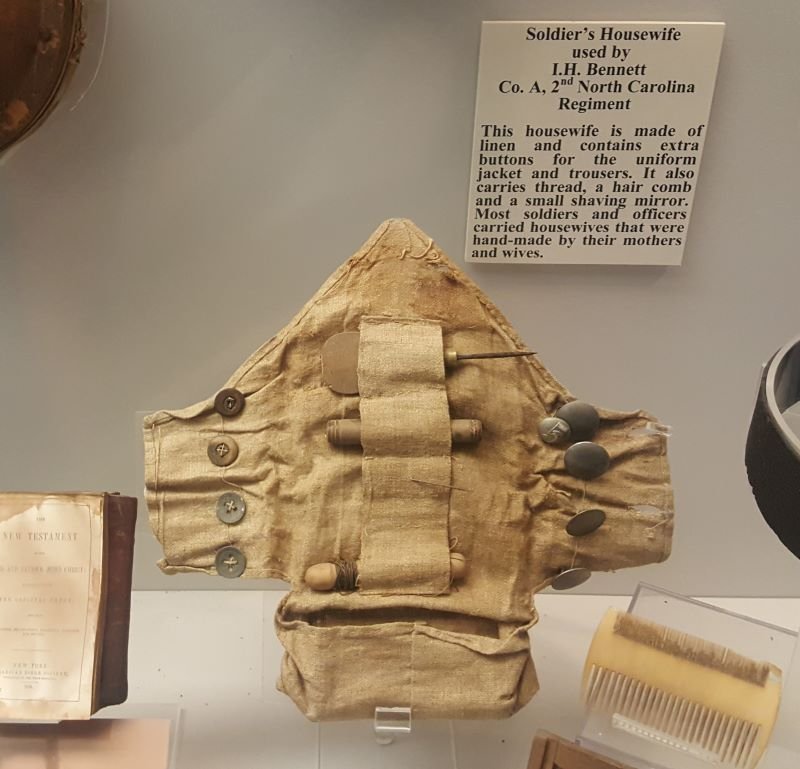
Back before the sew shop was created, rips still had to be repaired, insignia had to be sewn on, and alterations completed. While the men were at home, that often meant the military spouse was sewing buttons or adding rank to their soldier’s uniform, as every home had ample sewing supplies. Whether or not they had a machine (foot powered, of course), hand sewing was a must and repair items were kept on hand at all times.
But when snags took place in the field (or on the battlefield) it was up to the soldier to handle their own repairs. Enter the “housewife,” a sewing kit that came with needles, thread, and extra buttons. Virtually each soldier had one of these kits on them or in their pack to handle repairs as needed. Some also used it as a place to stash family photos that wouldn’t get bent or damaged by water.
Don’t Miss the Best of We Are The Mighty
• The US military’s drinking water was the worst water you’ve ever loved
• The Civil War created the modern American funeral industry
• That time an entire battle stopped to watch two soldiers in a fistfight

Loading comments…
Comments couldn’t be loaded. Please refresh the page.