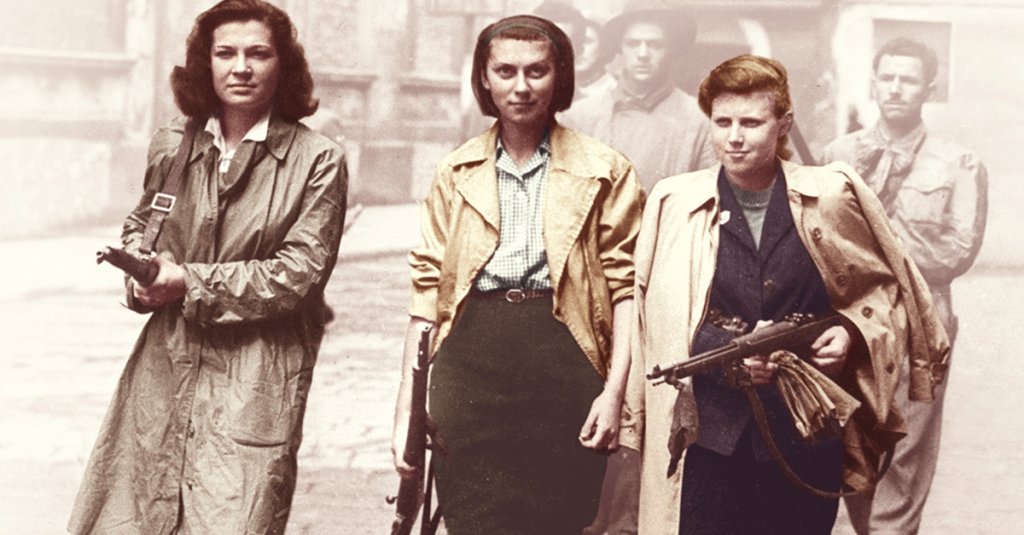
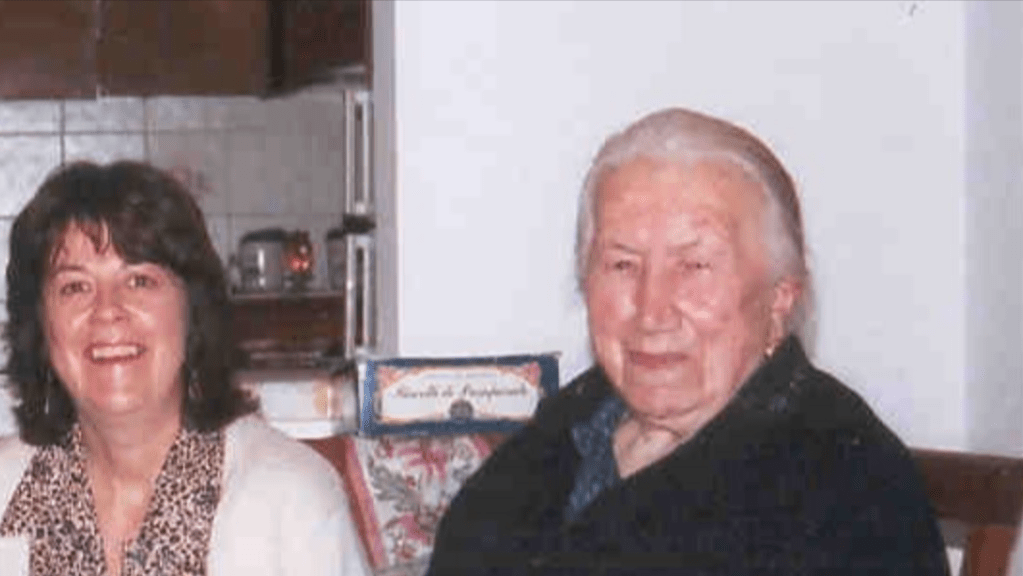
Maria Levi did not carry a rifle. She carried pasta. After an Allied prisoner of war escaped from an Italian camp in September 1943, Levi waded barefoot across a river with a pot balanced on her head to feed him. It sounds like a fable until you remember what it really was: supply and sustainment, delivered by a civilian, in occupied territory, to a man the Germans would happily shoot. She was one of the thousands of Italian women who did their part to win World War II.
Related: 6 military spouses who grabbed a weapon and joined the fight
Italy’s armistice on Sept. 8, 1943, didn’t end the war on the peninsula. It rearranged it. Germany moved in, propped up fascist forces, and turned much of Italy into a battlefield that ran through rail lines, city blocks, farm roads, and kitchens. In that environment, the Allies were helped “most effectively” by resistance networks behind German lines, and women were the grease in those gears: the people who could move, connect, hide, and warn when a uniform would draw a bullet.
They turned their ordinary lives into a battlefield of messages, medicine, hiding places, and sabotage.
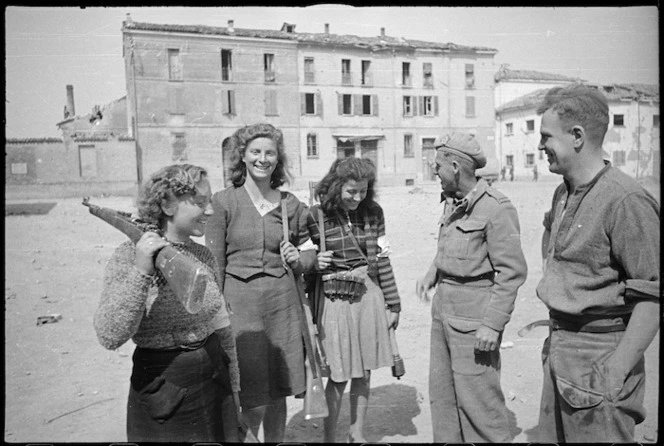
A lot of that work had a name: “staffette,” partisan couriers. They carried messages, weapons, newspapers, and sometimes people. An Italian resistance-history institute notes that some couriers were barely teenagers, including future journalist Oriana Fallaci, who served as a staffetta at 13, moving clandestine papers and helping guide escaped Anglo-American prisoners toward Allied lines. That’s operational mobility.
Then it got organized. In northern Italy, women built a mass network through the Gruppi di Difesa della Donna (Women’s Defense Groups, or GDD), founded in Milan around mid-November 1943 by a small group of women representing parties aligned with the National Liberation Committee. They described themselves, bluntly, as “comrades in combat.”
“Combat” here didn’t always mean picking up a rifle. GDD membership numbered around 70,000 women, and the list of what they did reads like a resistance supply manual: organize demonstrations and strikes, join partisan formations, regroup shattered brigades after roundups, escort detachments as cover, provide clothing, and move weapons through roadblocks. The GDD was a major channel for clothing, equipment, prisoner support, and illicit literature, creating an infrastructure for resistance.
That infrastructure hit the Germans where it hurt: production, transportation, and control. The GDD pushed sabotage tied to war production, worked to disrupt lines of communication, and agitated for strikes against Nazi-fascist forces, the kind of pressure that forces an occupier to spend manpower policing factories instead of fighting Allied armies. These large-scale women’s organizations mobilized during 1943-45, a timeline that shows these networks were strategic, not incidental.
Italian women kept people alive long enough to keep fighting. Women served as nurses, assisted wounded partisans and sick fighters in public hospitals, and ran first-aid centers of their own. Resistance doesn’t stay romantic for long when someone is bleeding in the snow, and the medical work was as essential as any ambush.
Some of the most direct help Italian women provided to the Allies during World War II involved escape, not firefights. When Italy changed sides, tens of thousands of Allied prisoners of war were suddenly on the move. Camps in Italy held about 80,000 Allied prisoners, and up to 50,000 tried to reach freedom after the armistice by moving north to Switzerland or south toward Allied lines. Italians, including many rural families, fed, clothed, hid, and guided them through danger.
Allied intelligence and special operations also depended on local networks to function. The U.S. Office of Strategic Services (OSS) and its partners pushed teams behind German lines, working with resistance groups that could supply guides, safe houses, couriers, and contacts. Anti-fascist resistance groups operating behind enemy lines were most effective in supporting the Allies, and their efforts included extensive infiltration and cooperation in Italy.
Meanwhile, OSS supply drops armed partisan formations, building units that could harass German movement and feed intelligence back toward Allied headquarters.
Like most wars, the scale is ugly and impressive at the same time. Roughly 35,000 women fought as combatant partisans, and many more served in courier and support pipelines that kept the fight alive. Around 20,000 served as “patriote” in support roles, and about 70,000 were organized in the women’s defense groups, along with thousands arrested, tortured, convicted, wounded, executed, or deported.
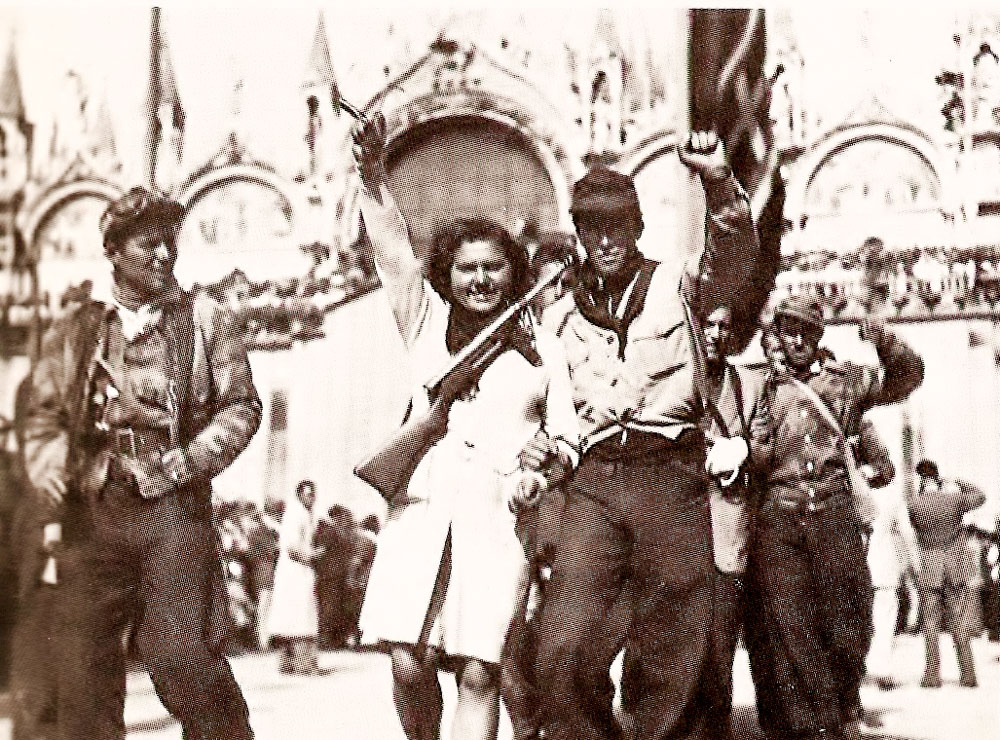
The Allied campaign in Italy relied on a second front composed of kitchens, factories, hospitals, rail lines, and farmhouses—places where women could operate, organize, and resist in ways the occupiers struggled to predict. World War II wasn’t won by heroic charges alone. It was won by networks and infrastructure, and Italian women built what the Allies could actually use.