When Americans think of World War II, images of Normandy, Iwo Jima, Guadalcanal, and Midway dominate the national memory.
Few recall that the war also reached the soil of the United States itself, not in Hawaii alone, but on the cold, windswept islands of Alaska. Yet in 1942, Imperial Japanese forces invaded and occupied American territory in the Aleutian Islands, marking the first foreign occupation of U.S. land since the War of 1812.
Read Next: The American mafia teamed up with the Navy to get even with Mussolini
The Aleutian Islands campaign remains one of the most overlooked theaters of World War II despite its strategic significance, human cost, and historical uniqueness as the only WWII land campaign fought on North American soil.
Alaska on the Edge of War
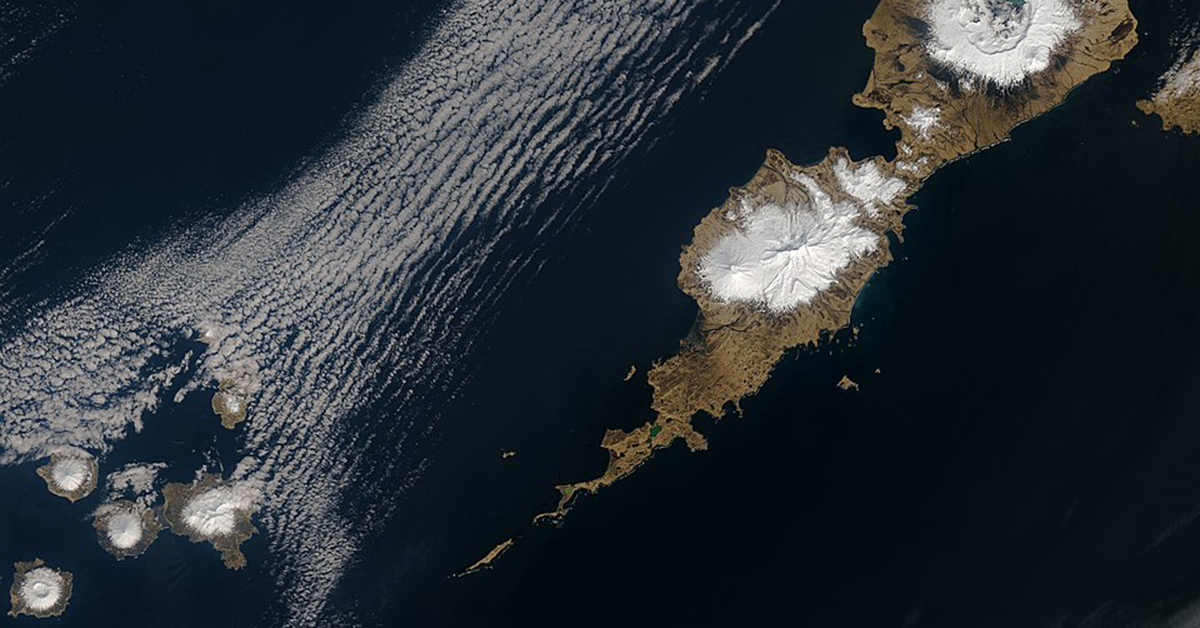
Before World War II, Alaska was still a U.S. territory, remote from the American mainland and sparsely populated. The Aleutian Islands stretch more than 1,200 miles westward from Alaska toward Asia, forming a natural bridge between North America and the Japanese home islands. For decades, these islands were largely ignored by military planners, viewed as desolate, fog shrouded, and strategically marginal.
That perception changed dramatically after Japan’s surprise attack on Pearl Harbor on December 7, 1941. Suddenly, the Pacific Ocean was a battlefield, and the northern approaches to North America became a matter of urgent concern. Military planners on both sides recognized that control of the Aleutians could provide airfields, naval bases, and potential staging areas for future operations.
What had once been an afterthought became a front line.
Japan’s Strategic Calculations
The Only Land Battle Fought on U.S. soil in WWII (Strange Stories)
By mid 1942, Japan was expanding rapidly across the Pacific but was beginning to feel the strain of overstretch. The Imperial Japanese Navy planned a decisive operation against the U.S. Pacific Fleet at Midway Atoll, hoping to destroy American carrier power in a single blow. At the same time, Japanese strategists conceived a secondary operation in the Aleutians.
The Aleutian campaign served several strategic purposes.
First, diversion. By attacking Alaska, Japan hoped to draw American naval and air forces northward, weakening U.S. strength at Midway.
Related: Why World War II veterans are returning captured Japanese flags
Second, the extension of a defensive perimeter. Occupying islands in the Aleutians would push Japan’s defensive line outward and complicate potential U.S. air attacks on the Japanese home islands from the North Pacific.
Third, psychological impact. Invading American territory would shock the U.S. public and demonstrate Japan’s reach.
Though historians still debate the relative importance of the Aleutians in Japanese planning, it is clear the operation was intended to complement and conceal the decisive battle unfolding near Midway.
The Bombing of Dutch Harbor
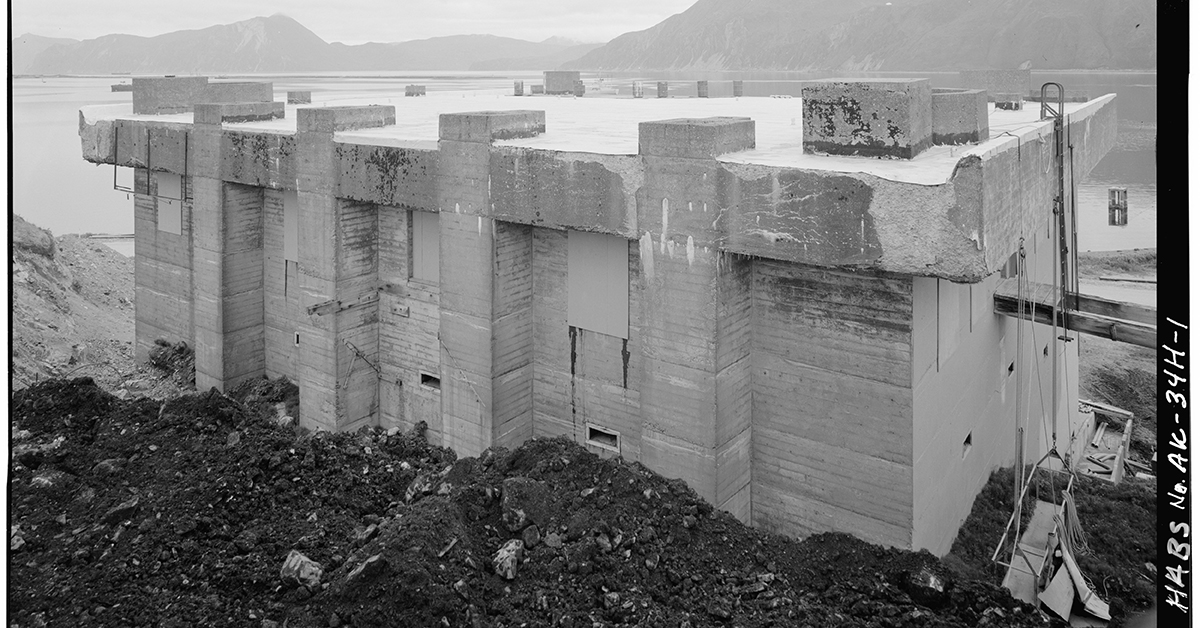
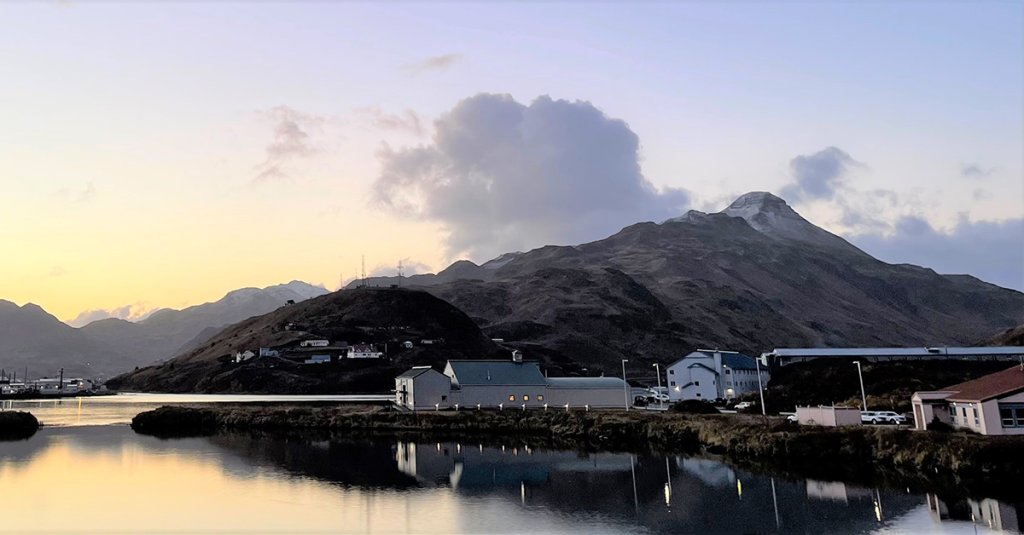
The campaign began on June 3 and 4, 1942, when Japanese aircraft launched air attacks against the U.S. naval base at Dutch Harbor, located on Amaknak Island. The strikes caused damage to facilities, destroyed aircraft, and killed American servicemen and civilians.
Though militarily limited, the bombing had an enormous psychological impact. It shattered the belief that the continental United States and its territories were beyond the reach of enemy attack. For the first time since the War of 1812, Americans confronted the reality that foreign forces could strike and occupy their land.
The Dutch Harbor attacks also marked the opening act of a much larger and more consequential operation.
The Occupation of Attu and Kiska
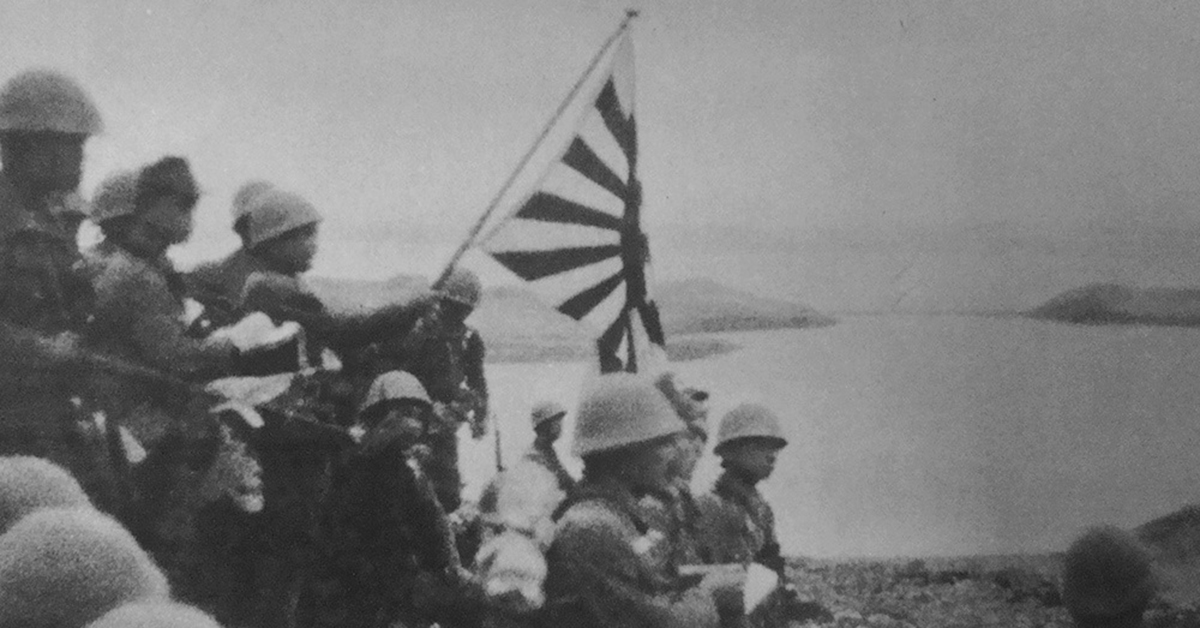
Within days of the bombing, Japanese forces moved to seize two remote islands in the western Aleutians.
Kiska was occupied on June 6, 1942.
Attu followed on June 7, 1942.
Though the islands were small and sparsely populated, their capture carried enormous symbolic and strategic weight. The Japanese established garrisons on both islands, fortifying them with bunkers, artillery, and air defenses. Supplies had to be transported across vast distances through treacherous seas, making life for the occupying troops harsh and isolated.
For the native Unangax̂, also known as the Aleut people, the occupation was devastating, especially on Attu. The island’s small population was taken prisoner and forcibly transported to Japan. There, they were held in captivity under brutal conditions. Nearly half of Attu’s residents died due to disease, malnutrition, and mistreatment. Their suffering remains one of the most tragic and least acknowledged aspects of the Aleutian campaign.
Meanwhile, U.S. authorities forcibly evacuated Aleut communities elsewhere in Alaska, often to poorly equipped internment camps. While not the same as Japanese captivity, these relocations caused immense hardship, illness, and death among displaced civilians and remain a lasting stain on America’s wartime record.
The Battle of Attu in May 1943
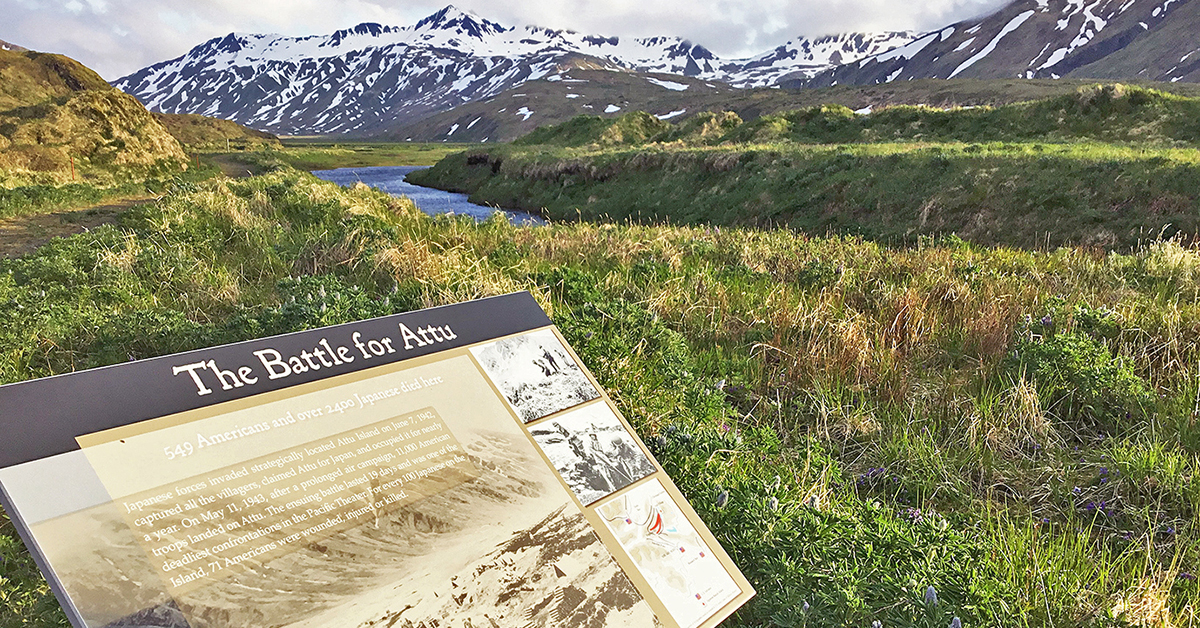
After months of planning and buildup, U.S. forces launched an operation to retake Attu in May 1943. What followed was one of the most brutal and costly battles of the Pacific War, fought not in jungles or beaches, but in icy winds, deep snow, and fog choked mountains.
It was a relentless environment, with the Aleutian climate proved as deadly as the enemy. Soldiers faced freezing temperatures, constant rain and snow, heavy fog, mud and tundra that swallowed equipment, and extreme shortages of visibility and shelter.
Frostbite, trench foot, hypothermia, and disease caused thousands of casualties, often sidelining soldiers before they ever encountered Japanese forces.
Related: Hirohito was tormented by Japanese conduct in World War II
The Japanese defenders, numbering approximately 2,351 men, fought tenaciously from well-prepared positions. The rugged terrain favored defense, and American forces advanced slowly, often engaging in close quarters combat.
After 18 days of brutal fighting, the battle culminated on May 29, 1943, with a massive Japanese banzai charge. Nearly all remaining Japanese soldiers were killed in the attack, choosing death over surrender.
The cost was staggering. Japanese losses amounted to nearly the entire garrison, with only a handful captured alive. American forces suffered more than 3,800 casualties, including deaths, wounds, and noncombat injuries caused by weather and terrain.
The Battle of Attu demonstrated that even remote, seemingly insignificant territory could exact an enormous human toll.
Kiska and the Enemy Who Wasn’t There

America's Arctic War – The Aleutians Campaign
Following the catastrophe at Attu, Japanese commanders recognized that holding Kiska was no longer possible. Rather than fight to the last man, they executed one of the most remarkable evacuations of the war.
In July 1943, under cover of dense Aleutian fog, Japanese naval forces successfully evacuated more than 5,000 troops from Kiska. The operation went completely undetected by Allied forces, a stunning feat of coordination and deception.
When American and Canadian forces launched a massive invasion in August 1943, they expected another bloody battle. Instead, they found an empty island.
Despite the absence of enemy troops, the invasion of Kiska was not without cost. Allied forces suffered casualties from friendly fire incidents, booby traps left behind by the Japanese, and mines and accidents in the unforgiving terrain.
The irony was bitter. Lives were lost even when the enemy had already gone.
The End of the Campaign
With the recovery of Kiska in August 1943, the Aleutian Islands campaign came to an end. American territory was fully reclaimed, and the threat to the North Pacific approaches was eliminated.
In strategic terms, the campaign helped secure the northern flank of the Pacific theater. It also forced Japan to divert resources and exposed the vulnerability of extended supply lines in remote regions.
Most importantly, it marked the conclusion of the only land campaign of World War II fought on North American soil.
A Forgotten Chapter of World War II
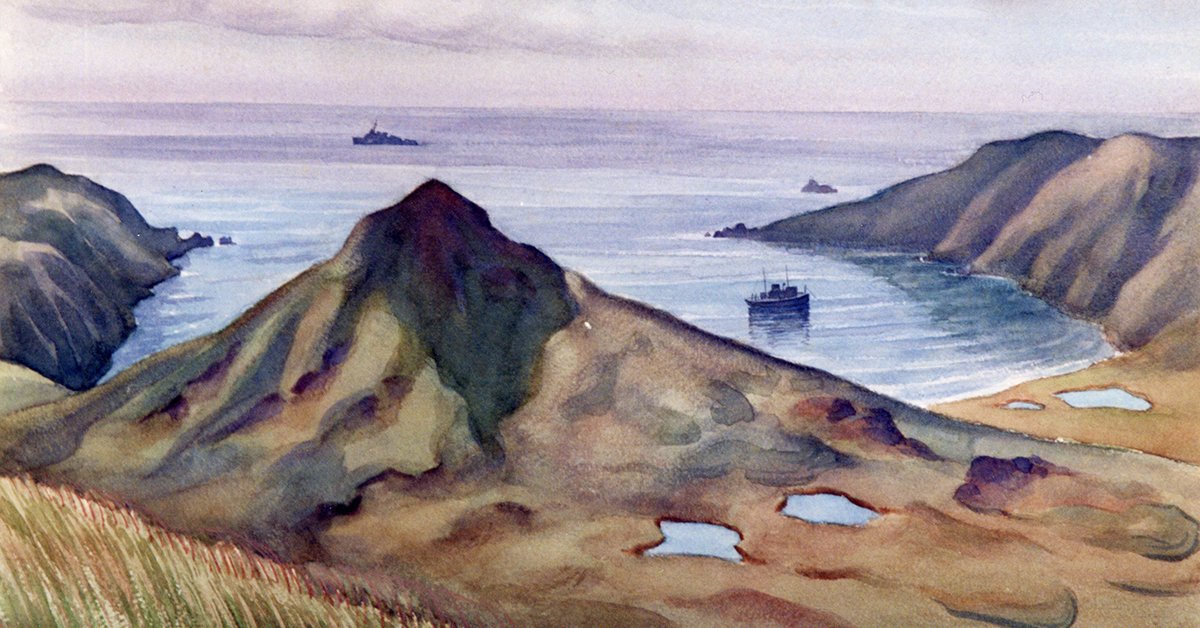
Winifred Brown
Despite its significance, the Aleutian campaign remains largely absent from popular histories of the war. Overshadowed by Midway, Guadalcanal, and later island-hopping campaigns, Alaska’s role is often reduced to a footnote.
Yet the campaign offers enduring lessons. Geography matters; even remote territory can become strategically vital. War affects civilians profoundly, and the suffering of the Unangax̂ people reminds us that war’s victims extend far beyond the battlefield. Nature itself can be as deadly as any enemy, and the Aleutians proved that the environment can shape and destroy armies.
Legacy and Memory
Today, remnants of bunkers, airfields, and wreckage still dot the Aleutian landscape. They stand as silent witnesses to a time when war reached America’s doorstep in the most unexpected place.
The story of Attu and Kiska challenges the notion that World War II was fought somewhere far away. For more than a year, enemy flags flew on American soil. The cost was measured not only in military casualties, but also in displaced communities and shattered lives.
Remembering the Aleutian Islands campaign is not merely an exercise in historical completeness. It is an act of honoring those who endured hardship, fought in obscurity, and suffered far from the world’s attention. In the frozen fog of Alaska, the global war was not distant. It was here.
Don’t Miss the Best of We Are The Mighty
• Military history’s 4 wildest drunken benders led by senior officers
• How Herbert Hoover Embraced ‘Hooverball’ to Stay Fit Amid Economic Turmoil
• 11 regional American foods we’d like to see in MREs