Montagnard is a French term for “mountain dwellers” and an umbrella name for the Hmong, Rhadé, and Nung peoples, among others. Approximately 30 tribes reside among six distinct ethnic groups in the area of France’s former Indochina colony. These hill people have no collective name for themselves except for the French “Montagnard” moniker.
The Montagnards were ill-treated by France during the long colonial period and also distrustful of the South Vietnamese, who later basically carried on with the same policies the French had toward them. At the same time, many Montagnards had converted to Christianity and thus openly opposed the communist regime of North Vietnam.
Coming from a deep warrior culture, the Montagnards soon accepted the U.S. Special Forces as their warrior brothers. They valiantly fought to keep the North Vietnamese and Viet Cong forces out of their homelands and worked with the Special Forces as scouts and advisors.
While Cambodia and Laos were technically “neutral” in the Vietnam conflict, North Vietnam openly operated in the remote jungles along the border with South Vietnam, especially in the Central Highlands. Clandestine raids and area denial by U.S.-led and equipped Montagnards helped keep a check on the North Vietnamese and Viet Cong activity in these regions.
It was support for the Montagnards that led to the formation of the Central Intelligence Agency’s clandestine airline, Air America. In the shadowy circumstances that came to represent the Vietnam War, the U.S. also set up air navigation aids and radars in Montagnard areas in neutral Laos and Cambodia in support of the air war against North Vietnam.
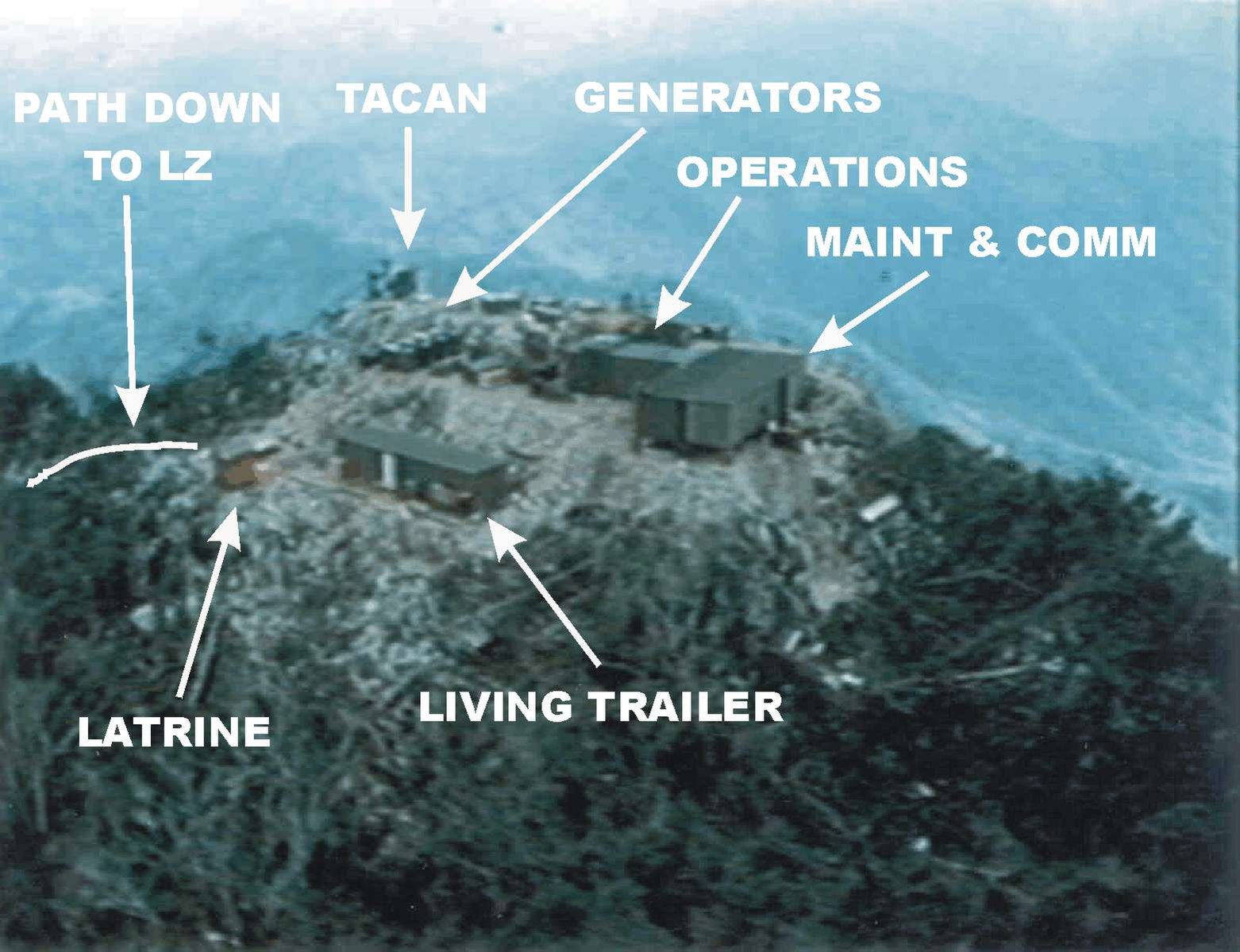
One such location was Lima Site 85 in northern Laos, very close to the border with North Vietnam and able to cover the capital, Hanoi, which was critical to the U.S. bombing of that strategic area. The site was located on top of Phou Pha Thi mountain in a Hmong tribal area and staffed by a team of U.S. Air Force technicians and operators, along with CIA officers.
During several attacks, including one of the very few ground attack missions of the war by the (North) Vietnam People’s Air Force, 12 Air Force technicians died or were listed as missing, along with numerous Hmong casualties. The site was soon abandoned.
Unfortunately, the Montagnard peoples ultimately paid a heavy price for their alliance with the U.S. and their resistance to communism in Southeast Asia. In the French Indochina War and the Vietnam War, more than a million Montagnards were killed, and almost 90% of their villages were either destroyed or had to be abandoned.
In an eerie prelude to the fall of Afghanistan in 2021, after the U.S. withdrawal in 1973 and the subsequent fall of South Vietnam in 1975, the Montagnard faced brutal reprisals from the communist Vietnamese government, as well as the savage Khmer Rouge regime that took control of Cambodia.
In 1989, U.S. legislation was enacted that allowed the Montagnards, as well as other persecuted peoples, to relocate to the United States. Many have settled in North Carolina, the location of Fort Bragg and the home of the U.S. Special Forces.
In July 2022, North Carolina Senators Richard Burr and Thom Tillis drew up a resolution recognizing “the heroic actions of the Montagnards, who fought loyally and bravely alongside United States Special Forces in the Vietnam War.”
Unfortunately, some Montagnard people who have tried to remain in their traditional Central Highlands homeland have become victims of ethnic cleansing and forced assimilation.
International agencies continue to press Vietnam to cease its cruel treatment and cultural eradication of the Montagnard people; however, there is very little leverage or incentive for the Vietnamese to change how they view the former allies of the U.S. and their former enemy.
With the growing importance of Vietnam as a key member of the forming loose Southeast Asian alliance against an increasingly aggressive communist China, the cause of the Montagnards remaining in Southeast Asia is all but lost. A group of indigenous people that existed in that area for thousands of years has essentially lost their homeland.
As of June 2022, the U.S. State Department’s statement of Integrated Country Strategy for Vietnam vaguely addressed aspirational improvements for humanitarian rights inside Vietnam but made no mention of the plight of Montagnards still residing there.