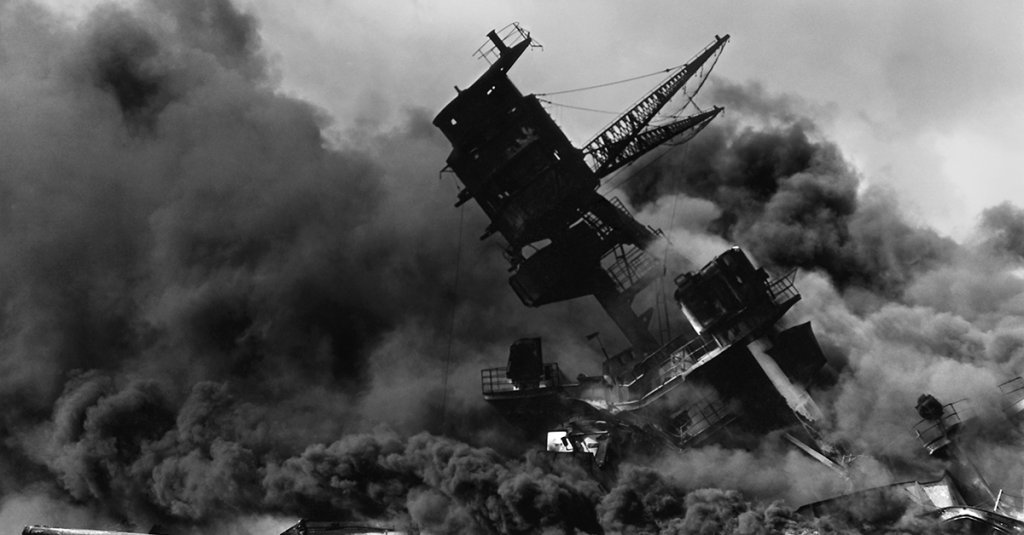
Teaching World War II effectively means resisting the temptation to begin with explosions, battles, and December 7, 1941.
For my U.S. history students, the real story starts much earlier during the fragile years between the two world wars, when economic collapse, political instability, and wounded national pride created the conditions that allowed dictators to rise. Long before the United States entered World War II, warning signs were flashing across Europe and Asia, and Americans themselves were deeply divided over how to respond.
Related: How a drunken major general almost ruined the surprise of D-Day
My approach centers on helping students understand that World War II did not happen suddenly or accidentally. It was the result of choices made by leaders, nations, and ordinary people over the course of two decades.
By examining authoritarian ideologies, the rise of dictators, and the United States’ conflicted response at home, students gain a deeper understanding of how the war reshaped America and the modern world.
A World Still Broken After World War I
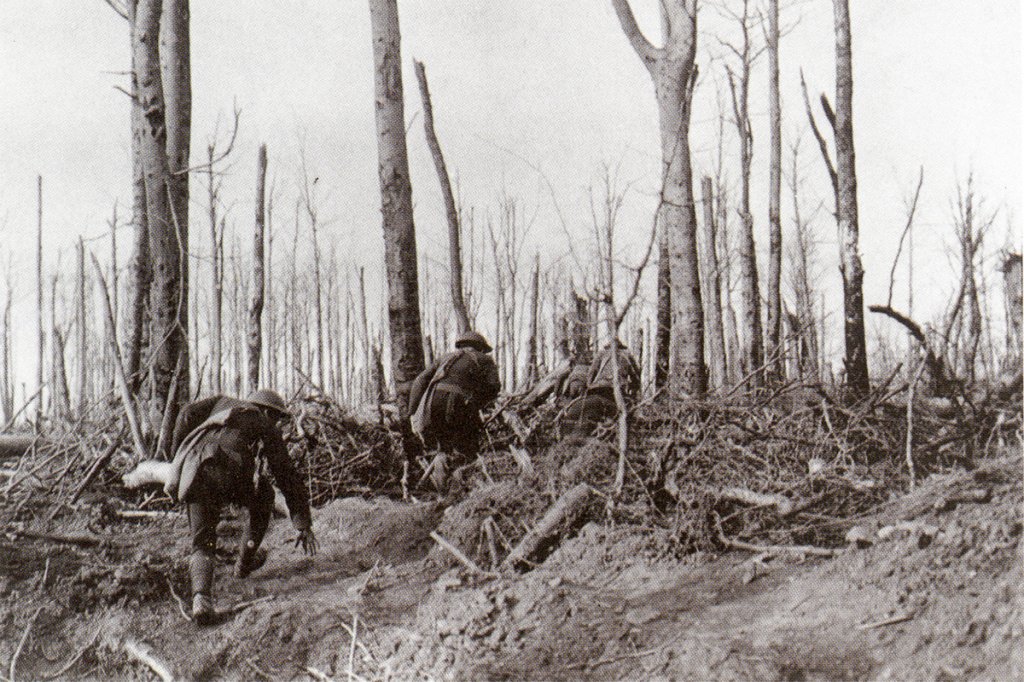
I begin the unit by grounding students in the unresolved aftermath of World War I.
While the fighting ended in 1918, peace proved far more fragile than many expected. The Treaty of Versailles punished Germany harshly by stripping it of territory, limiting its military, and demanding massive reparations. Rather than creating lasting stability, the treaty fostered bitterness, humiliation, and economic despair.
At the same time, the League of Nations, designed to prevent future wars, lacked the authority and unity needed to enforce its decisions. The absence of the United States only weakened it further. Students quickly see that democratic governments struggled to solve global problems, opening the door for leaders who promised strength, order, and national revival at any cost.
This foundation is essential. Students must understand that dictators did not rise, because people suddenly rejected democracy, but because democracy appeared unable to deliver security, prosperity, or pride during times of crisis.
Clarifying the Ideologies that Shaped the Era
Before examining individual leaders, I make sure students clearly understand the political ideologies driving the conflict. Fascism, socialism, and communism are often misunderstood or oversimplified, so I focus on clarity and application rather than memorization.
Fascism is presented as an authoritarian system built on extreme nationalism, obedience to a powerful leader, suppression of opposition, and glorification of the state and military. Fascist governments reject democratic values, individual freedoms, and political dissent in favor of unity and national strength. Students learn that fascism thrives on fear, propaganda, and the belief that a nation must dominate others to survive.
Socialism is explored as an economic system in which the government plays a major role in managing industries and distributing resources to reduce inequality. I stress that socialism itself does not automatically result in dictatorship and has taken many forms across different countries, which helps students avoid oversimplified conclusions.
Communism, as practiced in the Soviet Union, is taught as a system where the state controls all property and economic activity, claiming to represent the working class. In reality, under leaders like Joseph Stalin, communism became synonymous with one-party rule, repression, and widespread violence.
By connecting these ideologies directly to real historical examples, students learn to recognize how ideas translate into policies and power structures.
Why Dictators Found an Audience After the War
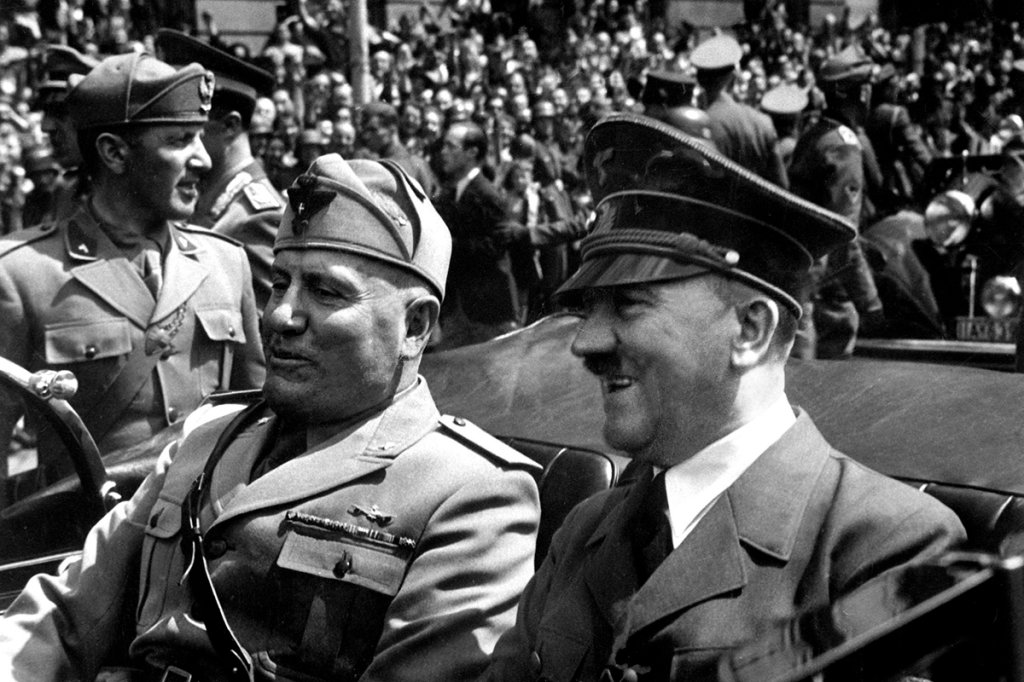
With ideology established, we examine why dictators gained power so effectively during the interwar years. Economic instability played a central role. The Great Depression devastated economies worldwide, leaving millions unemployed and desperate. Political systems that relied on compromise and slow reform seemed weak in comparison to leaders who promised immediate solutions.
Nationalism also became a powerful tool. Dictators appealed to wounded pride, telling citizens that their nations had been cheated, humiliated, or betrayed. By identifying enemies, whether foreign powers, political rivals, or minority groups, authoritarian leaders united people through fear and resentment.
Students come to understand that dictatorships are rarely imposed entirely by force at first. Instead, they often grow from public support fueled by crisis, propaganda, and promises of national renewal.
Mussolini and the Birth of Fascist Italy

Ten Minute History – Mussolini and Fascist Italy (Short Documentary)
Italy provides one of the earliest examples of how these forces came together.
Despite being on the winning side of World War I, Italy emerged deeply dissatisfied. Economic hardship, social unrest, and fear of communist revolution created instability throughout the country.
Benito Mussolini exploited these conditions by presenting himself as the solution to Italy’s problems. He promised to restore order, revive the economy, and return Italy to its former glory. Through mass rallies, propaganda, and the intimidation tactics of his Blackshirts, Mussolini silenced opposition and projected an image of strength.
Students study how Mussolini used violence strategically, not just to punish enemies, but to convince the public that resistance was futile. His rise shows how democratic institutions can collapse when fear outweighs faith in political compromise.
Hitler, Nazism, and the Collapse of German Democracy
Germany’s experience is perhaps the most critical case study in the unit. Students trace how economic disaster, political extremism, and resentment over the Treaty of Versailles created the conditions Adolf Hitler needed to rise.
Hitler’s message was simple and dangerous. He blamed Germany’s suffering on the treaty, democratic leaders, communists, and Jewish citizens. His speeches appealed to emotion rather than reason, offering pride, unity, and revenge in place of economic complexity.
After an early failed attempt to overthrow the government, Hitler adapted his strategy. He used elections, propaganda, and legal appointments to dismantle democracy from within. Once in power, the Nazi regime moved quickly to eliminate opposition, control the press, indoctrinate youth, and enforce racial policies through violence and terror.
Teaching Hitler’s rise allows students to confront an uncomfortable truth. Democratic systems can be destroyed using democratic tools if citizens are willing to surrender freedoms for security.
Stalin and the Machinery of Totalitarian Control

While Hitler and Mussolini rose through mass movements, Joseph Stalin’s ascent followed a different path. After Lenin’s death, Stalin consolidated power within the Soviet Union by eliminating rivals and centralizing authority.
Students examine how Stalin transformed communism into a totalitarian system through forced collectivization, industrial Five Year Plans, and widespread purges. Millions suffered as the state used fear to enforce loyalty. Secret police, labor camps, and censorship became tools of control.
This case study reinforces a critical lesson. Authoritarianism can emerge under different ideological labels, but its methods of repression, propaganda, and violence are strikingly similar.
Militarism and Imperial Ambition in Japan
Japan’s path toward dictatorship and war was shaped by militarism rather than a single revolutionary leader. Under Emperor Hirohito, military leaders gained increasing influence as Japan faced economic pressure and limited natural resources.
Students explore how nationalism and belief in cultural superiority fueled expansion into China and the Pacific. Japan’s government suppressed dissent, glorified military service, and justified aggression as necessary for survival.
This example broadens students’ understanding of dictatorship, showing that authoritarian systems do not always look identical but often share core characteristics.
America Turns Inward Fear, Depression, and Isolationism
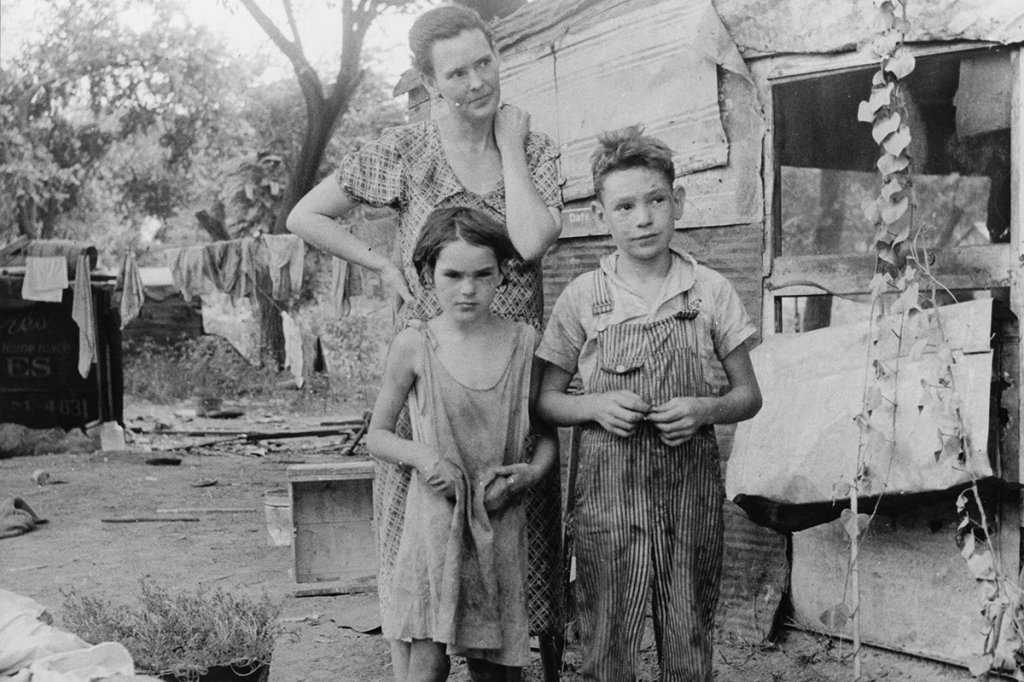
While dictators rose abroad, the United States was focused on survival at home.
The Great Depression dominated American life, and memories of World War I’s devastation lingered. Many Americans believed involvement in another European war would only bring suffering without benefit.
Isolationism became a powerful political force. Organizations like the America First movement argued that the nation’s priority should be domestic recovery, not foreign conflict. Sen. Gerald Nye’s investigations suggested that bankers and arms manufacturers had pushed the United States into World War I for profit, deepening public distrust.
I emphasize to students that these views were not unpatriotic or irrational. They reflected genuine fear, economic hardship, and a desire to avoid repeating past mistakes.
A Nation Preparing for War Without Declaring It
Despite public reluctance, the U.S. government gradually moved toward involvement as global threats intensified. Students analyze how American policy shifted step by step, often without openly declaring war.
Naval expansion, changes to neutrality laws, the introduction of the first peacetime draft, and the passage of the Lend-Lease Act all signaled growing concern. American ships began escorting convoys, and German submarines were met with increasingly aggressive responses.
These actions reveal a nation caught between ideals and reality, attempting to defend democracy abroad while respecting public opposition at home.
When Extremism Appeared on American Soil
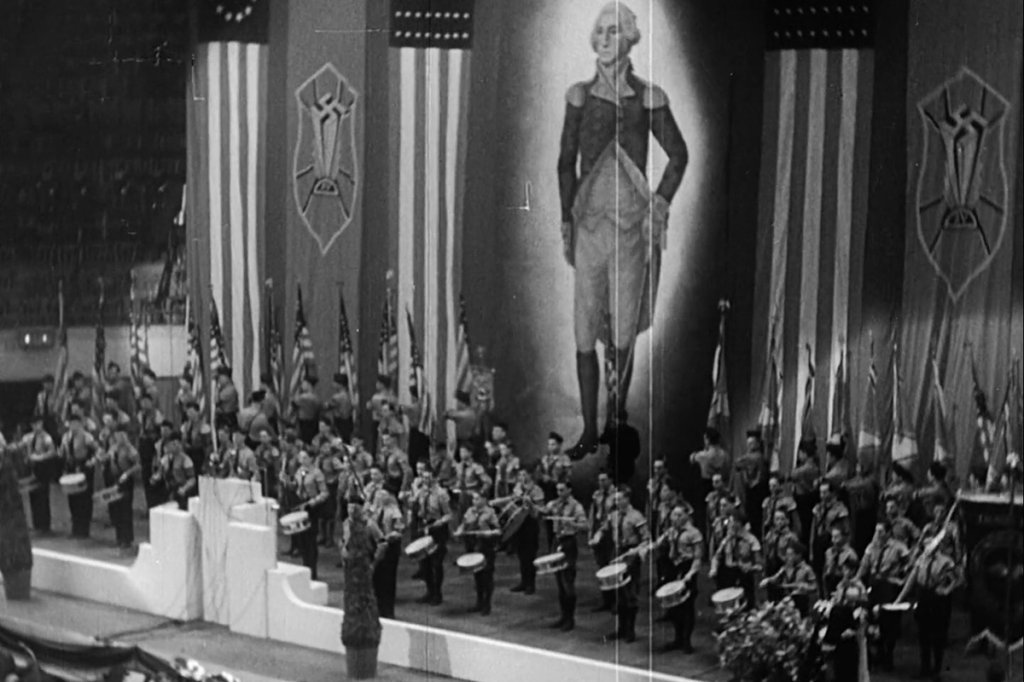
One of the most powerful moments in the unit comes when students learn that Nazi ideology found supporters inside the United States. In February 1939, more than 20,000 people gathered at Madison Square Garden for a pro-Nazi rally organized by the German American Bund.
The rally attempted to cloak Nazism in patriotic imagery, surrounding a portrait of George Washington with swastikas. Outside, massive protests erupted, and police struggled to maintain order. The event shocked many Americans and exposed the presence of extremist movements within the country.
This lesson challenges students to confront the idea that no society is immune to radicalization, especially during times of fear and uncertainty.
Teaching Through Structure, Evidence, and Reflection
To help students make sense of this complex history, I rely on structured notes, graphic organizers, and guided analysis. Students compare dictators, examine primary causes of instability, and evaluate how nationalism and propaganda were used to gain power.
The unit culminates in an evidence-based written response that asks students to explain how post-World War I conditions encouraged dictatorship and how authoritarian leaders used nationalism to control populations. This process pushes students beyond memorization and into historical thinking.
Understanding the Road to Pearl Harbor
By the time we reach December 7, 1941, students understand that Pearl Harbor was not a beginning, but a breaking point. Years of global instability, ideological conflict, and hesitant American involvement made war increasingly unavoidable.
More importantly, students leave the unit with lessons that extend beyond World War II. They understand how fear can erode democratic values, how economic crisis can fuel extremism, and why vigilance matters in preserving freedom.
Teaching the rise of dictators is not just about the past. It is about helping students recognize warning signs in the present and future.