Thanksgiving has always been a cherished American tradition, a day for families to gather, reflect, and share a meal. Yet during World War I and World War II, the holiday took on an added layer of meaning as Americans on the home front navigated food shortages, rationing, and the collective responsibility of supporting soldiers abroad. These years revealed both the resourcefulness of civilians and the care the military took to ensure service members enjoyed a traditional holiday.
Related: How to deep fry a turkey (with no casualties): an Army NCO’s ORM guide
World War I: Voluntary Conservation and Community Effort
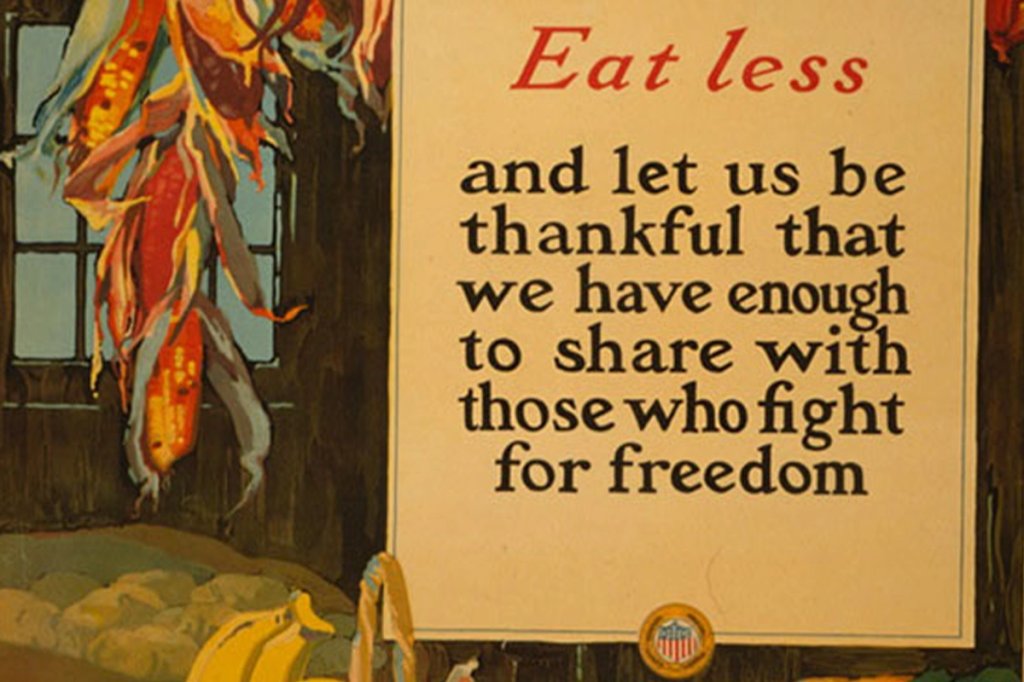
When the United States entered World War I in 1917, the government faced the dual challenge of supplying troops overseas and supporting the Allied nations by providing food. Unlike the mandatory rationing of later years, the U.S. Food Administration, led by Herbert Hoover, relied on voluntary conservation programs to meet these goals. Families were encouraged to reduce their consumption of sugar, meat, and wheat.
Initiatives such as “Meatless Mondays” and “Wheatless Wednesdays” were promoted in newspapers, pamphlets, and community events. These campaigns aimed to conserve key staples while maintaining nutritional balance. Citizens were guided to substitute root vegetables, beans, and eggs for meat in casseroles, and to use corn syrup or molasses as sugar replacements in desserts. Recipes were adapted not just for economy, but to encourage patriotism: every rationed ingredient saved at home could be sent to soldiers abroad or allies in need.
“War gardens,” or homegrown vegetable plots, became essential. Families were encouraged to grow vegetables like tomatoes, beans, and carrots, freeing up commercial supplies for the military. Even with these sacrifices, the U.S. military prioritized providing troops with full Thanksgiving meals, complete with turkey, stuffing, and desserts whenever possible.
Wartime Recipe: WWI “Meatless” Pumpkin Pie
Ingredients:
- 1 ½ cups mashed pumpkin
- 1 cup sugar substitute (or ¾ cup sugar if available)
- 1 cup evaporated milk
- 1 tsp cinnamon
- ½ tsp nutmeg
- 1 unbaked pie shell
Instructions:
- Preheat oven to 425°F.
- Mix pumpkin, sugar substitute, milk, and spices until smooth.
- Pour mixture into pie shell.
- Bake 15 minutes at 425°F, then reduce heat to 350°F and bake 40 minutes more.
- Allow to cool before serving.
World War II: Mandatory Rationing and Government Regulation
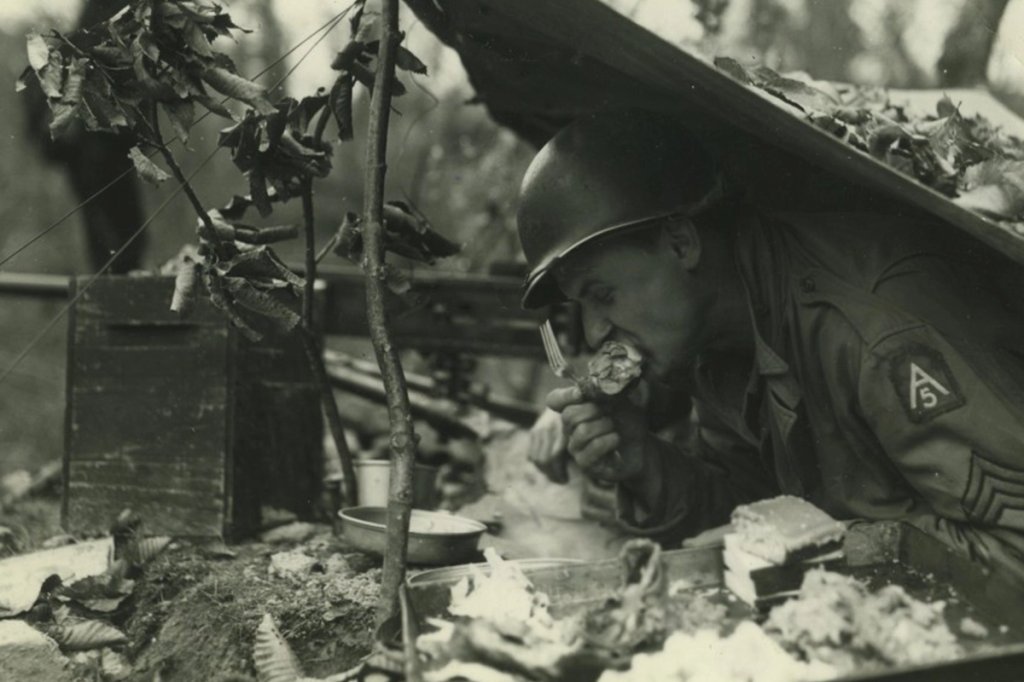
By the time World War II began, food rationing in the United States became far more structured and widespread. With millions of Americans serving overseas and global shipping disrupted, the government established a mandatory rationing system to ensure the equitable distribution of essential goods. Items such as sugar, butter, meat, coffee, canned goods, and fats were rationed, and families received ration books with stamps that had to be surrendered to purchase these products.
The Office of Price Administration (OPA) oversaw the program, carefully controlling production, distribution, and prices. Households had to plan meals around the stamps they had, often limiting portions and substituting ingredients to stretch resources. Turkey itself was not officially rationed, but much of the supply was purchased by the military to provide holiday meals for troops, making it scarce for civilian tables.
Civilians once again turned to “Victory Gardens” to supplement rations, growing vegetables, herbs, and fruit to ensure their families had access to fresh food. Recipe adaptations became necessary: sugarless pies, margarine instead of butter, and creative stuffing using available grains and vegetables were common. Despite these restrictions, the military continued to provide service members with special holiday meals, including full turkey dinners shipped overseas to maintain morale.
Wartime Recipe: WWII “Ration-Friendly” Stuffing
Ingredients:
- 4 cups cubed bread (white or whole wheat)
- ½ cup chopped onions
- ½ cup chopped celery
- 2 tbsp margarine or fat substitute
- ½ tsp sage
- ½ tsp thyme
- ½ cup chicken or vegetable broth
Instructions:
- Sauté onions and celery in margarine until tender.
- In a large bowl, combine the sautéed vegetables, bread cubes, herbs, and broth.
- Mix gently, then stuff into a turkey or bake in a greased casserole at 350°F for 30–35 minutes.
Wartime Recipe: Sugarless Apple Crisp
Ingredients:
- 6 cups sliced apples
- 1 tsp cinnamon
- ½ cup rolled oats
- ½ cup flour
- ¼ cup margarine or shortening
- ¼ cup chopped nuts (optional)
Instructions:
- Preheat oven to 375°F.
- Toss apples with cinnamon and place in a greased baking dish.
- Mix oats, flour, and margarine until crumbly; sprinkle over apples.
- Bake 30–35 minutes until golden and bubbly.
The Legacy of Wartime Thanksgivings
Thanksgiving tables during the world wars were simpler and smaller than the extravagant spreads we see today. Yet these celebrations were rich in significance. Families learned resourcefulness, shared in collective sacrifice, and found inventive ways to honor loved ones serving abroad. The holiday reflected both gratitude for what was available and a shared commitment to the war effort.
Today, recreating these wartime recipes provides a direct connection to history and a reminder of the resilience and ingenuity of past generations. These meals tell the story of Americans who celebrated Thanksgiving not only with thanks, but also with sacrifice, creativity, and enduring community spirit.