Rafael Peralta could not wait to become an American.
Originally from Mexico City, Peralta would do anything for his adopted homeland. He enlisted in the U.S. Marine Corps on the same day he received his green card in 2000 and was killed four years later while serving his country.
Related: The Vietnam tank driver who ran into a burning tank to pull his friends out
Peralta’s actions on November 15, 2004, during the Second Battle of Fallujah in Iraq earned him the Navy Cross. For years, Peralta’s family refused to accept the Navy Cross. They felt it was not enough to honor Rafael’s sacrifice, contending he deserved the Medal of Honor instead.
Whether the U.S. military’s highest award for valor should be given to Peralta posthumously has been debated almost since the time of his death. Amid all the back-and-forth, Peralta’s family, Marines who were there that day, and those in the highest levels of the Pentagon couldn’t reach a consensus.
At issue: What exactly happened? The passage of time has provided little clarity.
Grenade Rolls Near Injured Marine
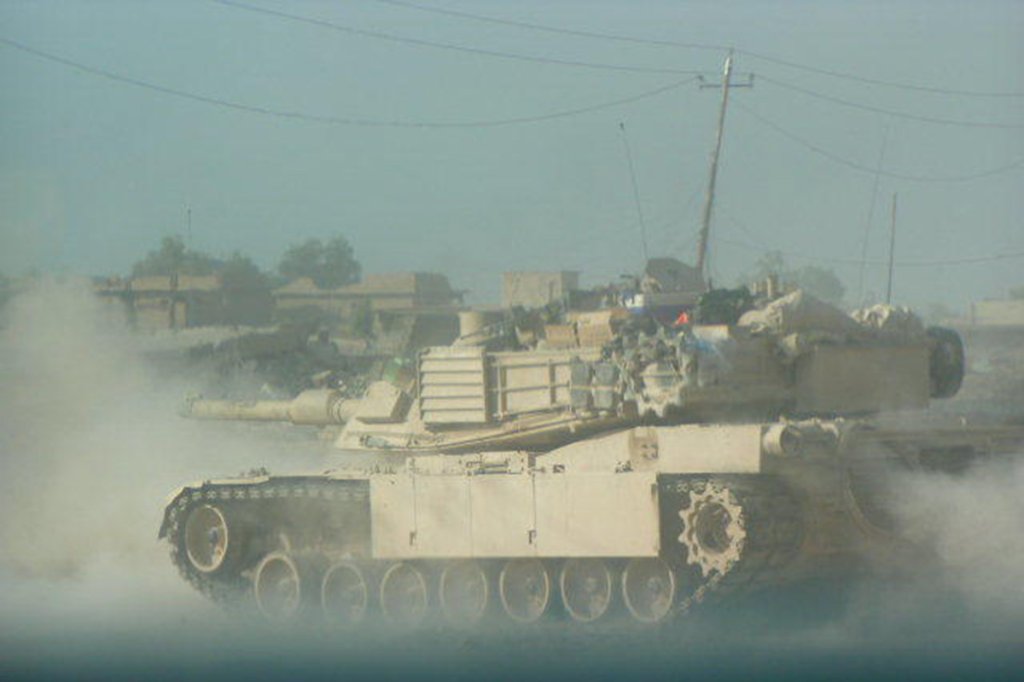
Peralta was only there with his fellow Marines who were clearing houses of insurgents that day, because he wanted to be. True to his nature, Peralta volunteered because the squad was undermanned. It had already cleared six houses without incident when they encountered trouble at the seventh.
During an exchange of fire, Peralta was struck in the head, perhaps from friendly fire. As the insurgents fled, one flung a grenade in the Marines’ directions. It stopped rolling near Peralta. According to his Navy Cross citation: “With complete disregard for his own personal safety, Sergeant Peralta reached out and pulled the grenade to his body, absorbing the brunt of the blast and shielding fellow Marines only feet away.”
It is believed that Peralta, who died from his injuries, saved six Marines with that split-second decision. His actions seemed worthy of meeting the criteria for the Medal of Honor, and Lt. Gen. Richard Natonski agreed. The commander of the 1st Marine Division at the time, Natonski recommended Peralta for the award.
In September 2008, Natonski regretfully informed the Peralta family that Rafael would not be bestowed with the Medal of Honor. They were disappointed, upset, and probably confused.
Former Defense Secretary Changes His Mind
The family’s reaction was understandable.
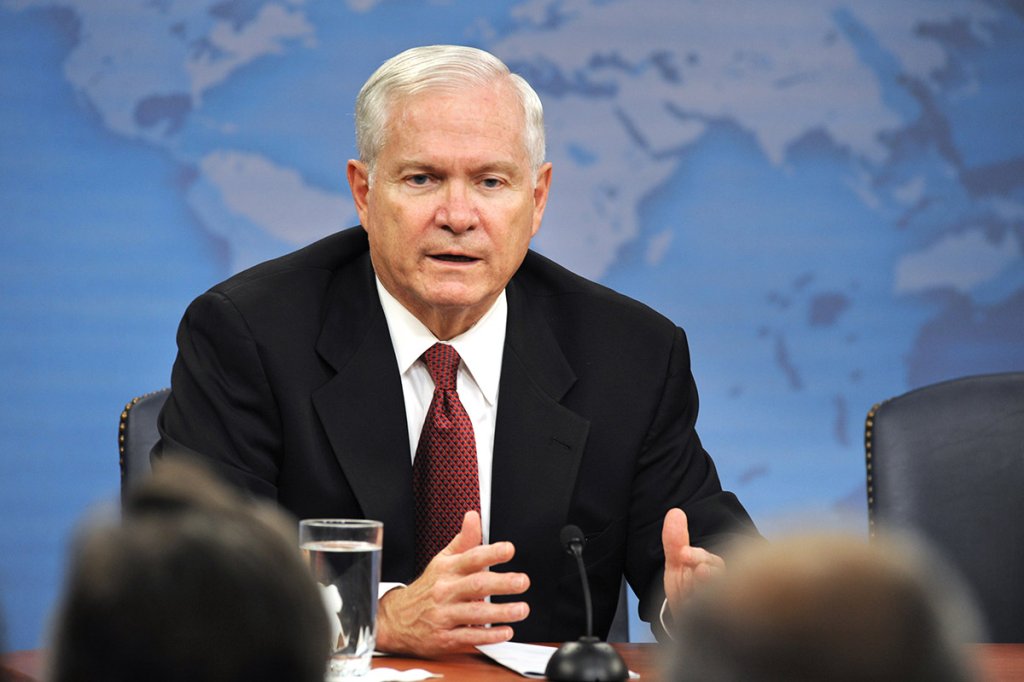
In his book “Duty: Memoirs of a Secretary of War,” then-Defense Secretary Robert Gates said he initially approved the nomination for Peralta to receive the Medal of Honor. He changed his mind, though, after an inspector general’s complaint prompted him to establish a panel that included medical professionals, a retired general, and a Medal of Honor recipient. They found unanimously that the gunshot likely killed Peralta instantly, making it impossible that he could have pulled the grenade toward him to save his comrades.
“I had no choice but to withdraw my approval,” Gates wrote.
That decision angered Marines such as Robert Reynolds, who witnessed Peralta’s response.
“[He] took his arm out and swept it underneath his body,” Reynolds recalled. “If he didn’t sweep it underneath his body, I would be dead because I was five feet from him.”
The fog of war can make service members who experience the same event recall them in different ways, and that’s exactly what happened for those trying to remember the chaotic moments in that house in Fallujah. While some Marines who were there offered slightly varying accounts, two service members told The Washington Post that reports of Peralta’s heroism were outright lies.
‘Proud to the Fullest’
The contradictions made it harder to decipher the truth. For Peralta’s family, they believed fervently that Rafael was worthy of the Medal of Honor. When the Marines asked his mother, Rosa, how she wanted the Navy Cross to be presented, she answered immediately. She intended no disrespect, but she was not in the mood to accept anything except the Medal of Honor.
“I said no,” she told The New York Times. “I can’t take that medal now.”
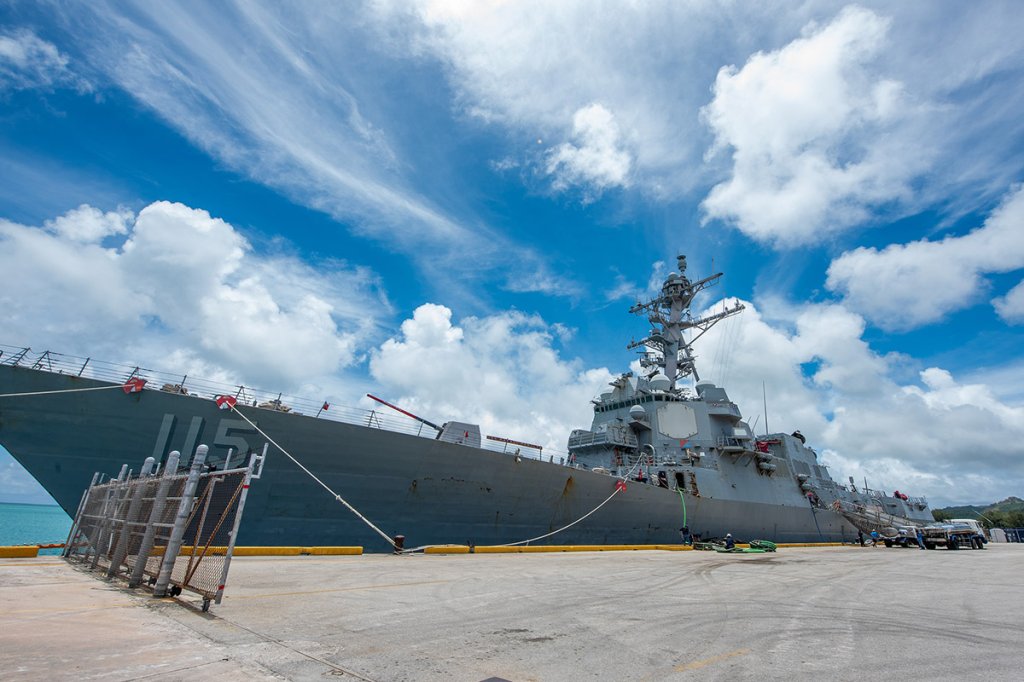
When former defense secretaries Leon Panetta and Chuck Hagel refused to revisit or reverse Gates’ original decision, it seemed as though the stalemate would continue indefinitely. The rift between the military and Peralta’s family began to be repaired in 2012 when Navy Secretary Ray Mabus announced the naming of an Arleigh Burke-class destroyer after the fallen Marine. The family attended a ship-naming ceremony for the USS Rafael Peralta in 2013.
“It’s really emotional for the family because his nomination for the Medal of Honor has now been turned down more than once,” said Lance Cpl. Ricardo Peralta, Rafael’s younger brother. “But we know that there’s not a single decoration or medal that they can give him that will make us more proud. We’re proud to the fullest.”
In its Rightful Place
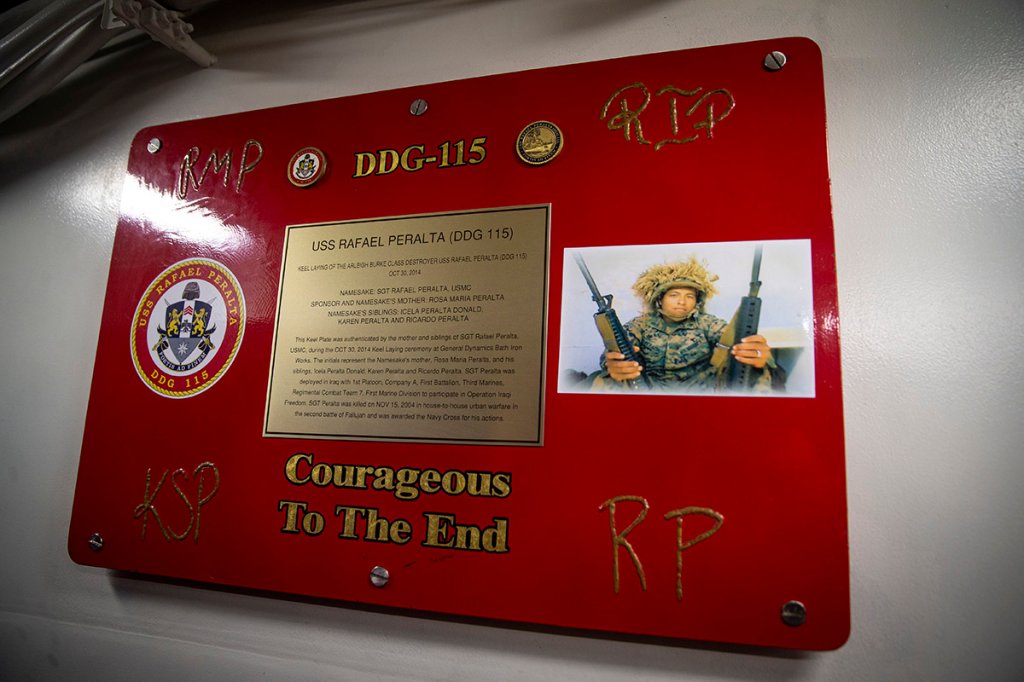
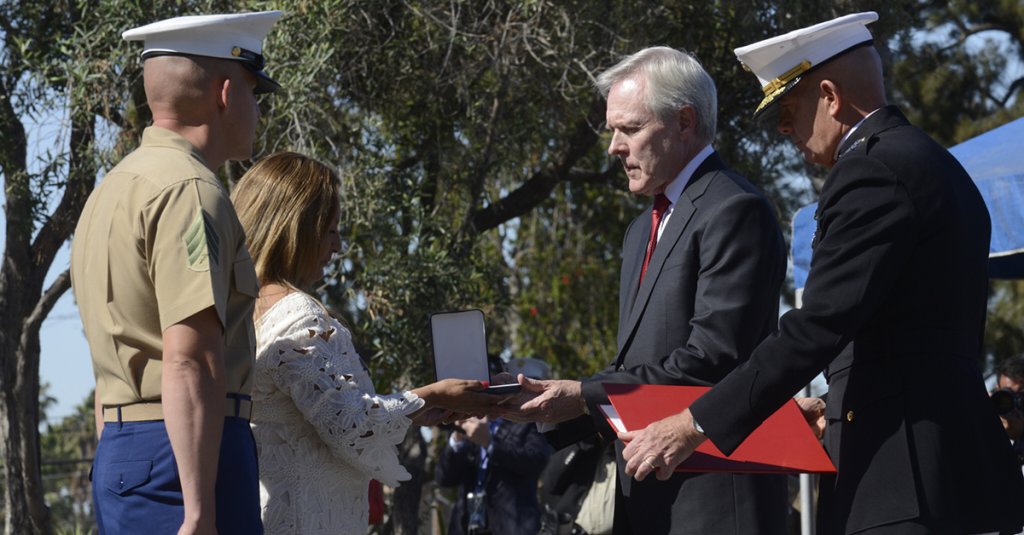
When the Navy informed Rosa Peralta that it was traditional for the family to donate something in honor of a ship’s namesake, she finally agreed to accept the Navy Cross. The presentation was made in 2015 during a ceremony at Marines Corps Base Camp Pendleton in California.
Peralta’s mother then donated the Navy Cross to the USS Rafael Peralta.
“That was her motivation to receive the Navy Cross,” Rafael’s sister, Icelda Peralta-Donald, told Marine Corps Times. “She feels that it will take Rafa’s spirit and keep all the crew members safe. She feels that it will belong there.”
The gesture didn’t end the disagreement of whether Peralta deserves the Medal of Honor, but it did something more important. It provided a sense of healing.