When you talk about heroism, dedication, and the might of the American military, one battle that instantly commands respect is the Battle of Sadr City. This conflict was a defining moment during the Iraq War. It highlighted the courage of our troops and the strategic importance of urban warfare.
The blockade of Sadr City was a joint effort by American and Iraqi forces. Its goal was simple: to neutralize the Mahdi Army’s stronghold in northeastern Baghdad. The operation kicked off on April 4, 2004. Later, the day would be called “Black Sunday.” That’s because of a bloody revolt against the Coalition following the banning of a newspaper from Muqtada Al-Sadr’s Sadrist Movement.
Intense combat in Sadr City spanned multiple phases. These include the initial clashes in April 2004 and a second round in August of the same year. Additionally, further fighting occurred amidst the sectarian tensions of late 2006 and then again during the troop surge of 2007. Finally, the worst of it came during the pivotal spring battles of 2008.
Operation Charge of the Knights
Operation Charge of the Knights was a critical military operation in Iraq in 2008. Its main goal was to diminish the influence and operational capacity of the Mahdi Army. The Mahdi was a powerful militia led by Shia cleric Muqtada al-Sadr. The operation aimed to secure and stabilize key areas in Iraq. In particular, efforts focused on Sadr City, a suburb of Baghdad, and the southern city of Basra.
The unique aspect of this operation was that it was primarily led by the Iraqi Security Forces, under the direction of Iraq’s Prime Minister at the time, Nouri al-Maliki. The American military played a crucial supporting role, providing vital capabilities like air support, armored vehicles, and intelligence services. The operation marked a significant milestone in the Iraq War. It demonstrated the growing capabilities of the Iraqi Security Forces and the strengthening partnership between the U.S. and Iraqi governments.
This joint operation significantly weakened the Mahdi Army. Additionally, it disrupted its operations and helped Coalition forces regain control of weapons caches and strategic locations. The success of the operation also set the stage for improved security and governance in the affected regions. In turn, this showcased the effective collaboration between American and Iraqi forces.
American Backbone and Expertise
While Iraqi forces led the charge, American troops played an indispensable role in both Basra and Sadr City. Americans provided invaluable air support, armored vehicles, and intelligence gathering. Sniper teams from the U.S. military set up strategic positions. Once in position, they offered precise fire support that protected Iraqi soldiers advancing through the streets. Artillery units used state-of-the-art GPS-guided munitions to target enemy hideouts with pinpoint accuracy.
Both American and Iraqi forces displayed an impressive capacity to adapt during the battle. They adapted to complex urban fighting conditions, adjusted their tactics as needed, and made swift decisions that saved lives. This showed a remarkable level of trust and coordination between the two allied forces.
High-Stakes Urban Warfare
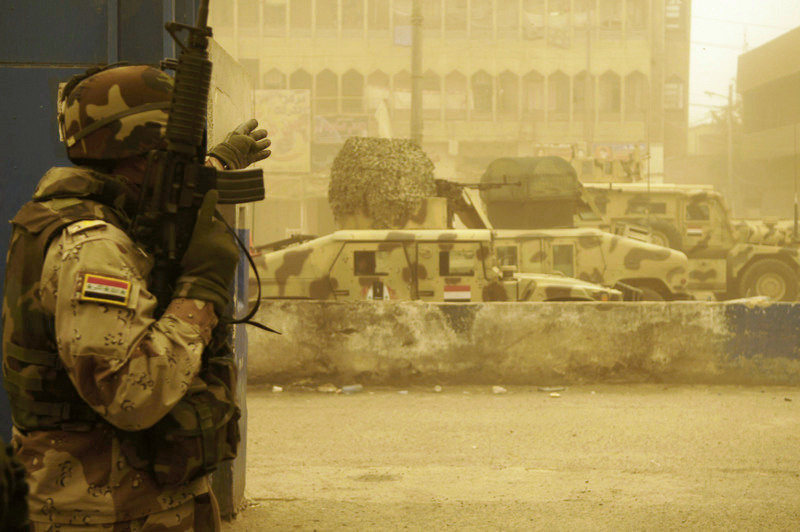
As American and Iraqi forces entered Sadr City, they met stiff resistance. Urban warfare is complex and demanding. Buildings can become fortresses, and narrow streets can become ambush points. The American military had to employ its cutting-edge technology and tactics. They used drones, precision artillery, and highly skilled marksmen to neutralize threats, often within yards of civilian homes.
During the battle, American troops demonstrated exceptional levels of coordination. Infantry units cleared buildings while engineers built barriers. Medical teams saved lives, all under the cover of tanks and aerial support. It was an awe-inspiring display of what our men and women in uniform are trained to do.
Some of the key U.S. military units that participated included elements of the 3rd Squadron, 2nd Stryker Cavalry Regiment, 4th Infantry Division, and Special Forces units. These units were trained for high-intensity urban combat and brought a versatile range of skills to the operation.
Artillery, Tanks, and Aerial Support
The American Abrams M1A2 tanks played a pivotal role in providing heavy firepower and serving as formidable armored shields for advancing infantry. Artillery units often utilized the M777 Howitzer, which provided precise indirect fire support. GPS-guided Excalibur artillery rounds allowed for strikes with an accuracy of up to 10 meters.
Unmanned Aerial Vehicles (UAVs) played a crucial role in intelligence gathering. The MQ-1 Predator and MQ-9 Reaper drones provided real-time aerial surveillance. They were also equipped with Hellfire missiles for targeted strikes. AH-64 Apache helicopters provided close air support, effectively taking out enemy combatants while minimizing collateral damage.
Snipers, Engineers, and Medics
Precision shooting was often required, given the close quarters and the need to minimize civilian casualties. Snipers from specialized units utilized high-caliber rifles such as the M107 Barrett .50 Cal and the M24 Sniper Weapon System, which have an effective range of up to 2,000 meters.
Engineer units were tasked with constructing barriers, often under enemy fire. Using equipment like the High Mobility Engineer Excavator (HMEE), they built concrete barriers that became the famous ‘Wall,’ dividing Sadr City and isolating hostile elements. Medical teams, meanwhile, were on standby to provide immediate care, often utilizing Forward Surgical Teams (FSTs) to save lives right at the front lines.
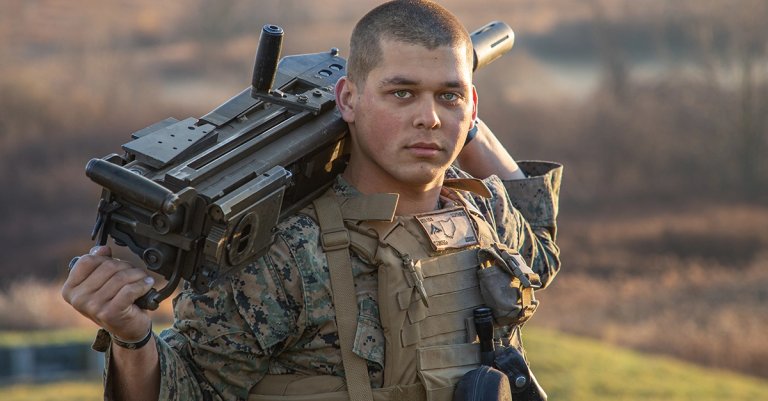
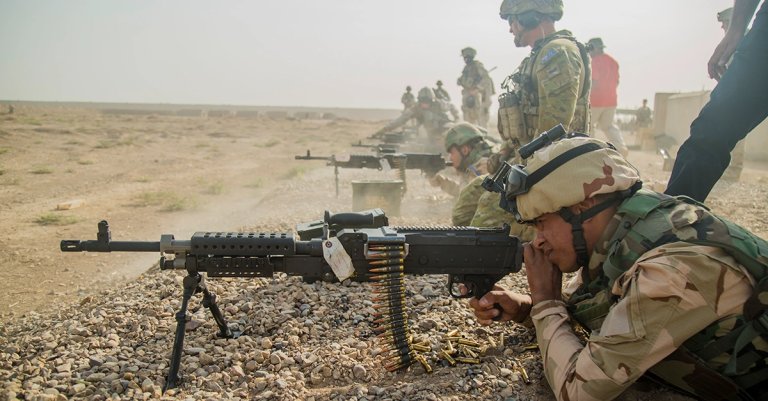
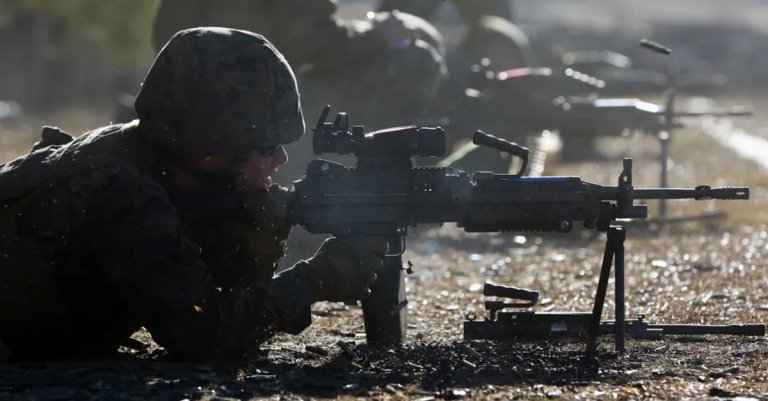
The infantry units were the backbone of the operation. Armed with M4 carbines, M249 light machine guns, and various types of grenades, these troops cleared buildings, secured areas, and engaged in close-quarters combat. Their intense training in urban warfare tactics was evident in their effectiveness.
Operation Salaam
Before the break of day on May 20, Operation Salaam, which translates to “Peace,” saw six battalions of Iraqi troops move into the northern sections of Sadr City. Encountering no resistance, they filled the spaces vacated by the Mahdi Army and received a generally warm welcome from residents.
In a display of goodwill, Mahdi Army fighters distributed copies of the Koran to the Iraqi soldiers. The Iraqi forces secured key locations like Imam Ali and Sadr hospitals. A checkpoint helped keep the calm, and tanks were placed near al-Sadr’s political headquarters. General Qassem Atta reported in a media briefing that 100 bombs had been safely disarmed since the operation started.
The toll of the Sadr City siege was heavy. A total of 941 people lost their lives, including 22 American soldiers, 17 Iraqi troops, 331 militants, and 591 civilians. In addition, 100 U.S. soldiers and over 1,700 civilians were injured. Most of the civilian deaths occurred in Sadr City, while 42 were killed in other parts of Baghdad due to errant mortar fire originating from Sadr City and aimed at the Green Zone.
Lasting Impact
The Battle of Sadr City was a masterclass in joint operations, urban warfare, and counter-insurgency tactics. The implications of the battle are far-reaching and have been examined from several angles, including an eight-part National Geographic series and countless academic papers. It also underlined the importance of understanding the local cultural and political landscape. It’s a testament to the adaptability and bravery of American troops.