
In today’s Army, you can be the toughest general in the United States military. However, when you turn 64, it’s generally time to go.
It’s well known most bodies just can’t take the rigors of duty and deployment beyond that (though Gen. Jim Mattis might be the exception), but history provides examples of military leaders who went well past their sexagenarian limitations.
The 73-year-old Prussian Field Marshal Gebhard Leberecht von Blücher of the Battle of Waterloo fame did it. So did the 62-year-old Gen. George Sears Greene, whose men fought off repeated Confederate assaults at Culp’s Hill during the Battle of Gettysburg.
Related: This Civil War general might be the most interesting man of the 19th century
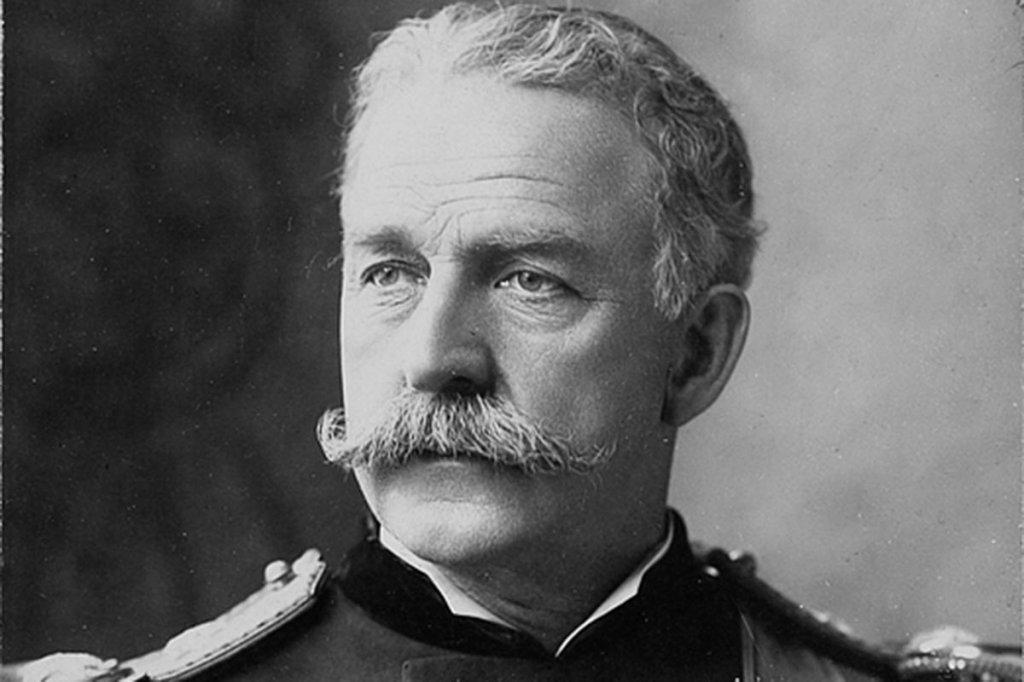
Army Lt. Gen. Nelson A. Miles was another one of these timeless warriors. Miles shattered this stereotype and demonstrated that age does not restrict some men.
A Medal of Honor Recipient
Nelson Appleton Miles spent nearly 42 years in the U.S. Army, leading up to his 64th birthday in 1903.
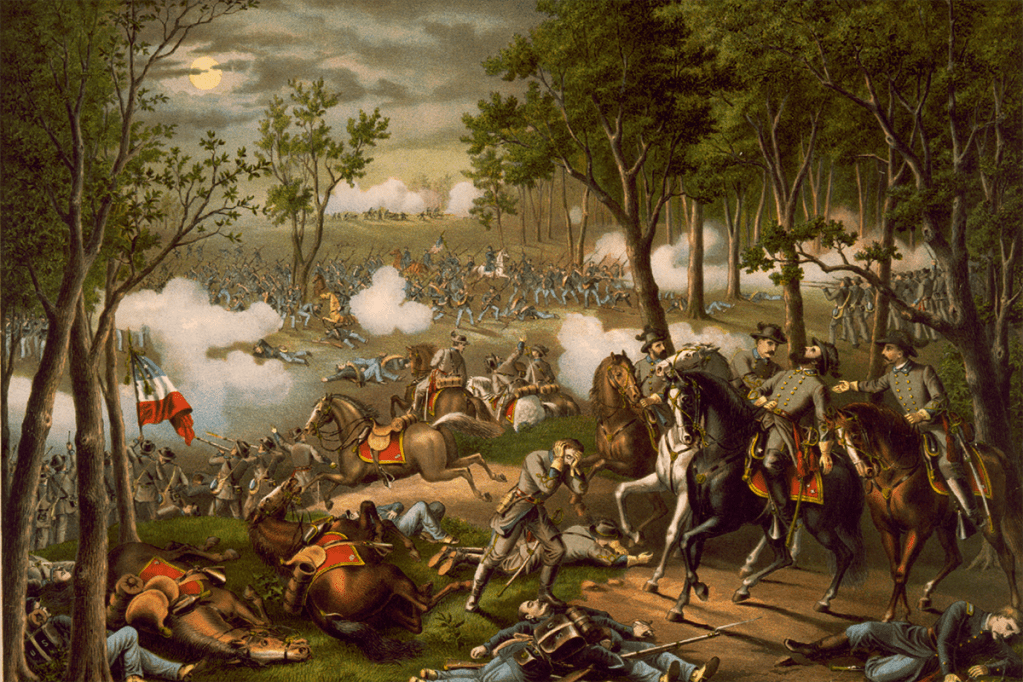
During the Civil War, he rose from a lowly lieutenant to the rank of major general of volunteers by the age of 26. He fought in such notable battles as Seven Pines, Antietam, Cold Harbor, and Petersburg.
At the Battle of Chancellorsville in May 1863, he earned the Medal of Honor as the colonel of the 61st New York Infantry for his “distinguished gallantry while holding with his command an advanced position against repeated assaults by a strong force of the enemy.” He was severely injured in this action and suffered three other wounds during the war.
Miles remained in the Army after the Civil War. He is best remembered for his service on the western frontier during the 1870s and the 1880s. Miles is immortalized for his capture of the famed Apache leader Geronimo. By 1895, he rose to overall command of the Army.
Though an excellent soldier, Miles was notorious for being stubborn, quarrelsome, overambitious, and opinionated. Many, including President Theodore Roosevelt, wanted to see him cast out of the Army. Those who knew Miles best were aware that he wasn’t going to be forced out of the military without a fight.
Not Ready to Retire
Miles’ time for retirement crept up in 1903. He felt that he was still fit for soldiering, so he set out to prove that he still could endure the hardships of active campaigning.
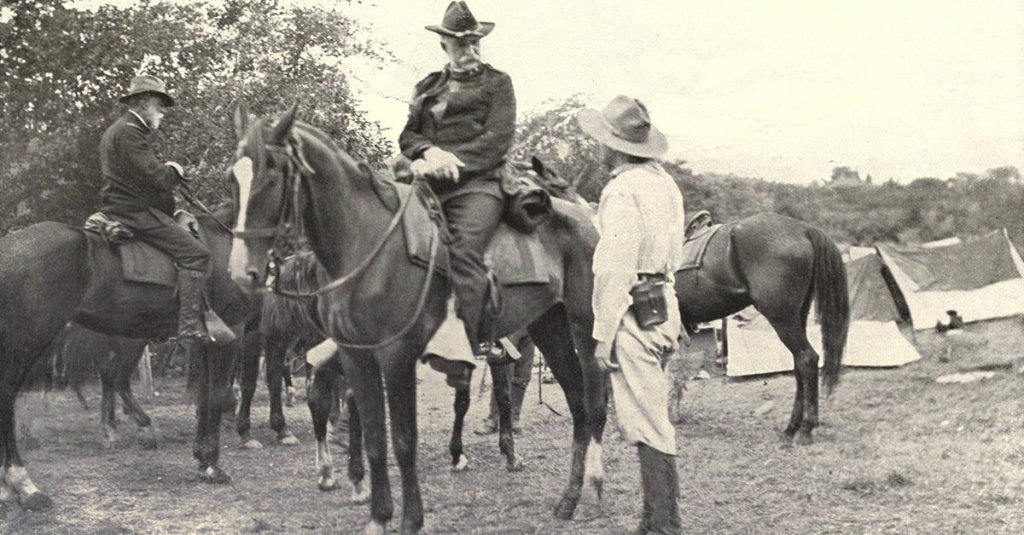
At dawn on July 14, 1903, Miles, sporting a summer helmet and light blue shirt, rode out of Oklahoma’s Fort Sill headed toward Fort Reno 90 miles away, intending to shatter Roosevelt’s age barrier. He was accompanied by several younger officers and cheered on by a large crowd of observers.
The tanned and muscular Miles knocked out the first 34 miles in a record time of just under 2½ hours. Only 34-year-old cavalry officer Capt. Farrand Sayre of the Eight Cavalry kept up with the grueling pace that Miles set in the sweltering heat.
Miles tackled the 90-mile ride in just more than nine hours. He arrived at Fort Reno to the salute of gunfire, showing “no signs of fatigue.” Within 40 minutes of arriving, Miles changed out of his dusty uniform, reviewed the troops of the garrison, and rode another four miles to catch a 4 p.m. train to Fort Riley, Kansas.
“I enjoyed every moment of the trip, and there was one time that I felt particularly good,” Miles boasted afterward. “That was when I came up to the men who had charge of the pack teams just south of the Canadian river. They had lunch ready, and I enjoyed it with them. It made me feel extra good.”
Miles Wanted to Serve During World War I
Despite displaying he was still very much fit for active service, Miles was forced to retire in August 1903.
At 77, the legendary general offered his services to Woodrow Wilson’s administration with the American intervention during World War I. Secretary of War Newton Baker politely declined the offer. Writing back to Miles, Baker said: “In time of emergency our government may need to take advantage of your great experience. Please accept appreciation of your most patriotic offer.”
Miles was still spry enough to serve on the battlefield even in 1916. He died of a heart attack on May 15, 1925, at the age of 85, outliving President Theodore Roosevelt by six years.