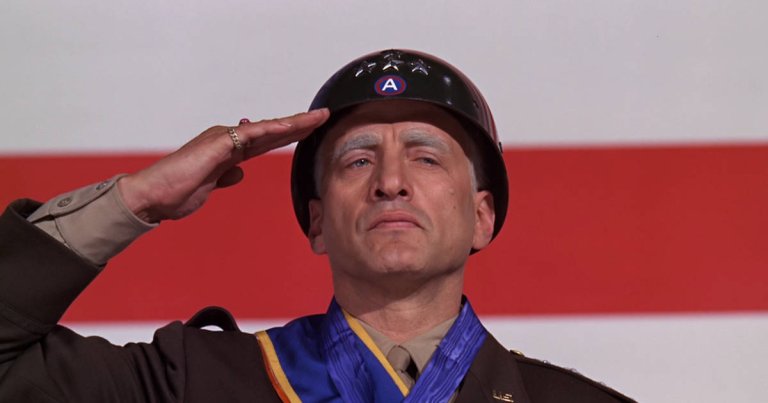
World War II history is filled with an unending list of famous names, many of whom are the generals and flag officers who planned and led the war to its now well-known conclusion. High-ranking military officers like George S. Patton, Dwight D. Eisenhower, and William “Bull” Halsey went from dominating the headlines to dominating the history books forever.
Also Read: These are the 9 general officers who earned 5 stars
But everyone has to answer to someone, and as far as U.S. military personnel were concerned, even the Supreme Allied Commander had a boss. Ike might have been the last word in the European Theater while Adm. Chester Nimitz and Gen. Douglas MacArthur commanded the Pacific, but they had to answer to their own boss back in Washington.
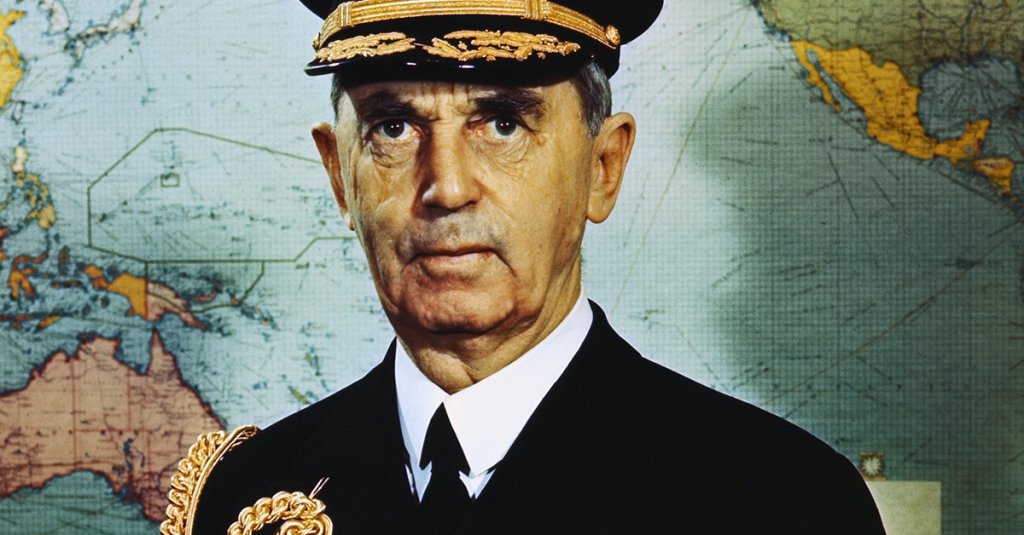
And that boss was Fleet Admiral William Leahy, known to many as “The Second Most Powerful Man in the World.”
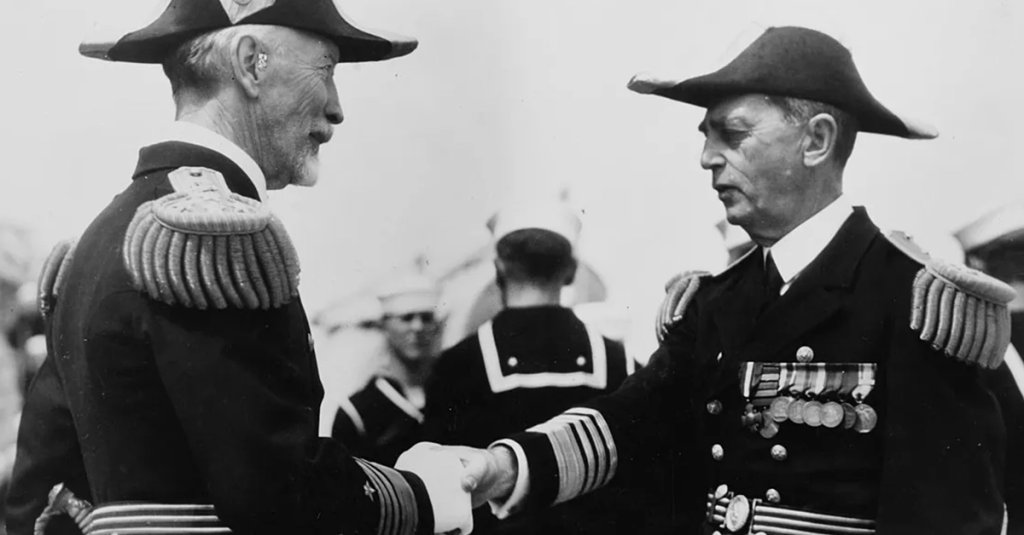
Leahy, one of the longest-serving naval officers ever to serve in the U.S. Navy, almost never even joined the Navy. He originally wanted to attend West Point (and don’t let anyone tell you different). His congressman only had appointments to the U.S. Naval Academy, however, and the rest soon became history. Leahy graduated from Annapolis in 1897 and went on to serve in every major American war in his lifetime, as well as the minor conflicts.
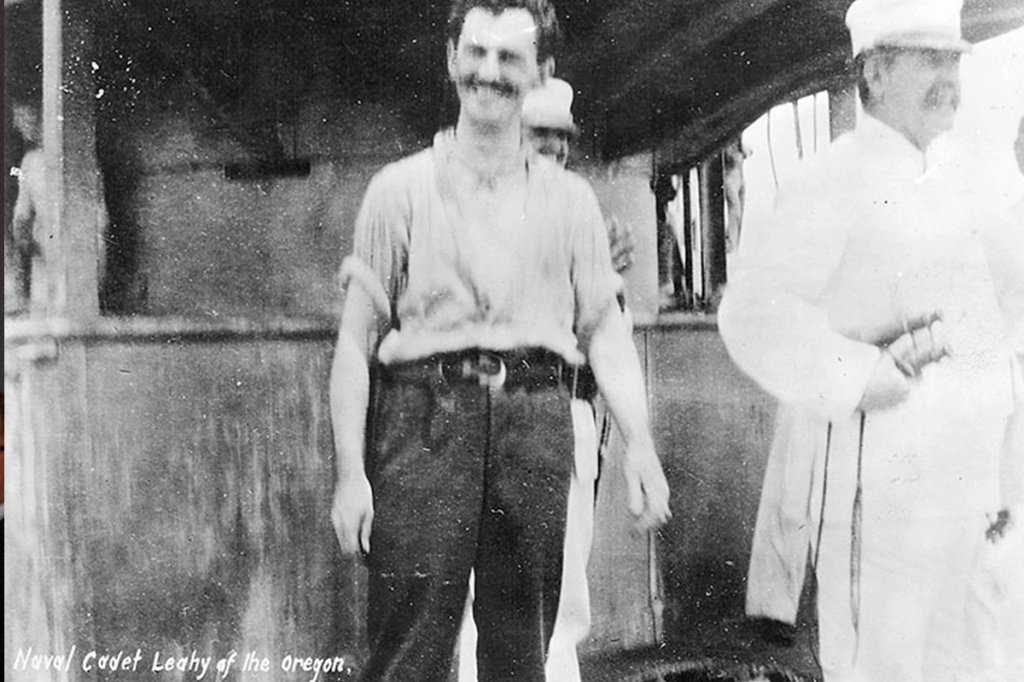
During the Spanish-American War, he commanded the front battery of the USS Oregon during the Battle of Santiago in Cuba. He was aboard the gunboat USS Castine in Shanghai when the Boxer Rebellion broke out in 1899. Leahy’s next post was aboard Castine in the Philippines, where the Philippine-American War was ongoing.
Leahy was a naval officer during the Banana Wars, participating in the occupations of Haiti, the Dominican Republic, and Nicaragua before World War I. It was during the First World War that he commanded a troop ship and became the U.S. Navy’s director of Gunnery. After the war ended, he finally put on flag rank in 1927.
Throughout his naval career, he learned a lot of important lessons in combat and leadership. He was appalled at the indiscriminate use of naval artillery in Cuba, the widespread use of torture in the Philippines, and the German Army’s use of long-range artillery to bombard Paris during World War I.
He considered all of these actions barbaric and cruel.
When he was tasked with implementing the limitations of naval construction after World War I, he was equally shocked at how canceling the construction of planned naval ships forced people out of work during the Great Depression. When Franklin D. Roosevelt was reelected president in 1936, Leahy was appointed Chief of Naval Operations and enthusiastically accepted.
As the chief, he met with Roosevelt frequently, and the two formed a close friendship that went beyond their duties. The two agreed that, in the face of Japan’s invasion of China, the U.S. should resume building warships. At the end of his tenure as CNO, Roosevelt appointed Leahy first as Governor of Puerto Rico and then as Ambassador to France. While Leahy was in France, however, the French government fell to the Nazis.
Leahy could not convince the Vichy government to remain in the Allied camp, so he was recalled to Washington, where the president had another role in mind: active duty. The U.S. was soon embroiled in World War II, and Leahy’s new title was Chief of Staff to the Commander-in-Chief, essentially the country’s first Chairman of the Joint Chiefs of Staff.
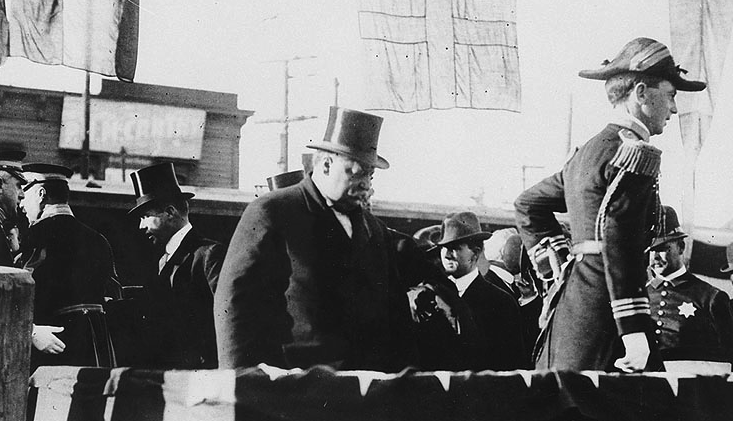
As chairman, Leahy did not agree with the British Mediterranean Strategy, but supported his friend and boss, President Roosevelt, in the decision to invade North Africa. Together with the other Chiefs of Staff, he advocated for a planned cross-channel invasion of Europe in 1944.
Before long, Leahy was Roosevelt’s most trusted advisor. In December 1944, Leahy was promoted to Fleet Admiral, the Navy’s five-star rank, the first Navy officer to hold the position. When Roosevelt died, President Harry S. Truman kept Leahy on in the same role. The old admiral would stay on active duty until 1949, more than 40 years of service to his country. He died ten years later.
Don’t Miss the Best of We Are The Mighty
• The reason Gen. George Patton is buried in Luxembourg
• When Patton met MacArthur in the mud of St. Mihiel
• 3 Stories from the Battle of the Bulge you won’t see in ‘Band of Brothers’