
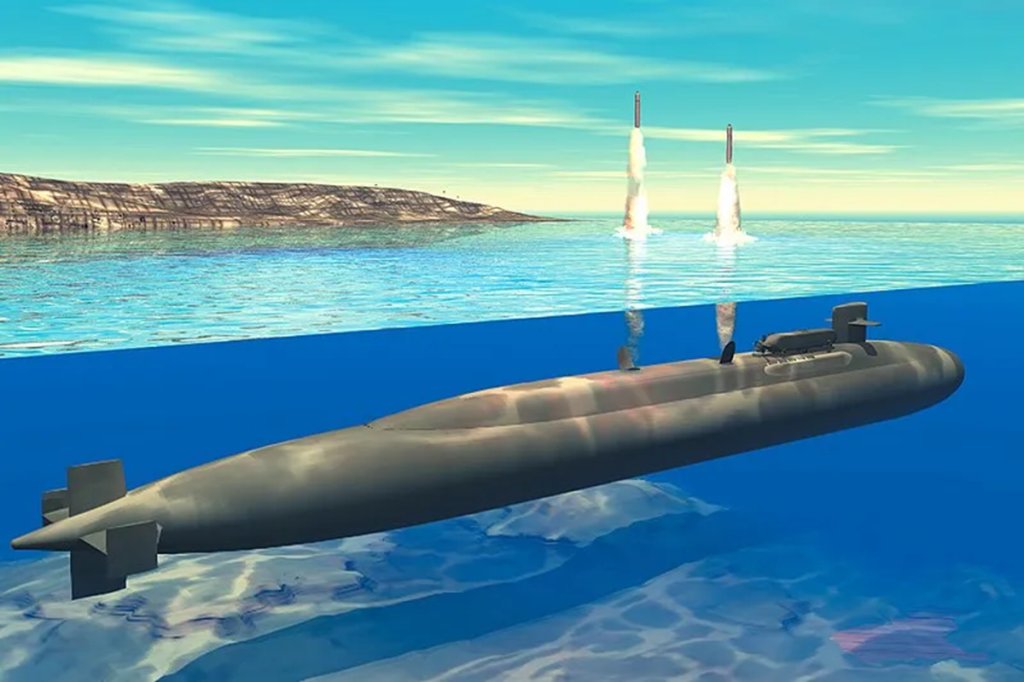
The Ohio-class cruise missile submarines are probably one of the most powerful and intimidating weapons ever created by man.
They are the world’s third-largest subs and the largest submarines ever built by the United States. They also were almost made nearly obsolete by a tiny shark.
Related: How a trip underwater propelled Teddy Roosevelt to improve submariners’ pay
During the mid-1970s, the Ohio-class submarine was the latest and greatest in Cold War weapons technology, equipped with sonar domes, cruise missiles that could literally destroy all life on Earth, and torpedoes that would stop nearly any ship in the world. It could do all this without ever being seen by the enemy.
With all this in mind, the submarines are not just an essential component of the U.S. Navy. They are central to America’s defense posture as part of the nuclear triad. Without them, a necessary deterrent would be missing.
So when something goes wrong with them, the Navy takes notice.
Suspecting the Soviets
Something strange was happening to the American fleet’s powerful new submarines, however.
Its sonar domes were coming up damaged, sound probes were suddenly not working, and oil lines were leaking. Huge chunks were coming out of electric cables. Something was up, and the United States suspected a new Soviet weapon.
The Soviet Union lagged far behind when it came to nuclear submarine technology. For decades, the USSR looked for ways to either counter or track the American submarine force during the Cold War. American intelligence was baffled. The U.S. Navy was baffled.
No one could figure out how or why sensitive pieces of submarine were being taken and what was being done with the pieces.
The truth was far more mundane: someone (or rather, something) was just hungry.
What Is the Cookiecutter Shark?
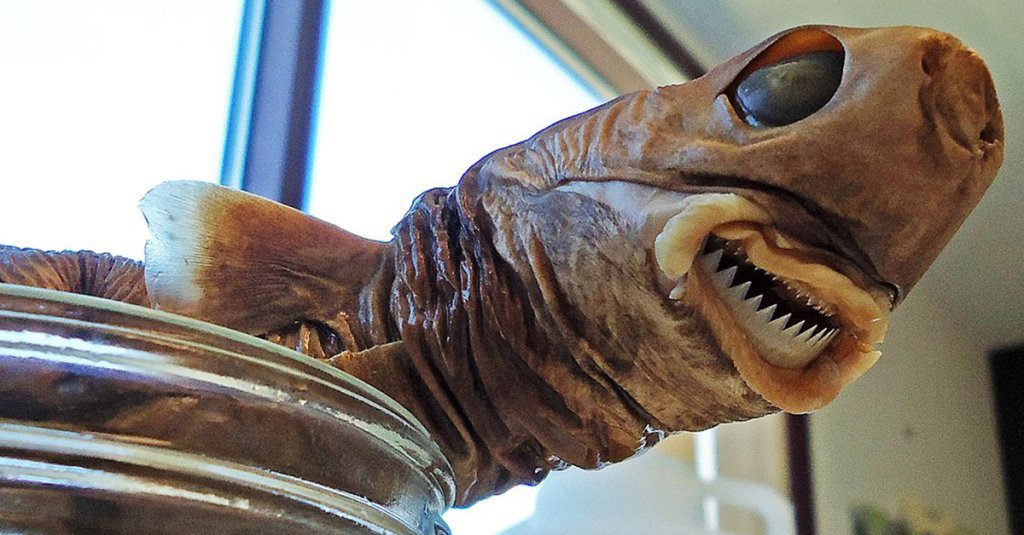
The real reason the Navy was losing chunks of powerful warships was actually the cookiecutter shark. The shark is a 16- to 20-inch-long shark that is fairly common in all waters of the world and is known to feed off large animals. Almost every large aquatic animal has a gouge fitting the mouth size of one of these beasts taken from its hides. It will even feed off human bodies, dead or alive.
Cookiecutter sharks don’t stop at mammals, however. Bites from these aquatic creatures can be found on all kinds of manmade objects traversing the world’s waterways, including undersea cables, oil rigs, and (most importantly for this story) submarines.
Being found in all waters of the Earth also means there’s no real way to avoid the creatures. Since they also rely on stealth to capture their unsuspecting prey, creating a means of detecting and avoiding the shark was also unlikely to happen.
Something still had to be done about it, though.
The Navy reported cookiecutter shark incidents aboard 30 of its powerful, world-destroying nuclear submarines. Many of them were forced to return to port and make repairs before they could continue with whatever secret mission they were set out to do. The Navy had to do something about the nuisance.
It turned to fiberglass. The Navy decided the best way to counter the new, continued shark threat was to outfit each of its 560-foot-nuclear submarines with a fiberglass dome to protect its most sensitive and important parts from having a chunk taken out of it by a fish called the cookiecutter shark.
Don’t Miss the Best of We Are The Mighty
• That time Neil Armstrong survived ejecting from his fighter jet in Korea
• A US submarine sunk an enemy ship with a torpedo for the first time since WWII
• These are the Navy’s rules for being buried at sea
Featured



Sponsored Content
Military Connect wants to help your family find great deals


Sponsored Content
Military Tee Times has discounted rates on top-tier greens
Loading comments…
Comments couldn’t be loaded. Please refresh the page.