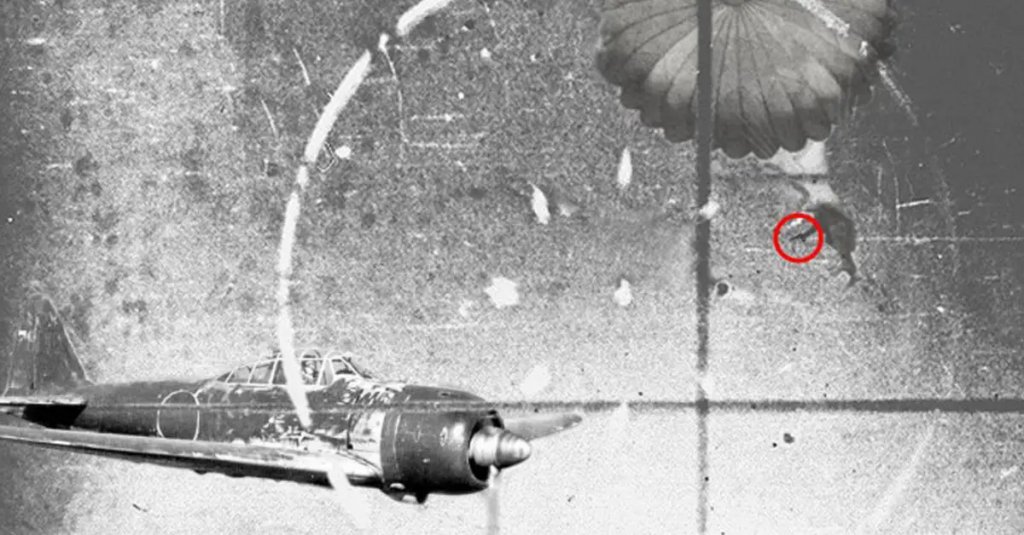
When Army Air Forces bomber pilot Owen Baggett attempted to destroy a bridge in World War II Burma, he had to bail out into the skies over the bridge. He landed in the history books.
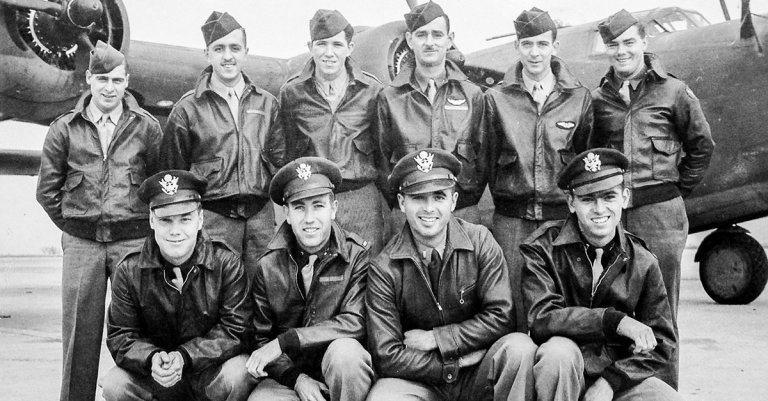
In March 1943, Baggett was based just north of Calcutta (now Kolkata), India, flying with the 7th Bomb Group. His mission on March 31 was to fly into Japanese-held Burma and destroy the railroad bridge near Pyinmana. The critical crossing was unfortunately well-defended, sandwiched between two Japanese fighter bases.
He and the other airmen in his B-24 Liberator squadron were met by a baker’s dozen of Japanese Zero fighters as they went over their target. Baggett’s B-24 was hit numerous times in its fuel tanks, which then caught fire. Baggett and his crew were forced to bail out.
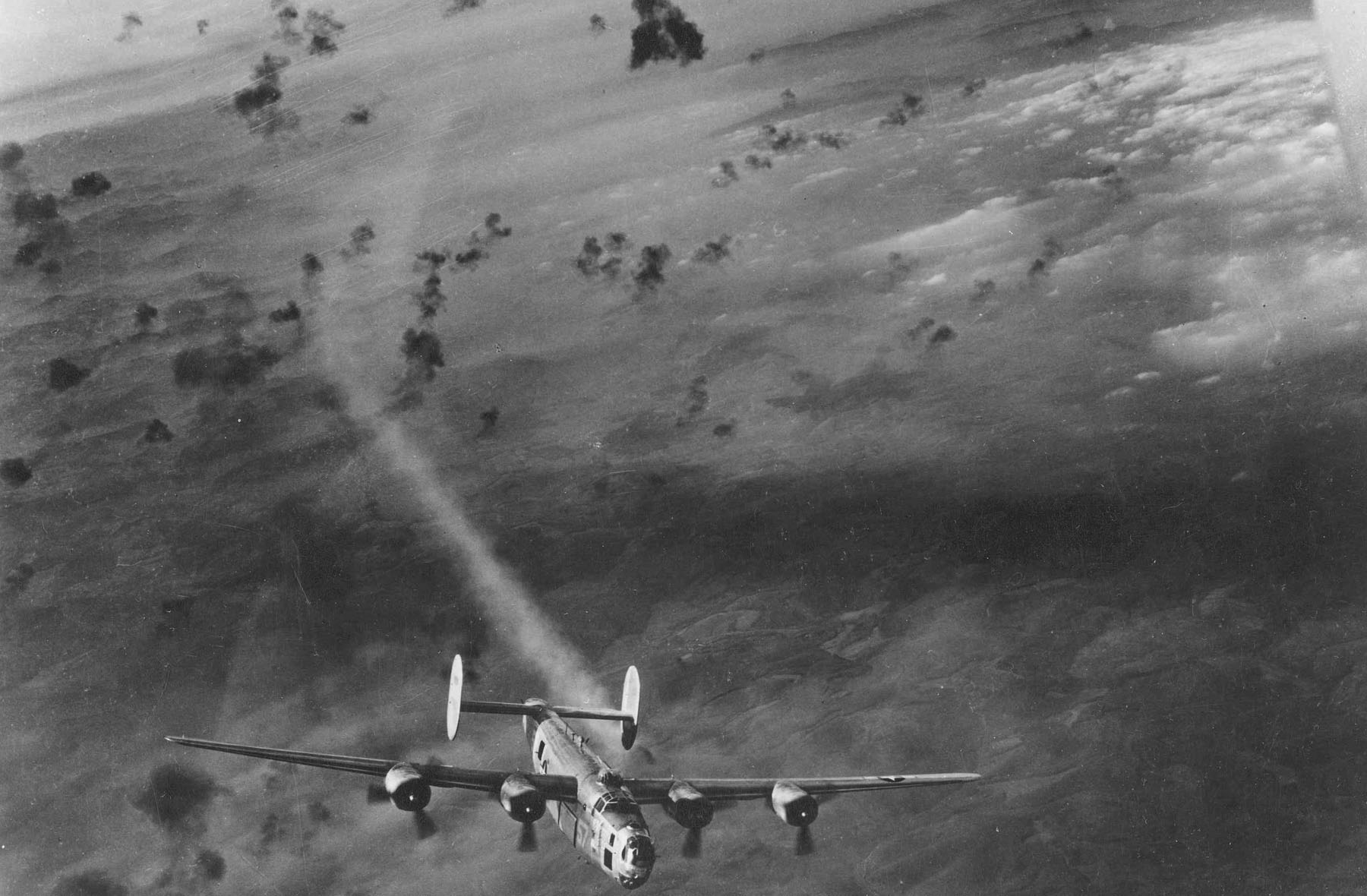
Baggett, the co-pilot, covered the crew’s escape from the B-24’s top gun turret. He and the rest of the crew barely got out before the plane exploded. The deadly Japanese attack kept coming, however, attacking the pilots in their parachutes as they gently fell to earth. Two of the other crewmembers were strafed by aircraft fire. Baggett was also hit, but decided to play dead in his rig, trying to avoid getting strafed by the Japanese machine guns.
That’s when one of the Zeros got a little too close.
A Japanese pilot slowly approached Baggett’s limp body in his chute with the Zero’s nose up and at near-stalled speed. The enemy pilot opened his canopy to get a look at the American. Baggett, who was sneakily holding his M1911 pistol, snapped up and angrily fired four rounds into the Zero’s cockpit, hitting the pilot. The Zero spun to the ground.
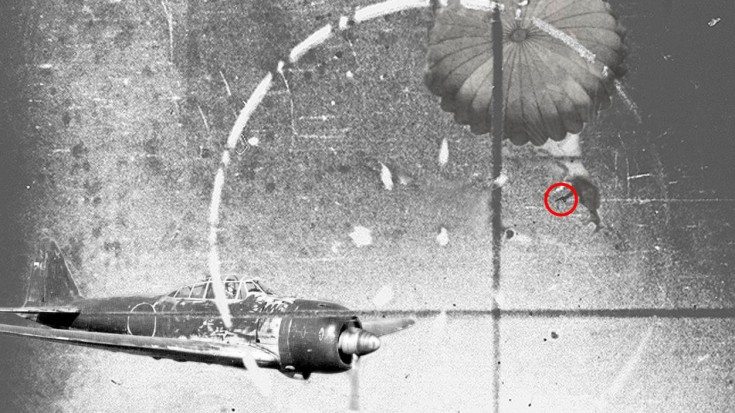
Colonel Harry Melton, commander of the 311th Fighter Group, was also shot down that day. He said he saw the Japanese pilot’s body thrown clear of the downed plane and that the pilot was killed by a bullet to the head, not the plane crash. But Melton himself was killed on a ship that was sunk as it headed toward Japan. If Baggett really did take down a fighter with a pistol, he would be the only person to ever shoot down an aircraft with a pistol.
When Baggett hit the ground, the enemy pilots were still trying to strafe him. He hid behind trees until ground forces captured him. Baggett was captured and spent two years in an enemy prison camp near Singapore. To his surprise, Baggett was treated like a celebrity at first. The Japanese camp commander even offered to let him do the honorable thing and commit ritual suicide rather than remain a POW.
He was later rescued by OSS agents and stayed in the newly created U.S. Air Force after the war’s end.

Baggett retired from the Air Force as a Colonel and later worked on Wall Street. He died in 2006, firmly believing he had successfully shot down a Zero with his M1911 pistol. Although there are no other eyewitnesses, here is evidence to support his claim. No American aircraft remained in the area that could have shot the Zero down. At a confirmed altitude of 5,000 feet, the pilot could have recovered from a stall. For many in the U.S. Air Force, that’s enough to verify his act of valor.