
The United States Navy’s submarine service is easily the most powerful ever fielded in the history of submarine warfare.
Consisting of Los Angeles, Seawolf, Virginia, and Ohio-class boats, this all-nuclear force is silent and deadly, prowling the world’s waterways without anybody the wiser.
Related: Why America’s World War II torpedoes were horrible
While the unlimited range and the quiet, very stealthy nature of these combat vessels makes them incredibly dangerous, their armament plays the biggest part in making them the most lethal killing machines traversing the oceans today.
Next-Level Torpedoes
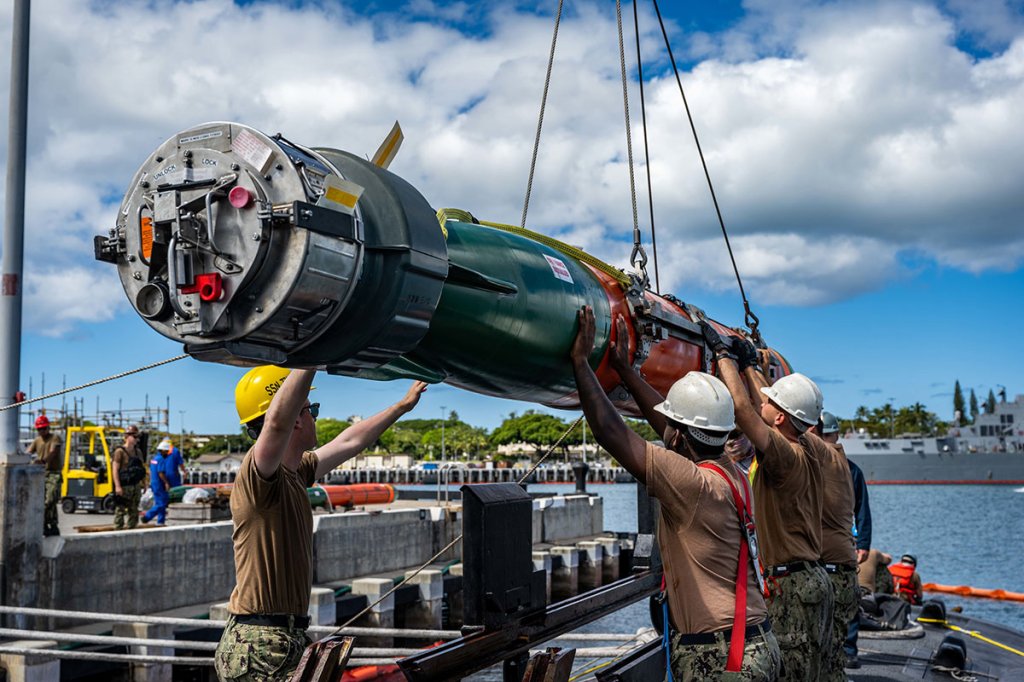
Every American submarine in service is armed with the Mark 48 Advanced Capability torpedo, the latest and greatest in underwater warfare technology. These “fish” are designed to give submarine commanders a flexible tool that can destroy enemy vessels or serve as remote sensors. They extend the operational capabilities of submarines far beyond what they inherently can do while on patrol.
As you can probably tell, these next-level torpedoes have undergone a considerable evolution from their predecessors of decades past.
Advanced on-board computers, propulsion systems, and explosives combine within the frame of the Mark 48 to make it a one-shot, one-kill solution for every American submarine commander serving today.
Unparalleled Accuracy

Mk-48 Hit
Like many weapons fielded on modern battlefields, the Mark 48 ADCAP is “smart,” meaning it can function autonomously with a high degree of efficiency and effectiveness, allowing for unparalleled accuracy.
When fired in anger, the Mark 48 rushes to its target using a pump-jet propulsor that can push the torpedo to speeds estimated to be above 50 mph underwater, though the actual stats are classified.
The high speeds were originally a major requirement to allow American subs to chase down fast-moving Soviet attack submarines, which were also capable of diving deep and out of range, thanks to reinforced titanium pressure hulls.
The Mark 48 is initially guided by the submarine that deploys it through a thin trailing wire connected to the boat’s targeting computers and sensors. Upon acquiring its target, the wire is cut and the torpedo’s internal computers take over, guiding the underwater weapon home with precision.
What Happens if the Mark 48 Misses Its Target?
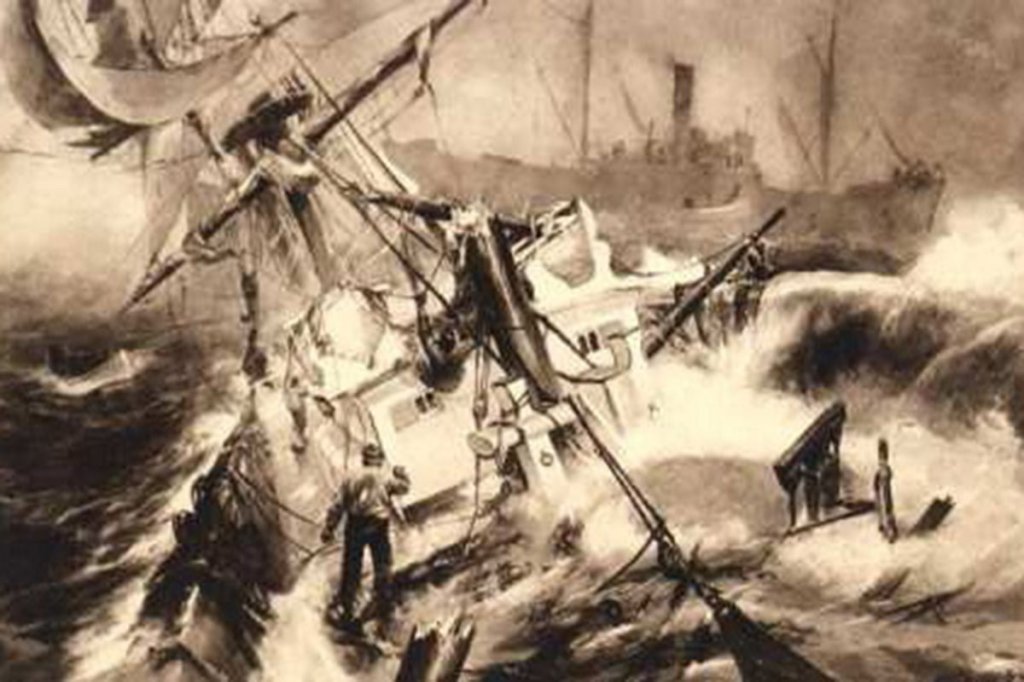
In days past, when torpedoes missed their target, they would likely keep swimming on until exhausting their fuel supply, or until they detonated. That’s not the case with the Mark 48, however.
When the Mark 48 misses its target, it doesn’t stop hunting. Instead, it circles around using its onboard computers to reacquire a lock and attempt a second attack.
This time, it probably won’t miss.
Detonating Directly Below the Keel
When the Mark 48 reaches its target, that’s when all hell breaks loose. Though earlier torpedoes would be programmed to detonate upon impacting or nearing the hull of an enemy vessel, the Mark 48 takes a different path… literally.
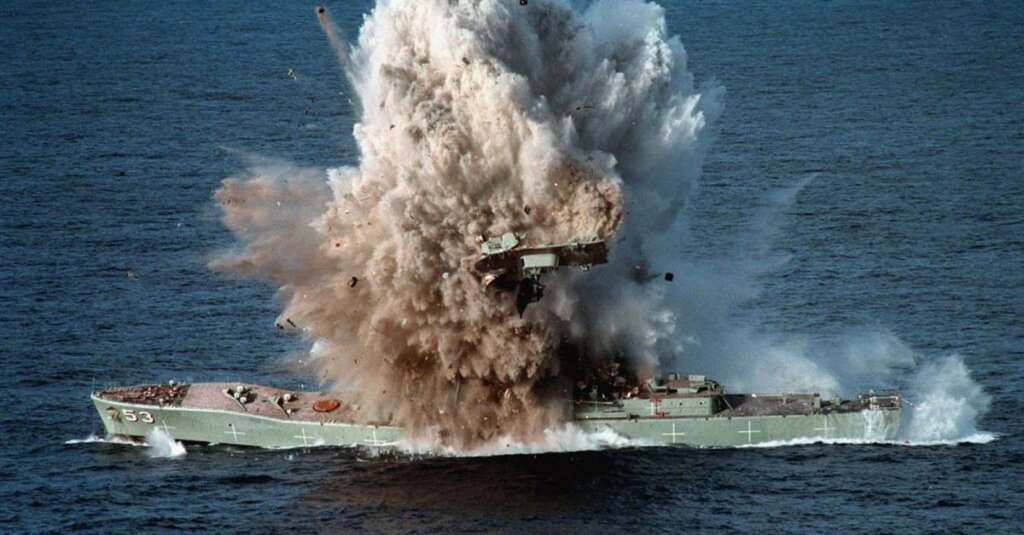
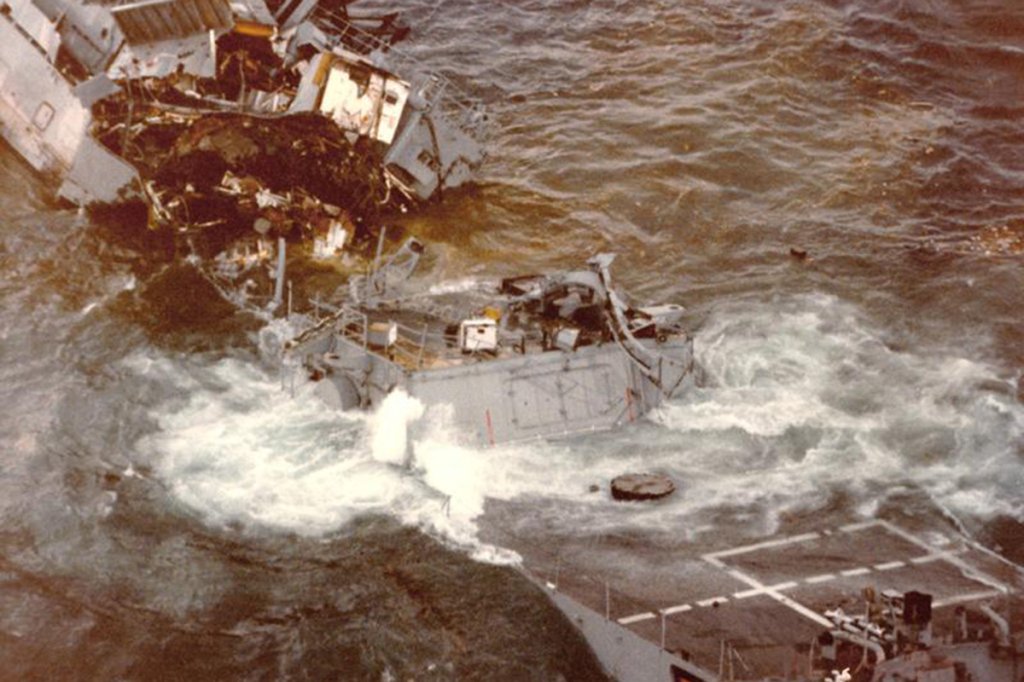
When attacking surface vessels, it travels below the keel of the ship, which is generally unprotected, detonating directly underneath. The massive pressure bubble that results from the gigantic explosion doesn’t just slice through the bulk of the target boat; it also literally lifts the ship out of the water and snaps the keel, essentially breaking its back.
When attacking a submarine, it detonates in close proximity to the pressure hull of the enemy boat, corrupting it immediately with a massive shockwave. Once the Mark 48 strikes, it’s game over and the enemy ship’s crew, or at least whoever is left of them, will have just minutes to evacuate before their boat makes its way below the surface to Davy Jones’ locker.
The Navy is in the process of exploring upgrades to the Mark 48, including diminishing the noise generated by its engine in order to make it nearly undetectable to its targets, and enhancing its in-built detection and targeting systems.
Currently, the Navy fields the Common Broadband Advanced Sonar System variant of the Mark 48. It’s the seventh major upgrade the torpedo has undergone over its service history.
Don’t Miss the Best of We Are The Mighty
• Putin says Russia tested a new, nuclear-capable remote torpedo dubbed ‘Doomsday Machine’
• Nuclear torpedoes are a ridiculously awesome thing
• What does ‘Damn the Torpedoes’ mean anyway?
Featured




Loading comments…
Comments couldn’t be loaded. Please refresh the page.