The American Revolution did not begin with a musket shot. Long before armies marched and cannons thundered, the decisive struggle unfolded in the minds of the colonists themselves. The winter of 1776 marked a turning point not because of a single military victory, but because a fundamental transformation occurred in how Americans understood power, authority, and their place in the world. In January and February of that year, the revolution became not merely a resistance to British policy, but a moral and ideological struggle for independence.
At the center of this transformation stood a modest pamphlet with an extraordinary impact.
Related: This Revolutionary War battle was fought in lard with swords
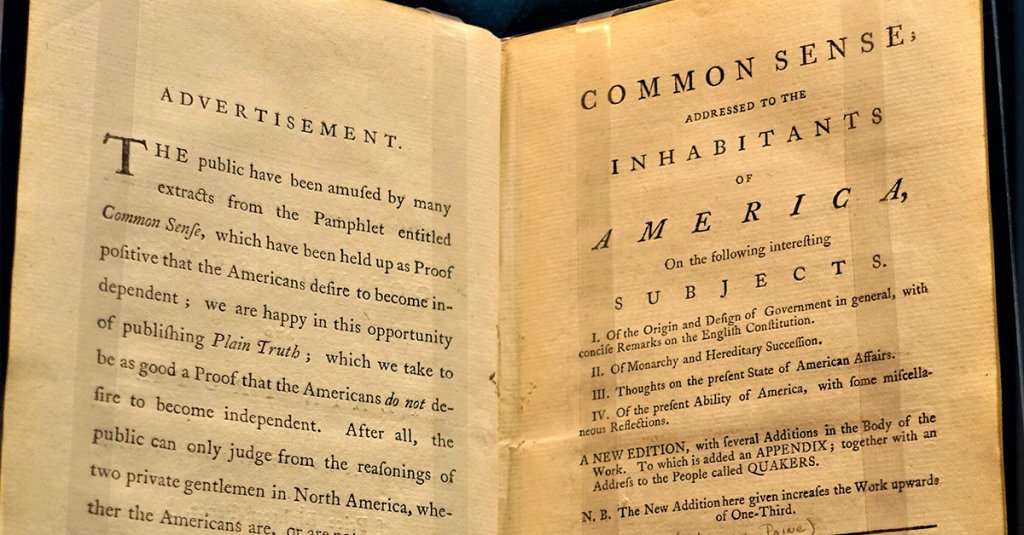
On January 10, 1776, Thomas Paine published “Common Sense,” a work that shattered lingering hopes of reconciliation with Britain and replaced them with a bold and accessible argument for independence. More than any battle or congressional debate, “Common Sense” ignited what can best be described as a psychological revolution, one that turned subjects into citizens and grievances into destiny.
The Limits of Resistance

By the beginning of 1776, the American colonies had already endured years of conflict with Great Britain.
Taxes imposed without representation, punitive measures following the Boston Tea Party, and armed clashes at Lexington and Concord had pushed relations to the brink. Yet despite bloodshed and rising tensions, many colonists still clung to the belief that reconciliation remained possible. The prevailing sentiment among colonial leaders was not independence, but redress, an effort to restore what they viewed as their rightful place within the British Empire.
Even after the outbreak of war in 1775, the Continental Congress sent the Olive Branch Petition to King George III, expressing loyalty to the Crown and seeking a peaceful resolution. When the king rejected the petition and declared the colonies in rebellion, disappointment spread quickly, but certainty did not. For many Americans, independence represented a frightening leap into the unknown. Britain was powerful, experienced, and global. The colonies were divided, militarily weak, and politically untested.
What was missing was not anger or courage, but clarity. Colonists needed a compelling answer to a simple but profound question. Why should they become independent at all?
The Power of Plain Language
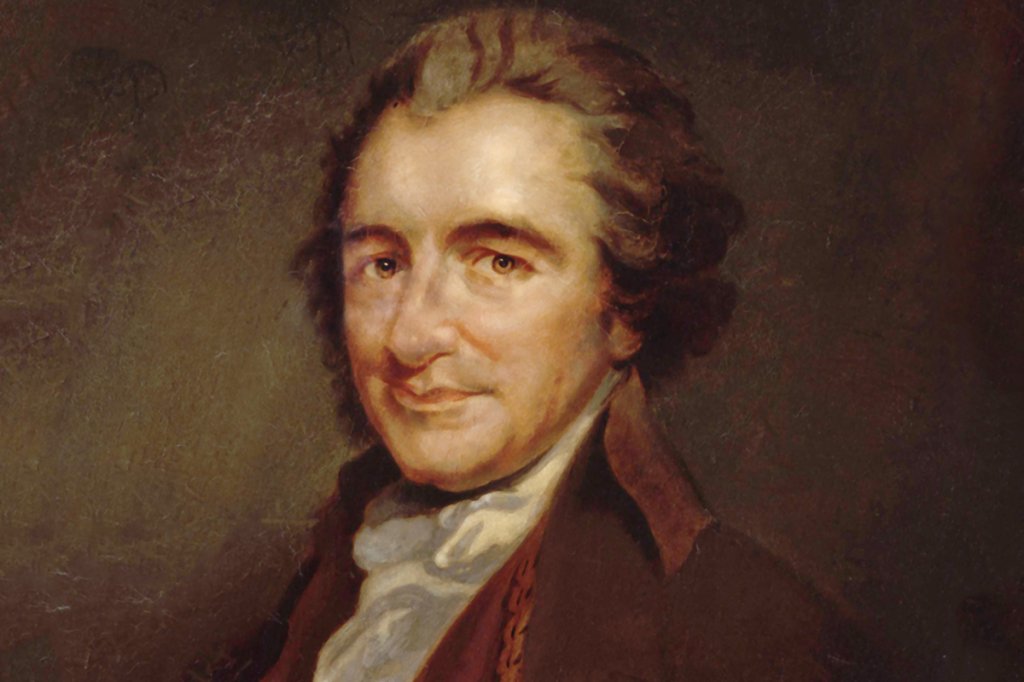
Paine provided that answer, not through elite political theory, but through language that ordinary people could understand. An English immigrant of modest means, Paine arrived in America only months before publishing “Common Sense.” He held no political office and possessed no inherited authority. What he possessed was a keen understanding of public sentiment and an exceptional ability to communicate complex ideas with force and clarity.
Unlike previous political writings that relied heavily on classical references and legal arguments, “Common Sense” was direct, emotional, and unapologetic. Paine did not merely criticize British policies. He attacked the very foundation of monarchy itself. He argued that hereditary rule was absurd, unnatural, and incompatible with liberty. Kings, he wrote, were not divinely appointed guardians of order, but flawed men elevated by tradition and force.
By framing monarchy as a corrupt system rather than a misguided institution, Paine shifted the debate entirely. The problem was no longer a particular king or an overreaching parliament. The problem was the system that allowed such concentrated power to exist at all.
A Moral Necessity

One of the most radical aspects of “Common Sense” was its insistence that independence was not only practical, but morally required. Paine portrayed the conflict between Britain and the colonies as a struggle between liberty and tyranny, virtue and corruption. Continued submission to the Crown, he argued, amounted to complicity in oppression.
This moral framing transformed independence from a risky political option into an ethical obligation. To remain tied to Britain was not cautious. It was cowardly. To delay independence was not prudent. It was dangerous. Paine warned that continued reliance on Britain would entangle the colonies in European wars and expose them to endless manipulation by imperial interests.
By recasting the choice in moral terms, Paine stripped away hesitation. Independence was no longer a matter of timing or convenience. It was the only path consistent with the principles colonists claimed to value.
A Pamphlet that Reached the People
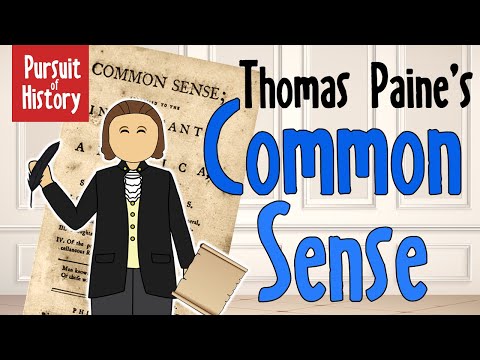
Common Sense by Thomas Paine
The impact of “Common Sense” was immediate and remarkable.
Within months, more than 100,000 copies were sold in a population of only a few million. Copies were read aloud in taverns, discussed in churches, and debated in town squares. Even those unable to read encountered its arguments through public readings and everyday conversation.
What made “Common Sense” revolutionary was not only its message, but its audience. Paine spoke directly to farmers, laborers, artisans, and shopkeepers, the very people who would bear the costs of war. He argued that independence was not the concern of elites alone, but a collective cause rooted in shared values and shared destiny.
In doing so, Paine democratized political thought. He asserted that ordinary people were capable of understanding, judging, and shaping their own government. This idea, that legitimacy flows upward from the people rather than downward from authority, would become a defining feature of American political identity.
The Rise in Calls for Independence

Before January 1776, calls for independence were often cautious and private, voiced quietly among select circles. After “Common Sense,” independence became a public demand. The pamphlet unified diverse colonial grievances such as economic restrictions, political exclusion, and military occupation into a single and compelling conclusion. Separation was inevitable and necessary.
The shift in public opinion was unmistakable. Newspapers echoed Paine’s arguments. Town meetings passed resolutions supporting independence. Colonial assemblies reconsidered the instructions given to their delegates in Congress. What once seemed radical now appeared unavoidable.
This change placed significant pressure on colonial leaders. Many members of the Continental Congress hesitated not because they lacked conviction, but because they feared acting without popular support. “Common Sense” resolved that dilemma. The people were ready, and in many cases, they were leading the way.
Thinking Like a Nation
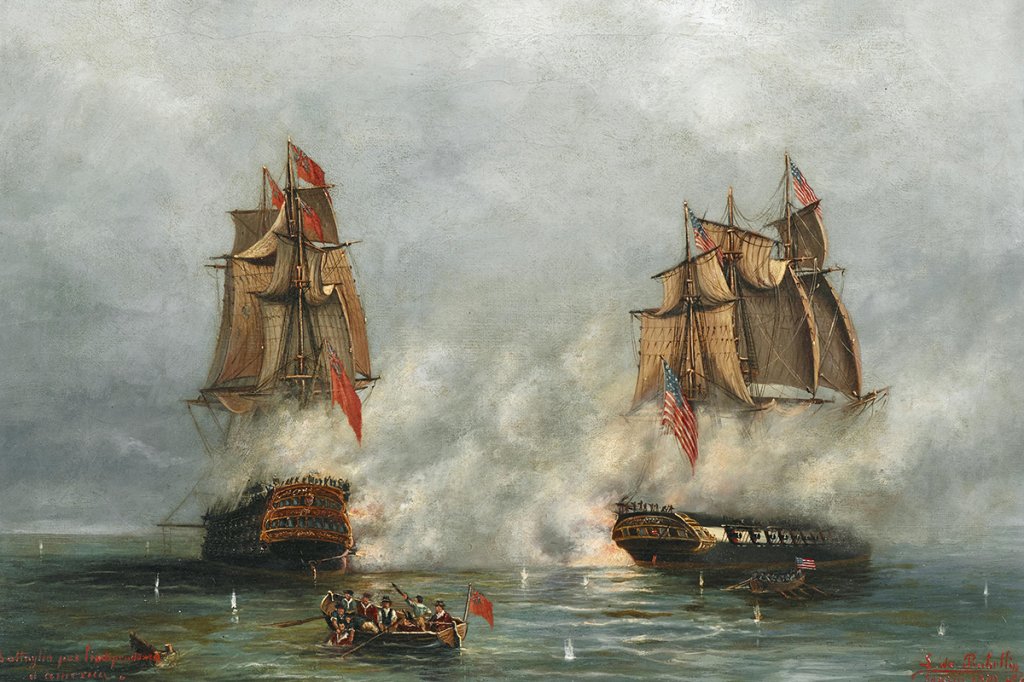
By February 1776, the ideological shift began producing tangible consequences. Colonial leaders increasingly thought not as subjects seeking reform, but as statesmen preparing for sovereignty. Conversations turned toward foreign alliances, particularly with France and Spain, long-standing rivals of Britain.
The act of seeking alliances marked a profound transformation. It required acknowledging that the colonies were, in practice if not yet in name, an emerging nation. Diplomacy demanded unity, legitimacy, and a willingness to engage in international politics. It also required confidence that independence was not merely desired, but achievable.
These discussions reflected growing realism. Leaders understood that defeating Britain would likely require foreign support. Yet alliances could only be secured through a clear declaration of intent. No European power would risk war with Britain on behalf of colonies that still claimed loyalty to the Crown.
Ideological commitment and strategic necessity now moved together. Independence was no longer just a philosophical ideal. It had become a requirement for survival.
The Fear of the Unknown
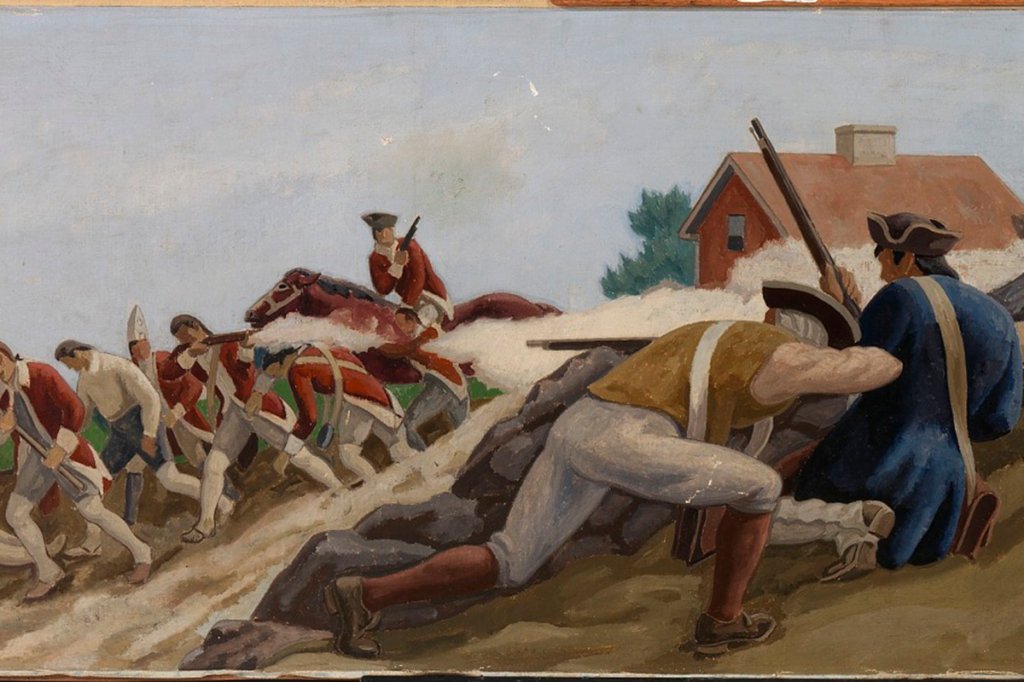
Despite growing momentum, doubts persisted. Independence promised freedom, but it also carried uncertainty. How would the colonies govern themselves? Could they remain united? Would independence lead to chaos or internal conflict?
Paine addressed these fears directly. He argued that the colonies already functioned independently, managing their own affairs and defending their territory. Government, he insisted, was a human creation designed to serve the people, not an inherited structure that must be preserved regardless of its failures.
By acknowledging uncertainty while rejecting fear, Paine encouraged colonists to imagine a future beyond empire. Independence was not reckless. It was an opportunity to design a better system from the ground up.
A Revolution Before the Declaration
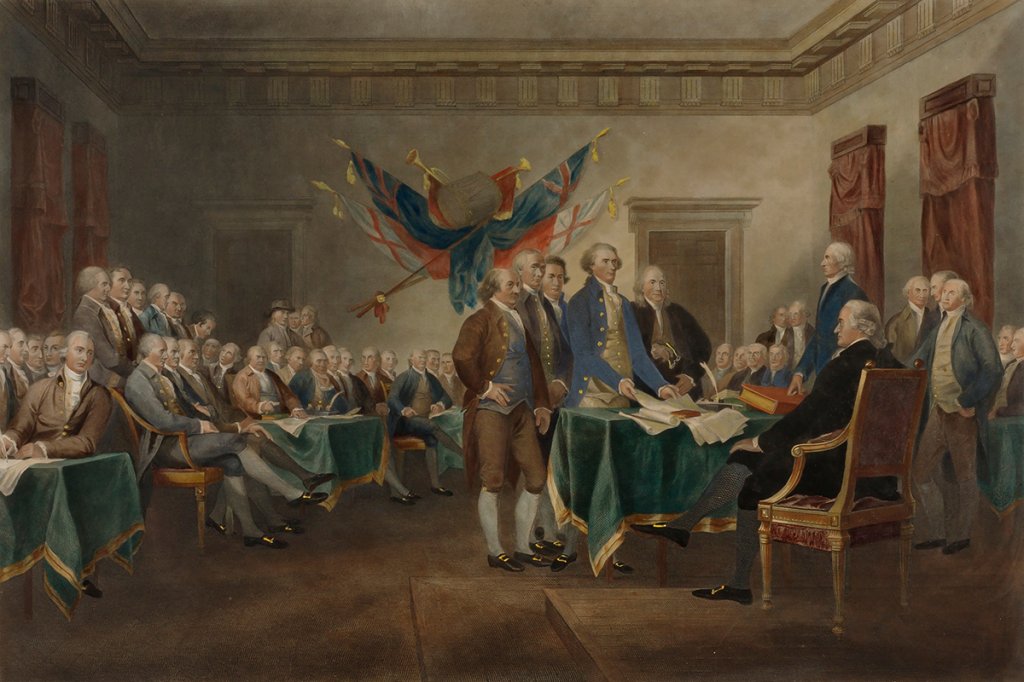
The importance of January and February 1776 lies not in legislation or military action, but in transformation. By the time Congress formally debated independence months later, the revolution in the mind had already occurred. The Declaration of Independence would later articulate principles that many colonists already accepted as self-evident.
Related: 6 things you didn’t know about the Declaration of Independence
This ideological shift explains the rapid pace of events in the spring and summer of 1776. When colonial assemblies authorized independence, they were not imposing a radical vision. They were responding to one that had already taken hold among the people.
In this sense, “Common Sense” did not create the revolution, but it clarified and accelerated it. It gave language to frustration, coherence to resistance, and moral weight to action.
Ideas that Made a Nation

The American Revolution was not inevitable. It required bold, uncertain, irreversible choices. In January and February 1776, those choices became possible because colonists began to see themselves differently. They were no longer merely resisting British rule. They were imagining a nation founded on principles rather than tradition, consent rather than inheritance.
Thomas Paine’s “Common Sense” did not win battles or sign treaties, but it accomplished something equally decisive. It transformed independence from a whispered possibility into a shared conviction. Before muskets secured liberty on the battlefield, ideas secured it in the hearts and minds of the people.
That intellectual and moral revolution was the true beginning of the United States.