Amid burgeoning tensions, President Dwight Eisenhower went before the United Nations General Assembly on December 8, 1953, and called for peace.
Eisenhower’s speech came at an especially fraught time during the Cold War. The previous year, the United States tested a hydrogen bomb in the Northwestern Pacific, resulting in an island’s obliteration. The Soviets followed with their first successful H-bomb test in August 1953.
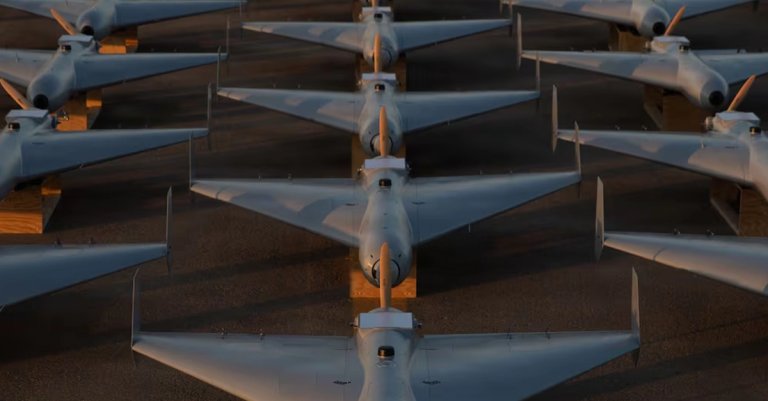
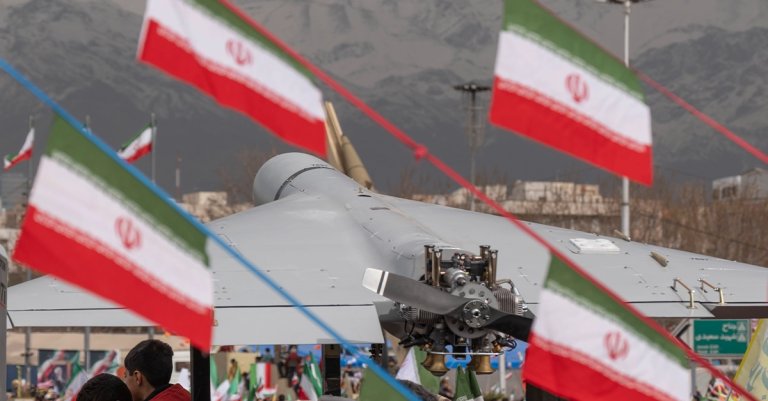
Related: The US is using Iran’s own ‘one-way’ suicide drone against Iran
If not rattled, Eisenhower was justifiably concerned as he stood before the UN.
“My country’s purpose is to help us to move out of the dark chamber of horrors into the light, to find a way by which the minds of men, the hopes of men, the souls of men everywhere, can move forward towards peace and happiness and well-being,” Eisenhower proclaimed in trying to paint an optimistic path forward.
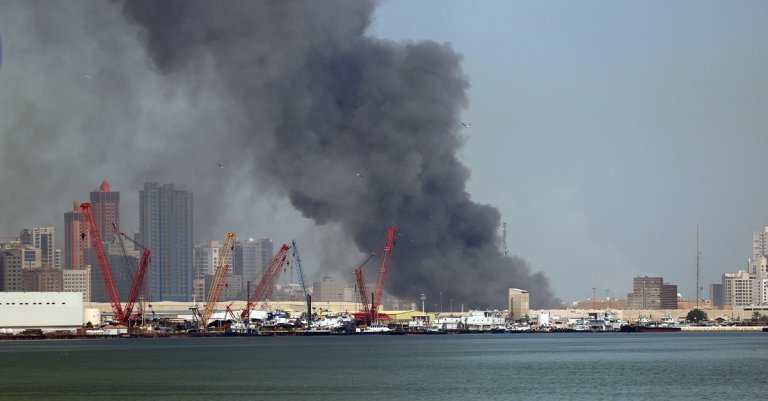
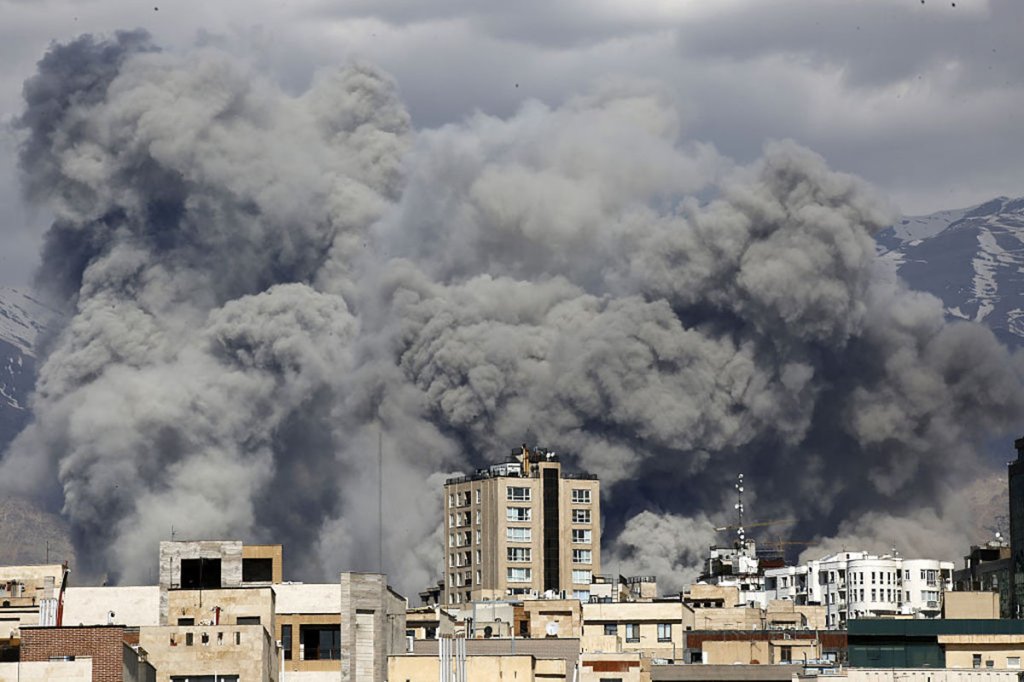
Eisenhower’s speech led to his Atoms for Peace program. A major unintended consequence of the initiative was to help Iran begin its nuclear weapons program. Especially after the first U.S.-Israel military strikes against Iran on February 28, 2026, the world has never been the same.
CIA Coup Overthrows Iranian Leader
It might be hard to believe now, but there was a time after World War II when the U.S. and Iran were not enemies.
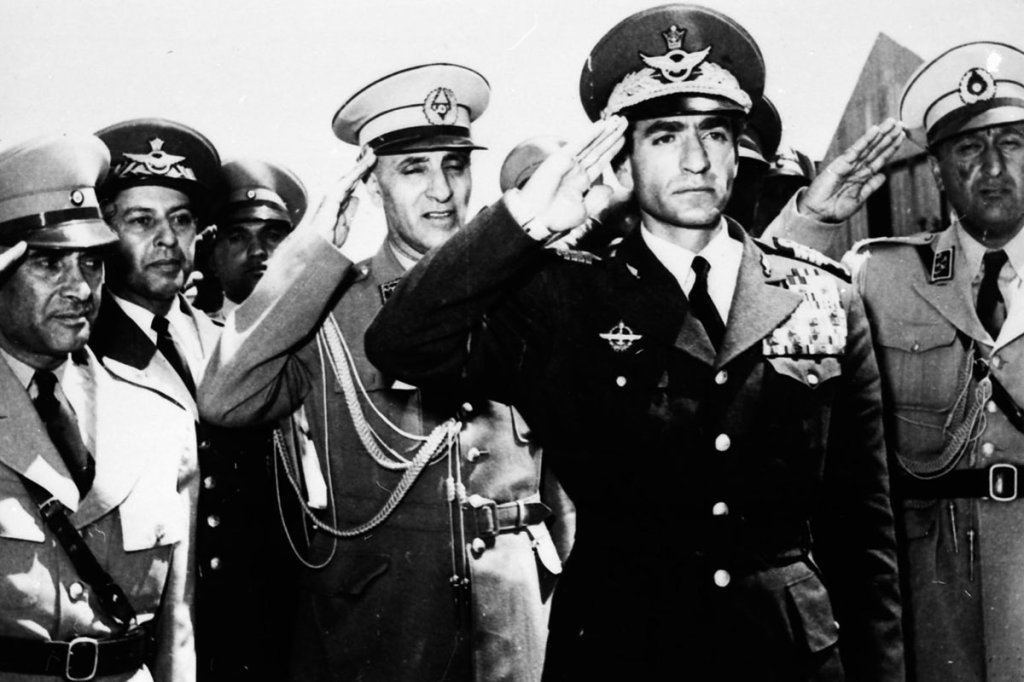
Just 3½ months before Eisenhower’s visit to the UN, the CIA assisted in overthrowing Iranian Prime Minister Mohammad Mossadegh’s government. In the process, Mohammad Reza Shah Pahlavi, the Shah of Iran, consolidated his power. While the Shah was a monarchial dictator during his nearly four-decade reign, the West did not consider him a pariah.
In fact, the shah actually agreed in 1954 to give 40% ownership of Iran’s oil industry to U.S. and other interests for the next quarter-century.
Three years later, the Americans and Iranians struck another deal. The Cooperation Concerning Civil Uses of Atoms agreement of 1957 had a long-winded name, but it essentially gave Iran a path toward potentially developing a nuclear weapon.
What Atoms for Peace Entailed
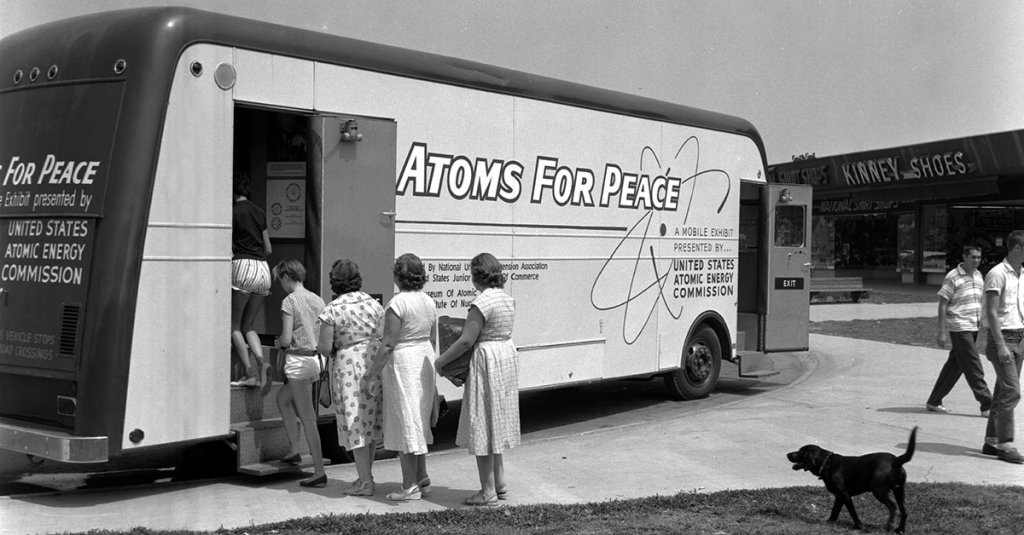
That agreement was part of the Atoms for Peace initiative. Under the program, the U.S. gave research reactors, fuel, and scientific training to developing countries that desired civilian nuclear programs. In return, those nations agreed not to use what they learned for military purposes.
While Iran was not the only country to take part in Atoms for Peace (Israel was among the others), its inclusion has tormented U.S. officials for generations.
Iranians took full advantage of the program.
They founded the Tehran Nuclear Research Center at the University of Tehran. When the U.S. provided Iran with a nuclear research reactor and highly enriched uranium in 1967, they stored them at the center.
It was only decades later that Iran conceded its researchers were working on chemically extracting plutonium, according to the Brookings Institution, a nonprofit research think tank. A 2013 commentary from Brookings also revealed that Iran tried to produce highly radioactive Polonium-210 and might have been trying to enrich uranium through a process known as laser isotope separation.
While the Iranians claimed these experiments were not for military objectives, it is best to take those words with a healthy dose of suspicion.
MIT Program Trained Iranians
Equally as important as the technology, Atoms for Peace gave Iran intensive training.
That was no small piece of this nuclear puzzle for the Iranians. In 1974, the Shah stated his goal of constructing 20 nuclear power reactors in the next two decades, per Brookings, adding a heightened sense of urgency to their acquisition of nuclear knowledge.
Achieving that lofty ambition required some bright minds, of which Iran had none with the know-how of how nuclear weapons were devised. Atoms for Peace solved that. As part of the program, the Massachusetts Institute of Technology created a specialized master’s program that trained prospective Iranian engineers.
The nuclear engineers who graduated from that program gave Iran the brainpower it lacked in this never-ending arms race.
Iranian Revolution Ended Cooperation
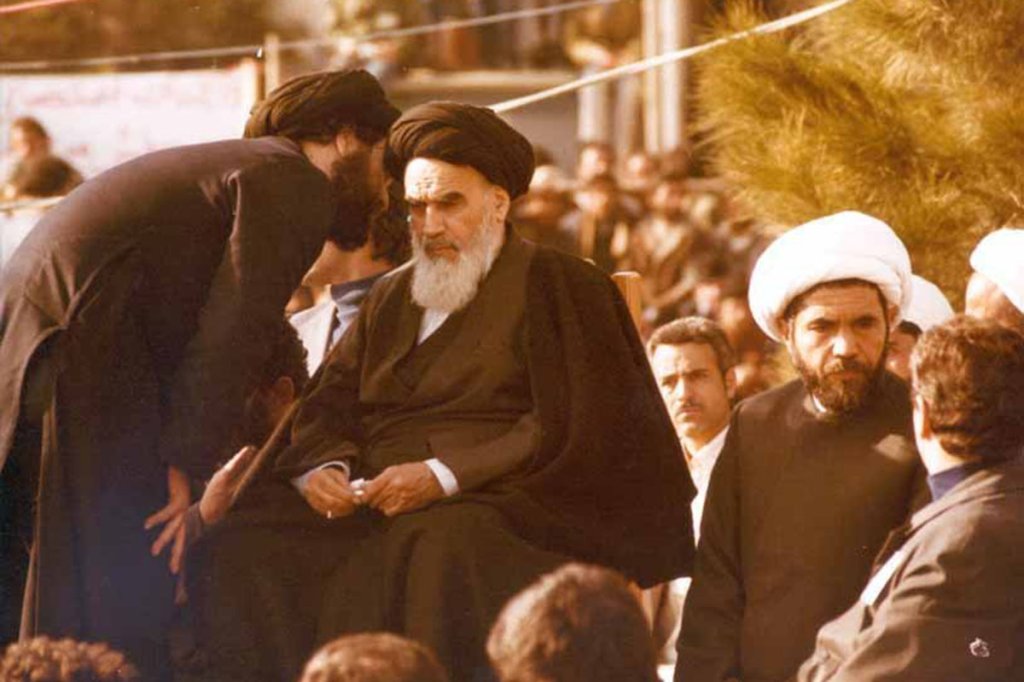
The cooperation between the U.S. and Iran conceivably could have continued indefinitely. It ended, though, after the revolution in 1979 that overthrew the Shah and installed Ayatollah Khomeini as Iran’s supreme leader.
While the Americans stopped providing nuclear resources to the Iranians, that knowledge could not be wiped away so easily. Thanks particularly to help from Russia, China, and Pakistan, Israel continued advances in nuclear power.
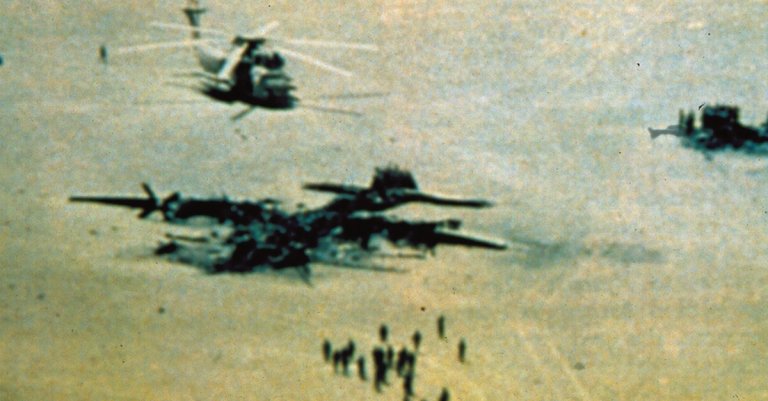
The U.S. government’s relationship with Iran changed irrevocably after the Iranians took 52 Americans hostage in the U.S. Embassy in Tehran in 1979. Their captors detained them for 444 days before releasing them.
By that time, Eisenhower’s words before the UN held little resonance.
“If a danger exists in the world, it is a danger shared by all; and equally, that if hope exists in the mind of one nation, that hope should be shared by all,” Eisenhower said.