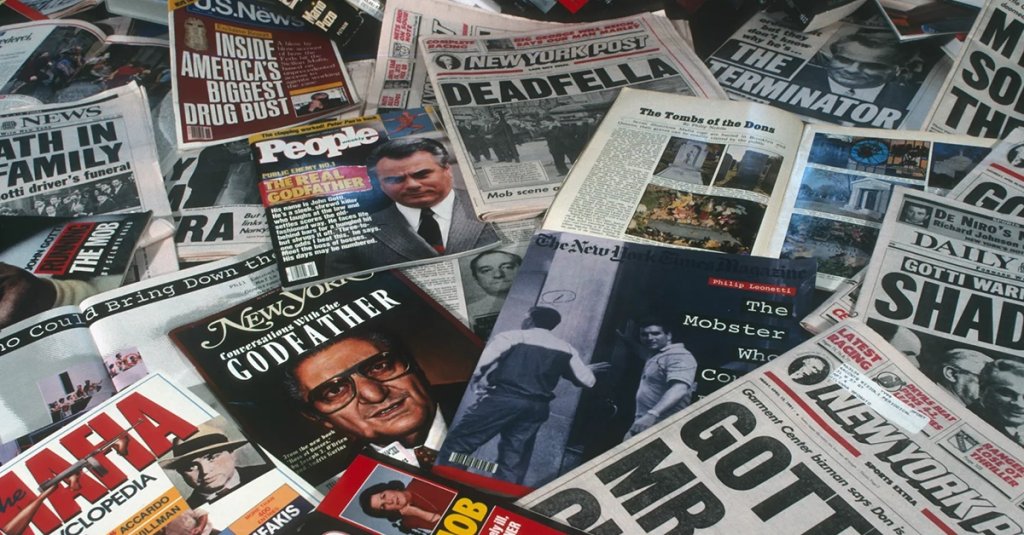
Operation Underworld, a secret pact between the United States government and the American Mafia, began as a desperate gamble in the earliest days of World War II. With German U-boats attacking merchant ships, docks vulnerable to sabotage, and East Coast supply lines under constant threat, federal authorities made a choice almost unthinkable in peacetime. They turned to the underworld.
Together, government agents and mob lieutenants secured the ports, protected the waterfront, and even contributed intelligence that shaped the Allied invasion of Sicily.
Related: ‘Operation Underworld’ was a secret wartime pact no one saw coming
The wartime partnership achieved its immediate goals, but like many alliances formed in crisis, it created consequences that stretched far beyond 1945. What began as a temporary act of survival ultimately strengthened the very criminal empires the government had fought for decades to destroy.
The Quiet Rise of the Underworld
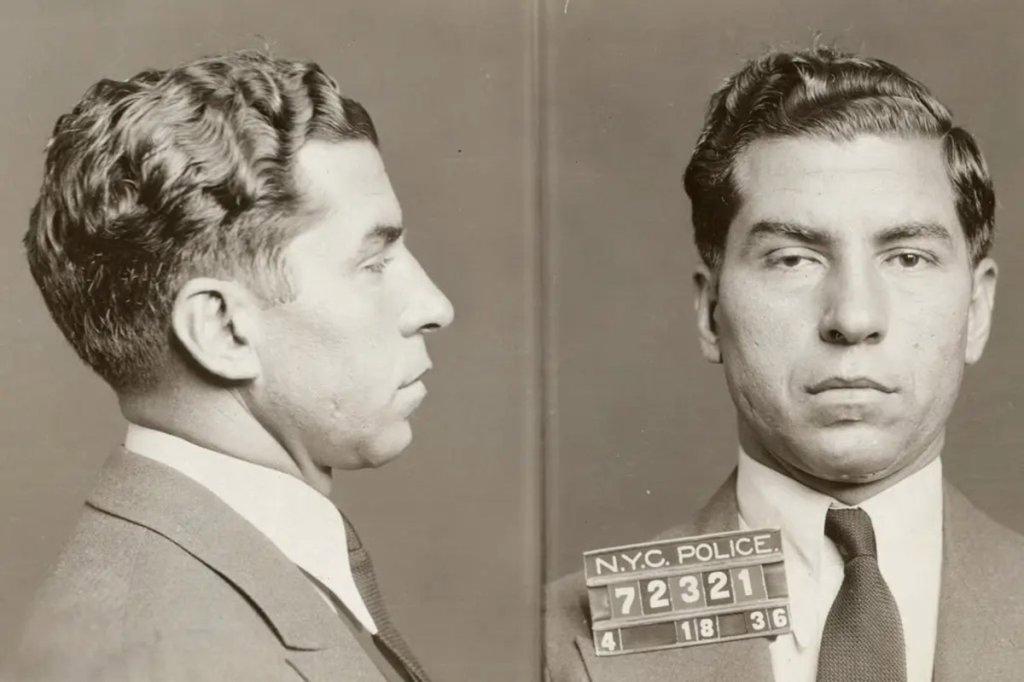
When World War II ended, and the United States stood triumphant, another, quieter victory was unfolding beneath the surface. Organized crime families, once hunted relentlessly by prosecutors and police, emerged from the war with a new degree of status. However unconventional, their service had provided the government with real results at a moment of national danger. Mob figures who had once been seen as criminals became, in some circles, wartime assets.
Dock security improved. Sabotage attempts were reduced. And in the case of Charles “Lucky” Luciano, the Allies’ success in Sicily was aided in part by the networks he controlled, the contacts he provided, and the regional knowledge he funneled through intermediaries.
This shift in perception changed everything. Law enforcement cracked down again in the 1950s, but the wartime partnership had already altered the balance of power. Families like the Genovese, Gambino, and Anastasia organizations stepped into the post-war era with their networks intact, their reputations burnished, and their political leverage significantly strengthened.
The Crime Fighter Who Freed a Crime Boss
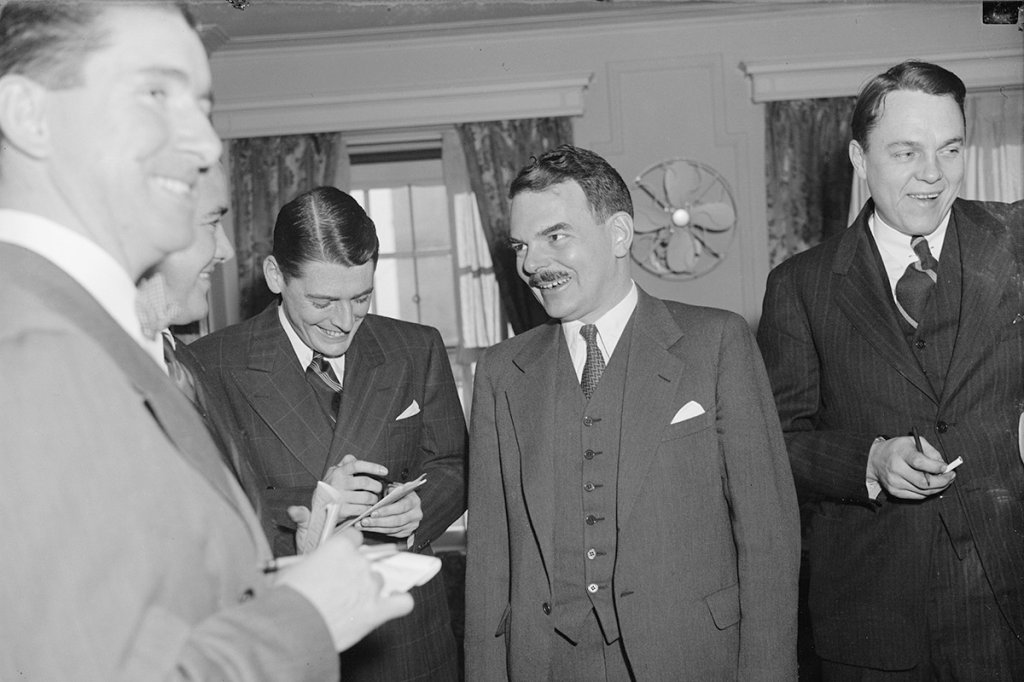
Nothing illustrated this paradox more clearly than the case of New York Gov. Thomas E. Dewey, the same man who had built his national reputation by putting Luciano behind bars in 1936. Dewey had been the face of America’s war on organized crime. Yet, a decade later, he faced a decision that would define his legacy.
Related: The American mafia teamed up with the Navy to get even with Mussolini
Naval intelligence officers insisted that Luciano’s wartime cooperation had been indispensable. Intelligence from his network helped protect New York’s docks, ease coordination with Sicilian contacts, and reduce the risk of Axis sabotage. After reviewing the evidence, Dewey agreed. In 1946, he commuted Luciano’s sentence.
Luciano was deported, but freedom was freedom. From Italy, he quickly reconnected with the underworld and became one of the central architects of post-war heroin trafficking. The message his release sent echoed across every major mob family: Cooperation with the government could change your fate.
The Fall of Mussolini and the Rebirth of the Sicilian Mafia

Cesare Mori: Mussolini’s Iron Prefect vs. The Mafia
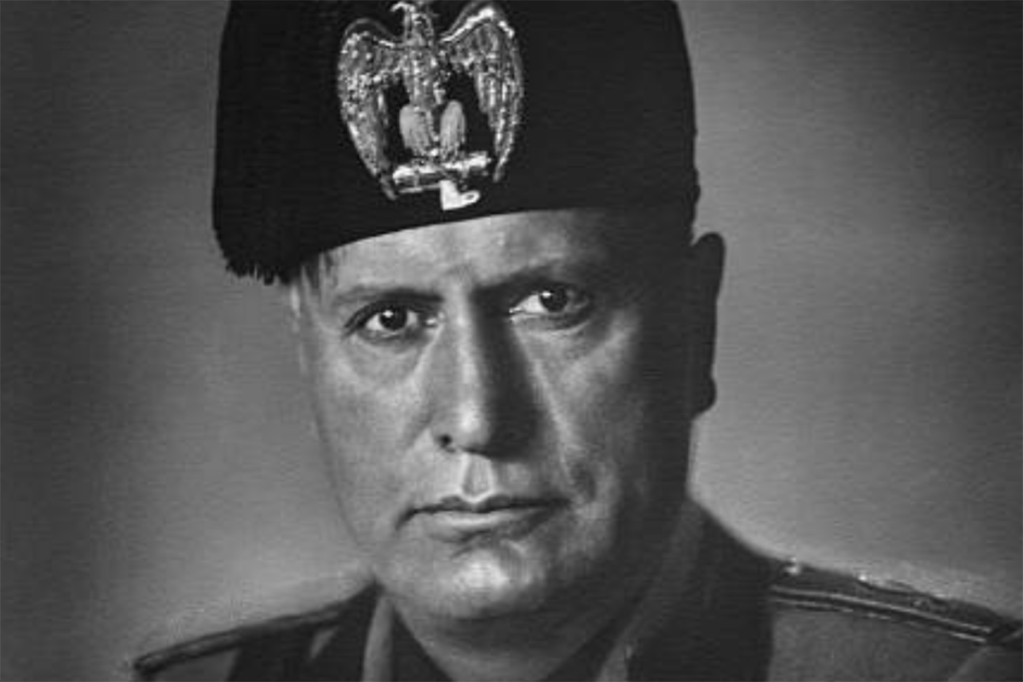
While the American Mafia reaped benefits from the wartime alliance, events unfolding in Italy produced equally dramatic consequences. Decades before Operation Underworld, Benito Mussolini had declared open war on the Sicilian Mafia. Determined to prove that the Fascist state was the only power Italians should fear, Mussolini unleashed Cesare Mori, the infamous “Iron Prefect,” to crush the underworld.
Under Mori’s campaign, entire villages were surrounded by troops. Families were torn apart. Suspects were arrested without warrants. Property was seized. Many mafiosi fled to the United States, while others were imprisoned, exiled, or forced into hiding. Mussolini boasted that he had eradicated the Mafia from Italy.
But the Mafia had not been destroyed; it had merely been scattered.
When the Allied invasion of Sicily—Operation Husky—began in 1943 and Mussolini’s power collapsed, the political vacuum in Sicily was immediate. Fascist mayors abandoned their posts, local government ceased to function, and uncertainty spread through the countryside. In that chaos, one institution remained familiar and deeply rooted in local life: the Mafia.
Struggling to understand the terrain and needing local intermediaries, Allied military officials often turned to men whom communities trusted. Many of those men were mafiosi. The collapse of Fascism allowed them to resurface openly, reclaim authority, and step back into roles that Mussolini had violently stripped away.
The fall of Mussolini removed the greatest adversary the Mafia had ever faced. On both sides of the Atlantic, the organization rebuilt itself stronger, smarter, and more deeply connected than ever before.
A Transatlantic Criminal Renaissance
The defeat of Fascism in Italy and the release of Luciano in America created a rare moment in history: Both the Sicilian and American mafias were emboldened at the same time. One had survived a dictatorship; the other had gained political capital from wartime cooperation.
Related: How Mafia boss Lucky Luciano joined World War II from his prison cell
In the years immediately after the war, these two worlds began to reconnect. Sicilian bosses regained influence in local government and used their roles as interpreters, mediators, and liaisons for Allied authorities to strengthen their standing. American crime families, facing new opportunities in narcotics trafficking, turned to Sicily as a gateway to heroin production and distribution.
Luciano, operating from Naples and later Rome, became a crucial intermediary. He facilitated contacts, coordinated routes, and helped rebuild the transatlantic pipelines that would eventually fuel the “French Connection,” the global heroin network that dominated the 1950s and 1960s.
The collapse of Mussolini’s regime, combined with America’s wartime compromises, created a perfect storm: The Mafia emerged not just restored, but internationally connected and more influential than ever.
Lessons from an Unlikely Alliance
Operation Underworld succeeded on the surface. It protected the coastlines, ensured supply chains, and contributed to the success of the Allied campaign in Sicily. Yet it also illustrated a difficult truth about wartime decision-making: Alliances of convenience rarely end cleanly.
The Mafia learned that cooperation with government agencies could secure leniency, protection, and even political legitimacy. Mussolini’s crackdown, which scattered mafiosi around the world, proved that brute force alone cannot destroy an entrenched criminal culture; it can, however, export it. And the war revealed how rapidly criminal networks can fill the void left by collapsing regimes.
Luciano’s story symbolized this intersection of self-interest and patriotism. He did not help the U.S. out of loyalty but out of hatred for Mussolini, concern for his own organization, and recognition that collaboration might one day buy his freedom. His gamble paid off.
In the end, the alliance blurred the line between survival and compromise, revealing how wartime urgency can reshape power structures long after peace is declared.
Shadows That Outlived the War
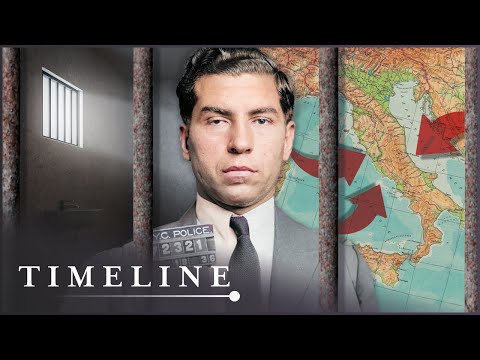
How Did The Mafia Impact The Outcome Of World War 2? | Secret War | Timeline
Operation Underworld shows that the American home front was defended not only by soldiers and federal agents but by dockworkers, informants, gangsters, and networks that lived in the margins of the law. It also forces us to confront the uncomfortable reality that governments, when pushed to the brink, sometimes forge alliances that contradict their own principles.
The partnership with the Mafia protected the United States during World War II, but it also laid the groundwork for the post-war rise of organized crime. As Mussolini’s defeat revived the Sicilian families and Luciano’s release empowered the American syndicates, the Mafia stepped into a new era of transnational influence.
What began as a secret wartime necessity became a turning point in criminal history. The deals made in the dark to protect a nation at war helped build the underworld empires that flourished in the decades that followed.